
Accidental mix-ups of sounds reveal how the brain produces speech
Spoonerisms are among the most well-known speech errors, and for linguists and psychologists they offer a glimpse into how our brains produce speech

Nature, Published online: 17 July 2026; doi:10.1038/d41586-026-02263-4Nature staff discuss the discovery of a four carbon ‘true sugar’ in interstellar space — plus, a formula inscribed on a wall reveals a Maya mathematician’s name.
Spoonerisms are among the most well-known speech errors, and for linguists and psychologists they offer a glimpse into how our brains produce speech

The nation’s first statewide moratorium on new hyperscale facilities gives officials up to one year to work out how to measure their environmental effects amid the AI building boom
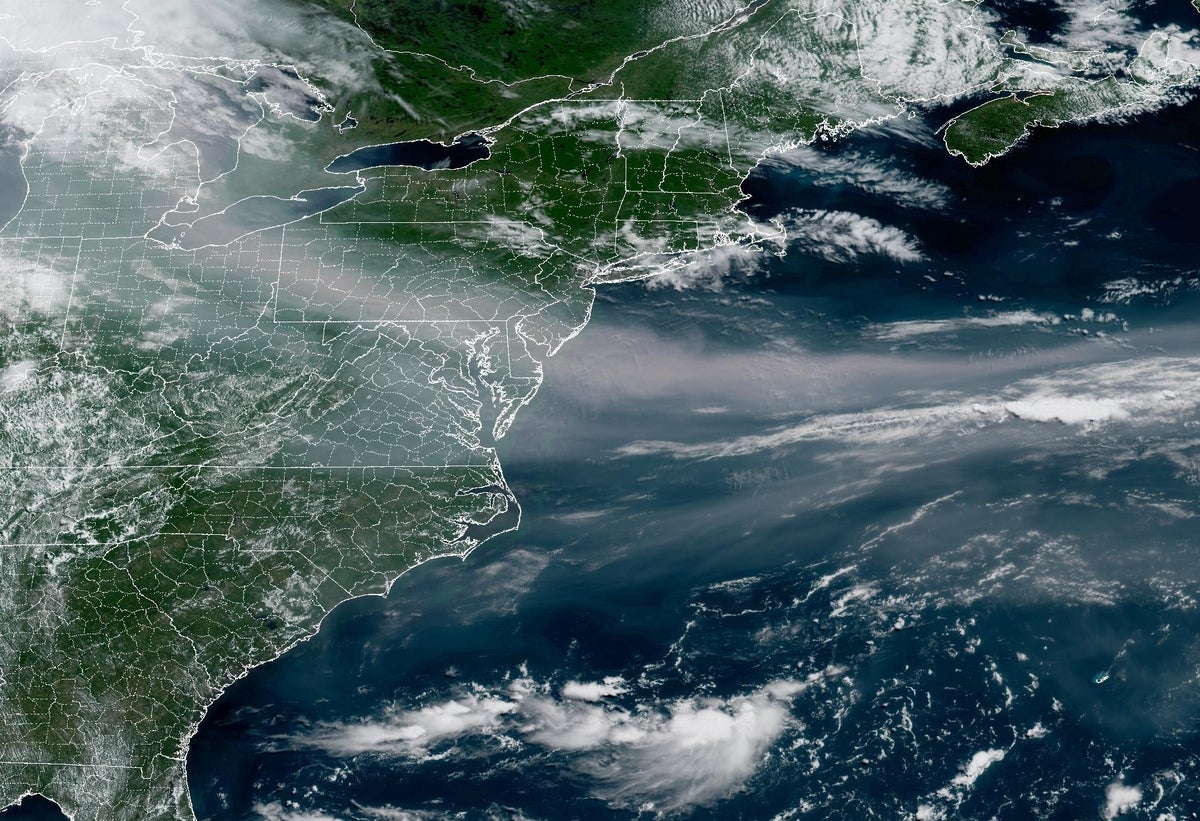
Wildfire smoke may be as much as 10 times more dangerous than other forms of air pollution, research suggests
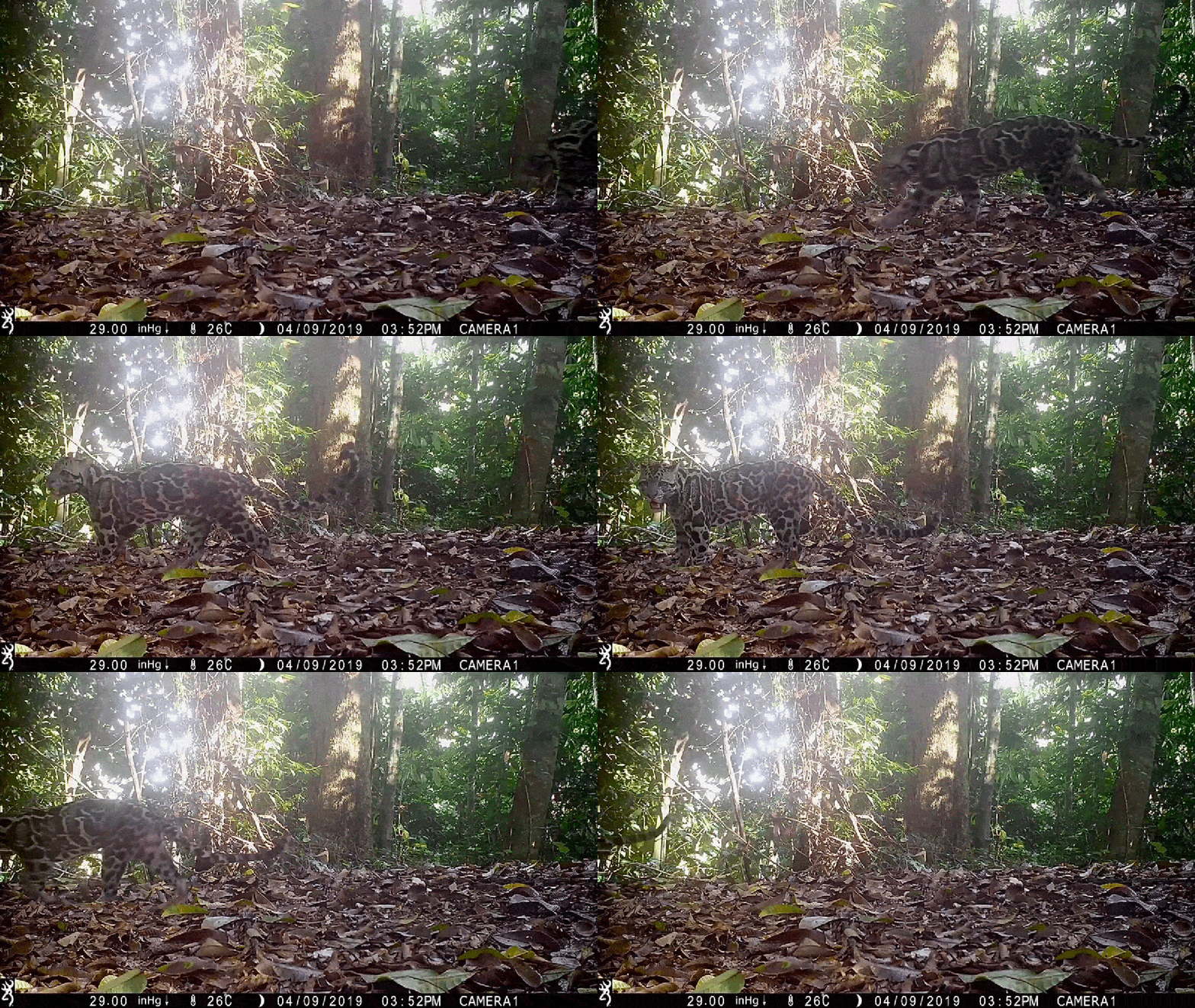
New, never-before-seen images provide a glimpse into the secretive lives of a clouded leopard species found in the dense rainforests of Borneo and Sumatra
Wissenschaftliche Nachrichten haben nur dann Wert, wenn sie lesbar, eingeordnet und mit den grossen Linien der Forschung verbunden bleiben.
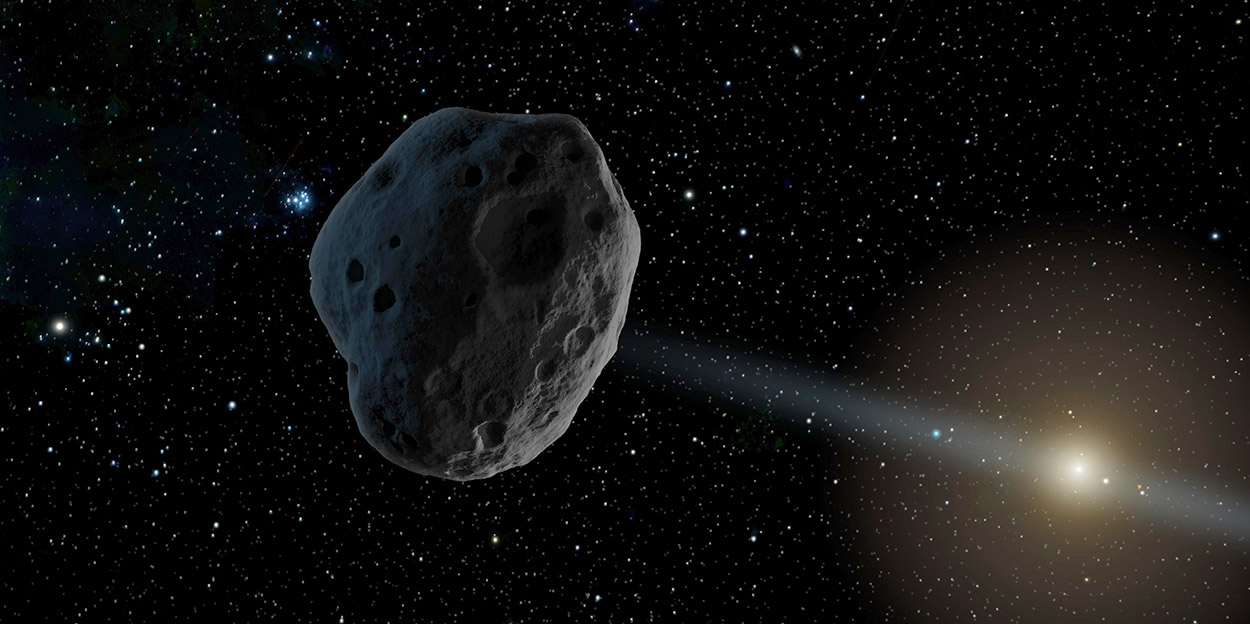
Der Asteroid 1998 SH2 ist in Wirklichkeit ein „dunkler“ Komet: Sein Schweif und seine Gashülle sind nicht erkennbar, verursachen aber Bahnabweichungen.
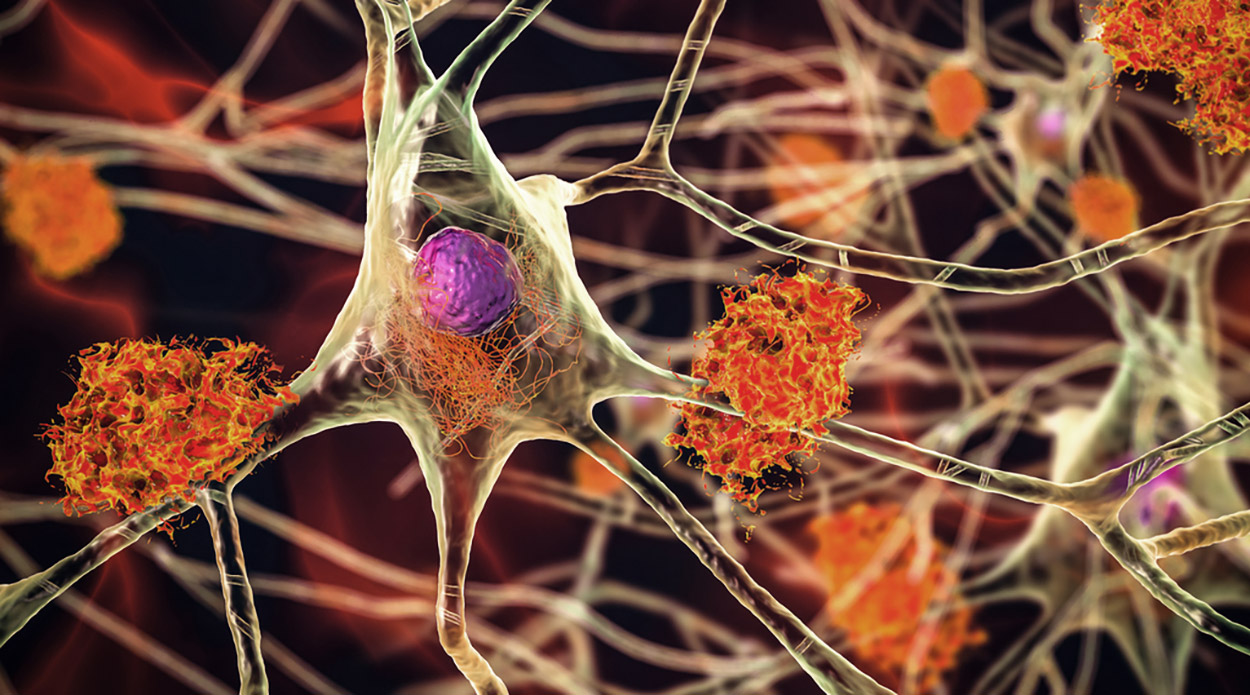
Zwei klinische Studien haben erstmals untersucht, ob Wirkstoffe gegen fehlgebildete Tau-Proteine die Alzheimer-Demenz aufhalten können – mit gemischten Resultaten.

Biologie-Lehrbüchern zufolge sind zwei Proteinkomplexe für die Photosynthese unverzichtbar – die Photosysteme I und II. Doch ein Experiment widerlegt dies nun.

Machen Sie mit bei der Wahl zum Wissensbuch des Jahres 2026!
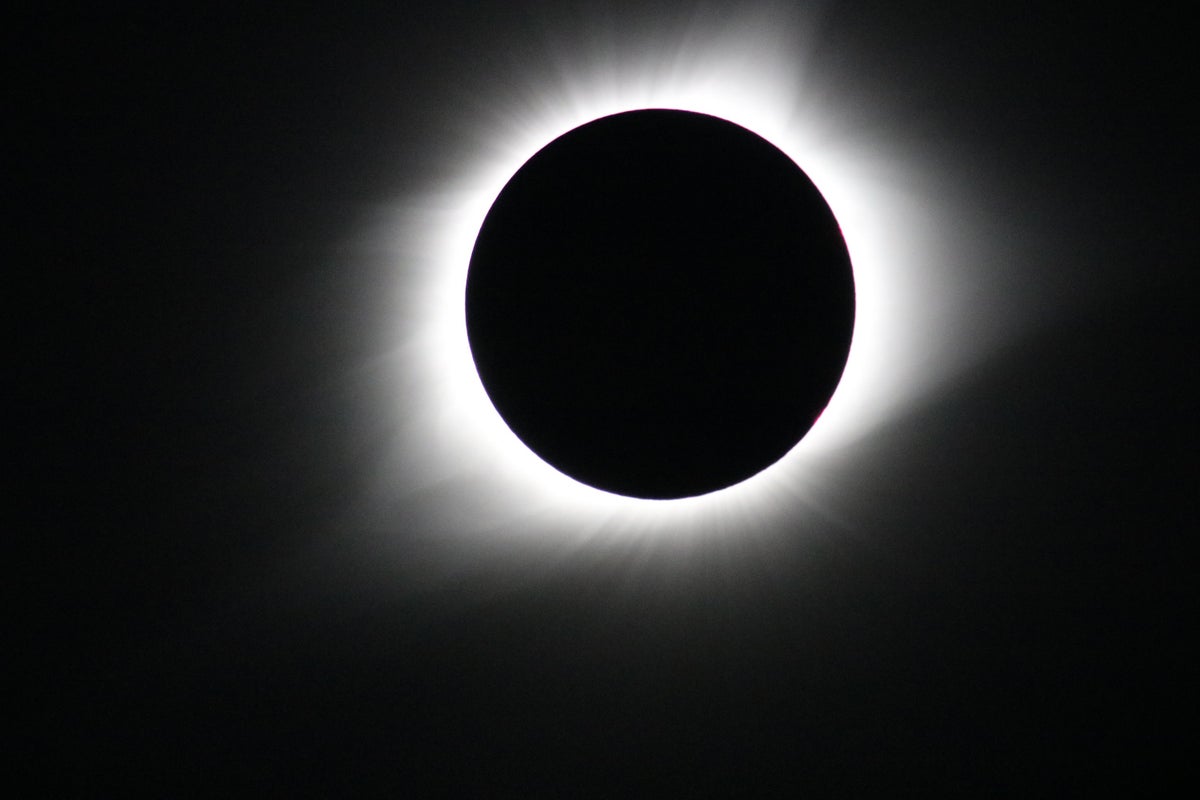
Duration, location, aviation: What makes the best possible view of a total solar eclipse?

Electrodes that measure brain waves and more cannot be seen or felt.

Andrew Robinson reviews five of the best science picks.
Astronomers are deeply worried that a planned array of 50,000 mirror-bearing satellites in orbit will severely compromise telescopes.
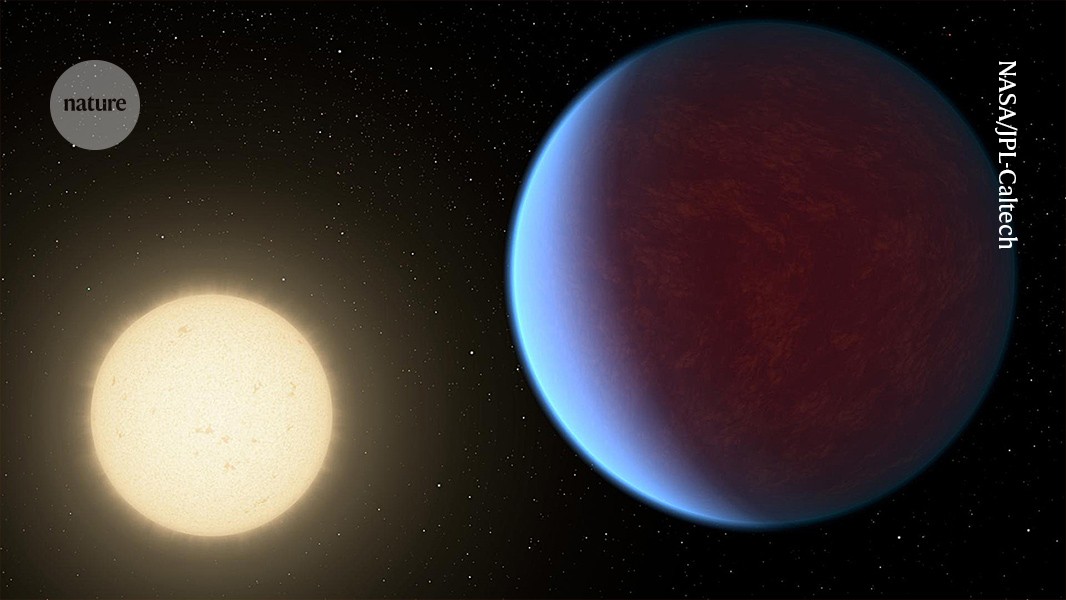
Astronomers have spotted helium escaping from LHS 1140b, an exoplanet orbiting in its star’s ‘habitable zone’.
