Panorama científico

Publicaciones científicas recientes por área de investigación

Acceda a publicaciones científicas recientes organizadas por disciplina para identificar trabajos útiles para su análisis, seguimiento o investigación.

Consultar publicaciones recientes Actualizado el sábado, 18 de julio de 2026
Áreas de investigación

Acceder a las áreas cubiertas

Acceda directamente a las áreas cubiertas e identifique las publicaciones más relevantes para su campo de especialización.

Publicaciones recientes

Alzheimer's

25 publicaciones científicas en el campo de Alzheimer's, para consultar rápidamente la literatura científica correspondiente.

Large Language Model-Based Agents for Automated Research
  Reproducibility: An Exploratory Study in Alzheimer's Disease
Computer Science Dobbins, Nic

Large Language Model-Based Agents for Automated Research Reproducibility: An Exploratory Study in Alzheimer's Disease

arXiv mayo 2025 Alzheimer's

Objective: To demonstrate the capabilities of Large Language Models (LLMs) as autonomous agents to reproduce findings of published research studies using the same or similar dataset. Materials and Methods: We used the "Quick Access" dataset of the National Alzheimer's Coordinating Center (NACC). We identified highly cited published research manuscripts using NACC data and selected five studies that appeared reproducible using this dataset alone. Using GPT-4o, we created a simulated research team of LLM-based autonomous agents tasked with writing and executing code to dynamically reproduce the findings of each study, given only study Abstracts, Methods sections, and data dictionary descriptions of the dataset. Results: We extracted 35 key findings described in the Abstracts across 5 Alzheimer's studies. On average, LLM agents approximately reproduced 53.2% of findings per study. Numeric values and range-based findings often differed between studies and agents. The agents also applied statistical methods or parameters that varied from the originals, though overall trends and significance were sometimes similar. Discussion: In some cases, LLM-based agents replicated research techniques and findings. In others, they failed due to implementation flaws or missing methodological detail. These discrepancies show the current limits of LLMs in fully automating reproducibility assessments. Still, this early investigation highlights the potential of structured agent-based systems to provide scalable evaluation of scientific rigor. Conclusion: This exploratory work illustrates both the promise and limitations of LLMs as autonomous agents for automating reproducibility in biomedical research.

Align-cDAE: Alzheimer's Disease Progression Modeling with Attention-Aligned Conditional Diffusion Auto-Encoder
Computer Science Das, Ayantika

Align-cDAE: Alzheimer's Disease Progression Modeling with Attention-Aligned Conditional Diffusion Auto-Encoder

arXiv marzo 2026 Alzheimer's

Generative AI framework-based modeling and prediction of longitudinal human brain images offer an efficient mechanism to track neurodegenerative progression, essential for the assessment of diseases like Alzheimer's. Among the existing generative approaches, recent diffusion-based models have emerged as an effective alternative to generate disease progression images. Incorporating multi-modal and non-imaging attributes as conditional information into diffusion frameworks has been shown to improve controllability during such generations. However, existing methods do not explicitly ensure that information from non-imaging conditioning modalities is meaningfully aligned with image features to introduce desirable changes in the generated images, such as modulation of progression-specific regions. Further, more precise control over the generation process can be achieved by introducing progression-relevant structure into the internal representations of the model, lacking in the existing approaches. To address these limitations, we propose a diffusion autoencoder-based framework for disease progression modeling that explicitly enforces alignment between different modalities. The alignment is enforced by introducing an explicit objective function that enables the model to focus on the regions exhibiting progression-related changes. Further, we devise a mechanism to better structure the latent representational space of the diffusion auto-encoding framework. Specifically, we assign separate latent subspaces for integrating progression-related conditions and retaining subject-specific identity information, allowing better-controlled image generation. These results demonstrate that enforcing alignment and better structuring of the latent representational space of diffusion auto-encoding framework leads to more anatomically precise modeling of Alzheimer's disease progression.

Impact of automatic speech recognition quality on Alzheimer's disease detection from spontaneous speech: a reproducible benchmark study with lexical modeling and statistical validation
Computer Science Samanta, Himadri S

Impact of automatic speech recognition quality on Alzheimer's disease detection from spontaneous speech: a reproducible benchmark study with lexical modeling and statistical validation

arXiv marzo 2026 Alzheimer's

Early detection of Alzheimer's disease from spontaneous speech has emerged as a promising non-invasive screening approach. However, the influence of automatic speech recognition (ASR) quality on downstream clinical language modeling remains insufficiently understood. In this study, we investigate Alzheimer's disease detection using lexical features derived from Whisper ASR transcripts on the ADReSSo 2021 diagnosis dataset. We evaluate interpretable machine-learning models, including Logistic Regression and Linear Support Vector Machines, using TF-IDF text representations under repeated 5x5 stratified cross-validation. Our results demonstrate that transcript quality has a statistically significant impact on classification performance. Models trained on Whisper-small transcripts consistently outperform those using Whisper-base transcripts, achieving balanced accuracy above 0.7850 with Linear SVM. Paired statistical testing confirms that the observed improvements are significant. Importantly, classifier complexity contributes less to performance variation than ASR transcription quality. Feature analysis reveals that cognitively normal speakers produce more semantically precise object- and scene-descriptive language, whereas Alzheimer's speech is characterized by vagueness, discourse markers, and increased hesitation patterns. These findings suggest that high-quality ASR can enable simple, interpretable lexical models to achieve competitive Alzheimer's detection performance without explicit acoustic modeling. The study provides a reproducible benchmark pipeline and highlights ASR selection as a critical modeling decision in clinical speech-based artificial intelligence systems. ;22 pages, 7 figures

Hybrid Topological and Deep Feature Fusion for Accurate MRI-Based Alzheimer's Disease Severity Classification
Computer Science Ahmed, Faisal

Hybrid Topological and Deep Feature Fusion for Accurate MRI-Based Alzheimer's Disease Severity Classification

arXiv febrero 2026 Alzheimer's

Early and accurate diagnosis of Alzheimer's disease (AD) remains a critical challenge in neuroimaging-based clinical decision support systems. In this work, we propose a novel hybrid deep learning framework that integrates Topological Data Analysis (TDA) with a DenseNet121 backbone for four-class Alzheimer's disease classification using structural MRI data from the OASIS dataset. TDA is employed to capture complementary topological characteristics of brain structures that are often overlooked by conventional neural networks, while DenseNet121 efficiently learns hierarchical spatial features from MRI slices. The extracted deep and topological features are fused to enhance class separability across the four AD stages. Extensive experiments conducted on the OASIS-1 Kaggle MRI dataset demonstrate that the proposed TDA+DenseNet121 model significantly outperforms existing state-of-the-art approaches. The model achieves an accuracy of 99.93% and an AUC of 100%, surpassing recently published CNN-based, transfer learning, ensemble, and multi-scale architectures. These results confirm the effectiveness of incorporating topological insights into deep learning pipelines and highlight the potential of the proposed framework as a robust and highly accurate tool for automated Alzheimer's disease diagnosis. ;20 pages, 6 Figures

Cross-modal Causal Intervention for Alzheimer's Disease Prediction
Computer Science Jin, Yutao

Cross-modal Causal Intervention for Alzheimer's Disease Prediction

arXiv julio 2025 Alzheimer's

Mild Cognitive Impairment (MCI) serves as a prodromal stage of Alzheimer's Disease (AD), where early identification and intervention can effectively slow the progression to dementia. However, diagnosing AD remains a significant challenge in neurology due to the confounders caused mainly by the selection bias of multi-modal data and the complex relationships between variables. To address these issues, we propose a novel visual-language causality-inspired framework named Cross-modal Causal Intervention with Mediator for Alzheimer's Disease Diagnosis (MediAD) for diagnostic assistance. Our MediAD employs Large Language Models (LLMs) to summarize clinical data under strict templates, therefore enriching textual inputs. The MediAD model utilizes Magnetic Resonance Imaging (MRI), clinical data, and textual data enriched by LLMs to classify participants into Cognitively Normal (CN), MCI, and AD categories. Because of the presence of confounders, such as cerebral vascular lesions and age-related biomarkers, non-causal models are likely to capture spurious input-output correlations, generating less reliable results. Our framework implicitly mitigates the effect of both observable and unobservable confounders through a unified causal intervention method. Experimental results demonstrate the outstanding performance of our method in distinguishing CN/MCI/AD cases, outperforming other methods in most evaluation metrics. The study showcases the potential of integrating causal reasoning with multi-modal learning for neurological disease diagnosis.

A comprehensive interpretable machine learning framework for Mild
  Cognitive Impairment and Alzheimer's disease diagnosis
Computer Science Vlontzou, Maria Eleftheria

A comprehensive interpretable machine learning framework for Mild Cognitive Impairment and Alzheimer's disease diagnosis

arXiv diciembre 2024 Alzheimer's

An interpretable machine learning (ML) framework is introduced to enhance the diagnosis of Mild Cognitive Impairment (MCI) and Alzheimer's disease (AD) by ensuring robustness of the ML models' interpretations. The dataset used comprises volumetric measurements from brain MRI and genetic data from healthy individuals and patients with MCI/AD, obtained through the Alzheimer's Disease Neuroimaging Initiative. The existing class imbalance is addressed by an ensemble learning approach, while various attribution-based and counterfactual-based interpretability methods are leveraged towards producing diverse explanations related to the pathophysiology of MCI/AD. A unification method combining SHAP with counterfactual explanations assesses the interpretability techniques' robustness. The best performing model yielded 87.5% balanced accuracy and 90.8% F1-score. The attribution-based interpretability methods highlighted significant volumetric and genetic features related to MCI/AD risk. The unification method provided useful insights regarding those features' necessity and sufficiency, further showcasing their significance in MCI/AD diagnosis.

Multimodal Visual Surrogate Compression for Alzheimer's Disease Classification
Computer Science Ding, Dexuan

Multimodal Visual Surrogate Compression for Alzheimer's Disease Classification

arXiv enero 2026 Alzheimer's

High-dimensional structural MRI (sMRI) images are widely used for Alzheimer's Disease (AD) diagnosis. Most existing methods for sMRI representation learning rely on 3D architectures (e.g., 3D CNNs), slice-wise feature extraction with late aggregation, or apply training-free feature extractions using 2D foundation models (e.g., DINO). However, these three paradigms suffer from high computational cost, loss of cross-slice relations, and limited ability to extract discriminative features, respectively. To address these challenges, we propose Multimodal Visual Surrogate Compression (MVSC). It learns to compress and adapt large 3D sMRI volumes into compact 2D features, termed as visual surrogates, which are better aligned with frozen 2D foundation models to extract powerful representations for final AD classification. MVSC has two key components: a Volume Context Encoder that captures global cross-slice context under textual guidance, and an Adaptive Slice Fusion module that aggregates slice-level information in a text-enhanced, patch-wise manner. Extensive experiments on three large-scale Alzheimer's disease benchmarks demonstrate our MVSC performs favourably on both binary and multi-class classification tasks compared against state-of-the-art methods.

MedOrch: Medical Diagnosis with Tool-Augmented Reasoning Agents for
  Flexible Extensibility
Computer Science He, Yexiao

MedOrch: Medical Diagnosis with Tool-Augmented Reasoning Agents for Flexible Extensibility

arXiv mayo 2025 Alzheimer's

Healthcare decision-making represents one of the most challenging domains for Artificial Intelligence (AI), requiring the integration of diverse knowledge sources, complex reasoning, and various external analytical tools. Current AI systems often rely on either task-specific models, which offer limited adaptability, or general language models without grounding with specialized external knowledge and tools. We introduce MedOrch, a novel framework that orchestrates multiple specialized tools and reasoning agents to provide comprehensive medical decision support. MedOrch employs a modular, agent-based architecture that facilitates the flexible integration of domain-specific tools without altering the core system. Furthermore, it ensures transparent and traceable reasoning processes, enabling clinicians to meticulously verify each intermediate step underlying the system's recommendations. We evaluate MedOrch across three distinct medical applications: Alzheimer's disease diagnosis, chest X-ray interpretation, and medical visual question answering, using authentic clinical datasets. The results demonstrate MedOrch's competitive performance across these diverse medical tasks. Notably, in Alzheimer's disease diagnosis, MedOrch achieves an accuracy of 93.26%, surpassing the state-of-the-art baseline by over four percentage points. For predicting Alzheimer's disease progression, it attains a 50.35% accuracy, marking a significant improvement. In chest X-ray analysis, MedOrch exhibits superior performance with a Macro AUC of 61.2% and a Macro F1-score of 25.5%. Moreover, in complex multimodal visual question answering (Image+Table), MedOrch achieves an accuracy of 54.47%. These findings underscore MedOrch's potential to advance healthcare AI by enabling reasoning-driven tool utilization for multimodal medical data processing and supporting intricate cognitive tasks in clinical decision-making.

Flexible and Explainable Graph Analysis for EEG-based Alzheimer's
  Disease Classification
Computer Science Wang, Jing

Flexible and Explainable Graph Analysis for EEG-based Alzheimer's Disease Classification

arXiv abril 2025 Alzheimer's

Alzheimer's Disease is a progressive neurological disorder that is one of the most common forms of dementia. It leads to a decline in memory, reasoning ability, and behavior, especially in older people. The cause of Alzheimer's Disease is still under exploration and there is no all-inclusive theory that can explain the pathologies in each individual patient. Nevertheless, early intervention has been found to be effective in managing symptoms and slowing down the disease's progression. Recent research has utilized electroencephalography (EEG) data to identify biomarkers that distinguish Alzheimer's Disease patients from healthy individuals. Prior studies have used various machine learning methods, including deep learning and graph neural networks, to examine electroencephalography-based signals for identifying Alzheimer's Disease patients. In our research, we proposed a Flexible and Explainable Gated Graph Convolutional Network (GGCN) with Multi-Objective Tree-Structured Parzen Estimator (MOTPE) hyperparameter tuning. This provides a flexible solution that efficiently identifies the optimal number of GGCN blocks to achieve the optimized precision, specificity, and recall outcomes, as well as the optimized area under the Receiver Operating Characteristic (AUC). Our findings demonstrated a high efficacy with an over 0.9 Receiver Operating Characteristic score, alongside precision, specificity, and recall scores in distinguishing health control with Alzheimer's Disease patients in Moderate to Severe Dementia using the power spectrum density (PSD) of electroencephalography signals across various frequency bands. Moreover, our research enhanced the interpretability of the embedded adjacency matrices, revealing connectivity differences in frontal and parietal brain regions between Alzheimer's patients and healthy individuals.

A novel mathematical and computational framework of amyloid-beta triggered seizure dynamics in Alzheimer's disease
Computer Science Saglio, Caterina B. Leimer

A novel mathematical and computational framework of amyloid-beta triggered seizure dynamics in Alzheimer's disease

arXiv noviembre 2025 Alzheimer's

The association of epileptic activity and Alzheimer's disease (AD) has been increasingly reported in both clinical and experimental studies, suggesting that amyloid-$β$ accumulation may directly affect neuronal excitability. Capturing these interactions requires a quantitative description that bridges the molecular alterations of AD with the fast electrophysiological dynamics of epilepsy. We introduce a novel mathematical model that extends the Barreto-Cressman ionic formulation by incorporating multiple mechanisms of calcium dysregulation induced by amyloid-$β$, including formation of $\mathrm{Ca}^{2+}$-permeable pores, overactivation of voltage-gated $\mathrm{Ca}^{2+}$ channels, and suppression of $\mathrm{Ca}^{2+}$-sensitive potassium currents. The resulting ionic model is coupled with the monodomain equation and discretized using a $p$-adaptive discontinuous Galerkin method on polytopal meshes, providing an effective balance between efficiency and accuracy in capturing the sharp spatiotemporal electrical wavefronts associated with epileptiform discharges. Numerical simulations performed on idealized and realistic brain geometries demonstrate that progressive amyloid-\textbeta{} accumulation leads to severe alterations in calcium homeostasis, increased neuronal hyperexcitability, and pathological seizure propagation. Specifically, high amyloid-$β$ concentrations produce secondary epileptogenic sources and spatially heterogeneous wavefronts, indicating that biochemical inhomogeneities play a critical role in shaping seizure dynamics. These results illustrate how multiscale modeling provides new mechanistic insights into the interplay between neurodegeneration and epilepsy in Alzheimer's disease.

Transcript-Free Lightweight Detection of Alzheimer's Disease from Spontaneous Speech Using Handcrafted MFCC-Dominant Acoustic Biomarkers
Computer Science Farahani, Rashin Gholijani

Transcript-Free Lightweight Detection of Alzheimer's Disease from Spontaneous Speech Using Handcrafted MFCC-Dominant Acoustic Biomarkers

arXiv julio 2026 Alzheimer's

It is still hard to find Alzheimer's disease (AD) early, especially when neuroimaging is expensive or tools that depend on language are not available. Spontaneous speech provides a non-invasive signal; however, numerous current methodologies depend on transcripts/ASR or computationally intensive deep models. We offer a simple, audio-only baseline for detecting AD using 176 Cookie Theft recordings from the DementiaBank Pitt corpus (88 AD, 88 controls). WebRTC voice activity detection (VAD) is used to separate speech from non-speech. We take out 99 hand-crafted acoustic-temporal features, including pause and fluency statistics, spectral/prosodic descriptors, and MFCC summaries with Δ and ΔΔ. Evaluation is performed using a stringent speaker-independent GroupShuffleSplit,documenting performance across 30 iterations. A lightweight SVM with an RBF kernel gets an average AUC of 0.674 across runs. For example, a single split has an AUC of 0.742 and an accuracy of 0.657. We also present an exploratory compact-feature analysis utilizing a Top-20 subset ranked by Random Forest importance; since selection is not nested within training splits, these results may be overly optimistic and are not employed for primary conclusions (AUC 0.719). The results indicate that transcript-free spectro-temporal and fluency-related cues can facilitate speaker-independent Alzheimer's disease screening from raw audio, establishing a practical foundation for deployment-oriented research. ;10 pages, 5 figures, 40 references. Submitted for peer review

Multi-Scale Graph Theoretical Analysis of Resting-State fMRI for Classification of Alzheimer's Disease, Mild Cognitive Impairment, and Healthy Controls
Computer Science Khazaee, Ali

Multi-Scale Graph Theoretical Analysis of Resting-State fMRI for Classification of Alzheimer's Disease, Mild Cognitive Impairment, and Healthy Controls

arXiv septiembre 2024 Alzheimer's

Alzheimer's disease (AD) is a neurodegenerative disorder marked by memory loss and cognitive decline, making early detection vital for timely intervention. However, early diagnosis is challenging due to the heterogeneous presentation of symptoms. Resting-state functional magnetic resonance imaging (rs-fMRI) captures spontaneous brain activity and functional connectivity, which are known to be disrupted in AD and mild cognitive impairment (MCI). Traditional methods, such as Pearson's correlation, have been used to calculate association matrices, but these approaches often overlook the dynamic and non-stationary nature of brain activity. In this study, we introduce a novel method that integrates discrete wavelet transform (DWT) and graph theory to model the dynamic behavior of brain networks. Our approach captures the time-frequency representation of brain activity, allowing for a more nuanced analysis of the underlying network dynamics. Machine learning was employed to automate the discrimination of different stages of AD based on learned patterns from brain network at different frequency bands. We applied our method to a dataset of rs-fMRI images from the Alzheimer's Disease Neuroimaging Initiative (ADNI) database, demonstrating its potential as an early diagnostic tool for AD and for monitoring disease progression. Our statistical analysis identifies specific brain regions and connections that are affected in AD and MCI, at different frequency bands, offering deeper insights into the disease's impact on brain function.

Early Detection of Alzheimer's Disease Using Explainable Machine Learning on Clinical Biomarkers: A Multi-Class Classification Study Using the Alzheimer's Disease Neuroimaging Initiative (ADNI) Dataset
Computer Science Hashmi, Afshan

Early Detection of Alzheimer's Disease Using Explainable Machine Learning on Clinical Biomarkers: A Multi-Class Classification Study Using the Alzheimer's Disease Neuroimaging Initiative (ADNI) Dataset

arXiv abril 2026 Alzheimer's

Background: Alzheimer's disease (AD) affects over 55 million people worldwide. Accurate, interpretable detection of normal cognition (NC), mild cognitive impairment (MCI), and AD from routine clinical assessments remains a critical unmet need. Methods: An XGBoost classifier was developed for three-class detection using eight clinical features from the Alzheimer's Disease Neuroimaging Initiative (ADNI): MMSE, CDR Global, CDR Sum of Boxes (CDR-SB), MoCA, FAQ, age, sex, and education. Hyperparameters were optimised using Optuna (50 trials); class imbalance was addressed with SMOTE. Performance was evaluated by macro AUC-ROC with 1,000-iteration bootstrap 95% confidence intervals, macro F1, balanced accuracy, and Cohen's kappa. SHAP values provided feature-level explainability. Results: The dataset comprised 1,641 baseline subjects (608 NC, 767 MCI, 266 AD). On five-fold cross-validation, mean macro AUC was 0.983 (SD 0.007), accuracy 0.944 (SD 0.006), and macro F1 0.929 (SD 0.008). On the held-out test set (n = 247), macro AUC was 0.982 (95% CI: 0.965--0.995), accuracy 0.943, balanced accuracy 0.932, macro F1 0.927, and Cohen's kappa 0.909. SHAP analysis identified CDR Global as the dominant predictor for NC and MCI, while CDR-SB and MMSE together drove AD classification. Conclusion: An explainable machine learning model trained on routine clinical assessments achieves near-perfect three-class Alzheimer's detection. SHAP analysis reveals clinically plausible, class-specific feature importance patterns supporting clinical validity. Future work will extend this framework with speech biomarkers for multimodal detection.

The mild cognitive impairment window for optimal Alzheimer's disease intervention
Journal of Alzheimer's Di... Mekulu, Kevin

The mild cognitive impairment window for optimal Alzheimer's disease intervention

SAGE Publications agosto 2025 Alzheimer's

The FDA approval of disease-modifying Alzheimer's disease therapies marks a major shift in treatment but exposes a critical challenge: identifying patients during the mild cognitive impairment (MCI) stage when intervention is most effective. Despite early biological changes, most diagnoses occur after significant decline. Drawing from over 180 stakeholder interviews conducted through the NSF I-Corps program reveal major detection gaps across primary care, specialty access, and available tools. This commentary highlights the consequences of delayed diagnosis and proposes translational strategies to align early detection with therapeutic opportunity, positioning MCI as the critical window for Alzheimer's disease intervention.

Towards improving Alzheimer's intervention: a machine learning approach
  for biomarker detection through combining MEG and MRI pipelines
Computer Science Ahmad, Alwani Liyana

Towards improving Alzheimer's intervention: a machine learning approach for biomarker detection through combining MEG and MRI pipelines

arXiv agosto 2024 Alzheimer's

MEG are non invasive neuroimaging techniques with excellent temporal and spatial resolution, crucial for studying brain function in dementia and Alzheimer Disease. They identify changes in brain activity at various Alzheimer stages, including preclinical and prodromal phases. MEG may detect pathological changes before clinical symptoms, offering potential biomarkers for intervention. This study evaluates classification techniques using MEG features to distinguish between healthy controls and mild cognitive impairment participants from the BioFIND study. We compare MEG based biomarkers with MRI based anatomical features, both independently and combined. We used 3 Tesla MRI and MEG data from 324 BioFIND participants;158 MCI and 166 HC. Analyses were performed using MATLAB with SPM12 and OSL toolboxes. Machine learning analyses, including 100 Monte Carlo replications of 10 fold cross validation, were conducted on sensor and source spaces. Combining MRI with MEG features achieved the best performance; 0.76 accuracy and AUC of 0.82 for GLMNET using LCMV source based MEG. MEG only analyses using LCMV and eLORETA also performed well, suggesting that combining uncorrected MEG with z-score-corrected MRI features is optimal. ;Comment: 28 pages, 9 figures, 3 tables, 19 supplimetary material

An optimal control problem for anti-inflammatory treatments of Alzheimer's disease
INRIA - Institut National... Torres, Nicolas

An optimal control problem for anti-inflammatory treatments of Alzheimer's disease

CCSD marzo 2025 Alzheimer's

We present and analyze an optimal control problem to model anti-inflammatory treatment strategies for Alzheimer's disease, using a system of differential equations that captures interactions between Aβ-peptides, microglial cells, interleukins, and neurons. These interactions operate through mechanisms such as protein polymerization, inflammation processes, and neural stress responses. In particular, inflammation is highlighted as a key factor in the onset and progression of Alzheimer's disease, driven by a hysteresis effect related to the degradation rate d of monomers and the initial concentration of interleukins. This implies a critical inflammation threshold that determines whether the disease persists over the long term. The optimal control problem we propose seeks to minimize the concentration of toxic oligomers by modulating interleukin production and degradation rates, representing potential anti-inflammatory treatment effects. Under natural constraints on treatment dose efficacy and cumulative exposure, our goal is to assess whether it is possible to shift the system from a persistent disease state to a disease-free equilibrium. We provide a characterization of the optimal solution and supplement our theoretical findings with numerical simulations, which illustrate the system's behavior under different parameter settings and the imposed constraints of the optimal control problem.

A Multimodal Approach to Alzheimer's Diagnosis: Geometric Insights from Cube Copying and Cognitive Assessments
Computer Science Yang, Jaeho

A Multimodal Approach to Alzheimer's Diagnosis: Geometric Insights from Cube Copying and Cognitive Assessments

arXiv diciembre 2025 Alzheimer's

Early and accessible detection of Alzheimer's disease (AD) remains a critical clinical challenge, and cube-copying tasks offer a simple yet informative assessment of visuospatial function. This work proposes a multimodal framework that converts hand-drawn cube sketches into graph-structured representations capturing geometric and topological properties, and integrates these features with demographic information and neuropsychological test (NPT) scores for AD classification. Cube drawings are modeled as graphs with node features encoding spatial coordinates, local graphlet-based topology, and angular geometry, which are processed using graph neural networks and fused with age, education, and NPT features in a late-fusion model. Experimental results show that graph-based representations provide a strong unimodal baseline and substantially outperform pixel-based convolutional models, while multimodal integration further improves balanced classification performance and discriminative ability. SHAP-based interpretability analysis identifies specific graphlet motifs associated with corner integrity and edge continuity as key predictors, closely aligning with clinical observations of distorted cube drawings in AD. Together, these findings establish graph-based analysis of cube-copying behavior as an interpretable, non-invasive, and scalable framework for Alzheimer's disease screening.

Assessing the clinical meaningfulness of slowing CDR-SB progression with disease-modifying therapies for Alzheimer disease
medrxiv Hartz, Sarah M.

Assessing the clinical meaningfulness of slowing CDR-SB progression with disease-modifying therapies for Alzheimer disease

Cold Spring Harbor Laboratory julio 2024 Alzheimer's

INTRODUCTION: For many patients and caregivers, a major goal of disease-modifying treatments (DMT) for Alzheimer disease (AD) dementia is to extend independence in instrumental and basic activities of daily living (IADLs and BADLs). The goal of this study was to estimate the effect of treatments on the time remaining independent in IADLs and BADLs. METHODS: Participants at the Knight Alzheimer Disease Research Center were selected who were potentially eligible for recent DMT trials: age ≥ 60 years at baseline, clinical diagnosis of very mild or mild AD dementia (global Clinical Dementia Rating® (CDR®) score 0.5 or 1), biomarker confirmation of amyloid pathology, and at least one follow-up CDR assessment within 5 years. For IADLs, a subset of the Functional Assessment Questionnaire (FAQ) was examined that rated the degree of independence in the following: paying bills, driving, remembering medications and appointments, and preparing meals. For BADLs, the Personal Care domain of the CDR was used. Mixed-effects logistic and ordinal regression models were used to examine the relationship between CDR Sum Boxes (CDR-SB) and the individual functional outcomes and their components. The change in CDR-SB over time was estimated with linear mixed effects models. RESULTS: 282 participants were followed for an average of 2.9 years (SD 1.3 years). For 50% of individuals, loss of independence in IADLs occurred at CDR-SB>4.5 and in BADLs at CDR-SB>11.5. For individuals with a baseline CDR-SB=2, treatment with lecanemab would extend independence in IADLs for 10 months (95% CI 4-18 months) and treatment with donanemab in the low/medium tau group would extend independence in IADLs by 13 months (95% CI 6-24 months). DISCUSSION: Independence in ADLs can be related to CDR-SB and used to demonstrate the effect of AD treatments in extending the time of independent function, a meaningful outcome for patients and their families.

Deep Learning-Based Regional White Matter Hyperintensity Mapping as a Robust Biomarker for Alzheimer's Disease
Computer Science Machnio, Julia

Deep Learning-Based Regional White Matter Hyperintensity Mapping as a Robust Biomarker for Alzheimer's Disease

arXiv noviembre 2025 Alzheimer's

White matter hyperintensities (WMH) are key imaging markers in cognitive aging, Alzheimer's disease (AD), and related dementias. Although automated methods for WMH segmentation have advanced, most provide only global lesion load and overlook their spatial distribution across distinct white matter regions. We propose a deep learning framework for robust WMH segmentation and localization, evaluated across public datasets and an independent Alzheimer's Disease Neuroimaging Initiative (ADNI) cohort. Our results show that the predicted lesion loads are in line with the reference WMH estimates, confirming the robustness to variations in lesion load, acquisition, and demographics. Beyond accurate segmentation, we quantify WMH load within anatomically defined regions and combine these measures with brain structure volumes to assess diagnostic value. Regional WMH volumes consistently outperform global lesion burden for disease classification, and integration with brain atrophy metrics further improves performance, reaching area under the curve (AUC) values up to 0.97. Several spatially distinct regions, particularly within anterior white matter tracts, are reproducibly associated with diagnostic status, indicating localized vulnerability in AD. These results highlight the added value of regional WMH quantification. Incorporating localized lesion metrics alongside atrophy markers may enhance early diagnosis and stratification in neurodegenerative disorders. ;Accepted at SPIE - Medical Imaging Conference 2026

Longitudinal Progression Prediction of Alzheimer's Disease with Tabular Foundation Model
Computer Science Ding, Yilang

Longitudinal Progression Prediction of Alzheimer's Disease with Tabular Foundation Model

arXiv agosto 2025 Alzheimer's

Alzheimer's disease is a progressive neurodegenerative disorder that remains challenging to predict due to its multifactorial etiology and the complexity of multimodal clinical data. Accurate forecasting of clinically relevant biomarkers, including diagnostic and quantitative measures, is essential for effective monitoring of disease progression. This work introduces L2C-TabPFN, a method that integrates a longitudinal-to-cross-sectional (L2C) transformation with a pre-trained Tabular Foundation Model (TabPFN) to predict Alzheimer's disease outcomes using the TADPOLE dataset. L2C-TabPFN converts sequential patient records into fixed-length feature vectors, enabling robust prediction of diagnosis, cognitive scores, and ventricular volume. Experimental results demonstrate that, while L2C-TabPFN achieves competitive performance on diagnostic and cognitive outcomes, it provides state-of-the-art results in ventricular volume prediction. This key imaging biomarker reflects neurodegeneration and progression in Alzheimer's disease. These findings highlight the potential of tabular foundational models for advancing longitudinal prediction of clinically relevant imaging markers in Alzheimer's disease. ;preprint

Chain-of-Thought Reasoning with Large Language Models for Clinical Alzheimer's Disease Assessment and Diagnosis
Computer Science Zhang, Tongze

Chain-of-Thought Reasoning with Large Language Models for Clinical Alzheimer's Disease Assessment and Diagnosis

arXiv febrero 2026 Alzheimer's

Alzheimer's disease (AD) has become a prevalent neurodegenerative disease worldwide. Traditional diagnosis still relies heavily on medical imaging and clinical assessment by physicians, which is often time-consuming and resource-intensive in terms of both human expertise and healthcare resources. In recent years, large language models (LLMs) have been increasingly applied to the medical field using electronic health records (EHRs), yet their application in Alzheimer's disease assessment remains limited, particularly given that AD involves complex multifactorial etiologies that are difficult to observe directly through imaging modalities. In this work, we propose leveraging LLMs to perform Chain-of-Thought (CoT) reasoning on patients' clinical EHRs. Unlike direct fine-tuning of LLMs on EHR data for AD classification, our approach utilizes LLM-generated CoT reasoning paths to provide the model with explicit diagnostic rationale for AD assessment, followed by structured CoT-based predictions. This pipeline not only enhances the model's ability to diagnose intrinsically complex factors but also improves the interpretability of the prediction process across different stages of AD progression. Experimental results demonstrate that the proposed CoT-based diagnostic framework significantly enhances stability and diagnostic performance across multiple CDR grading tasks, achieving up to a 15% improvement in F1 score compared to the zero-shot baseline method.

A whole-brain model of amyloid beta accumulation and cerebral hypoperfusion in Alzheimer's disease
Computer Science Corti, Mattia

A whole-brain model of amyloid beta accumulation and cerebral hypoperfusion in Alzheimer's disease

arXiv enero 2026 Alzheimer's

Accumulation of amyloid beta proteins is a defining feature of Alzheimer's disease, and is usually accompanied by cerebrovascular pathology. Evidence suggests that amyloid beta and cerebrovascular pathology are mutually reinforcing; in particular, amyloid beta suppresses perfusion by constricting capillaries, and hypoperfusion promotes the production of amyloid beta. Here, we propose a whole-brain model coupling amyloid beta and blood vessel through a hybrid model consisting of a reaction-diffusion system for the protein dynamics and porous-medium model of blood flow within and between vascular networks: arterial, capillary and venous. We discretize the resulting parabolic--elliptic system of PDEs by means of a high-order discontinuous Galerkin method in space and an implicit Euler scheme in time. Simulations in realistic brain geometries demonstrate the emergence of multistability, implying that a sufficiently large pathogenic protein seeds is necessary to trigger disease outbreak. Motivated by the "two-hit vascular hypothesis" of Alzheimer's disease that hypoperfusive vascular damage triggers amyloid beta pathology, we also demonstrate that localized hypoperfusion, in response to injury, can destabilize the healthy steady state and trigger brain-wide disease outbreak.

AgenticAD: A Specialized Multiagent System Framework for Holistic Alzheimer Disease Management
Computer Science Bazgir, Adib

AgenticAD: A Specialized Multiagent System Framework for Holistic Alzheimer Disease Management

arXiv septiembre 2025 Alzheimer's

Alzheimer's disease (AD) presents a complex, multifaceted challenge to patients, caregivers, and the healthcare system, necessitating integrated and dynamic support solutions. While artificial intelligence (AI) offers promising avenues for intervention, current applications are often siloed, addressing singular aspects of the disease such as diagnostics or caregiver support without systemic integration. This paper proposes a novel methodological framework for a comprehensive, multi-agent system (MAS) designed for holistic Alzheimer's disease management. The objective is to detail the architecture of a collaborative ecosystem of specialized AI agents, each engineered to address a distinct challenge in the AD care continuum, from caregiver support and multimodal data analysis to automated research and clinical data interpretation. The proposed framework is composed of eight specialized, interoperable agents. These agents are categorized by function: (1) Caregiver and Patient Support, (2) Data Analysis and Research, and (3) Advanced Multimodal Workflows. The methodology details the technical architecture of each agent, leveraging a suite of advanced technologies including large language models (LLMs) such as GPT-4o and Gemini, multi-agent orchestration frameworks, Retrieval-Augmented Generation (RAG) for evidence-grounded responses, and specialized tools for web scraping, multimodal data processing, and in-memory database querying. This paper presents a detailed architectural blueprint for an integrated AI ecosystem for AD care. By moving beyond single-purpose tools to a collaborative, multi-agent paradigm, this framework establishes a foundation for developing more adaptive, personalized, and proactive solutions. This methodological approach aims to pave the way for future systems capable of synthesizing diverse data streams to improve patient outcomes and reduce caregiver burden.

Graph Attention Based Prioritization of Disease Responsible Genes from Multimodal Alzheimer's Network
Computer Science Teji, Binon

Graph Attention Based Prioritization of Disease Responsible Genes from Multimodal Alzheimer's Network

arXiv marzo 2026 Alzheimer's

Prioritizing disease-associated genes is central to understanding the molecular mechanisms of complex disorders such as Alzheimer's disease (AD). Traditional network-based approaches rely on static centrality measures and often fail to capture cross-modal biological heterogeneity. We propose NETRA (Node Evaluation through Transformer-based Representation and Attention), a multimodal graph transformer framework that replaces heuristic centrality metrics with attention-driven relevance scoring. Using AD as a case study, gene regulatory networks are independently constructed from microarray, single-cell RNA-seq, and single-nucleus RNA-seq data. Random-walk sequences derived from these networks are used to train a BERT-based model for learning global gene embeddings, while modality-specific gene expression profiles are compressed using variational autoencoders. These representations are integrated with auxiliary biological networks, including protein-protein interactions, Gene Ontology semantic similarity, and diffusion-based gene similarity, into a unified multimodal graph. A graph transformer assigns NETRA scores that quantify gene relevance in a disease-specific and context-aware manner. Gene set enrichment analysis shows that NETRA achieves a normalized enrichment score of about 3.9 for the Alzheimer's disease pathway, substantially outperforming classical centrality measures and diffusion models. Top-ranked genes enrich multiple neurodegenerative pathways, recover a known late-onset AD susceptibility locus at chr12q13, and reveal conserved cross-disease gene modules. The framework preserves biologically realistic heavy-tailed network topology and is readily extensible to other complex disorders.

Addressing accuracy and hallucination of LLMs in Alzheimer's disease research through knowledge graphs
Computer Science Xu, Tingxuan

Addressing accuracy and hallucination of LLMs in Alzheimer's disease research through knowledge graphs

arXiv agosto 2025 Alzheimer's

In the past two years, large language model (LLM)-based chatbots, such as ChatGPT, have revolutionized various domains by enabling diverse task completion and question-answering capabilities. However, their application in scientific research remains constrained by challenges such as hallucinations, limited domain-specific knowledge, and lack of explainability or traceability for the response. Graph-based Retrieval-Augmented Generation (GraphRAG) has emerged as a promising approach to improving chatbot reliability by integrating domain-specific contextual information before response generation, addressing some limitations of standard LLMs. Despite its potential, there are only limited studies that evaluate GraphRAG on specific domains that require intensive knowledge, like Alzheimer's disease or other biomedical domains. In this paper, we assess the quality and traceability of two popular GraphRAG systems. We compile a database of 50 papers and 70 expert questions related to Alzheimer's disease, construct a GraphRAG knowledge base, and employ GPT-4o as the LLM for answering queries. We then compare the quality of responses generated by GraphRAG with those from a standard GPT-4o model. Additionally, we discuss and evaluate the traceability of several Retrieval-Augmented Generation (RAG) and GraphRAG systems. Finally, we provide an easy-to-use interface with a pre-built Alzheimer's disease database for researchers to test the performance of both standard RAG and GraphRAG.

Publicaciones recientes

Esclerosis Lateral Amiotrófica

25 publicaciones científicas en el campo de Esclerosis Lateral Amiotrófica , para consultar rápidamente la literatura científica correspondiente.

The role of Th17 cells/IL-17A in AD, PD, ALS and the strategic therapy targeting on IL-17A
Neurology Fu, Jiajia

The role of Th17 cells/IL-17A in AD, PD, ALS and the strategic therapy targeting on IL-17A

BioMed Central abril 2022 Esclerosis Lateral Amiotrófica

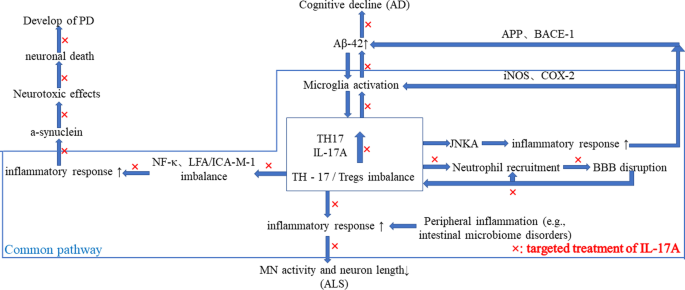
Neurodegenerative diseases are a group of disorders characterized by progressive loss of certain populations of neurons, which eventually lead to dysfunction. These diseases include Alzheimer’s disease (AD), Parkinson’s disease (PD), and amyotrophic lateral sclerosis (ALS). Immune pathway dysregulation is one of the common features of neurodegeneration. Recently, there is growing interest in the specific role of T helper Th 17 cells and Interleukin-17A (IL-17A), the most important cytokine of Th 17 cells, in the pathogenesis of the central nervous system (CNS) of neurodegenerative diseases. In the present study, we summarized current knowledge about the function of Th17/IL-17A, the physiology of Th17/IL-17A in diseases, and the contribution of Th17/IL-17A in AD, PD, and ALS. We also update the findings on IL-17A-targeting drugs as potentially immunomodulatory therapeutic agents for neurodegenerative diseases. Although the specific mechanism of Th17/IL-17A in this group of diseases is still controversial, uncovering the molecular pathways of Th17/IL-17A in neurodegeneration allows the identification of suitable targets to modulate these cellular processes. Therapeutics targeting IL-17A might represent potentially novel anti-neurodegeneration drugs.

Presymptomatic grey matter alterations in ALS kindreds: a computational neuroimaging study of asymptomatic C9orf72 and SOD1 mutation carriers
Medicine & Public Health Bede, Peter

Presymptomatic grey matter alterations in ALS kindreds: a computational neuroimaging study of asymptomatic C9orf72 and SOD1 mutation carriers

Springer mayo 2023 Esclerosis Lateral Amiotrófica

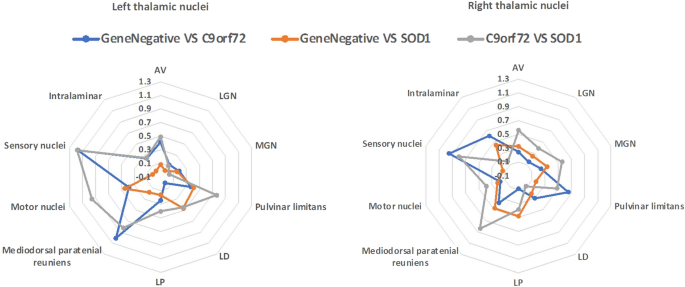
Background The characterisation of presymptomatic disease-burden patterns in asymptomatic mutation carriers has a dual academic and clinical relevance. The understanding of disease propagation mechanisms is of considerable conceptual interests, and defining the optimal time of pharmacological intervention is essential for improved clinical trial outcomes. Methods In a prospective, multimodal neuroimaging study, 22 asymptomatic C9orf72 GGGGCC hexanucleotide repeat carriers, 13 asymptomatic subjects with SOD1 , and 54 “gene-negative” ALS kindreds were enrolled. Cortical and subcortical grey matter alterations were systematically appraised using volumetric, morphometric, vertex, and cortical thickness analyses. Using a Bayesian approach, the thalamus and amygdala were further parcellated into specific nuclei and the hippocampus was segmented into anatomically defined subfields. Results Asymptomatic GGGGCC hexanucleotide repeat carriers in C9orf72 exhibited early subcortical changes with the preferential involvement of the pulvinar and mediodorsal regions of the thalamus, as well as the lateral aspect of the hippocampus. Volumetric approaches, morphometric methods, and vertex analyses were anatomically consistent in capturing focal subcortical changes in asymptomatic C9orf72 hexanucleotide repeat expansion carriers. SOD1 mutation carriers did not exhibit significant subcortical grey matter alterations. In our study, none of the two asymptomatic cohorts exhibited cortical grey matter alterations on either cortical thickness or morphometric analyses. Discussion The presymptomatic radiological signature of C9orf72 is associated with selective thalamic and focal hippocampal degeneration which may be readily detectable before cortical grey matter changes ensue. Our findings confirm selective subcortical grey matter involvement early in the course of C9orf72 -associated neurodegeneration.

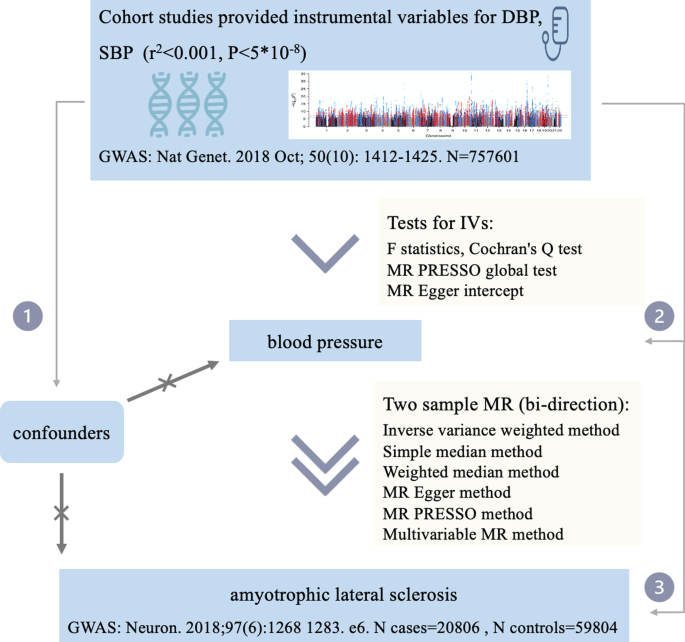
Assessment of bidirectional relationships between 98 genera of the human gut microbiota and amyotrophic lateral sclerosis: a 2-sample Mendelian randomization study
Medicine & Public Health Zhang, Linjing

Assessment of bidirectional relationships between 98 genera of the human gut microbiota and amyotrophic lateral sclerosis: a 2-sample Mendelian randomization study

BioMed Central enero 2022 Esclerosis Lateral Amiotrófica

Background Growing evidence suggests a mutual interaction between gut microbiome alterations and ALS pathogenesis. However, previous studies were susceptible to potential confounding factors and reverse causation bias, likely leading to inconsistent and biased results. Objectives To decipher the potentially mutual relationship between gut microbiota and ALS, we used a bidirectional two-sample MR approach to examine the associations between the gut microbiome and ALS. Results Using the inverse variance-weighted method, OTU10032 unclassified Enterobacteriaceae species-level OTU and unclassified Acidaminococcaceae were associated with a higher risk of ALS (per relative abundance: OR, 1.04; 95% CI, 1.01–1.07; P  = 0.011 and OR, 1.02; 95% CI, 1.01–1.04; P  = 0.009, respectively). Importantly, Gamma-Glu-Phe was showed potential deleterious effects on the risk of ALS (genetically predicted per a 1-standard deviation increase in the level of Gamma-Glu-Phe: OR, 1.96; 95% CI, 1.50–2.55; P  = 0.012). Sensitivity analysis of the two candidate genera and metabolites using the MR-Egger and weighted-median methods produced similar estimates, and no horizontal pleiotropy or outliers were observed. Intriguingly, genetically predicted ALS was associated with an increase in the relative abundance of OTU4607_Sutterella (per 1-unit higher log odds: β, 2.23; 95% CI, 1.27–3.18; P  = 0.020) and Lactobacillales_ORDER (per 1-unit higher log odds: β, 0.51; 95% CI, 0.09–0.94; P  = 0.019). Conclusions Our findings provide novel evidence supporting the bidirectional relationship between the gut microbiota and ALS. These results may contribute to designing microbiome- and microbiome-dependent metabolite interventions in future ALS clinical trials.

Blood-based biomarkers of inflammation in amyotrophic lateral sclerosis
Biomedicine Staats, Kim A.

Blood-based biomarkers of inflammation in amyotrophic lateral sclerosis

BioMed Central enero 2022 Esclerosis Lateral Amiotrófica

Amyotrophic Lateral Sclerosis (ALS) is a devastating neurodegenerative disease in which many processes are detected including (neuro)inflammation. Many drugs have been tested for ALS in clinical trials but most have failed to reach their primary endpoints. The development and inclusion of different types of biomarkers in diagnosis and clinical trials can assist in determining target engagement of a drug, in distinguishing between ALS and other diseases, and in predicting disease progression rate, drug responsiveness, or an adverse event. Ideally, among other characteristics, a biomarker in ALS correlates highly with a disease process in the central nervous system or with disease progression and is conveniently obtained in a peripheral tissue. Here, we describe the state of biomarkers of inflammation in ALS by focusing on peripherally detectable and cellular responses from blood cells, and provide new (combinatorial) directions for exploration that are now feasible due to technological advancements.

Real-time ultrasound-guided sacral plexus block combined with mild sedation for hemorrhoidectomy and hemorrhoidal artery ligation in a patient with amyotrophic lateral sclerosis: a case report
Medicine & Public Health Li, Yan

Real-time ultrasound-guided sacral plexus block combined with mild sedation for hemorrhoidectomy and hemorrhoidal artery ligation in a patient with amyotrophic lateral sclerosis: a case report

BioMed Central abril 2024 Esclerosis Lateral Amiotrófica

Background Patients with amyotrophic lateral sclerosis present perioperative challenges for clinical anesthesiologists for anesthesia-associated complications. Case presentation A 54-year-old Han woman with a 2-year history of amyotrophic lateral sclerosis was scheduled for hemorrhoidectomy and hemorrhoidal artery ligation. We performed real-time ultrasound-guided sacral plexus block with dexmedetomidine under standard monitoring. The anesthesia method met the surgical demands and avoided respiratory complications during the procedures. There was no neurological deterioration after the surgery and 3 months after, the patient was discharged. Conclusions Real-time ultrasound-guided sacral plexus block combined with mild sedation may be an effective and safe technique in patients with amyotrophic lateral sclerosis undergoing hemorrhoidectomy and hemorrhoidal artery ligation.

Non-motor symptoms in patients with amyotrophic lateral sclerosis: current state and future directions
Medicine & Public Health Bjelica, Bogdan

Non-motor symptoms in patients with amyotrophic lateral sclerosis: current state and future directions

Springer mayo 2024 Esclerosis Lateral Amiotrófica

Amyotrophic lateral sclerosis (ALS) is a fatal neurodegenerative disease characterized by the progressive degeneration of both upper and lower motor neurons. A defining histopathological feature in approximately 97% of all ALS cases is the accumulation of phosphorylated trans-activation response (TAR) DNA-binding protein 43 protein (pTDP-43) aggregates in the cytoplasm of neurons and glial cells within the central nervous system. Traditionally, it was believed that the accumulation of TDP-43 aggregates and subsequent neurodegeneration primarily occurs in motor neurons. However, contemporary evidence suggests that as the disease progresses, other systems and brain regions are also affected. Despite this, there has been a limited number of clinical studies assessing the non-motor symptoms in ALS patients. These studies often employ various outcome measures, resulting in a wide range of reported frequencies of non-motor symptoms in ALS patients. The importance of assessing the non-motor symptoms reflects in a fact that they have a significant impact on patients’ quality of life, yet they frequently go underdiagnosed and unreported during clinical evaluations. This review aims to provide an up-to-date overview of the current knowledge concerning non-motor symptoms in ALS. Furthermore, we address their diagnosis and treatment in everyday clinical practice.

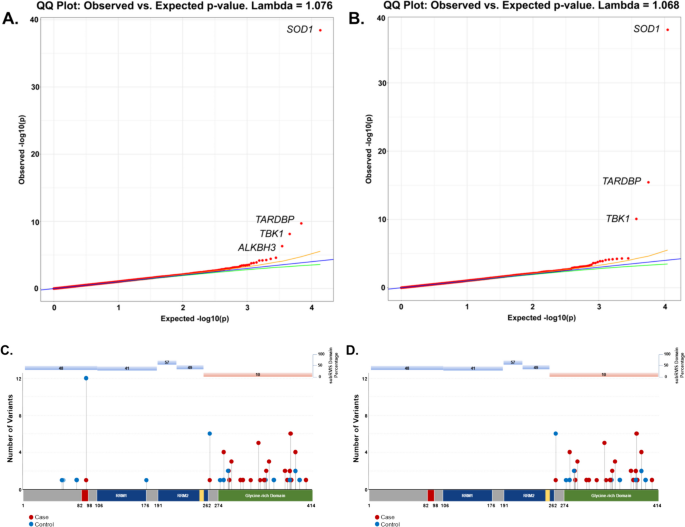
FUS mutations dominate TBK1 mutations in FUS/TBK1 double-mutant ALS/FTD pedigrees
Medicine & Public Health Brenner, David

FUS mutations dominate TBK1 mutations in FUS/TBK1 double-mutant ALS/FTD pedigrees

Springer enero 2022 Esclerosis Lateral Amiotrófica

Mutations in FUS and TBK1 often cause aggressive early-onset amyotrophic lateral sclerosis (ALS) or a late-onset ALS and/or frontotemporal dementia (FTD) phenotype, respectively. Co-occurrence of mutations in two or more Mendelian ALS/FTD genes has been repeatedly reported. However, little is known how two pathogenic ALS/FTD mutations in the same patient interact to shape the final phenotype. We screened 28 ALS patients with a known FUS mutation by whole-exome sequencing and targeted evaluation for mutations in other known ALS genes followed by genotype–phenotype correlation analysis of FUS/TBK1 double-mutant patients. We report on new and summarize previously published FUS and TBK1 double-mutant ALS/FTD patients and their families. We found that, within a family, mutations in FUS cause ALS while TBK1 single mutations are observed in FTD patients. FUS/TBK1 double mutations manifested as ALS and without a manifest difference regarding age at onset and disease duration when compared to FUS single-mutant individuals. In conclusion, TBK1 and FUS variants do not seem to interact in a simple additive way. Rather, the phenotype of FUS/TBK1 double-mutant patients appears to be dominated by the FUS mutation.

Sequential alterations in diffusion metrics as correlates of disease severity in amyotrophic lateral sclerosis
Medicine & Public Health Müller, Hans-Peter

Sequential alterations in diffusion metrics as correlates of disease severity in amyotrophic lateral sclerosis

Springer febrero 2023 Esclerosis Lateral Amiotrófica

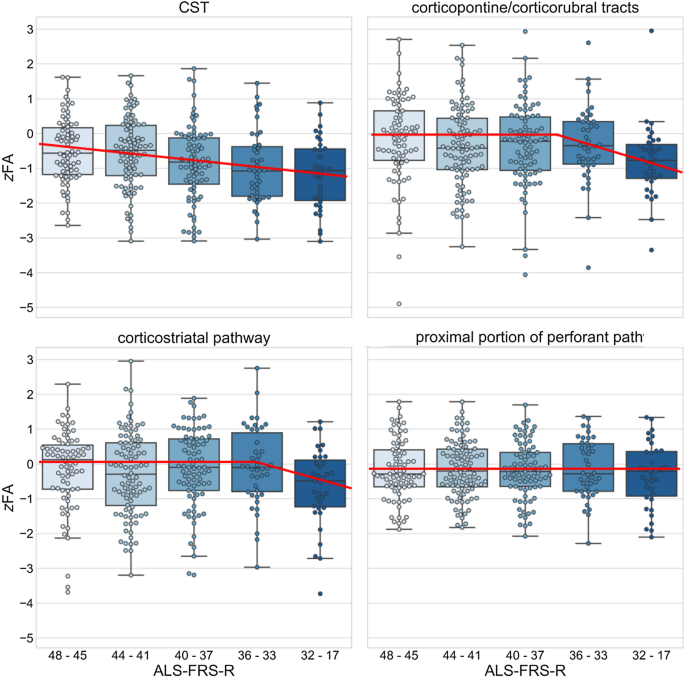
Background and objective The neuropathology of amyotrophic lateral sclerosis (ALS) follows a regional distribution pattern in the brain with four stages. Using diffusion tensor imaging (DTI), this pattern can be translated into a tract-based staging scheme to assess cerebral progression in vivo. This study investigates the association between the sequential alteration pattern and disease severity in patients with ALS. Methods DTI data of 325 patients with ALS and 130 healthy controls were analyzed in a tract of interest (TOI)-based approach. Patients were categorized according to their ALS-FRS-R scores into groups with declining functionality. The fractional anisotropy (FA) values in the tracts associated with neuropathological stages were group-wise compared with healthy controls. Results The FA in the tracts associated with ALS stages showed a decrease which could be related to the disease severity stratification, i.e., at the group level, the lower the ALS-FRS-R of the categorized patient group, the higher was the effect size of the stage-related tract. In the patient group with the highest ALS-FRS-R, Cohen’s d showed a medium effect size in the corticospinal tract and small effect sizes in the other stage-related tracts. Overall, the lower the ALS-FRS-R of the categorized patient group the higher was the effect size of the comparison with healthy controls. Conclusion The progression of white matter alterations across tracts according to the model of sequential tract involvement is associated with clinical disease severity in patients with ALS, suggesting the use of staging-based DTI as a technical marker for disease progression.

The value of routine blood work-up in clinical stratification and prognosis of patients with amyotrophic lateral sclerosis
Medicine & Public Health Gentile, Francesco

The value of routine blood work-up in clinical stratification and prognosis of patients with amyotrophic lateral sclerosis

Springer octubre 2023 Esclerosis Lateral Amiotrófica

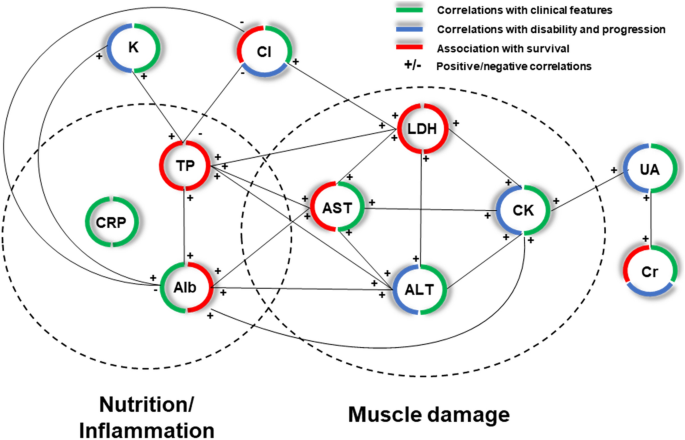
Background There is an unmet need in amyotrophic lateral sclerosis (ALS) to provide specific biomarkers for the disease. Due to their easy availability, we aimed to investigate whether routine blood parameters provide useful clues for phenotypic classification and disease prognosis. Methods We analyzed a large inpatient cohort of 836 ALS patients who underwent deep phenotyping with evaluation of the clinical and neurophysiological burden of upper (UMN) and lower (LMN) motor neuron signs. Disability and progression rate were measured through the revised ALS Functional Rating Scale (ALSFRS-R) and its changes during time. Cox regression analysis was performed to assess survival associations. Results Creatinine significantly correlated with LMN damage ( r  = 0.38), active ( r  = 0.18) and chronic ( r  = 0.24) denervation and baseline ALSFRS-R ( r  = 0.33). Creatine kinase (CK), alanine (ALT) and aspartate (AST) transaminases correlated with active ( r  = 0.35, r  = 0.27, r  = 0.24) and chronic ( r  = 0.37, r  = 0.20, r  = 0.19) denervation, while albumin and C-reactive protein significantly correlated with LMN score ( r  = 0.20 and r  = 0.17). Disease progression rate showed correlations with chloride ( r  = −0.19) and potassium levels ( r  = −0.16). After adjustment for known prognostic factors, total protein [HR 0.70 (95% CI 0.57–0.86)], creatinine [HR 0.86 (95% CI 0.81–0.92)], chloride [HR 0.95 (95% CI 0.92–0.99)], lactate dehydrogenase [HR 0.99 (95% CI 0.99–0.99)], and AST [HR 1.02 (95% CI 1.01–1.02)] were independently associated with survival. Conclusions Creatinine is a reliable biomarker for ALS, associated with clinical features, disability and survival. Markers of nutrition/inflammation may offer additional prognostic information and partially correlate with clinical features. AST and chloride could further assist in predicting progression rate and survival.

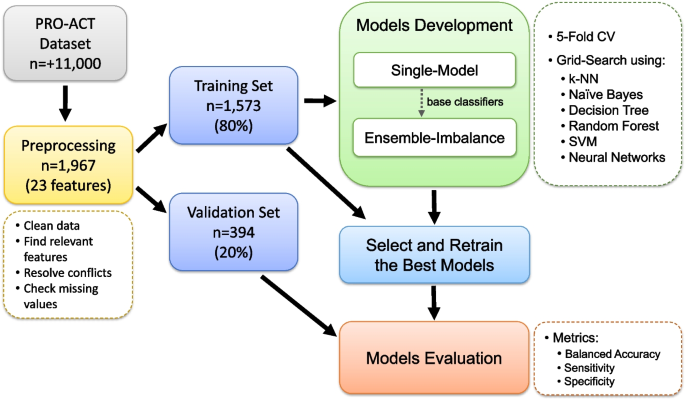
Ensemble-imbalance-based classification for amyotrophic lateral sclerosis prognostic prediction: identifying short-survival patients at diagnosis
Medicine & Public Health Papaiz, Fabiano

Ensemble-imbalance-based classification for amyotrophic lateral sclerosis prognostic prediction: identifying short-survival patients at diagnosis

BioMed Central marzo 2024 Esclerosis Lateral Amiotrófica

Prognosticating Amyotrophic Lateral Sclerosis (ALS) presents a formidable challenge due to patients exhibiting different onset sites, progression rates, and survival times. In this study, we have developed and evaluated Machine Learning (ML) algorithms that integrate Ensemble and Imbalance Learning techniques to classify patients into Short and Non-Short survival groups based on data collected during diagnosis. We aimed to identify individuals at high risk of mortality within 24 months of symptom onset through analysis of patient data commonly encountered in daily clinical practice. Our Ensemble-Imbalance approach underwent evaluation employing six ML algorithms as base classifiers. Remarkably, our results outperformed those of individual algorithms, achieving a Balanced Accuracy of 88% and a Sensitivity of 96%. Additionally, we used the Shapley Additive Explanations framework to elucidate the decision-making process of the top-performing model, pinpointing the most important features and their correlations with the target prediction. Furthermore, we presented helpful tools to visualize and compare patient similarities, offering valuable insights. Confirming the obtained results, our approach could aid physicians in devising personalized treatment plans at the time of diagnosis or serve as an inclusion/exclusion criterion in clinical trials.

Quality of life and depression in patients with amyotrophic lateral sclerosis – does the country of origin matter?
Medicine & Public Health Ciećwierska, Katarzyna

Quality of life and depression in patients with amyotrophic lateral sclerosis – does the country of origin matter?

BioMed Central junio 2023 Esclerosis Lateral Amiotrófica

Background Given the inevitable relentless progressing nature of amyotrophic lateral sclerosis (ALS), it is essential to identify factors influencing patients’ wellbeing. The study aimed to prospectively assess factors influencing the quality of life (QoL) and depression in ALS patients compared to healthy controls (HCs) from Poland, Germany and Sweden and their relationship to socio-demographic and clinical factors. Methods 314 ALS patients (120 from Poland, 140 from Germany, 54 from Sweden) and 311 age-, sex- and education-level-matched HCs underwent standardized interviews for quality of life, depression, functional status and pain. Results Patients from all three countries showed similar levels of functional impairment (ALSFRS-R). Overall, ALS patients assessed their quality of life as lower compared to HCs (p < 0.001 for the anamnestic comparative self-assessment (ACSA), p = 0.002 for the Schedule for the evaluation of the subjective quality of life - SEIQoL- direct weighting (SEIQoL-DW). Also, the German and Swedish patients, but not the Polish, reported higher depression levels than the corresponding HCs (p < 0.001). Analysis of ALS groups revealed that functional impairment was related to a lower quality of life (ACSA) and higher depression levels among German ALS patients. Longer time since diagnosis predicted lower depression and (in male subjects) higher quality of life. Conclusions ALS patients assess their quality of life and mood lower than healthy individuals within the studied countries. The relationships between clinical and demographic factors are moderated by country of provenance, which bears implications for the design and interpretation of scientific and clinical studies, which should reflect the complexity and heterogeneity of mechanisms determining QoL.

Reasons and experience for patients with amyotrophic lateral sclerosis using traditional Chinese medicine: a CARE-TCM based mixed method study
Medicine & Public Health Jia, Qiuyang

Reasons and experience for patients with amyotrophic lateral sclerosis using traditional Chinese medicine: a CARE-TCM based mixed method study

BioMed Central junio 2024 Esclerosis Lateral Amiotrófica

Background and aim Traditional Chinese medicine (TCM) is widely used by patients with amyotrophic lateral sclerosis (ALS). However, their reasons and experience in using TCM have received insufficient attention. Therefore, we conducted a mixed method study to gain insights into this issue. Materials and methods This study was conducted on the basis of the China Amyotrophic Lateral Sclerosis Registry of Patients with Traditional Chinese Medicine (CARE-TCM). Data were collected from Dongzhimen Hospital through a mixed method approach, including a questionnaire and a semi-structured interview. Patients with ALS who were using TCM when they were initially registered with CARE-TCM and who had been followed-up for over six months were recruited. The questionnaires’ outcomes were statistically outlined, and the interview transcripts were thematically analysed to identify themes and sub-themes. Results Fifty-two and sixteen patients were included in the questionnaire and semi-structured interview groups, respectively. Patients used TCM with the hope of regulating their body holistically to improve nonmotor symptoms and quality of life (QOL). Those who recognised TCM as ineffective tended to discontinue it after a three-month trial period. Although quality was a major concern, herbal medicine (HM) was the most frequently used modality among all participants ( n  = 52), with the majority ( n  = 44, 84.6%) continuing to use it. Patients emphasised in-person consultations as a crucial part of TCM treatment. However, the disability caused by disease often made this interaction unattainable. Conclusion Nonmotor symptoms and QOL hold substantial importance for patients with ALS using TCM. HM is a more suitable modality than other TCM treatment modalities, but patients are facing challenges in seeking HM treatment. It is necessary to promote the implementation of hierarchical diagnosis and treatment, thus making TCM more accessible. Trial registration ClinicalTrials.gov identifier: NCT04885374 (registered on May 13, 2021).

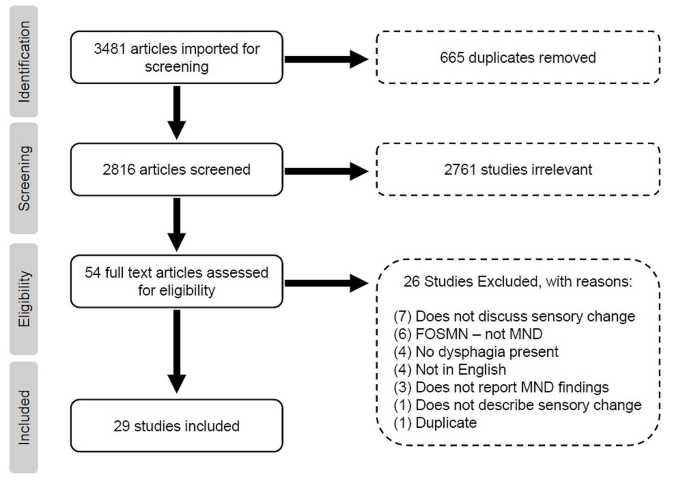
Sensory Changes Related to Swallowing in Motor Neurone Disease
Medicine & Public Health Paterson, Megan

Sensory Changes Related to Swallowing in Motor Neurone Disease

Springer agosto 2024 Esclerosis Lateral Amiotrófica

Dysphagia is common in motor neurone disease (MND) and associated with negative health and psychosocial outcomes. Although largely considered a motor disease, a growing body of evidence suggests that MND can also affect the sensory system. As intact sensation is vital for safe swallowing, and sensory changes can influence the clinical management of dysphagia in people living with MND, this review evaluated and summarised the current evidence for sensory changes related to swallowing in MND. Of 3,481 articles originally identified, 29 met the inclusion criteria. Of these, 20 studies reported sensory changes, which included laryngeal sensation, taste, gag reflex, cough reflex, tongue sensation, smell, palatal and pharyngeal sensation, silent aspiration, and undefined sensation of the swallowing mechanism. Sensory changes were either described as decreased ( n  = 16) or heightened ( n  = 4). In the remaining nine studies, sensory function was reported as unaffected. The presence of changes to sensory function related to swallowing in MND remains inconclusive, although an increasing number of studies report sensory changes in some sensory domains. Future research is needed to evaluate the prevalence of sensory changes in MND and how such changes may influence dysphagia and its management.

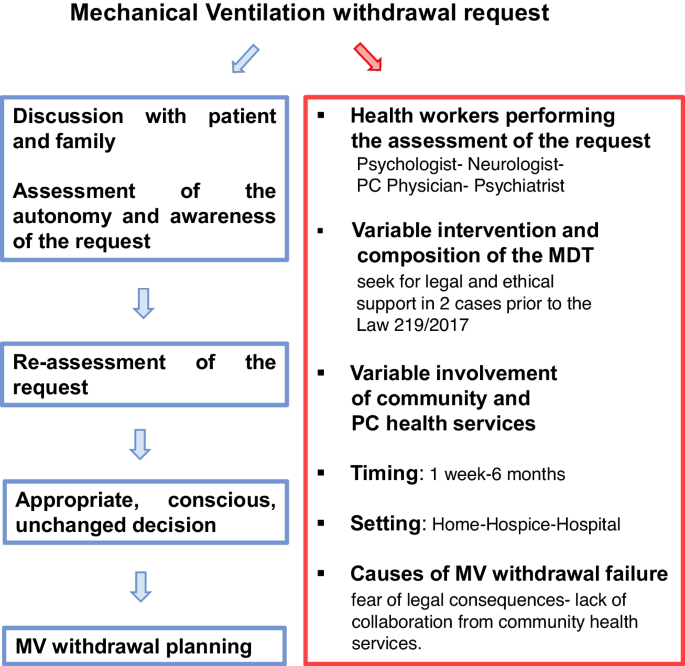
Withdrawal of mechanical ventilation in amyotrophic lateral sclerosis patients: a multicenter Italian survey
Medicine & Public Health Moglia, Cristina

Withdrawal of mechanical ventilation in amyotrophic lateral sclerosis patients: a multicenter Italian survey

Springer julio 2023 Esclerosis Lateral Amiotrófica

Background Law 219/2017 was approved in Italy in December 2017, after a years-long debate on the autonomy of healthcare choices. This Law, for the first time in Italian legislation, guarantees the patient’s right to request for withdrawal of life-sustaining treatments, including mechanical ventilation (MV). Objective To investigate the current status of MV withdrawal in amyotrophic lateral sclerosis (ALS) patients in Italy and to assess the impact of Law 219/2017 on this practice. Methods We conducted a Web-based survey, addressed to Italian neurologists with expertise in ALS care, and members of the Motor Neuron Disease Study Group of the Italian Society of Neurology. Results Out of 40 ALS Italian centers, 34 (85.0%) responded to the survey. Law 219/2017 was followed by an increasing trend in MV withdrawals, and a significant increase of neurologists involved in this procedure ( p 0.004). However, variations across Italian ALS centers were observed, regarding the inconsistent involvement of community health services and palliative care (PC) services, and the intervention and composition of the multidisciplinary team. Conclusions Law 219/2017 has had a positive impact on the practice of MV withdrawal in ALS patients in Italy. The recent growing public attention on end-of-life care choices, along with the cultural and social changes in Italy, requires further regulatory frameworks that strengthen tools for self-determination, increased investment of resources in community and PC health services, and practical recommendations and guidelines for health workers involved.

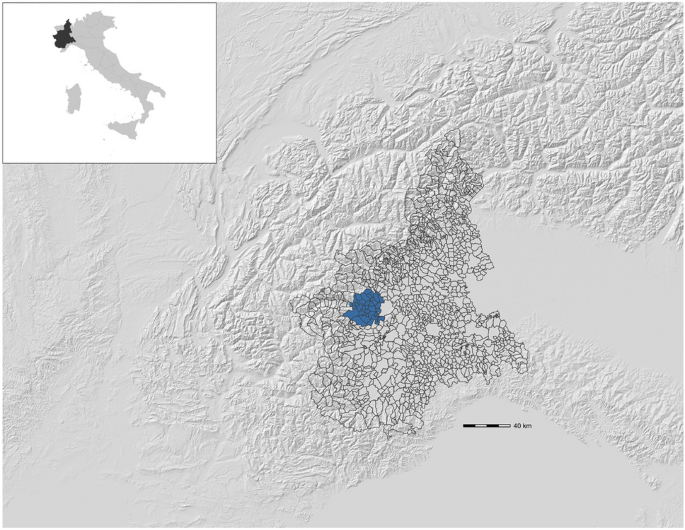
Presymptomatic geographical distribution of ALS patients suggests the involvement of environmental factors in the disease pathogenesis
Medicine & Public Health Vasta, Rosario

Presymptomatic geographical distribution of ALS patients suggests the involvement of environmental factors in the disease pathogenesis

Springer julio 2023 Esclerosis Lateral Amiotrófica

Background Given that the pathogenetic process of ALS begins many years prior to its clinical onset, examining patients’ residential histories may offer insights on the disease risk factors. Here, we analyzed the spatial distribution of a large ALS cohort in the 50 years preceding the disease onset. Methods Data from the PARALS register were used. A spatial cluster analysis was performed at the time of disease onset and at 1-year intervals up to 50 years prior to that. Results A total of 1124 patients were included. The analysis revealed a higher-incidence cluster in a large area (435,000 inhabitants) west of Turin. From 9 to 2 years before their onset, 105 cases were expected and 150 were observed, resulting in a relative risk of 1.49 ( P  = 0.04). We also found a surprising high number of patients pairs (51) and trios (3) who lived in the same dwelling while not being related. Noticeably, these occurrences were not observed in large dwellings as we would have expected. The probability of this occurring in smaller buildings only by chance was very low ( P  = 0.01 and P  = 0.04 for pairs and trios, respectively). Conclusions We identified a higher-incidence ALS cluster in the years preceding the disease onset. The cluster area being densely populated, many exposures could have contributed to the high incidence ALS cluster, while we could not find a shared exposure among the dwellings where multiple patients had lived. However, these findings support that exogenous factors are likely involved in the ALS pathogenesis.

Association of blood lipids with onset and prognosis of amyotrophic lateral sclerosis: results from the ALS Swabia registry
Medicine & Public Health Michels, Sebastian

Association of blood lipids with onset and prognosis of amyotrophic lateral sclerosis: results from the ALS Swabia registry

Springer febrero 2023 Esclerosis Lateral Amiotrófica

Background To date, the role of blood lipid levels and their association with the onset and prognosis of ALS is controversial. We explored these associations in a large, population-based case–control study. Methods Between October 2010 and June 2014, 336 ALS patients (mean age 65.7 ± 10.7; 57.7% male) and 487 sex- and age-matched controls from the same geographic region were recruited within the ALS registry in Southwest Germany. Triglycerides and cholesterol (high-density lipoprotein (HDL), low-density lipoprotein (LDL), total) were measured. The ALS cohort was followed up for vital status. Conditional logistic regression models were applied to calculate odds ratio (OR) for risk of ALS associated with serum lipid concentrations. In ALS patients only, survival models were used to appraise the prognostic value. Results High concentration of total cholesterol (OR 1.60, 95% confidence interval (CI) 1.03–2.49, top vs. bottom quartile), but not HDL, LDL, LDL–HDL ratio, or triglycerides, was positively associated with the risk of ALS. During the median follow-up time of 88.9 months, 291 deaths occurred among 336 ALS patients. In the adjusted survival analysis, higher HDL (HR 1.72, 95% CI 1.19–2.50) and LDL cholesterol levels (HR 1.58, 95% CI 1.11–2.26) were associated with higher mortality in ALS patients. In contrast, higher triglyceride levels were associated with lower mortality (HR 0.68, 95% CI 0.48–0.96). Conclusion The results highlight the importance to distinguish cholesterol from triglycerides when considering the prognostic role of lipid metabolism in ALS. It further strengthens the rationale for a triglyceride-rich diet, while the negative impact of cholesterol must be further explored.

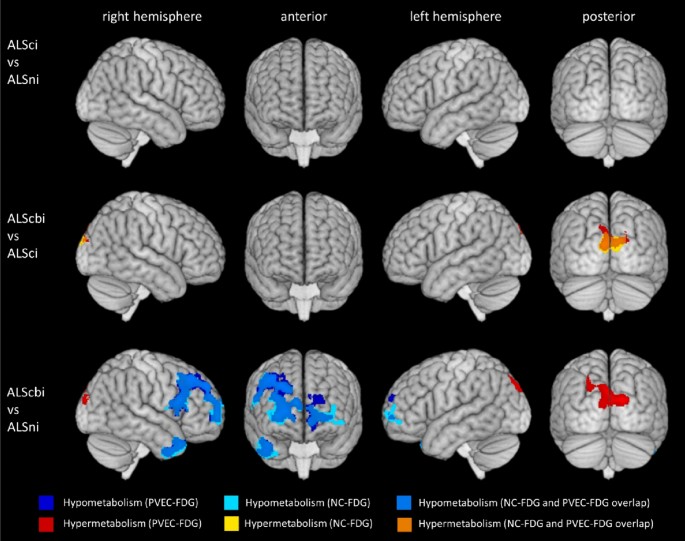
Cerebral glucose metabolic correlates of cognitive and behavioural impairments in amyotrophic lateral sclerosis
Medicine & Public Health Lehto, Annaliis

Cerebral glucose metabolic correlates of cognitive and behavioural impairments in amyotrophic lateral sclerosis

Springer junio 2024 Esclerosis Lateral Amiotrófica

Objective Half of ALS patients are cognitively and/or behaviourally impaired. As cognition/behaviour and cerebral glucose metabolism can be correlated by means of ^18F-Fluorodeoxyglucose positron emission tomography (FDG-PET), we aimed to utilise FDG-PET, first, to replicate group-level differences in glucose metabolism between non-demented ALS patients separated into non-impaired (ALSni), cognitively impaired (ALSci), behaviourally impaired (ALSbi), and cognitively and behaviourally impaired (ALScbi) groups; second, to investigate glucose metabolism and performance in various cognitive domains; and third, to examine the impact of partial volume effects correction (PVEC) of the FDG-PET data on the results. Methods We analysed neuropsychological, clinical, and imaging data from 67 ALS patients (30 ALSni, 21 ALSci, 5 ALSbi, and 11 ALScbi). Cognition was assessed with the Edinburgh Cognitive and Behavioural ALS Screen, and two social cognition tests. FDG-PET and structural MRI scans were acquired for each patient. Voxel-based statistical analyses were undertaken on grey matter volume (GMV) and non-corrected vs. PVE-corrected FDG-PET scans. Results ALSci and ALScbi had lower cognitive scores than ALSni. In contrast to both ALSni and ALSci, ALScbi showed widespread hypometabolism in the superior- and middle-frontal gyri in addition to the right temporal pole. Correlations were observed between the GMV, the FDG-PET signal, and various cognitive scores. The FDG-PET results were largely unaffected by PVEC. Interpretation Our study identified widespread differences in hypometabolism in the ALScbi-ni but not in the ALSci-ni group comparison, raising the possibility that cerebral metabolism may be more closely related to the presence of behavioural changes than to mild cognitive deficits.

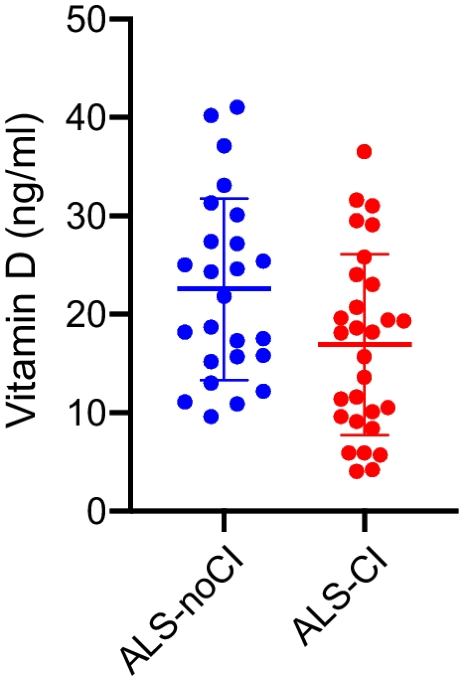
Potential role of vitamin D levels in amyotrophic lateral sclerosis cognitive impairment
Medicine & Public Health De Marchi, Fabiola

Potential role of vitamin D levels in amyotrophic lateral sclerosis cognitive impairment

Springer marzo 2023 Esclerosis Lateral Amiotrófica

Cognitive impairment (CI) is common in amyotrophic lateral sclerosis (ALS): a keystone is identifying factors that could potentially modify the CI course. In recent years, vitamin D is becoming a potential modificatory factor for CI in many neurological disorders. This study aimed to highlight if vitamin D deficiency correlated with CI and clinical features in a cohort of ALS patients. We included 55 ALS patients with a neuropsychological evaluation (classified with the Strong Criteria) and a vitamin D dosage at the diagnosis. We also reviewed medical records and completed data for medical history, physical and neurological examination, and functional scales. At the diagnosis, 30 patients (54%) had CI. Most patients (82%) displayed low vitamin D levels (19.87 ± 9.80 ng/ml). Comparing the vitamin D level between patients with and without CI, we observed significantly lower values in the first group (15.8 ± 8.2 vs. 22.0 ± 9.7 ng/ml, p : 0.04). In the spinal female subgroup ( n = 15), we found an inverse correlation between vitamin D and bizarreness score in the cognitive estimates test ( r = 0.58; p : 0.04) and a positive correlation with the Corrected Raven’s Standard Progressive Matrices ( r = 0.53, p : 0.04). Conversely, in the bulbar female group, we observed a correlation with the corrected direct span ( r = 0.84, p : 0.03). With the log-rank survival analysis, we found that the patients with vitamin D < 10 ng/ml had a shorter disease duration (Chi: 5.78, p : 0.02). Our results indicate that levels of vitamin D can influence the cognitive status of people living with ALS and that severe deficits might be an adverse prognostic survival factor.

Factors impacting trial participation in people with motor neuron disease
Medicine & Public Health Beswick, Emily

Factors impacting trial participation in people with motor neuron disease

Springer octubre 2023 Esclerosis Lateral Amiotrófica

Motor neuron disease (MND) is a rapidly progressive neurodegenerative disorder with limited treatment options. Historically, neurological trials have been plagued by suboptimal recruitment and high rates of attrition. The Motor Neuron Disease–Systematic Multi-Arm Randomised Adaptive Trial (MND–SMART) seeks to identify effective disease modifying drugs. This study investigates person-specific factors affecting recruitment and retention. Improved understanding of these factors may improve trial protocol design, optimise recruitment and retention. Participants with MND completed questionnaires and this was supplemented with clinical data. 12 months after completing the questionnaires we used MND–SMART recruitment data to establish if members of our cohort engaged with the trial. 120 people with MND completed questionnaires for this study. Mean age at participation was 66 (SD = 9), 14% ( n =  17) were categorised as long survivors, with 68% ( n =  81) of participants male and 60% ( n =  73) had the ALS sub-type. Of the 120 study participants, 50% ( n =  60) were randomised into MND–SMART and 78% ( n =  94) expressed interest an in participating. After the 1-year follow-up period 65% ( n =  39) of the 60 randomised participants remained in MND–SMART. Older age was significantly associated with reduced likelihood of participation (OR = 0.92, 95% CI = 0.88–0.96, p =  0.000488). The findings show that people with MND are highly motivated to engage in research, but older individuals remain significantly less likely to participate. We recommend the inclusion of studies to explore characteristics of prospective and current participants alongside trials.

Fasciculation intensity and limb dominance in amyotrophic lateral sclerosis: a muscle ultrasonographic study
Medicine & Public Health Suzuki, Yo-ichi

Fasciculation intensity and limb dominance in amyotrophic lateral sclerosis: a muscle ultrasonographic study

BioMed Central marzo 2022 Esclerosis Lateral Amiotrófica

Background and purpose Muscle ultrasonography has been increasingly recognized as a useful tool for detection of fasciculations. Separately, concordance between dominant hand and onset side has been reported in amyotrophic lateral sclerosis (ALS). The aim of this study was to reveal the distribution of fasciculations in the whole body, focusing on handedness. Methods In 106 consecutive patients with ALS, muscle ultrasonography was systematically performed in 11 muscles (the tongue, and bilateral biceps brachii, 1st dorsal interosseous [FDI], T10-paraspinalis, vastus lateralis and tibialis anterior muscles). The fasciculation intensity was scored from 0 to 3 for each muscle. Results Fasciculations were more frequently found in the limb muscles than the tongue and paraspinalis. Side and handedness analyses revealed that fasciculation intensity in FDI was significantly more prominent on the right (median [inter-quartile range] 2 [0 - 3]) than left (1.5 [0 - 3]; p = 0.016), and in the dominant hand (2 [1 - 3]) than non-dominant side (1.5 [0 - 3]; p = 0.025). The differences were greater in patients with upper limb onset. There were no side differences in the lower limb muscles. Multivariate analyses showed that male patients had more frequent fasciculations in the dominant FDI (β = 0.22, p < 0.05). Conclusion More intensive fasciculations are present in the FDI in the dominant hand and gender might be associated with fasciculation intensities. This distribution pattern of fasciculations might be associated with pathogenesis of ALS.

Home-monitoring of vital capacity in people with a motor neuron disease
Medicine & Public Health Helleman, Jochem

Home-monitoring of vital capacity in people with a motor neuron disease

Springer febrero 2022 Esclerosis Lateral Amiotrófica

Background Home-monitoring of spirometry has the potential to improve care for patients with a motor neuron disease (MND) by enabling early detection of respiratory dysfunction and reducing travel burden. Our aim was to evaluate the validity and feasibility of home-monitoring vital capacity (VC) in patients with MND. Methods We included 33 patients with amyotrophic lateral sclerosis, progressive muscular atrophy or primary lateral sclerosis who completed a 12-week home-monitoring protocol, consisting of 4-weekly unsupervised home assessments of VC and a functional rating scale. At baseline, during a home visit, patients/caregivers were trained in performing a VC test, and the investigator performed a supervised VC test, which was repeated at final follow-up during a second home visit. Validity of the unsupervised VC tests was evaluated by the differences between supervised and unsupervised VC tests, and through Bland–Altman 95% limits-of-agreement. Feasibility was assessed by means of a survey of user-experiences. Results The 95% limits-of-agreement were [− 14.3; 11.7] %predicted VC, and 88% of unsupervised VC tests fell within 10%predicted of supervised VC. 88% of patients experienced VC testing as easy and not burdensome, however, 15% patients did not think their VC test was performed as well as in the clinic. 94% of patients would like home-monitoring of VC in MND care. Discussion Unsupervised VC testing at home, with prior face-to-face training, is a valid and time-efficient method for the remote monitoring of respiratory function, and well-accepted by patients with MND and their caregivers.

A perspective on persistent toxicants in veterans and amyotrophic lateral sclerosis: identifying exposures determining higher ALS risk
Medicine & Public Health Re, Diane B.

A perspective on persistent toxicants in veterans and amyotrophic lateral sclerosis: identifying exposures determining higher ALS risk

Springer enero 2022 Esclerosis Lateral Amiotrófica

Multiple studies indicate that United States veterans have an increased risk of developing amyotrophic lateral sclerosis (ALS) compared to civilians. However, the responsible etiological factors are unknown. In the general population, specific occupational (e.g. truck drivers, airline pilots) and environmental exposures (e.g. metals, pesticides) are associated with an increased ALS risk. As such, the increased prevalence of ALS in veterans strongly suggests that there are exposures experienced by military personnel that are disproportionate to civilians. During service, veterans may encounter numerous neurotoxic exposures (e.g. burn pits, engine exhaust, firing ranges). So far, however, there is a paucity of studies investigating environmental factors contributing to ALS in veterans and even fewer assessing their exposure using biomarkers. Herein, we discuss ALS pathogenesis in relation to a series of persistent neurotoxicants (often emitted as mixtures) including: chemical elements, nanoparticles and lipophilic toxicants such as dioxins, polycyclic aromatic hydrocarbons and polychlorinated biphenyls. We propose these toxicants should be directly measured in veteran central nervous system tissue, where they may have accumulated for decades. Specific toxicants (or mixtures thereof) may accelerate ALS development following a multistep hypothesis or act synergistically with other service-linked exposures (e.g. head trauma/concussions). Such possibilities could explain the lower age of onset observed in veterans compared to civilians. Identifying high-risk exposures within vulnerable populations is key to understanding ALS etiopathogenesis and is urgently needed to act upon modifiable risk factors for military personnel who deserve enhanced protection during their years of service, not only for their short-term, but also long-term health.

PP2A and GSK3 act as modifiers of FUS-ALS by modulating mitochondrial transport
Medicine & Public Health Tziortzouda, Paraskevi

PP2A and GSK3 act as modifiers of FUS-ALS by modulating mitochondrial transport

Springer febrero 2024 Esclerosis Lateral Amiotrófica

Amyotrophic lateral sclerosis (ALS) is a fatal neurodegenerative disease which currently lacks effective treatments. Mutations in the RNA-binding protein FUS are a common cause of familial ALS, accounting for around 4% of the cases. Understanding the mechanisms by which mutant FUS becomes toxic to neurons can provide insight into the pathogenesis of both familial and sporadic ALS. We have previously observed that overexpression of wild-type or ALS-mutant FUS in Drosophila motor neurons is toxic, which allowed us to screen for novel genetic modifiers of the disease. Using a genome-wide screening approach, we identified Protein Phosphatase 2A (PP2A) and Glycogen Synthase Kinase 3 (GSK3) as novel modifiers of FUS-ALS. Loss of function or pharmacological inhibition of either protein rescued FUS-associated lethality in Drosophila . Consistent with a conserved role in disease pathogenesis, pharmacological inhibition of both proteins rescued disease-relevant phenotypes, including mitochondrial trafficking defects and neuromuscular junction failure, in patient iPSC-derived spinal motor neurons (iPSC-sMNs). In FUS-ALS flies, mice, and human iPSC-sMNs, we observed reduced GSK3 inhibitory phosphorylation, suggesting that FUS dysfunction results in GSK3 hyperactivity. Furthermore, we found that PP2A acts upstream of GSK3, affecting its inhibitory phosphorylation. GSK3 has previously been linked to kinesin-1 hyperphosphorylation. We observed this in both flies and iPSC-sMNs, and we rescued this hyperphosphorylation by inhibiting GSK3 or PP2A. Moreover, increasing the level of kinesin-1 expression in our Drosophila model strongly rescued toxicity, confirming the relevance of kinesin-1 hyperphosphorylation. Our data provide in vivo evidence that PP2A and GSK3 are disease modifiers, and reveal an unexplored mechanistic link between PP2A, GSK3, and kinesin-1, that may be central to the pathogenesis of FUS-ALS and sporadic forms of the disease.

Assessing the role of blood pressure in amyotrophic lateral sclerosis: a Mendelian randomization study
Medicine & Public Health Xia, Kailin

Assessing the role of blood pressure in amyotrophic lateral sclerosis: a Mendelian randomization study

BioMed Central febrero 2022 Esclerosis Lateral Amiotrófica

Background Observational studies have suggested a close but controversial relationship between blood pressure (BP) and amyotrophic lateral sclerosis (ALS). It remains unclear whether this association is causal. The authors employed a bidirectional two-sample Mendelian randomization (MR) approach to evaluate the causal relationship between BP and ALS. Genetic proxies for systolic blood pressure (SBP), diastolic blood pressure (DBP), antihypertensive drugs (AHDs), ALS, and their corresponding genome-wide association study (GWAS) summary datasets were obtained from the most recent studies with the largest sample sizes. The inverse variance weighted (IVW) method was adopted as the main approach to examine the effect of BP on ALS and four other MR methods were used for sensitivity analyses. To exclude the interference between SBP and DBP, a multivariable MR approach was used. Results We found that genetically determined increased DBP was a protective factor for ALS (OR = 0.978, 95% CI 0.960–0.996, P  = 0.017) and that increased SBP was an independent risk factor for ALS (OR = 1.014, 95% CI 1.003–1.025, P  = 0.015), which is supported by sensitivity analyses. The use of calcium channel blocker (CCB) showed a causal relationship with ALS (OR = 0.985, 95% CI 0.971–1.000, P  = 0.049). No evidence was revealed that ALS caused changes in BP. Conclusions This study provides genetic support for a causal effect of BP and ALS that increased DBP has a protective effect on ALS, and increased SBP is a risk factor for ALS, which may be related to sympathetic excitability. Blood pressure management is essential in ALS, and CCB may be a promising candidate.

Rare variant analyses validate known ALS genes in a multi-ethnic population and identifies ANTXR2 as a candidate in PLS
Life Sciences Pottinger, Tess D.

Rare variant analyses validate known ALS genes in a multi-ethnic population and identifies ANTXR2 as a candidate in PLS

BioMed Central junio 2024 Esclerosis Lateral Amiotrófica

Background Amyotrophic lateral sclerosis (ALS) is a neurodegenerative disease affecting over 300,000 people worldwide. It is characterized by the progressive decline of the nervous system that leads to the weakening of muscles which impacts physical function. Approximately, 15% of individuals diagnosed with ALS have a known genetic variant that contributes to their disease. As therapies that slow or prevent symptoms continue to develop, such as antisense oligonucleotides, it is important to discover novel genes that could be targets for treatment. Additionally, as cohorts continue to grow, performing analyses in ALS subtypes, such as primary lateral sclerosis (PLS), becomes possible due to an increase in power. These analyses could highlight novel pathways in disease manifestation. Methods Building on our previous discoveries using rare variant association analyses, we conducted rare variant burden testing on a substantially larger multi-ethnic cohort of 6,970 ALS patients, 166 PLS patients, and 22,524 controls. We used intolerant domain percentiles based on sub-region Residual Variation Intolerance Score (subRVIS) that have been described previously in conjunction with gene based collapsing approaches to conduct burden testing to identify genes that associate with ALS and PLS. Results A gene based collapsing model showed significant associations with SOD1 , TARDBP , and TBK1 (OR = 19.18, p  = 3.67 × 10^–39; OR = 4.73, p  = 2 × 10^–10; OR = 2.3, p  = 7.49 × 10^–9, respectively). These genes have been previously associated with ALS. Additionally, a significant novel control enriched gene, ALKBH3 ( p  = 4.88 × 10^–7), was protective for ALS in this model. An intolerant domain-based collapsing model showed a significant improvement in identifying regions in TARDBP that associated with ALS (OR = 10.08, p  = 3.62 × 10^–16). Our PLS protein truncating variant collapsing analysis demonstrated significant case enrichment in ANTXR2 ( p  = 8.38 × 10^–6). Conclusions In a large multi-ethnic cohort of 6,970 ALS patients, collapsing analyses validated known ALS genes and identified a novel potentially protective gene, ALKBH3 . A first-ever analysis in 166 patients with PLS found a candidate association with loss-of-function mutations in ANTXR2 .

Publicaciones recientes

Cáncer

25 publicaciones científicas en el campo de Cáncer, para consultar rápidamente la literatura científica correspondiente.

What is the nature and impact of cognitive difficulties following hormonal treatments for prostate cancer?: An interpretative phenomenological analysis
Medicine & Public Health Pembroke, Lorna

What is the nature and impact of cognitive difficulties following hormonal treatments for prostate cancer?: An interpretative phenomenological analysis

Springer julio 2024 Cáncer

Objective Prostate cancer hormonal treatments (e.g. androgen deprivation therapy) yield clinical benefits. However, there is increasing evidence these treatments may adversely impact cognitive functioning. This study aimed to qualitatively characterise the nature and impact of cognitive difficulties following these treatments. Methods Prostate cancer survivors (PCS) self-reporting cognitive difficulties following hormonal treatments (via an online survey) and their partners were invited to participate in semi-structured interviews. Telephone or videoconferencing interviews were conducted, then transcribed, double-coded and analysed using the Framework Method, following the principles of Interpretative Phenomenological Analysis. Results Eleven participants (six PCS and five partners) were interviewed. PCS reported a range of cognitive difficulties, verified by their partners, including forgetfulness, “fogginess”, fatigue and slowed processing speed. For some PCS, word-finding difficulties, tangential speech and memory problems were apparent during interviews. The aetiology of the reported cognitive difficulties was unclear as it was attributed to a possible combination of cancer treatments, compounding side-effects (e.g. fatigue, sleep problems, hot flashes), exacerbation of pre-existing conditions and/or age-related changes. Cognitive difficulties were reported to have led to shifts in self-perception, interpersonal dynamics and increased emotionality. Engagement in cognitively-stimulating activities and reliance on compensatory strategies were reported to be helpful in managing some cognitive difficulties. All participants endorsed the potential benefits of neuropsychological intervention. Conclusions There are a diverse range of cognitive difficulties following hormonal treatments for prostate cancer experienced by PCS and their partners. Understanding the impact of these difficulties is important for the development of targeted neuropsychological interventions.

The Treatment Experience of Culturally and Linguistically Diverse Cancer Patients: A Scoping Review To Inform Radiotherapy Communication
Oncology Hunter, Darren

The Treatment Experience of Culturally and Linguistically Diverse Cancer Patients: A Scoping Review To Inform Radiotherapy Communication

Springer diciembre 2025 Cáncer

Effective communication is a critical aspect of cancer care delivery. Specific communication challenges exist for culturally and linguistically diverse (CALD) patients and healthcare professionals throughout cancer treatment. This literature review aimed to examine the cancer treatment experience of CALD patients. A systematic scoping review was conducted in January 2025 using the databases; OVID Medline, EMBASE, and Cochrane Central. Search parameters included cancer, cultural diversity, language, and patient experience. Adhering to PRISMA guidelines and an established PICOS framework, 47 articles were selected for review. Exclusion criteria omitted duplicates, non-English language publications, articles published prior to 2010, and those unrelated to oncology and/or CALD communities. Three overarching themes were established from the literature; (1) education & empowerment, (2) quality care provision, and (3) system-level change. Communication barriers impacted the experience of cancer care and compromised treatment outcomes. Translated resources and staff cultural awareness training were observed to be beneficial for CALD patients. There is justified need to improve communication supports and resources for CALD patients and their clinicians. However, radiotherapy (RT) specific research is required to safely implement, contextualise and validate findings – informing bespoke communication improvement opportunities within RT practice.

Resource-Adapted Approach in Cancer Care
Epidemiology Audei, Wafa

Resource-Adapted Approach in Cancer Care

Springer enero 2025 Cáncer

Childhood cancer care and outcomes differ widely from country to country due to the inequitable global distribution of medical and surgical resources, sociocultural factors, and biological tumor characteristics. Adapting treatment strategies to the local healthcare system and population is vital to achieve the largest number of children in disease remission, while minimizing the rate of treatment related mortality and complications. By 2050, the total number of new cases of childhood cancer globally is estimated to be 13.7 million, of which 6.1 million (45%) will remain undiagnosed with the current health system disparities. Survival rates for childhood cancer in North America are more than tenfold that in Eastern Africa. Without implementing effective measures to address global barriers to childhood cancer care, there will be approximately 11.1 million preventable deaths in the next 30 years, of which 84% will be in low- and middle-income countries (LMICs). Surgically amenable childhood cancers, such as central nervous system (CNS) tumors, retinoblastoma, and renal tumors, represent a large proportion of the disability-adjusted life years (DALYs) for childhood cancers. Parallel to this, an estimated 1.7 billion children and adolescents do not have access to safe, effective, and timely surgical care. In LMICs, less than 8% of children have access to surgical care, with a critical shortage of surgeons with specialist experience in pediatric cancer surgery. In addition, adjuncts such as chemotherapy, radiotherapy, immunotherapy, and comprehensive multidisciplinary children’s oncology care are often deficient in the LMIC setting. A comprehensive scale-up of interventions is required to address these global inequalities in cancer care, including raising public awareness, offering social support and financial protection to caregivers, improving access to primary care, strengthening referral services, and ensuring the availability of quality care.

Development and evaluation of imiquimod-loaded nanoemulsion-based gel for the treatment of skin cancer
Medicine & Public Health Jadhav, Shital T.

Development and evaluation of imiquimod-loaded nanoemulsion-based gel for the treatment of skin cancer

Springer julio 2024 Cáncer

Background The human skin, as the body’s largest organ, is particularly sensitive to many chemical mutagens and carcinogens encountered in daily life. Skin cancer has become a notable global health concern, partly due to increased exposure to environmental pollutants and UV rays. Various treatments are available to treat skin cancer. Imiquimod is approved for the treatment of actinic keratosis and basal cell carcinoma. The present investigation aimed to develop nanoemulsion-based gel with imiquimod (2.5% w/w) and carbopol ultrez 10 NF using a modified method to enhance the solubility, permeation, and therapeutic effectiveness of imiquimod to treat skin cancer. Combinations of rose oil and oleic acid, with Tween 20/Propylene glycol as Smix, were used in the formulation. The formulation underwent evaluation for parameters such as % drug content, in vitro drug diffusion studies, viscosity, skin irritation, in vitro cytotoxicity assay (MTT assay) and the DMBA/ croton oil skin cancer in vivo model. Results The formulation showed a minimum globule size of 118 nm, a zeta potential– 56.26 mV, a PDI of 0.378 and a drug content of 99.77%. In vitro drug release exhibited 45.00% of imiquimod release within 8 h, while approximately 34.32% release was found from the commercial cream. The imiquimod-loaded nanoemulsion-based gel showed significant cytotoxicity ( p  < 0.001) against the A431 cell line compared to Imiquad cream . The IC_50 value of the imiquimod-loaded nanoemulsion-based gel was noted to be 10.76 ± 2.54 µg/mL. In vivo results showed a significant reduction in tumor incidence (16.66%), tumor volume (140.26 ± 3.48 mm^3), tumor burden (5.50 mm^3) and tumor mass (0.66 ± 0.05 g) compared with the DMBA/croton oil carcinogen treatment control group. Histopathological finding showed the absence of keratinized pearls, epidermal hyperplasia, and acanthosis in the formulation treated group. Conclusion The results revealed that the nanoemulsion-based gel, with half the IMQ concentration of the commercial cream and incorporating Carbopol Ultrez 10NF, is a promising method for treating skin carcinogenesis. It potentially reduces dose-dependent side effects and demonstrating enhanced efficacy. Graphical abstract

Cancer systems immunology reveals myeloid—T cell interactions and B cell activation mediate response to checkpoint inhibition in metastatic breast cancer
biorxiv Gonzalez, Edgar

Cancer systems immunology reveals myeloid—T cell interactions and B cell activation mediate response to checkpoint inhibition in metastatic breast cancer

Cold Spring Harbor Laboratory junio 2025 Cáncer

Sensitization of the immune-suppressed tumor microenvironment (TME) of breast cancer by histone deacetylase inhibition shows promise, but the mechanisms of sensitization are unknown. We investigated the TME of breast-to-lung metastases by combining experimental and clinical data with theory. Knowledge-guided subclustering of single-cell RNA-sequencing data and cell circuits analysis identified 39 cell states and salient interactions, of which myeloid, T cell and B cell subpopulations were most affected by treatment. Using functional immunologic assays, we verified that inhibition of the ICAM pathway partially recapitulated treatment effects. Mathematical modeling of tumor-immune dynamics confirmed that tumor reduction required simultaneous modulation of multiple TME interactions. We found evidence that treatment affected anti-tumor antibody production. Analysis of patient biopsies via spatial proteomics corroborated preclinical findings: in responders we observed increased B cell activation, mature tertiary lymphoid structures, and increased CD8+ T cell—macrophage distances with treatment. Overall, this study provides a framework for the discovery of cell-cell interactions that govern responses in complex TMEs. STATEMENT OF SIGNIFICANCE: This study provides a framework for the discovery of cell-cell interactions that control responses in complex TMEs. We not only identify impactful tumor immunologic interactions that facilitate sensitization of the metastatic TME but also demonstrate how interdisciplinary data integration fuels cancer systems immunology to accelerate discovery of mechanisms of successful immunotherapeutic response in breast cancers and other previously unresponsive solid tumor types.

Detection of skin cancer through hybrid color features and soft voting ensemble classifier
Engineering Maiti, Ananjan

Detection of skin cancer through hybrid color features and soft voting ensemble classifier

Springer marzo 2025 Cáncer

Recent diagnostic observations have raised concerns regarding malignancy issues in untreated skin cancer. Over the last two decades, dermoscopy has led to non-invasive clinical diagnosis of cancer types, typically Melanoma, Basal Cell Carcinoma (BCC), and Squamous Cell Carcinoma (SCC). Raising concerns coupled with clinical (image) data motivated this study which focuses on a Machine Learning (ML) based approach to properly classify the skin cancer into one of the three types mentioned earlier. In this regard, the study also uses a unique image pre-processing network which cleans and processes the images prior to injection into the ML models. In this study, the image pre-processing network primarily comprises of Gaussian noise removal, blackhat operation, and Otsu segmentation. Post processing, a novel Hybrid Color Features (HCF) algorithm has been used for feature extraction in terms of texture, shape and color features. Outlier handling was done using the z-score rescaling approach. In comparison to the traditional ML approach, it had been observed that the novel soft voting ensemble classifier (SVEC) exhibited better results. The SVEC along with boosting fetched an accuracy of 95.5%, 96.3%, and 96.7% for Melanoma, BCC, and SCC skin cancers, respectively. Peer comparison with prior ML initiatives further confirmed the novelty of the SVEC approach.

Towards Global AI-Driven Cervical Cancer Screening
Computer Science Tran, Thuy Nuong

Towards Global AI-Driven Cervical Cancer Screening

arXiv junio 2026 Cáncer

The global elimination of cervical cancer is a key public health goal set by the World Health Organization (WHO), with screening programs reducing mortality by up to 80%. However, access to experts and biopsy services is limited in low- to middle-income countries (LMICs). Deep learning (DL)-based algorithms offer promising support for screening, but most existing approaches have been developed and validated on private datasets from single countries. We present the first DL-based approach to cervical cancer screening validated on data from multiple countries. Technically, we phrase the problem of detecting and classifying lesions in colposcopy images as a multi-task learning problem, in which we simultaneously perform image-level classification and lesion segmentation. Our model was trained on a private data set of acid stain colposcopy images with manually generated lesion segmentation masks and corresponding histopathological results, employing extensive data augmentation to address image variability. In an in-distribution validation with pathology results serving as ground truth, our algorithm outperformed medical experts (Balanced Accuracy: 0.68 vs 0.64) in CIN1- (Cervical intraepithelial neoplasia grade 1 or lower) versus CIN2+ (grade 2 or higher) classification. External validation on four colposcopy data sets from four countries featuring radical differences in prevalence and patient characteristics yielded superior performance of our method compared to baseline methods. Performance variability across countries was high with AUC values ranging from 0.54 - 0.80. Overall, algorithm performance varied with age, transformation zone (cervical area most prone to lesion development), presence of comorbidities and pathognomonic signs, with comorbidities having by far the largest negative effect. Future work should focus on improving model robustness and generalizability. ;20 pages, 9 figures

Dynamic Hypergraph Representation for Bone Metastasis Cancer Analysis
Computer Science Chen, Yuxuan

Dynamic Hypergraph Representation for Bone Metastasis Cancer Analysis

arXiv enero 2025 Cáncer

Bone metastasis analysis is a significant challenge in pathology and plays a critical role in determining patient quality of life and treatment strategies. The microenvironment and specific tissue structures are essential for pathologists to predict the primary bone cancer origins and primary bone cancer subtyping. By digitizing bone tissue sections into whole slide images (WSIs) and leveraging deep learning to model slide embeddings, this analysis can be enhanced. However, tumor metastasis involves complex multivariate interactions with diverse bone tissue structures, which traditional WSI analysis methods such as multiple instance learning (MIL) fail to capture. Moreover, graph neural networks (GNNs), limited to modeling pairwise relationships, are hard to represent high-order biological associations. To address these challenges, we propose a dynamic hypergraph neural network (DyHG) that overcomes the edge construction limitations of traditional graph representations by connecting multiple nodes via hyperedges. A low-rank strategy is used to reduce the complexity of parameters in learning hypergraph structures, while a Gumbel-Softmax-based sampling strategy optimizes the patch distribution across hyperedges. An MIL aggregator is then used to derive a graph-level embedding for comprehensive WSI analysis. To evaluate the effectiveness of DyHG, we construct two large-scale datasets for primary bone cancer origins and subtyping classification based on real-world bone metastasis scenarios. Extensive experiments demonstrate that DyHG significantly outperforms state-of-the-art (SOTA) baselines, showcasing its ability to model complex biological interactions and improve the accuracy of bone metastasis analysis. ;Comment: 12 pages,11 figures

Unraveling the
Anticancer Potential of SSRIs in Prostate
Cancer by Combining Computational Systems Biology and In Vitro Analyses
ACS Omega Bardaweel, Sanaa K.

Unraveling the Anticancer Potential of SSRIs in Prostate Cancer by Combining Computational Systems Biology and In Vitro Analyses

American Chemical Society abril 2025 Cáncer

[Image: see text] Selective serotonin reuptake inhibitors (SSRIs) are known to have anticancer activity against different types of cancer. In this study, an integrative informatics approach was applied to identify compound and genetic perturbations that produce similar effects to SSRIs to formulate systems biology hypotheses and identify biological pathways involved in the putative anticancer effects of SSRIs in prostate cancer. An 3-(4,5-dimethylthiazol-2-yl)-2,5-diphenyltetrazolium bromide (MTT) assay assessed the antiproliferative effects of SSRIs and drug combinations. Cell death mechanisms were studied using annexin V-FITC/PI staining, and the cell cycle analysis was carried out by counterstaining with propidium iodide. Relative gene expression was assessed using a real-time polymerase chain reaction (PCR). Computational results hypothesized that SSRIs could potentially exert anticancer effects in prostate cancer cell lines by modulating apoptotic and tumorigenesis pathways and significantly inhibiting the growth of prostate cancer cells in a time and concentration-dependent manner. The combination of SSRIs with cisplatin, 5-fluorouracil, and raloxifene resulted in either synergistic or additive effects. SSRIs resulted in a significant increase in the early and late apoptotic activity in PC3 cells. Dapoxetine, paroxetine, and sertraline resulted in cell cycle arrest at the G0/G1 phase. Treatment with either dapoxetine or paroxetine decreases the expression of Bcl-2, CASP8, DR5, and VEGF. At the same time, sertraline decreases the expression of Bcl-2 and VEGF and increases the expression of CASP8 and DR5. Results revealed that SSRIs can potentially act as antiproliferative agents against prostate cancer cells, and their activity is mediated through different signaling pathways.

RIG-I-dependent tumor-intrinsic type I interferon signaling restricts growth in breast cancer 3D culture
biorxiv Liu, Katherine

RIG-I-dependent tumor-intrinsic type I interferon signaling restricts growth in breast cancer 3D culture

Cold Spring Harbor Laboratory agosto 2025 Cáncer

Discovery of key growth drivers that can be targeted for therapy is a central goal in cancer research. While high-throughput CRISPR screens have revolutionized our ability to identify gene dependencies in cancer, most large-scale screens are conducted in two-dimensional (2D) culture systems that fail to recapitulate tumor organization and behavior. To uncover architecture-dependent vulnerabilities in breast cancer, we performed parallel CRISPR interference (CRISPRi) screens in 2D and three-dimensional (3D) cultures of MCF7 cells, an estrogen receptor–positive (ER+) breast cancer model representative of a high risk of relapse, luminal subtype. Knockdown of IFNAR2 and TYK2 conferred a growth advantage in 3D cultures, implicating type I interferon signaling as a tumor-intrinsic suppressor of proliferation in 3D spheroids. Transcriptomic and functional analyses demonstrated that type I IFN signaling is endogenously activated in 3D spheroids via RIG-I–mediated sensing of cytosolic double-stranded RNA, leading to TBK1 activation and induction of interferon-stimulated genes (ISGs). This tumor-intrinsic IFN response slowed proliferation in 3D culture, independent of exogenous stimuli or the presence of immune cells. Analysis of bulk, single-cell, and spatial transcriptomic datasets from breast cancer patients revealed that a subset of tumors exhibit elevated IFN signaling in cancer cells, including in immune-depleted tumor cores, consistent with a tumor-intrinsic IFN signature. Our findings uncover an IFN-mediated growth-suppressive program shaped by 3D tumor architecture, and contribute towards a better understanding of the role of tumor-intrinsic IFN activity.

Quantum Medicine and the Immune System
Oncology Barassi, Giovanni

Quantum Medicine and the Immune System

Springer enero 2025 Cáncer

Currently, physics plays a central role in medicine, imaging diagnostics, and in oncology, radiotherapy and hadron therapy, photodynamic therapy or photochemotherapy, oncological hyperthermia, thermal ablation, electrochemotherapy (ETC), and irreversible electroporation (IRE), ending with tumor treating fields (TTF). The immune system consists of a very complex cellular structure which, thanks to soluble elements and strict cell-cell connections, creates interactions between cells but also with cells which are part of other organs and systems. This network is the principal coordinative structure that enables the immune system to maintain its dynamic equilibrium (homeostasis) thanks to signals with activation or inhibitory function and, in the meantime, to adapt its actual response to stimuli coming from the environment. When evaluating the possible connection between an electromagnetic source and the biological effects induced by it, it is very important to take into account all of the different regions which are part of the electromagnetic spectrum. The type of the interaction with a biological substance is determined by the frequency or wavelength of the source, the waveform, the amplitude of the signal, the exposure time, a series of electrical parameters characteristic of the signal, as well as the geomagnetic field and, in general, from the environment in which the electromagnetic field ( EMF) EMF Electromagnetic field (EMF) is applied. Furthermore, the response of human cells to EMFs also depends on their specific characteristics, such as type, metabolic activity, and physiological function. Given that the immune system has a fundamental role in the control of various pathologies and in the growth of tumors, a lot of laboratories have developed an interest in extremely low-frequency electromagnetic field ( ELF-EMF) ELF-EMF Extremely Low Frequency Electro-Magnetic Fields (ELF-EMF) stimulation on different cell types and processes. Furthermore, some other authors have focused on the effects that ELF-EMFs have in terms of expression of specific genes and in terms of signal transduction pathways, although, to date, the experimental data derived from these studies seem to be quite controversial. Therefore, we wanted to carry out a review of the literature aimed at analyzing and clarifying the biological effects and the relative therapeutic significance of ELF-EMF.

Interpretable Breast Cancer Risk Stratification Using Statistical Feature Engineering on Thermal Images
Engineering Hazra, Chandrima

Interpretable Breast Cancer Risk Stratification Using Statistical Feature Engineering on Thermal Images

Springer enero 2026 Cáncer

This research solves the “black box” problem of AI implementation in imaging by introducing a transparent, statistically grounded approach to breast cancer risk stratification via infrared thermography without compromising performance. Using the public DMR-IR dataset, statistical feature engineering was applied to training data by extracting first- and second-order statistical features. After ensuring non-normality with a Shapiro-Wilk test, feature significance was established with the Mann-Whitney U test. LASSO regularization selected the five most predictive features: mean, standard deviation, kurtosis, correlation, and energy. To counteract class imbalance, SMOTE was applied, and two machine learning models—logistic regression and random forest (classifier)—were trained on the balanced data and then evaluated on an unseen test dataset. Reporting an AUC of 0.98 over logistic regression’s 0.96 reflects stringent statistical feature engineering and great generalization, creating a strong and interpretable model for breast cancer diagnosis in thermal images, and instills more clinical confidence in AI-based diagnostic systems.

Reasoning Language Model for Personalized Lung Cancer Screening
Computer Science Niu, Chuang

Reasoning Language Model for Personalized Lung Cancer Screening

arXiv septiembre 2025 Cáncer

Accurate risk assessment in lung cancer screening is critical for enabling early cancer detection and minimizing unnecessary invasive procedures. The Lung CT Screening Reporting and Data System (Lung-RADS) has been widely used as the standard framework for patient management and follow-up. Nevertheless, Lung-RADS faces trade-offs between sensitivity and specificity, as it stratifies risk solely based on lung nodule characteristics without incorporating various risk factors. Here we propose a reasoning language model (RLM) to integrate radiology findings with longitudinal medical records for individualized lung cancer risk assessment. Through a systematic study including dataset construction and distillation, supervised fine-tuning, reinforcement learning, and comprehensive evaluation, our model makes significant improvements in risk prediction performance on datasets in the national lung screening trial. Notably, RLM can decompose the risk evaluation task into sub-components, analyze the contributions of diverse risk factors, and synthesize them into a final risk score computed using our data-driven system equation. Our approach improves both predictive accuracy and monitorability through the chain of thought reasoning process, thereby facilitating clinical translation into lung cancer screening.

Series on the Lancet Oncology Commission on Global Cancer Surgery: Introduction—Intent and Content
Oncology Are, Chandrakanth

Series on the Lancet Oncology Commission on Global Cancer Surgery: Introduction—Intent and Content

Springer agosto 2024 Cáncer

Background Surgery plays a key role in the multi-disciplinary cancer care pathway. Nearly 80% of patients with solid tumors will require surgical intervention during the course of their disease. Unfortunately, the vast majority of these patients do not have access to safe, timely, high-quality, and affordable cancer surgical care. The first Lancet Oncology Commission on Global Cancer Surgery shone a light on this grave situation and outlined some strategies to address them. The second Lancet Oncology Commission on Global Cancer Surgery (TLO- II) was conceived to continue the work of its predecessor by developing a roadmap of practical solutions to propel improvements in cancer surgical care globally. Methods The Commission was developed by involving approximately 50 cancer care leaders and experts from different parts of the world to ensure diversity of input and global applicability. Results The Commission identified nine solutional domains that are considered essential to deliver safe, timely, high-quality, and affordable cancer surgical care. These nine domains were further refined to develop solutions specific to each of the six World Health Organization regions. Based on the above solutions, we developed eight action items that are intended to propel improvements in cancer surgical care on the global stage. Conclusions The second Lancet Oncology Commission on Global Cancer Surgery builds on the first Commission by developing a pragmatic roadmap of practical solutions that we hope will ensure access to safe, timely, high-quality, and affordable cancer surgical care for everyone regardless of their socioeconomic status or geographic location.

Empowering Kuwaiti adults with cancer: oncology nurses’ perspectives on home-based self-management
Oncology Alshammari, Muna

Empowering Kuwaiti adults with cancer: oncology nurses’ perspectives on home-based self-management

Springer enero 2026 Cáncer

Purpose Breast and colorectal cancers are among the most prevalent malignancies in Kuwait. As cancer care shifts toward outpatient and home-based models, this study explored oncology nurses’ perspectives on how Kuwaiti adults with these cancers navigate home-based self-management and identified strategies used to empower patients in this process. Methods A qualitative study using a constructivist grounded theory approach was conducted in 2022 at a specialized cancer care center in Kuwait. Semi-structured interviews were held with seven purposively selected oncology nurses, each with at least 2 years of oncology experience. Data were analyzed through constant comparison and theoretical coding. Results The central theme, “Holistic empowerment and self-management in cancer care amidst systemic challenges,” reflected the nurses’ multifaceted role in supporting patients’ recovery and adaptation. Nurses emphasized that structured health education and family involvement enhanced confidence in managing medications, wound care, and rehabilitation at home. Emotional and psychological support during care transitions, particularly at discharge or palliative stages, strengthened patient motivation and trust. However, resource shortages, language barriers, and socioeconomic disparities constrained empowerment efforts. Collaboration with community organizations provided essential financial and emotional support to fill systemic gaps. Conclusion Oncology nurses play a pivotal role in facilitating self-management among cancer survivors in Kuwait. Strengthening their capacity through targeted training, cultural competence, and policy support can improve survivorship outcomes. These findings underscore the need for culturally competent, system-supported empowerment strategies to enhance survivorship care.

Histomorphology-Guided Prototypical Multi-Instance Learning for Breast Cancer WSI Classification
Computer Science Wang, Baizhi

Histomorphology-Guided Prototypical Multi-Instance Learning for Breast Cancer WSI Classification

arXiv marzo 2025 Cáncer

Histomorphology is crucial in cancer diagnosis. However, existing whole slide image (WSI) classification methods struggle to effectively incorporate histomorphology information, limiting their ability to capture key pathological features. Particularly when the number of instances within a bag is large and their features are complex, it becomes challenging to accurately identify instances decisive for the bag label, making these methods prone to interference from ambiguous instances. To address this limitation, we propose a novel Histomorphology-Guided Prototypical Multi-Instance Learning (HGPMIL) framework that explicitly learns histomorphology-guided prototypical representations by incorporating tumor cellularity, cellular morphology, and tissue architecture. Specifically, our approach consists of three key components: (1) estimating the importance of tumor-related histomorphology information at patch-level based on medical prior knowledge; (2) generating representative prototypes through histomorphology-prototypical clustering; and (3) enabling WSI classification through histomorphology-guided prototypical aggregation. HGPMIL adjusts the decision boundary by incorporating histomorphological importance to reduce instance label uncertainty, thereby reversely optimizing the bag-level boundary. Experimental results demonstrate its effectiveness, achieving high diagnostic accuracy for molecular subtyping, cancer subtyping and survival analysis. The code will be made available at https://github.com/Badgewho/HMDMIL. ;11 pages,8 figures

On-target toxicity limits the efficacy of CDK11 inhibition against cancers with 1p36 deletions
biorxiv Julian, Linda

On-target toxicity limits the efficacy of CDK11 inhibition against cancers with 1p36 deletions

Cold Spring Harbor Laboratory agosto 2025 Cáncer

The cyclin-dependent kinase CDK11 is an understudied kinase that has been the subject of conflicting reports regarding its function in cancer. Here, we combine genetic and pharmacological approaches to demonstrate that CDK11 is a critical regulator of cancer cell survival that is required for RNA splicing and the expression of homologous recombination genes. Inhibition of CDK11 disrupts genome stability, promotes the retention of intronic sequences in mature mRNAs, and induces synthetic lethality with PARP inhibitors. Through integrative analysis of functional genomics datasets, we identify heterozygous deletions of chromosome 1p36 - which encompasses CDK11 and its activating cyclin CCNL2 - as a recurrent and predictive biomarker of sensitivity to CDK11 inhibition. To assess the therapeutic potential of CDK11, we develop MEL-495R, a selective and orally bioavailable CDK11 inhibitor. Additionally, we establish a genetically-engineered mouse model that allows us to differentiate between the on-target and off-target effects of CDK11 inhibitors in vivo. Using this platform, we demonstrate that MEL-495R induces widespread on-target toxicity, revealing a narrow therapeutic index. Together, these findings define CDK11 as a core cancer dependency, uncover a chromosomal deletion that sensitizes tumors to CDK11 inhibition, and provide a generalizable strategy for deconvolving drug efficacy and toxicity in vivo for novel oncology targets.

Bladder Cancer Diagnosis with Deep Learning: A Multi-Task Framework and Online Platform
Computer Science Yu, Jinliang

Bladder Cancer Diagnosis with Deep Learning: A Multi-Task Framework and Online Platform

arXiv agosto 2025 Cáncer

Clinical cystoscopy, the current standard for bladder cancer diagnosis, suffers from significant reliance on physician expertise, leading to variability and subjectivity in diagnostic outcomes. There is an urgent need for objective, accurate, and efficient computational approaches to improve bladder cancer diagnostics. Leveraging recent advancements in deep learning, this study proposes an integrated multi-task deep learning framework specifically designed for bladder cancer diagnosis from cystoscopic images. Our framework includes a robust classification model using EfficientNet-B0 enhanced with Convolutional Block Attention Module (CBAM), an advanced segmentation model based on ResNet34-UNet++ architecture with self-attention mechanisms and attention gating, and molecular subtyping using ConvNeXt-Tiny to classify molecular markers such as HER-2 and Ki-67. Additionally, we introduce a Gradio-based online diagnostic platform integrating all developed models, providing intuitive features including multi-format image uploads, bilingual interfaces, and dynamic threshold adjustments. Extensive experimentation demonstrates the effectiveness of our methods, achieving outstanding accuracy (93.28%), F1-score (82.05%), and AUC (96.41%) for classification tasks, and exceptional segmentation performance indicated by a Dice coefficient of 0.9091. The online platform significantly improved the accuracy, efficiency, and accessibility of clinical bladder cancer diagnostics, enabling practical and user-friendly deployment. The code is publicly available. Our multi-task framework and integrated online tool collectively advance the field of intelligent bladder cancer diagnosis by improving clinical reliability, supporting early tumor detection, and enabling real-time diagnostic feedback. These contributions mark a significant step toward AI-assisted decision-making in urology.

Prevalence of prostate cancer and its grade group stage at diagnosis in patients treated with prostatectomy in rural south western Uganda
Urology Mugarura, Robert

Prevalence of prostate cancer and its grade group stage at diagnosis in patients treated with prostatectomy in rural south western Uganda

BioMed Central diciembre 2024 Cáncer

Background Prostate cancer is the most frequently diagnosed cancer among men in the world. Uganda and Zimbabwe have been reported to have highest incidence rates of prostate cancer in sub-Saharan Africa. There are no urologists and no prostate cancer diagnostic facilities in rural communities in south western Uganda. Men with lower urinary tract symptoms are treated with prostatectomy by midlevel healthcare workers and general surgeons without prior prostate cancer screening. Histological diagnosis relies on the prostate tissue retrieved during surgery and the results may take several months. Prostate cancer care in southwestern Uganda remains uncoordinated and has not been documented before. This study aimed to establish and document the burden of prostate cancer in rural southwestern Uganda as a basis for further research. Methods This was a retrospective study conducted in hospitals in rural southwestern Uganda. We used hospital records as primary source of data. Histology results of patients treated with prostatectomy during the five-year period (2019–2023) were retrieved and data extracted for analysis. 1013 patients were included in the study. Univariate data analysis was done with STATA version 17.0. The study received ethics clearance for Kabale university REC and Uganda National council of Science and Technology. Results The average age of patients in this study was 70.6 year (range 54–102 years). Prostate cancer was present in 232 (22.9%) patients. Seventeen (7.3%) patients with prostate cancer were below sixty years. Most (75.4%) of the patients with prostate cancer in this study had low to intermediate risk disease. Perineural tumor infiltration was present in 28.9% of prostate cancer patients. Conclusion More than 1 in 5 men (22.9%) with lower urinary tract symptoms treated with prostatectomy in the study period in southwestern Uganda had prostate cancer. Majority of patients (75.4%) had low to intermediate risk disease. These findings highlight the urgent need for systematic improvements in prostate cancer care, including sensitization of both health workers and the general population, establishment of early screening and regional diagnostic and treatment facilities to enhance patient outcomes in resource -limited rural communities in Uganda. Clinical trial number Not applicable.

Transient CB2 receptor activation triggers irreversible luminal differentiation via chromatin remodeling in breast cancer
biorxiv Martínez-Illescas, Nuria G.

Transient CB2 receptor activation triggers irreversible luminal differentiation via chromatin remodeling in breast cancer

Cold Spring Harbor Laboratory agosto 2025 Cáncer

Cellular plasticity enables cancer cells to escape therapy by adopting stem-like or alternate lineage states. Here, we identify a mechanism by which cannabinoid receptor 2 (CB2R) activation promotes irreversible lineage commitment in breast cancer. Using patient-derived and murine organoids, we show that brief, low-dose exposure to CB2R agonists—either phytogenic or synthetic—induces a basal-to-luminal transition, accompanied by reduced self-renewal, invasiveness, and tumor-initiating potential. These changes are retained under conditions that normally promote dedifferentiation, including fibroblast co-culture, immune pressure, and mechanical shear stress. Mechanistically, CB2R engagement initiates a transient chromatin remodeling program, marked by early expression of pluripotency-associated genes followed by silencing and differentiation commitment. This epigenetically stabilized state renders tumor cells more responsive to tamoxifen and limits the emergence of resistant clones. Our findings uncover a previously unrecognized role for CB2R in modulating cancer cell identity and suggest new opportunities to constrain tumor plasticity by directing differentiation through a drug-responsive pathway.

Development of ultrasound molecular contrast agents by site-specific conjugation of gas vesicles to antibodies
biorxiv Turner, Sydney

Development of ultrasound molecular contrast agents by site-specific conjugation of gas vesicles to antibodies

Cold Spring Harbor Laboratory julio 2025 Cáncer

Ultrasound technology is a powerful tool for medical imaging and diagnosis especially when used in conjunction with a contrast agent to target proteins of interest. However, current ultrasound contrast agents are lacking the combination of specificity, stability, and size optimization. In this study we introduce and confirm the feasibility of using nanometer sized gas vesicles (GV) chemically click conjugated to antibodies (mAb) to make the first site-specific mAb-GV conjugates as a durable cancer cell targeting ultrasound molecular contrast agents. Protein expression of human epidermal growth factor receptor 2 (HER2) and programmed death-ligand 1 (PD-L1) were tested along with the antibody targeting efficiency using cancer cell lines and primary cells isolated from tumor bearing mice. The mAb conjugation was optimized to a site-specific method using the mAb glycans and tested with the addition of a clinically used mAb to target trophoblast cell surface antigen 2 (Trop-2). The developed contrast agents utilize the stability of GVs and the specificity of antibodies to label cancer biomarkers in various types of tumors for ultrasound imaging.

Scalable and Loosely-Coupled Multimodal Deep Learning for Breast Cancer Subtyping
Computer Science Amer, Mohammed

Scalable and Loosely-Coupled Multimodal Deep Learning for Breast Cancer Subtyping

arXiv septiembre 2025 Cáncer

Healthcare applications are inherently multimodal, benefiting greatly from the integration of diverse data sources. However, the modalities available in clinical settings can vary across different locations and patients. A key area that stands to gain from multimodal integration is breast cancer molecular subtyping, an important clinical task that can facilitate personalized treatment and improve patient prognosis. In this work, we propose a scalable and loosely-coupled multimodal framework that seamlessly integrates data from various modalities, including copy number variation (CNV), clinical records, and histopathology images, to enhance breast cancer subtyping. While our primary focus is on breast cancer, our framework is designed to easily accommodate additional modalities, offering the flexibility to scale up or down with minimal overhead without requiring re-training of existing modalities, making it applicable to other types of cancers as well. We introduce a dual-based representation for whole slide images (WSIs), combining traditional image-based and graph-based WSI representations. This novel dual approach results in significant performance improvements. Moreover, we present a new multimodal fusion strategy, demonstrating its ability to enhance performance across a range of multimodal conditions. Our comprehensive results show that integrating our dual-based WSI representation with CNV and clinical health records, along with our pipeline and fusion strategy, outperforms state-of-the-art methods in breast cancer subtyping.

A study on Deep Convolutional Neural Networks, Transfer Learning and
  Ensemble Model for Breast Cancer Detection
Computer Science Ahad, Md Taimur

A study on Deep Convolutional Neural Networks, Transfer Learning and Ensemble Model for Breast Cancer Detection

arXiv septiembre 2024 Cáncer

In deep learning, transfer learning and ensemble models have shown promise in improving computer-aided disease diagnosis. However, applying the transfer learning and ensemble model is still relatively limited. Moreover, the ensemble model's development is ad-hoc, overlooks redundant layers, and suffers from imbalanced datasets and inadequate augmentation. Lastly, significant Deep Convolutional Neural Networks (D-CNNs) have been introduced to detect and classify breast cancer. Still, very few comparative studies were conducted to investigate the accuracy and efficiency of existing CNN architectures. Realising the gaps, this study compares the performance of D-CNN, which includes the original CNN, transfer learning, and an ensemble model, in detecting breast cancer. The comparison study of this paper consists of comparison using six CNN-based deep learning architectures (SE-ResNet152, MobileNetV2, VGG19, ResNet18, InceptionV3, and DenseNet-121), a transfer learning, and an ensemble model on breast cancer detection. Among the comparison of these models, the ensemble model provides the highest detection and classification accuracy of 99.94% for breast cancer detection and classification. However, this study also provides a negative result in the case of transfer learning, as the transfer learning did not increase the accuracy of the original SE-ResNet152, MobileNetV2, VGG19, ResNet18, InceptionV3, and DenseNet-121 model. The high accuracy in detecting and categorising breast cancer detection using CNN suggests that the CNN model is promising in breast cancer disease detection. This research is significant in biomedical engineering, computer-aided disease diagnosis, and ML-based disease detection.

Prevalence and determinants of sleep problems in cancer survivors compared to a normative population: a PROFILES registry study
Medicine & Public Health David, Charles

Prevalence and determinants of sleep problems in cancer survivors compared to a normative population: a PROFILES registry study

Springer julio 2024 Cáncer

Purpose To (1) identify the prevalence of sleep problems in cancer survivors across cancer types and survivorship durations compared to a normative population and (2) determine demographic, clinical, lifestyle, and psychosocial determinants. Method Cancer survivors diagnosed between 2008 and 2015 ( N  = 6736) and an age- and sex-matched normative cohort ( n  = 415) completed the single sleep item of the EORTC QLQ-C30: Have you had trouble sleeping? Participants who responded with “quite a bit”/ “very much” were categorized as poor sleepers. A hierarchical multinomial logistic regression was used to identify determinants of sleep problems. Result The prevalence of sleep problems was higher in cancer survivors (17%) compared to the normative population (11%) ( p  < 0.001), varied across cancer types (10–26%) and did not vary based on survivorship duration. The full model showed that survivors who were female (adjusted odds ratio (AOR) 2.26), overweight (AOR 1.50), had one (AOR 1.25) and ≥ 2 comorbidities (AOR 2.15), were former (AOR 1.30) and current (AOR 1.53) smokers and former alcohol drinkers (AOR 1.73), had a higher level of fatigue (AOR 1.05), anxiety (AOR 1.14), depression (AOR 1.11), and cognitive illness perceptions (AOR 1.02), had a higher odds for sleep problems. Higher education compared to lower education (AOR 0.67), having a partner (AOR 0.69), and obesity compared to normal BMI (AOR 0.86) were protective to sleep problems as well as high physical activity before adjusting for psychological factors (AOR 0.91). Conclusion Modifiable determinants of sleep problems include physical activity, fatigue, anxiety, depression, and illness perception. Implications for Cancer Survivors Sleep problems after cancer deserve clinical attention. They may be improved by addressing modifiable lifestyle factors: increasing physical activity, stop smoking, and reducing alcohol consumption. As fatigue, depression, and illness perception seem related to sleep problems, lifestyle improvements may also improve these outcomes.

Epidemiology and socioeconomic correlates of colorectal cancer in Asia in 2020 and its projection to 2040
Epidemiology Mousavi, Seyed Ehsan

Epidemiology and socioeconomic correlates of colorectal cancer in Asia in 2020 and its projection to 2040

Nature julio 2025 Cáncer

Asia bears a disproportionate and rapidly rising burden of colorectal cancer (CRC). However, the incidence and mortality trends vary significantly between Asian countries, mainly due to the diversity of socioeconomic factors and the implementation of screening programs. This study aimed to report the contemporary distribution, socioeconomic correlates, and projections for future trends of CRC across Asia. The Global Cancer Observatory (GLOBOCAN) for the year 2020 was used to obtain data on prevalence, incidence, and mortality rates of CRC. We calculated mortality-to-incidence ratios (MIRs), age-standardized incidence and mortality rates (ASIR and ASMR), crude rates, numbers, and 5-year prevalent cases and rates by age, sex, and subregions of Asia. We assessed the correlation between indicators and human development index (HDI) and the ratio of current health expenditure (CHE) to gross domestic product (GDP) using Pearson’s correlation coefficient. Estimated incidence or mortality rates between 2025 and 2040 were calculated by multiplying age-specific rates for 2020 by the estimated population between 2025 and 2040. In Asia, the 5-year prevalence rate, ASIR, and ASMR of CRC were 55.60, 17.30, and 8.40 per 100,000, respectively. The highest crude incidence and mortality rates were in the 70 + age group. Males had higher ASIRs than females (20.80 vs. 14.00 per 100,000) in Asia. MIRs for men and women were 0.49 globally and 0.50 and 0.51 in Asia, respectively. A positive significant correlation was observed between HDI and both the ASIR and ASMR. A strong negative correlation was observed between HDI and MIR. The number of incident and mortality cases are estimated to increase by 71.10% and 85.10% in 2040, respectively. CRC is a significant public health concern in Asia, with substantially high incidence and mortality rates in East Asia and lower quality of care and survival in less developed regions of the continent. Resource allocation prioritizing population-based screenings alongside capacity building around specialized care centers is crucial across the Asian countries.

Publicaciones recientes

Informática

25 publicaciones científicas en el campo de Informática , para consultar rápidamente la literatura científica correspondiente.

SE Journals in 2036: Looking Back at the Future We Need to Have
Computer Science Menzies, Tim

SE Journals in 2036: Looking Back at the Future We Need to Have

arXiv enero 2026 Informática

In 2025, SE publishing faces an existential crisis of scalability. As our communities swell globally and integrate fast-moving methodologies like LLMs, traditional peer-review practices are collapsing under the strain. The "bureaucratic anomaly" of monolithic review has become mathematically unsustainable, creating a stochastic "lottery" that punishes novelty and exhausts researchers. This paper, written from the perspective of 2036, documents potential solutions. Here, the editors of ASE, EMSE, IST, JSS, TOSEM and TSE dream a collective dream of a brighter future. In summary first we stopped fighting (The Journal Alliance). Then we fixed the process (The Lottery / Unbundling / Fixing the Benchmark Graveyard). And then we fixed the culture (Cathedrals/Bazaars).

DART: Diffusion-Inspired Speculative Decoding for Fast LLM Inference
Computer Science Liu, Fuliang

DART: Diffusion-Inspired Speculative Decoding for Fast LLM Inference

arXiv enero 2026 Informática

Speculative decoding is an effective and lossless approach for accelerating LLM inference. However, existing widely adopted model-based draft designs, such as EAGLE3, improve accuracy at the cost of multi-step autoregressive inference, resulting in high drafting latency and ultimately rendering the drafting stage itself a performance bottleneck. Inspired by diffusion-based large language models (dLLMs), we propose DART, which leverages parallel generation to reduce drafting latency. DART predicts logits for multiple future masked positions in parallel within a single forward pass based on hidden states of the target model, thereby eliminating autoregressive rollouts in the draft model while preserving a lightweight design. Based on these parallel logit predictions, we further introduce an efficient tree pruning algorithm that constructs high-quality draft token trees with N-gram-enforced semantic continuity. DART substantially reduces draft-stage overhead while preserving high draft accuracy, leading to significantly improved end-to-end decoding speed. Experimental results demonstrate that DART achieves a 2.03x--3.44x wall-clock time speedup across multiple datasets, surpassing EAGLE3 by 30% on average and offering a practical speculative decoding framework. Code is released at https://github.com/fvliang/DART.

CORD: Bridging the Audio-Text Reasoning Gap via Weighted On-policy Cross-modal Distillation
Computer Science Hu, Jing

CORD: Bridging the Audio-Text Reasoning Gap via Weighted On-policy Cross-modal Distillation

arXiv enero 2026 Informática

Large Audio Language Models (LALMs) have garnered significant research interest. Despite being built upon text-based large language models (LLMs), LALMs frequently exhibit a degradation in knowledge and reasoning capabilities. We hypothesize that this limitation stems from the failure of current training paradigms to effectively bridge the acoustic-semantic gap within the feature representation space. To address this challenge, we propose CORD, a unified alignment framework that performs online cross-modal self-distillation. Specifically, it aligns audio-conditioned reasoning with its text-conditioned counterpart within a unified model. Leveraging the text modality as an internal teacher, CORD performs multi-granularity alignment throughout the audio rollout process. At the token level, it employs on-policy reverse KL divergence with importance-aware weighting to prioritize early and semantically critical tokens. At the sequence level, CORD introduces a judge-based global reward to optimize complete reasoning trajectories via Group Relative Policy Optimization (GRPO). Empirical results across multiple benchmarks demonstrate that CORD consistently enhances audio-conditioned reasoning and substantially bridges the audio-text performance gap with only 80k synthetic training samples, validating the efficacy and data efficiency of our on-policy, multi-level cross-modal alignment approach. ;13 pages, 4 figures

DMV-AVP: Distributed Multi-Vehicle Autonomous Valet Parking Using Autoware
Computer Science Islam, Zubair

DMV-AVP: Distributed Multi-Vehicle Autonomous Valet Parking Using Autoware

arXiv enero 2026 Informática

This paper presents DMV-AVP, a distributed simulation of Multi-Vehicle Autonomous Valet Parking (AVP). The system was implemented as an application of the Distributed Multi-Autonomous Vehicle Architecture (DMAVA) for synchronized multi-host execution. Most existing simulation approaches rely on centralized or non-distributed designs that constrain scalability and limit fully autonomous control. This work introduces two modules built on top of DMAVA: 1) the Multi-Vehicle AVP Coordination Framework, composed of AVP Managers and a per-vehicle AVP Node, is responsible for global parking state tracking, vehicle queuing, parking spot reservation, lifecycle coordination, and conflict resolution across multiple vehicles, and 2) the Unity-Integrated YOLOv5 Parking Spot Detection Module, that provides real-time, vision-based perception within AWSIM Labs. Both modules integrate seamlessly with DMAVA and extend it specifically for multi-vehicle AVP operation, supported by a Zenoh communication layer that ensures high data accuracy and controllability across hosts. Experiments conducted on two- and three-host configurations demonstrate consistent coordination, conflict-free parking behavior, and scalable performance across distributed Autoware instances. The results confirm that the proposed DMV-AVP supports cooperative AVP simulation and establishes a foundation for future real-world and hardware-in-the-loop validation. Demo videos and source code are available at: https://github.com/zubxxr/multi-vehicle-avp ;6 pages, 3 figures, 3 tables. Submitted to IEEE IV 2026, Demo videos and source code available

Seeing to Think? How Source Transparency Design Shapes Interactive Information Seeking and Evaluation in Conversational AI
Computer Science He, Jiangen

Seeing to Think? How Source Transparency Design Shapes Interactive Information Seeking and Evaluation in Conversational AI

arXiv enero 2026 Informática

Conversational AI systems increasingly function as primary interfaces for information seeking, yet how they present sources to support information evaluation remains under-explored. This paper investigates how source transparency design shapes interactive information seeking, trust, and critical engagement. We conducted a controlled between-subjects experiment (N=372) comparing four source presentation interfaces - Collapsible, Hover Card, Footer, and Aligned Sidebar - varying in visibility and accessibility. Using fine-grained behavioral analysis and automated critical thinking assessment, we found that interface design fundamentally alters exploration strategies and evidence integration. While the Hover Card interface facilitated seamless, on-demand verification during the task, the Aligned Sidebar uniquely mitigated the negative effects of information overload: as citation density increased, Sidebar users demonstrated significantly higher critical thinking and synthesis scores compared to other conditions. Our results highlight a trade-off between designs that support workflow fluency and those that enforce reflective verification, offering practical implications for designing adaptive and responsible conversational AI that fosters critical engagement with AI generated content.

Trajectory2Task: Training Robust Tool-Calling Agents with Synthesized Yet Verifiable Data for Complex User Intents
Computer Science Wang, Ziyi

Trajectory2Task: Training Robust Tool-Calling Agents with Synthesized Yet Verifiable Data for Complex User Intents

arXiv enero 2026 Informática

Tool-calling agents are increasingly deployed in real-world customer-facing workflows. Yet most studies on tool-calling agents focus on idealized settings with general, fixed, and well-specified tasks. In real-world applications, user requests are often (1) ambiguous, (2) changing over time, or (3) infeasible due to policy constraints, and training and evaluation data that cover these diverse, complex interaction patterns remain under-represented. To bridge the gap, we present Trajectory2Task, a verifiable data generation pipeline for studying tool use at scale under three realistic user scenarios: ambiguous intent, changing intent, and infeasible intents. The pipeline first conducts multi-turn exploration to produce valid tool-call trajectories. It then converts these trajectories into user-facing tasks with controlled intent adaptations. This process yields verifiable task that support closed-loop evaluation and training. We benchmark seven state-of-the-art LLMs on the generated complex user scenario tasks and observe frequent failures. Finally, using successful trajectories obtained from task rollouts, we fine-tune lightweight LLMs and find consistent improvements across all three conditions, along with better generalization to unseen tool-use domains, indicating stronger tool-calling ability.

PAS-Mamba: Phase-Amplitude-Spatial State Space Model for MRI Reconstruction
Computer Science Kui, Xiaoyan

PAS-Mamba: Phase-Amplitude-Spatial State Space Model for MRI Reconstruction

arXiv enero 2026 Informática

Joint feature modeling in both the spatial and frequency domains has become a mainstream approach in MRI reconstruction. However, existing methods generally treat the frequency domain as a whole, neglecting the differences in the information carried by its internal components. According to Fourier transform theory, phase and amplitude represent different types of information in the image. Our spectrum swapping experiments show that magnitude mainly reflects pixel-level intensity, while phase predominantly governs image structure. To prevent interference between phase and magnitude feature learning caused by unified frequency-domain modeling, we propose the Phase-Amplitude-Spatial State Space Model (PAS-Mamba) for MRI Reconstruction, a framework that decouples phase and magnitude modeling in the frequency domain and combines it with image-domain features for better reconstruction. In the image domain, LocalMamba preserves spatial locality to sharpen fine anatomical details. In frequency domain, we disentangle amplitude and phase into two specialized branches to avoid representational coupling. To respect the concentric geometry of frequency information, we propose Circular Frequency Domain Scanning (CFDS) to serialize features from low to high frequencies. Finally, a Dual-Domain Complementary Fusion Module (DDCFM) adaptively fuses amplitude phase representations and enables bidirectional exchange between frequency and image domains, delivering superior reconstruction. Extensive experiments on the IXI and fastMRI knee datasets show that PAS-Mamba consistently outperforms state of the art reconstruction methods.

UCPO: Uncertainty-Aware Policy Optimization
Computer Science Zeng, Xianzhou

UCPO: Uncertainty-Aware Policy Optimization

arXiv enero 2026 Informática

The key to building trustworthy large language models (LLMs) lies in endowing them with inherent uncertainty expression capabilities, thereby mitigating overconfident errors in high-stakes applications. However, existing RL paradigms such as GRPO often suffer from Advantage Bias due to binary decision spaces and static uncertainty rewards, inducing either excessive conservatism or overconfidence. To tackle this challenge, this paper unveils the root causes of reward hacking and overconfidence in current RL paradigms incorporating uncertainty-based rewards, based on which we propose the UnCertainty-Aware Policy Optimization (UCPO) framework. UCPO employs Ternary Advantage Decoupling to separate and independently normalize deterministic and uncertain rollouts, thereby eliminating advantage bias. Furthermore, a Dynamic Uncertainty Reward Adjustment mechanism adapts uncertainty weights in real-time according to model evolution and instance difficulty. Experimental results in mathematical reasoning and general tasks demonstrate that UCPO effectively resolves the reward imbalance, significantly improving the reliability of the model beyond their knowledge boundaries. ;Accepted by ICML 2026

CodeContests-O: Powering LLMs via Feedback-Driven Iterative Test Case Generation
Computer Science Cai, Jianfeng

CodeContests-O: Powering LLMs via Feedback-Driven Iterative Test Case Generation

arXiv enero 2026 Informática

The rise of reasoning models necessitates large-scale verifiable data, for which programming tasks serve as an ideal source. However, while competitive programming platforms provide abundant problems and solutions, high-quality test cases for verification remain scarce. Existing approaches attempt to synthesize test cases using Large Language Models (LLMs), but rely solely on the model's intrinsic generation capabilities without external feedback, frequently resulting in insufficiently diverse cases. To address this limitation, we propose a $\textbf{Feedback-Driven Iterative Framework}$ for comprehensive test case construction. Specifically, our method leverages the LLM to generate initial test cases, executes them against known correct and incorrect solutions, and utilizes the failed results as feedback to guide the LLM in refining the test cases toward high fidelity and discriminability. We then apply this method to the CodeContests dataset to construct an optimized high-quality derivative, $\textbf{CodeContests-O}$. Evaluating against the entire pool of solutions ($1.1 \times 10^7$ in total), our dataset achieves an average True Positive Rate (TPR) of $89.37\%$ and True Negative Rate (TNR) of $90.89\%$, significantly outperforming the CodeContests and CodeContests+ by margins of $4.32\%$ and $9.37\%$, respectively. Furthermore, fine-tuning the Qwen2.5-7B model on CodeContests-O results in a $9.52\%$ improvement on LiveCodeBench (Pass@1). Experiments demonstrate the effectiveness of our framework and the quality of CodeContests-O. To support reproducibility and facilitate future research, we release the $\href{https://github.com/cai-jianfeng/CodeContests-O}{code}$ and $\href{https://huggingface.co/datasets/caijanfeng/CodeContests-O}{dataset}$.

360Anything: Geometry-Free Lifting of Images and Videos to 360°
Computer Science Wu, Ziyi

360Anything: Geometry-Free Lifting of Images and Videos to 360°

arXiv enero 2026 Informática

Lifting perspective images and videos to 360° panoramas enables immersive 3D world generation. Existing approaches often rely on explicit geometric alignment between the perspective and the equirectangular projection (ERP) space. Yet, this requires known camera metadata, obscuring the application to in-the-wild data where such calibration is typically absent or noisy. We propose 360Anything, a geometry-free framework built upon pre-trained diffusion transformers. By treating the perspective input and the panorama target simply as token sequences, 360Anything learns the perspective-to-equirectangular mapping in a purely data-driven way, eliminating the need for camera information. Our approach achieves state-of-the-art performance on both image and video perspective-to-360° generation, outperforming prior works that use ground-truth camera information. We also trace the root cause of the seam artifacts at ERP boundaries to zero-padding in the VAE encoder, and introduce Circular Latent Encoding to facilitate seamless generation. Finally, we show competitive results in zero-shot camera FoV and orientation estimation benchmarks, demonstrating 360Anything's deep geometric understanding and broader utility in computer vision tasks. Additional results are available at https://360anything.github.io/. ;ECCV 2026. Project page: https://360anything.github.io/

Q-Hawkeye: Reliable Visual Policy Optimization for Image Quality Assessment
Computer Science Xie, Wulin

Q-Hawkeye: Reliable Visual Policy Optimization for Image Quality Assessment

arXiv enero 2026 Informática

Image Quality Assessment (IQA) predicts perceptual quality scores consistent with human judgments. Recent RL-based IQA methods built on MLLMs focus on generating visual quality descriptions and scores, ignoring two key reliability limitations: (i) although the model's prediction stability varies significantly across training samples, existing GRPO-based methods apply uniform advantage weighting, thereby amplifying noisy signals from unstable samples in gradient updates; (ii) most works emphasize text-grounded reasoning over images while overlooking the model's visual perception ability of image content. In this paper, we propose Q-Hawkeye, an RL-based reliable visual policy optimization framework that redesigns the learning signal through unified Uncertainty-Aware Dynamic Optimization and Perception-Aware Optimization. Q-Hawkeye estimates predictive uncertainty using the variance of predicted scores across multiple rollouts and leverages this uncertainty to reweight each sample's update strength, stabilizing policy optimization. To strengthen perceptual reliability, we construct paired inputs of degraded images and their original images and introduce an Implicit Perception Loss that constrains the model to ground its quality judgments in genuine visual evidence. Extensive experiments demonstrate that Q-Hawkeye outperforms state-of-the-art methods and generalizes better across multiple datasets. Our dataset and code are available at https://github.com/AMAP-ML/Q-Hawkeye.

A Mechanistic View on Video Generation as World Models: State and Dynamics
Computer Science Wang, Luozhou

A Mechanistic View on Video Generation as World Models: State and Dynamics

arXiv enero 2026 Informática

Large-scale video generation models have demonstrated emergent physical coherence, positioning them as potential world models. However, a gap remains between contemporary "stateless" video architectures and classic state-centric world model theories. This work bridges this gap by proposing a novel taxonomy centered on two pillars: State Construction and Dynamics Modeling. We categorize state construction into implicit paradigms (context management) and explicit paradigms (latent compression), while dynamics modeling is analyzed through knowledge integration and architectural reformulation. Furthermore, we advocate for a transition in evaluation from visual fidelity to functional benchmarks, testing physical persistence and causal reasoning. We conclude by identifying two critical frontiers: enhancing persistence via data-driven memory and compressed fidelity, and advancing causality through latent factor decoupling and reasoning-prior integration. By addressing these challenges, the field can evolve from generating visually plausible videos to building robust, general-purpose world simulators.

Learning to Ideate for Machine Learning Engineering Agents
Computer Science Zhang, Yunxiang

Learning to Ideate for Machine Learning Engineering Agents

arXiv enero 2026 Informática

Existing machine learning engineering (MLE) agents struggle to iteratively optimize their implemented algorithms for effectiveness. To address this, we introduce MLE-Ideator, a dual-agent framework that separates ideation from implementation. In our system, an implementation agent can request strategic help from a dedicated Ideator. We show this approach is effective in two ways. First, in a training-free setup, our framework significantly outperforms implementation-only agent baselines on MLE-Bench. Second, we demonstrate that the Ideator can be trained with reinforcement learning (RL) to generate more effective ideas. With only 1K training samples from 10 MLE tasks, our RL-trained Qwen3-8B Ideator achieves an 11.5% relative improvement compared to its untrained counterpart and surpasses Claude Sonnet 3.5. These results highlights a promising path toward training strategic AI systems for scientific discovery. ;EACL 2026 main conference

FIT to Forget: Robust Continual Unlearning for Large Language Models
Computer Science Xu, Xiaoyu

FIT to Forget: Robust Continual Unlearning for Large Language Models

arXiv enero 2026 Informática

While large language models (LLMs) exhibit remarkable capabilities, they increasingly face demands to unlearn memorized privacy-sensitive, copyrighted, or harmful content. Existing unlearning methods primarily focus on \emph{single-shot} scenarios, whereas real-world deletion requests arrive \emph{continually}. Naïvely applying these methods to sequential requests leads to severe utility degradation and catastrophic forgetting. To address this, we propose \fit, a robust continual unlearning framework to process high-volume sequential deletion streams while resisting both catastrophic forgetting and post-unlearning recovery. \fit stabilizes sequential updates through three synergistic mechanisms: redundancy \underline{F}iltering, \underline{I}mportance-aware adaptive algorithm selection, and \underline{T}argeted layer attribution. Furthermore, to facilitate rigorous evaluation, we introduce \textbf{PCH}, a unified benchmark encompassing \textbf{P}ersonal, \textbf{C}opyrighted, and \textbf{H}armful content, alongside two symmetric metrics, Forget Degree (F.D.) and Retain Utility (R.U.), to systematically quantify forgetting-utility trade-offs. Extensive experiments across five LLMs (up to 14B parameters) demonstrate that \fit consistently achieves state-of-the-art unlearning efficacy and utility preservation. Notably, even after hundreds of sequential requests, \fit preserves strong downstream (\eg, GSM8K, MMLU) performance and exhibits superior resilience against relearning and quantization recovery attacks. ;26 Pages

Enhancing Control Policy Smoothness by Aligning Actions with Predictions from Preceding States
Computer Science Kwak, Kyoleen

Enhancing Control Policy Smoothness by Aligning Actions with Predictions from Preceding States

arXiv enero 2026 Informática

Deep reinforcement learning has proven to be a powerful approach to solving control tasks, but its characteristic high-frequency oscillations make it difficult to apply in real-world environments. While prior methods have addressed action oscillations via architectural or loss-based methods, the latter typically depend on heuristic or synthetic definitions of state similarity to promote action consistency, which often fail to accurately reflect the underlying system dynamics. In this paper, we propose a novel loss-based method by introducing a transition-induced similar state. The transition-induced similar state is defined as the distribution of next states transitioned from the previous state. Since it utilizes only environmental feedback and actually collected data, it better captures system dynamics. Building upon this foundation, we introduce Action Smoothing by Aligning Actions with Predictions from Preceding States (ASAP), an action smoothing method that effectively mitigates action oscillations. ASAP enforces action smoothness by aligning the actions with those taken in transition-induced similar states and by penalizing second-order differences to suppress high-frequency oscillations. Experiments in Gymnasium and Isaac-Lab environments demonstrate that ASAP yields smoother control and improved policy performance over existing methods. ;Accepted at AAAI-26. 7 pages (excluding references), 3 figures

A low-order hybrid method for the variable-density incompressible Navier-Stokes equations
Computer Science Dauphin, Mathias

A low-order hybrid method for the variable-density incompressible Navier-Stokes equations

arXiv enero 2026 Informática

In this work we introduce and analyse a new low-order method for the variable-density incompressible Navier-Stokes equations. The main novelty of the proposed method lies in the support of general meshes, possibly including polygonal or polyhedral elements as well as non-matching interfaces. We carry out a complete analysis, showing stability, existence and uniqueness of a discrete solution, and convergence of the latter to a suitably defined weak solution of the continuous problem. Numerical tests validate the theoretical results.

Reconstruction-Anchored Diffusion Model for Text-to-Motion Generation
Computer Science Liu, Yifei

Reconstruction-Anchored Diffusion Model for Text-to-Motion Generation

arXiv enero 2026 Informática

Diffusion models have seen widespread adoption for text-driven human motion generation and related tasks due to their impressive generative capabilities and flexibility. However, current motion diffusion models face two major limitations: a representational gap caused by pre-trained text encoders that lack motion-specific information, and error propagation during the iterative denoising process. This paper introduces Reconstruction-Anchored Diffusion Model (RAM) to address these challenges. First, RAM leverages a motion latent space as intermediate supervision for text-to-motion generation. To this end, RAM co-trains a motion reconstruction branch with two key objective functions: self-regularization to enhance the discrimination of the motion space and motion-centric latent alignment to enable accurate mapping from text to the motion latent space. Second, we propose Reconstructive Error Guidance (REG), a testing-stage guidance mechanism that exploits the motion diffusion model's inherent self-correction ability to mitigate error propagation. At each denoising step, REG uses the motion reconstruction branch to reconstruct the previous estimate, reproducing the prior error patterns. By amplifying the residual between the current prediction and the reconstructed estimate, REG highlights the improvements in the current prediction. Extensive experiments demonstrate that RAM achieves significant improvements and state-of-the-art performance. Our code will be released. ;ECCV 2026

Probing the Future of Meta-Analysis: Eliciting Design Principles via an Agentic Research IDE
Computer Science Cheng, Sizhe

Probing the Future of Meta-Analysis: Eliciting Design Principles via an Agentic Research IDE

arXiv enero 2026 Informática

Meta-analyses and systematic reviews demand rigorous abductive reasoning to build, test, and refine hypotheses across vast, heterogeneous literature. While NLP advancements have automated parts of this pipeline, existing tools often detach researchers from the cognitive loop or function merely as retrieval engines, leading to loss of intellectual ownership and frequent context switching. We present Research IDE, a prototype reimagining authoring environments through the "Research as Code" metaphor. Research IDE embeds a multi-agent backend into the writing flow, enabling in-situ verification via "hypothesis breakpoints." A one-week field deployment with 8 domain experts, followed by a reflective workshop, as a Research through Design (RtD) probe, reveals that users strongly preferred this verification workflow, actively leveraged prior knowledge for confirmation, and reported that breakpoints sparked insights. Drawing from participant feedback and suggestions, we derive design implications for future AI-assisted research tools that fully preserve researcher autonomy and intellectual ownership while harnessing computational scale.

Time-to-Injury Forecasting in Elite Female Football: A DeepHit Survival Approach
Computer Science Catterall, Victoria

Time-to-Injury Forecasting in Elite Female Football: A DeepHit Survival Approach

arXiv enero 2026 Informática

Injury occurrence in football poses significant challenges for athletes and teams, carrying personal, competitive, and financial consequences. While machine learning has been applied to injury prediction before, existing approaches often rely on static pre-season data and binary outcomes, limiting their real-world utility. This study investigates the feasibility of using a DeepHit neural network to forecast time-to-injury from longitudinal athlete monitoring data, while providing interpretable predictions. The analysis utilised the publicly available SoccerMon dataset, containing two seasons of training, match, and wellness records from elite female footballers. Data was pre-processed through cleaning, feature engineering, and the application of three imputation strategies. Baseline models (Random Forest, XGBoost, Logistic Regression) were optimised via grid search for benchmarking, while the DeepHit model, implemented with a multilayer perceptron backbone, was evaluated using chronological and leave-one-player-out (LOPO) validation. DeepHit achieved a concordance index of 0.762, outperforming baseline models and delivering individualised, time-varying risk estimates. Shapley Additive Explanations (SHAP) identified clinically relevant predictors consistent with established risk factors, enhancing interpretability. Overall, this study provides a novel proof of concept: survival modelling with DeepHit shows strong potential to advance injury forecasting in football, offering accurate, explainable, and actionable insights for injury prevention across competitive levels.

Predicting Networks Before They Happen: Experimentation on a Real-Time V2X Digital Twin
Computer Science Pegurri, Roberto

Predicting Networks Before They Happen: Experimentation on a Real-Time V2X Digital Twin

arXiv enero 2026 Informática

Emerging safety-critical Vehicle-to-Everything (V2X) applications require networks to proactively adapt to rapid environmental changes rather than merely reacting to them. While Network Digital Twins (NDTs) offer a pathway to such predictive capabilities, existing solutions typically struggle to reconcile high-fidelity physical modeling with strict real-time constraints. This paper presents a novel, end-to-end real-time V2X Digital Twin framework that integrates live mobility tracking with deterministic channel simulation. By coupling the Tokyo Mobility Digital Twin-which provides live sensing and trajectory forecasting-with VaN3Twin-a full-stack simulator with ray tracing-we enable the prediction of network performance before physical events occur. We validate this approach through an experimental proof-of-concept deployed in Tokyo, Japan, featuring connected vehicles operating on 60 GHz links. Our results demonstrate the system's ability to predict Received Signal Strength (RSSI) with a maximum average error of 1.01 dB and reliably forecast Line-of-Sight (LoS) transitions within a maximum average end-to-end system latency of 250 ms, depending on the ray tracing level of detail. Furthermore, we quantify the fundamental trade-offs between digital model fidelity, computational latency, and trajectory prediction horizons, proving that high-fidelity and predictive digital twins are feasible in real-world urban environments. ;Accepted to 103rd Vehicular Technology Conference: VTC2026-Spring

Achievable Burning Densities of Growing Grids
Computer Science Barrett, Jordan

Achievable Burning Densities of Growing Grids

arXiv enero 2026 Informática

Graph burning is a discrete-time process on graphs where vertices are sequentially activated and burning vertices cause their neighbours to burn over time. In this work, we focus on a dynamic setting in which the graph grows over time, and at each step we burn vertices in the growing grid $G_n = [-f(n),f(n)]^2$. We investigate the set of achievable burning densities for functions of the form $f(n)=\lceil cn^α\rceil$, where $α\ge 1$ and $c>0$. We show that for $α=1$, the set of achievable densities is $[1/(2c^2),1]$, for $1<α<3/2$, every density in $[0,1]$ is achievable, and for $α=3/2$, the set of achievable densities is $[0,(1+\sqrt{6}c)^{-2}]$.

EuleroDec: A Complex-Valued RVQ-VAE for Efficient and Robust Audio Coding
Computer Science Cerovaz, Luca

EuleroDec: A Complex-Valued RVQ-VAE for Efficient and Robust Audio Coding

arXiv enero 2026 Informática

Audio codecs power discrete music generative modelling, music streaming and immersive media by shrinking PCM audio to bandwidth-friendly bit-rates. Recent works have gravitated towards processing in the spectral domain; however, spectrogram-domains typically struggle with phase modeling which is naturally complex-valued. Most frequency-domain neural codecs either disregard phase information or encode it as two separate real-valued channels, limiting spatial fidelity. This entails the need to introduce adversarial discriminators at the expense of convergence speed and training stability to compensate for the inadequate representation power of the audio signal. In this work we introduce an end-to-end complex-valued RVQ-VAE audio codec that preserves magnitude-phase coupling across the entire analysis-quantization-synthesis pipeline and removes adversarial discriminators and diffusion post-filters. Without GANs or diffusion we match or surpass much longer-trained baselines in-domain and reach SOTA out-of-domain performance. Compared to standard baselines that train for hundreds of thousands of steps, our model reducing training budget by an order of magnitude is markedly more compute-efficient while preserving high perceptual quality. ;Accepted at ICASSP 2026

Multimodal Visual Surrogate Compression for Alzheimer's Disease Classification
Computer Science Ding, Dexuan

Multimodal Visual Surrogate Compression for Alzheimer's Disease Classification

arXiv enero 2026 Informática

High-dimensional structural MRI (sMRI) images are widely used for Alzheimer's Disease (AD) diagnosis. Most existing methods for sMRI representation learning rely on 3D architectures (e.g., 3D CNNs), slice-wise feature extraction with late aggregation, or apply training-free feature extractions using 2D foundation models (e.g., DINO). However, these three paradigms suffer from high computational cost, loss of cross-slice relations, and limited ability to extract discriminative features, respectively. To address these challenges, we propose Multimodal Visual Surrogate Compression (MVSC). It learns to compress and adapt large 3D sMRI volumes into compact 2D features, termed as visual surrogates, which are better aligned with frozen 2D foundation models to extract powerful representations for final AD classification. MVSC has two key components: a Volume Context Encoder that captures global cross-slice context under textual guidance, and an Adaptive Slice Fusion module that aggregates slice-level information in a text-enhanced, patch-wise manner. Extensive experiments on three large-scale Alzheimer's disease benchmarks demonstrate our MVSC performs favourably on both binary and multi-class classification tasks compared against state-of-the-art methods.

An Efficient Batch Solver for the Singular Value Decomposition on GPUs
Computer Science Abdelfattah, Ahmad

An Efficient Batch Solver for the Singular Value Decomposition on GPUs

arXiv enero 2026 Informática

The singular value decomposition (SVD) is a powerful tool in modern numerical linear algebra, which underpins computational methods such as principal component analysis (PCA), low-rank approximations, and randomized algorithms. Many practical scenarios require solving numerous small SVD problems, a regime generally referred to as "batch SVD". Existing programming models can handle this efficiently on parallel CPU architectures, but high-performance solutions for GPUs remain immature. A GPU-oriented batch SVD solver is introduced. This solver exploits the one-sided Jacobi algorithm to exploit fine-grained parallelism, and a number of algorithmic and design optimizations achieve unmatched performance. Starting from a baseline solver, a sequence of optimizations is applied to obtain incremental performance gains. Numerical experiments show that the new solver is robust across problems with different numerical properties, matrix shapes, and arithmetic precisions. Performance benchmarks on both NVIDIA and AMD systems show significant performance speedups over vendor solutions as well as existing open-source solvers.

Beyond Prompting: Efficient and Robust Contextual Biasing for Speech LLMs via Logit-Space Integration (LOGIC)
Computer Science Wang, Peidong

Beyond Prompting: Efficient and Robust Contextual Biasing for Speech LLMs via Logit-Space Integration (LOGIC)

arXiv enero 2026 Informática

The rapid emergence of new entities -- driven by cultural shifts, evolving trends, and personalized user data -- poses a significant challenge for existing Speech Large Language Models (Speech LLMs). While these models excel at general conversational tasks, their static training knowledge limits their ability to recognize domain-specific terms such as contact names, playlists, or technical jargon. Existing solutions primarily rely on prompting, which suffers from poor scalability: as the entity list grows, prompting encounters context window limitations, increased inference latency, and the "lost-in-the-middle" phenomenon. An alternative approach, Generative Error Correction (GEC), attempts to rewrite transcripts via post-processing but frequently suffers from "over-correction", introducing hallucinations of entities that were never spoken. In this work, we introduce LOGIC (Logit-Space Integration for Contextual Biasing), an efficient and robust framework that operates directly in the decoding layer. Unlike prompting, LOGIC decouples context injection from input processing, ensuring constant-time complexity relative to prompt length. Extensive experiments using the Phi-4-MM model across 11 multilingual locales demonstrate that LOGIC achieves an average 9% relative reduction in Entity WER with a negligible 0.30% increase in False Alarm Rate. ;This paper is withdrawn temporarily to ensure full compliance with internal institutional publication approval processes

Publicaciones recientes

COVID-19

25 publicaciones científicas en el campo de COVID-19, para consultar rápidamente la literatura científica correspondiente.

COVID-19 induces persistent transcriptional changes in adipose tissue that are not associated with Long COVID
biorxiv DeLine-Caballero, Soneida

COVID-19 induces persistent transcriptional changes in adipose tissue that are not associated with Long COVID

Cold Spring Harbor Laboratory mayo 2025 COVID-19

Long COVID is a heterogeneous condition characterized by a wide range of symptoms that persist for 90 days or more following SARS-CoV-2 infection. Now more than five years out from the onset of the SARS-CoV-2 pandemic, the mechanisms driving Long COVID are just beginning to be elucidated. Adipose tissue has been proposed as a potential reservoir for viral persistence and tissue dysfunction contributing to symptomology seen in Long COVID. To test this hypothesis, we analyzed subcutaneous adipose tissue (SAT) from two cohorts: participants with subacute COVID-19 (28–89 days post-infection) compared to pre-pandemic controls, and participants with Long COVID compared to those with those classified as “indeterminate” based on the RECOVER-Adult Long COVID Research Index (12-47 months post-infection). We found no evidence of persistent SARS-CoV-2 RNA in adipose tissue in any participant. SAT from participants with subacute COVID-19 displayed significant transcriptional remodeling, including depleted immune activation pathways and upregulated Hox genes and integrin interactions, suggesting resident immune cell exhaustion and perturbations in tissue function. However, no consistent changes in gene expression were observed between Long COVID samples and samples from indeterminant participants. Thus, SAT may contribute to inflammatory dysregulation following COVID-19, but does not appear to play a clear role in Long COVID pathophysiology. Further research is needed to clarify the role of adipose tissue in COVID-19 recovery.

Examining The CoVCues Dataset: Supporting COVID Infodemic Research Through A Novel User Assessment Study
Computer Science Poudel, Shreetika

Examining The CoVCues Dataset: Supporting COVID Infodemic Research Through A Novel User Assessment Study

arXiv enero 2026 COVID-19

The public confidence and trust in online healthcare information have been greatly dented following the COVID-19 pandemic, which triggered a significant rise in online health misinformation. Existing literature shows that different datasets have been created to aid with detecting false information associated with this COVID infodemic. However, most of these datasets contain mostly unimodal data, which comprise primarily textual cues, and not visual cues, like images, infographics, and other graphic data components. Prior works point to the fact that there are only a handful of multimodal datasets that support COVID misinformation identification, and they lack an organized, processed and analyzed repository of visual cues. The novel CoVCues dataset, which represents a varied set of image artifacts, addresses this gap and advocates for the use of visual cues towards detecting online health misinformation. As part of validating the contents and utility of our CoVCues dataset, we have conducted a preliminary user assessment study, where different participants have been surveyed through a set of questionnaires to determine how effectively these dataset images contribute to the user perceived information reliability. These survey responses helped provide early insights into how different stakeholder groups interpret visual cues in the context of online health information and communication. The findings from this novel user assessment study offer valuable feedback for refining our CoVCues dataset and for supporting our claim that visual cues are underutilized but useful in combating the COVID infodemic. To our knowledge, this user assessment research study, as described in this paper, is the first of its kind work, involving COVID visual cues, that demonstrates the important role that our CoVCues dataset can potentially play in aiding COVID infodemic related future research work. ;10 pages, To Be Published In Proceedings Of The 1st IEEE Workshop on Healthcare and Medical Device Security, Privacy, Resilience, and Trust (IEEE HMD-SPiRiT), Accepted & Presented At The 7th IEEE International Conference on Trust, Privacy & Security in Intelligent Systems, and Applications (IEEE TPS 2025) on Nov. 11, 2025 in Pittsburgh, PA, USA

Post-acute COVID-19 outcomes including participant-reported long COVID: amubarvimab/romlusevimab versus placebo in the ACTIV-2 trial
EClinicalMedicine Evering, Teresa H.

Post-acute COVID-19 outcomes including participant-reported long COVID: amubarvimab/romlusevimab versus placebo in the ACTIV-2 trial

Elsevier agosto 2024 COVID-19

BACKGROUND: It is unknown if early COVID-19 monoclonal antibody (mAb) therapy can reduce risk of Long COVID. The mAbs amubarvimab/romlusevimab were previously demonstrated to reduce risk of hospitalization/death by 79%. This study assessed the impact of amubarvimab/romlusevimab on late outcomes, including Long COVID. METHODS: Non-hospitalized high-risk adults within 10 days of COVID-19 symptom onset enrolled in a randomized, double-blind, placebo-controlled phase 2/3 trial of amubarvimab/romlusevimab for COVID-19 treatment. Late symptoms, assessed using a participant-completed symptom diary, were a pre-specified exploratory endpoint. The primary outcome for this analysis was the composite of Long COVID by participant self-report (presence of COVID-19 symptoms as recorded in the diary at week 36) or hospitalization or death by week 36. Inverse probability weighting (IPW) was used to address incomplete outcome ascertainment, giving weighted risk ratios (wRR) comparing amubarvimab/romlusevimab to placebo. FINDINGS: Participants received amubarvimab/romlusevimab (n = 390) or placebo (n = 390) between January and July 2021. Median age was 49 years, 52% were female, 18% Black/African American, 49% Hispanic/Latino, and 9% COVID-19-vaccinated at entry. At week 36, 103 (13%) had incomplete outcome ascertainment, and 66 (17%) on amubarvimab/romlusevimab and 92 (24%) on placebo met the primary outcome (wRR = 0.70, 95% confidence interval (CI) 0.53–0.93). The difference was driven by fewer hospitalizations/deaths with amubarvimab/romlusevimab (4%) than placebo (13%). Among 652 participants with available diary responses, 53 (16%) on amubarvimab/romlusevimab and 44 (14%) on placebo reported presence of Long COVID. INTERPRETATION: Amubarvimab/romlusevimab treatment, while highly effective in preventing hospitalizations/deaths, did not reduce risk of Long COVID. Additional interventions are needed to prevent Long COVID. FUNDING: 10.13039/100000060National Institute of Allergy and Infectious Diseases of the 10.13039/100000002National Institutes of Health. Amubarvimab and romlusevimab supplied by Brii Biosciences.

Statistical and Predictive Analysis to Identify Risk Factors and Effects
  of Post COVID-19 Syndrome
Computer Science Leyli-abadi, Milad

Statistical and Predictive Analysis to Identify Risk Factors and Effects of Post COVID-19 Syndrome

arXiv abril 2025 COVID-19

Based on recent studies, some COVID-19 symptoms can persist for months after infection, leading to what is termed long COVID. Factors such as vaccination timing, patient characteristics, and symptoms during the acute phase of infection may contribute to the prolonged effects and intensity of long COVID. Each patient, based on their unique combination of factors, develops a specific risk or intensity of long COVID. In this work, we aim to achieve two objectives: (1) conduct a statistical analysis to identify relationships between various factors and long COVID, and (2) perform predictive analysis of long COVID intensity using these factors. We benchmark and interpret various data-driven approaches, including linear models, random forests, gradient boosting, and neural networks, using data from the Lifelines COVID-19 cohort. Our results show that Neural Networks (NN) achieve the best performance in terms of MAPE, with predictions averaging 19\% error. Additionally, interpretability analysis reveals key factors such as loss of smell, headache, muscle pain, and vaccination timing as significant predictors, while chronic disease and gender are critical risk factors. These insights provide valuable guidance for understanding long COVID and developing targeted interventions. ;Comment: 8 pages, 9 figures, 2 tables, initially submitted in IJCNN 2025, but rejected because of the high number of contributions (requested to be presented as a poster in the conference without being published in conference proceedings)

Pediatric Long COVID Subphenotypes: An EHR-based study from the RECOVER program
medrxiv Lorman, Vitaly

Pediatric Long COVID Subphenotypes: An EHR-based study from the RECOVER program

Cold Spring Harbor Laboratory septiembre 2024 COVID-19

Pediatric Long COVID has been associated with a wide variety of symptoms, conditions, and organ systems, but distinct clinical presentations, or subphenotypes, are still being elucidated. In this exploratory analysis, we identified a cohort of pediatric (age <21) patients with evidence of Long COVID and no pre-existing complex chronic conditions using electronic health record data from 38 institutions and used an unsupervised machine learning-based approach to identify subphenotypes. Our method, an extension of the Phe2Vec algorithm, uses tens of thousands of clinical concepts from multiple domains to represent patients’ clinical histories to then identify groups of patients with similar presentations. The results indicate that cardiorespiratory presentations are most common (present in 54% of patients) followed by subphenotypes marked (in decreasing order of frequency) by musculoskeletal pain, neuropsychiatric conditions, gastrointestinal symptoms, headache, and fatigue.

Post COVID 19 resurgence of diphtheria in Kano, Nigeria: analysis of 18,320 cases
ebiom Abbas, Muhammad Adamu

Post COVID 19 resurgence of diphtheria in Kano, Nigeria: analysis of 18,320 cases

Elsevier julio 2025 COVID-19

BACKGROUND: The COVID 19 pandemic led to significant disruptions in health services, including immunisation programs, which contributed to a major post-pandemic diphtheria outbreak in Kano State, Nigeria. This region accounted for 85% of the nation's documented diphtheria cases. METHODS: This study examined the epidemiology, clinical characteristics, and mortality outcomes of cases diagnosed between February 2022 and April 2024. Data were collected through the Surveillance Outbreak Response Management and Analysis System (SORMAS), and case definitions followed WHO guidelines. Case fatality rate (CFR) was calculated, and a logistic regression model was used to assess mortality-related risk factors, reporting adjusted odds ratios (AOR). FINDINGS: A total of 18,320 cases were analysed, with the outbreak showing a bimodal distribution. The primary peak occurred in August 2023, followed by a smaller secondary peak in early 2024. The case fatality rate (CFR) was 4.5%. Patients who were not vaccinated had more than double the likelihood of death compared to fully vaccinated individuals (AOR 2.45; 95% CI: 2.05, 2.94, p < 0.0001; logistic regression). Similarly, patients without vaccination documentation also had greater odds, with more than 87% increase likelihood of mortality compared to fully vaccinated individuals (AOR 1.87, 95% CI: 1.27, 2.68, p < 0.0001; logistic regression). INTERPRETATION: Our study reinforces previous reports of the weakening preventive health delivery systems in resource constrained settings, particularly after the disruptions caused by the COVID 19 pandemic leading to the resurgence of vaccine preventable diseases, such as diphtheria. These highlight the need for improved vaccination coverage and surveillance systems. FUNDINGS: This research did not receive any external funding.

COVID-19 Vaccination Timing, Relative to Acute COVID-19, and Subsequent Risk of Long COVID
medrxiv Butzin-Dozier, Zachary

COVID-19 Vaccination Timing, Relative to Acute COVID-19, and Subsequent Risk of Long COVID

Cold Spring Harbor Laboratory abril 2025 COVID-19

OBJECTIVES: Long COVID is a debilitating condition that impacts millions of Americans, but patients and clinicians have little information on how to prevent this disorder. Vaccination is a vital tool in preventing acute COVID-19 and may confer additional protection against Long COVID. There is limited evidence regarding the optimal timing of COVID-19 vaccination (i.e., vaccination schedule) to minimize the risk of Long COVID. METHODS: We applied Longitudinal Targeted Maximum Likelihood Estimation to electronic health record (EHR) data from a retrospective cohort of patients vaccinated against COVID-19 between December 2021 and September 2022. We evaluated the association between binary COVID-19 vaccination status (two or more doses vs. zero doses) and 12-month Long COVID risk among patients diagnosed with acute COVID-19 between December 2021 and September 2022. In addition, we compared the 12-month cumulative risk of Long COVID (ICD-10 code U09.9) among patients diagnosed with acute COVID-19 one to three months after vaccination, three to five months after vaccination, or five to seven months after vaccination while adjusting for relevant high-dimensional baseline and time-dependent covariates. RESULTS: We analyzed EHR data from a retrospective cohort of 1,558,018 patients. In our binary cohort (n = 519,980), we found that vaccinated patients had a lower risk of Long COVID than unvaccinated patients (adjusted marginal risk ratio 0.84 (0.81, 0.88)). In our longitudinal cohort (n = 1,085,291), we did not find a significant difference in Long COVID risk comparing patients who were diagnosed with acute COVID-19 one to three months after vaccination versus patients who were diagnosed with COVID-19 three to five months (adjusted marginal risk ratio 0.93 (95% CI 0.62, 1.41) or 5 to 7 months (adjusted marginal risk ratio 1.06 (95% CI 0.72, 1.56)) after vaccination. CONCLUSIONS: We found that COVID-19 vaccination before SARS-CoV-2 infection was protective against Long COVID, and we did not find that this protection significantly waned within 7 months after vaccination. These findings suggest that COVID-19 vaccination protects against Long COVID.

Long COVID risk by pre-infection symptoms and functional status: A retrospective cohort study of data from the All of Us Research Program.
medrxiv Kehl-Floberg, Kristen Emily

Long COVID risk by pre-infection symptoms and functional status: A retrospective cohort study of data from the All of Us Research Program.

Cold Spring Harbor Laboratory agosto 2025 COVID-19

ABSTRACT IMPORTANCE: Over seven million U.S. adults experience "long COVID", or persistent health issues after COVID-19. Multiple guidelines recommend the inclusion of functional status in long COVID diagnostic criteria, but more evidence is needed to guide this recommendation. This study explores the adjusted odds of developing long COVID by pre-infection symptoms and functional status, and the feasibility of estimating functional status using health records data. DESIGN: Retrospective cohort study in a multicenter national longitudinal cohort of U.S. adults with history of COVID-19, using health records and survey responses through July 2022 (All of Us CDR 7.0). EXPOSURE(S): Pre-infection (-5 years) incidences of (a) at least one symptom common in long COVID, and (b) functional status, indicated by All of Us baseline survey responses and diagnostic/procedure/billing codes. Disease and demographic data covariates were included in the adjusted models. RESULTS: N = 65,464 met inclusion criteria (n=40,655 had post-infection occurrences of at least one symptom (long COVID group), while n=24,809 had none). Adjusted odds ratios within 99% confidence intervals [99% CI] of developing long COVID increased with lower pre-infection self-reported mental health ("Good" compared to "Excellent" AOR=1.14 [1.04,1.25], P>0.000), and more pre-infection symptoms (compared to the median of four, people with zero had much lower odds (AOR=0.15 [0.04,0.61], P=0.008). Adjusted odds were not significantly affected by any single pre-infection symptom, self-rated physical ability, or clinical documentation of functional impairment. CONCLUSIONS. Greater pre-illness symptom burden and lower self-rated mental health increased the odds of long COVID symptoms, after adjusting for demographics, variant, functional status, and individual symptoms. Long COVID represents a change from baseline functioning and health, even in people with pre-infection incident symptoms and functional impairments. This estimation of pre-infection functional status using harmonized electronic health records data demonstrated the feasibility of these data in developing the diagnostic utility of functional status changes in long COVID.

"If it has an exclamation point, I step away from it, I need facts, not
  excited feelings": Technologically Mediated Parental COVID Uncertainty
Computer Science Joy, Karen

"If it has an exclamation point, I step away from it, I need facts, not excited feelings": Technologically Mediated Parental COVID Uncertainty

arXiv diciembre 2024 COVID-19

As a novel virus, COVID introduced considerable uncertainty into the daily lives of people all over the globe since late 2019. Relying on twenty-three semi-structured interviews with parents whose children contracted COVID, we analyzed how the use of social media moderated parental uncertainty about the symptoms, prognosis, long-term potential health ramifications of infection, vaccination, and other issues. We framed our findings using Mishel's Uncertainty in Illness theory. We propose new components to the theory that account for technological mediation in uncertainty. We also propose design recommendations to help parents cope with health uncertainty using social media.

Causal Inference via Electronic Health Records in the National Clinical Cohort Collaborative: Challenges and Solutions in Long COVID Research
medrxiv Butzin-Dozier, Zachary

Causal Inference via Electronic Health Records in the National Clinical Cohort Collaborative: Challenges and Solutions in Long COVID Research

Cold Spring Harbor Laboratory junio 2025 COVID-19

Observational analyses of electronic health record (EHR) data using databases such as the National Clinical Cohort Collaborative include unique challenges for researchers seeking causal inferences, particularly when evaluating subjectively-defined outcomes like Long COVID. We explore several challenges and describe potential solutions. 1. Lack of true negatives: Many diagnoses and conditions either have a positive indicator or a missing status, requiring investigators to carefully consider which patients are likely negative for this condition. 2. Differential monitoring: EHR data include nonrandom missingness driven by patients engaging with the healthcare system at different rates, which is often related to both the exposure and outcome of interest. 3. Bias: EHR data sources face many biases, but are particularly vulnerable to informative missingness, differential monitoring, and model misspecification. 4. Large sample size: High precision (i.e., narrow confidence intervals) paired with potential bias leads to a high risk of incorrectly rejecting the null hypothesis. 5. Defining index time: It is important that investigators deliberately define index time (i.e., t ( 0 ) , baseline) to ensure that they only adjust for baseline confounders and do not adjust for (or condition on) factors that are affected by the exposure of interest (i.e., colliders or mediators). 6. Parameter selection: Investigators should only select parameters that are supported by the data distribution. This manuscript provides an overview of these challenges and solutions, using both simulated data and real-world data, with the outcome of Long COVID as the running example.

Immunological Density Shapes Recovery Trajectories in Long COVID
Computer Science Wang, Jing

Immunological Density Shapes Recovery Trajectories in Long COVID

arXiv enero 2026 COVID-19

Post-acute sequelae of SARS-CoV-2 infection (Long COVID) frequently persists for months, yet drivers of clinical remission remain incompletely defined. Here we analyzed 97,564 longitudinal PASC assessments from 13,511 participants with linked vaccination histories to disentangle passive temporal progression from vaccine-associated change. Using a clinically validated threshold (PASC $\geq 12$), trajectories separated into three phenotypes: Protected (persistently sub-threshold), Refractory (persistently symptomatic), and Responders (transitioning from symptomatic to recovered). Across the full cohort, symptom severity increased modestly with elapsed time ($r=0.0521$, $P=1.26\times10^{-59}$), whereas cumulative vaccination showed an inverse association with severity ($r=-0.0434$, $P=5.95\times10^{-42}$). In summary, baseline Long COVID severity appears clinically deterministic. In the absence of intervention, symptoms typically persist without spontaneous resolution. Recovery is primarily associated with repeated immunization.

Impact of Preexisting Rare Diseases on COVID-19 Severity, Reinfection, and Long COVID, and the Modifying Effects of Vaccination and Antiviral Therapy: A Retrospective Study from the N3C Data Enclave
medrxiv Yadaw, Arjun S.

Impact of Preexisting Rare Diseases on COVID-19 Severity, Reinfection, and Long COVID, and the Modifying Effects of Vaccination and Antiviral Therapy: A Retrospective Study from the N3C Data Enclave

Cold Spring Harbor Laboratory julio 2025 COVID-19

BACKGROUND: Over 10,000 rare diseases (RDs) affect more than 300 million people globally, yet their influence on COVID-19 severity, reinfection risk, and long COVID remains poorly understood. This study evaluates the impact of RDs on these outcomes and examines the effectiveness of vaccination and antiviral treatments among individuals with and without RDs. METHODS: We conducted a retrospective cohort study using harmonized electronic health records (EHRs) from the National COVID Cohort Collaborative (N3C), encompassing 21,704,702 individuals, including 4,825,605 with confirmed SARS-CoV-2 infection between Jan 1, 2020, and Jan 4, 2024. RDs were defined using 12,003 conditions curated from GARD and Orphanet, mapped to OMOP concepts, and classified into 18 RD classes based on medical specialty involvement. Primary outcomes included: (1) COVID-19 severity (hospitalization and life-threatening disease), (2) long COVID, and (3) SARS-CoV-2 reinfection. We applied multivariable logistic regression with inverse probability of treatment weighting and reported adjusted odds ratios with 95% confidence intervals and associated p-values. Models were controlled for demographics, comorbidities, and exposure to vaccination and antiviral treatments. FINDINGS: Of 21,704,702 individuals, we identify 4,825,605 COVID-19 positive individuals, 6.36% had RDs, with markedly higher rates of rare disease (RD) patients that have life-threatening illness (16% vs. 6.1% without life-threatening illness) and that are hospitalized (13% vs. 6.0% without hospitalization). Otorhinolaryngologic diseases showed the highest risk of life-threatening outcomes (OR 4.51; 95% CI 3.81-5.33), followed by developmental defect during embryogenesis (OR 1.84; 95% CI 1.72-1.98) and cardiac conditions (OR 1.79; 95% CI 1.51-2.11). Hospitalization risk was highest for otorhinolaryngologic (OR 2.90; 95% CI 2.61-3.23), developmental defect during embryogenesis (OR 2.06; 95% CI 1.97-2.16), and hematologic and endocrine diseases (OR 1.81; 95% CI 1.75-1.87 and OR 1.81; 95% CI 1.64-1.99, respectively). In patients with RDs, vaccination alone or antiviral treatment alone was associated with reduced odds of life-threatening COVID-19 disease compared to non-vaccinated individuals (OR 0.71; 95% CI 0.66-0.77 and OR 0.33; 95% CI 0.26-0.42, respectively). The combination of both vaccination and antiviral treatment showed the greatest reduction in odds ratio (OR 0.24; 95% CI 0.20-0.27). Similar results were observed in patients without RDs. In contrast, vaccination or antiviral therapy alone, compared to no intervention, did not significantly reduce long COVID risk in RD patients, although these interventions alone did result in a lower odds ratio in patients without RD. However, their combination was protective in both groups. Vaccination alone, compared to no vaccination, also reduced the risk of reinfection across RD and non-RD populations. INTERPRETATION: RD patients face elevated risks of severe COVID-19 outcomes. While vaccination and antivirals significantly reduce the acute severity of illness, their impact on long COVID appears limited in this population. Notably, vaccination was protective against COVID-19 reinfection in both RD and non-RD populations. These findings highlight the need for targeted strategies to protect RD patients beyond current interventions, particularly in preventing long-term complications. FUNDING: This work was supported in part by the intramural and extramural programs at NCATS (ZIA ZICTR000410).

Laryngo pharyngeal affection of COVID-19 during Delta and Omicron variant (Comparative Study)
Medicine & Public Health Anwar, Hanan

Laryngo pharyngeal affection of COVID-19 during Delta and Omicron variant (Comparative Study)

Springer agosto 2024 COVID-19

Background Since the declaration of COVID-19 as a pandemic in 2020, its main symptoms have primarily affected the respiratory system. However, it also presents other systemic manifestations, including symptoms related to the larynx and pharynx. COVID-19 has evolved into subsequent variants, starting from the alpha variant and currently dominated by the Omicron variant, with the Delta variant being the most severe. The study aimed to elucidate the laryngo pharyngeal manifestations related to Delta and Omicron variants of COVID-19 as well as the associated risk factors. Results This study adopted a case–control design. The data were collected from patients who attended the phoniatric outpatient clinic at Menoufia University Hospital from January to December 2022. Patients were categorized into three groups (50 patients each). Group I consisted of patients who exhibited COVID-19 Laryngo pharyngeal symptoms during the Delta wave (Group 1) and the Omicron wave (Group 2). The control group included non-COVID-19 participants. The symptoms related to the larynx and pharynx were documented. In addition, laryngoscopic and stroboscopic examinations were done. The age of individuals affected by the Delta variant was higher. Delta cases exhibited a higher rate of smoking, diabetes, hypertension, and COPD compared to Omicron cases. Additionally, Delta cases displayed greater severity. Dysphagia, dysphonia, choking attacks related to swallowing, and stridor had significant higher rate in the Delta variant compared to the Omicron variant. The Delta variant primarily exhibited unilateral vocal fold paralysis in 38% of cases, as well as bilateral vocal fold paresis and paralysis in 20% and 22% of cases, respectively. In contrast, Omicron cases predominantly showed vocal fold congestion (80% of cases). Delta cases were more prone to experiencing abnormalities in amplitude, symmetry, and periodicity. Conclusions The Delta variant is more prone to neurologic affection of the vocal folds manifesting as paresis and paralysis, whereas the Omicron variant, which has maintained its dominance thus far, experiences milder affection, primarily manifesting as congestion. Consequently, laryngeal affection with various degrees of severity is still suspected.

Integrating Zero-Shot Classification to Advance Long COVID Literature: A
  Systematic Social Media-Centered Review
Computer Science Thakur, Nirmalya

Integrating Zero-Shot Classification to Advance Long COVID Literature: A Systematic Social Media-Centered Review

arXiv diciembre 2024 COVID-19

Long COVID continues to challenge public health by affecting a significant segment of individuals who have recovered from acute SARS-CoV-2 infection yet endure prolonged and often debilitating symptoms. Social media has emerged as a vital resource for those seeking real-time information, peer support, and validating their health concerns related to Long COVID. This paper examines recent works focusing on mining, analyzing, and interpreting user-generated content on social media platforms such as Twitter, Reddit, Facebook, and YouTube to capture the broader discourse on persistent post-COVID conditions. A novel transformer-based zero-shot learning approach serves as the foundation for classifying research papers in this area into four primary categories: Clinical or Symptom Characterization, Advanced NLP or Computational Methods, Policy, Advocacy, or Public Health Communication, and Online Communities and Social Support. This methodology showcases the adaptability of advanced language models in categorizing research papers without predefined training labels, thus enabling a more rapid and scalable assessment of existing literature. This review highlights the multifaceted nature of Long COVID research, where computational techniques applied to social media data reveal insights into narratives of individuals suffering from Long COVID. This review also demonstrates the capacity of social media analytics to inform clinical practice and contribute to policy-making related to Long COVID.

Systematic Classification of Studies Investigating Social Media
  Conversations about Long COVID Using a Novel Zero-Shot Transformer Framework
Computer Science Thakur, Nirmalya

Systematic Classification of Studies Investigating Social Media Conversations about Long COVID Using a Novel Zero-Shot Transformer Framework

arXiv marzo 2025 COVID-19

Long COVID continues to challenge public health by affecting a considerable number of individuals who have recovered from acute SARS-CoV-2 infection yet endure prolonged and often debilitating symptoms. Social media has emerged as a vital resource for those seeking real-time information, peer support, and validating their health concerns related to Long COVID. This paper examines recent works focusing on mining, analyzing, and interpreting user-generated content on social media platforms to capture the broader discourse on persistent post-COVID conditions. A novel transformer-based zero-shot learning approach serves as the foundation for classifying research papers in this area into four primary categories: Clinical or Symptom Characterization, Advanced NLP or Computational Methods, Policy Advocacy or Public Health Communication, and Online Communities and Social Support. This methodology achieved an average confidence of 0.7788, with the minimum and maximum confidence being 0.1566 and 0.9928, respectively. This model showcases the ability of advanced language models to categorize research papers without any training data or predefined classification labels, thus enabling a more rapid and scalable assessment of existing literature. This paper also highlights the multifaceted nature of Long COVID research by demonstrating how advanced computational techniques applied to social media conversations can reveal deeper insights into the experiences, symptoms, and narratives of individuals affected by Long COVID.

To Explore the Potential Inhibitors against Multitarget Proteins of
  COVID 19 using In Silico Study
Computer Science Aqeel, Imra

To Explore the Potential Inhibitors against Multitarget Proteins of COVID 19 using In Silico Study

arXiv septiembre 2024 COVID-19

The global pandemic due to emergence of COVID 19 has created the unrivaled public health crisis. It has huge morbidity rate never comprehended in the recent decades. Researchers have made many efforts to find the optimal solution of this pandemic. Progressively, drug repurposing is an emergent and powerful strategy with saving cost, time, and labor. Lacking of identified repurposed drug candidates against COVID 19 demands more efforts to explore the potential inhibitors for effective cure. In this study, we used the combination of molecular docking and machine learning regression approaches to explore the potential inhibitors for the treatment of COVID 19. We calculated the binding affinities of these drugs to multitarget proteins using molecular docking process. We perform the QSAR modeling by employing various machine learning regression approaches to identify the potential inhibitors against COVID 19. Our findings with best scores of R2 and RMSE demonstrated that our proposed Decision Tree Regression (DTR) model is the most appropriate model to explore the potential inhibitors. We proposed five novel promising inhibitors with their respective Zinc IDs ZINC (3873365, 85432544, 8214470, 85536956, and 261494640) within the range of -19.7 kcal/mol to -12.6 kcal/mol. We further analyzed the physiochemical and pharmacokinetic properties of these most potent inhibitors to examine their behavior. The analysis of these properties is the key factor to promote an effective cure for public health. Our work constructs an efficient structure with which to probe the potential inhibitors against COVID-19, creating the combination of molecular docking with machine learning regression approaches. ;Comment: 22 pages

Patient-Made Knowledge Networks: Long COVID Discourse, Epistemic Injustice, and Online Community Formation
Computer Science Ammari, Tawfiq

Patient-Made Knowledge Networks: Long COVID Discourse, Epistemic Injustice, and Online Community Formation

arXiv febrero 2026 COVID-19

Long COVID represents an unprecedented case of patient-led illness definition, emerging through Twitter in May 2020 when patients began collectively naming, documenting, and legitimizing their condition before medical institutions recognized it. This study examines 2.8 million tweets containing #LongCOVID to understand how contested illness communities construct knowledge networks and respond to epistemic injustice. Through topic modeling, reflexive thematic analysis, and exponential random graph modeling (ERGM), we identify seven discourse themes spanning symptom documentation, medical dismissal, cross-illness solidarity, and policy advocacy. Our analysis reveals a differentiated ecosystem of user roles -- including patient advocates, research coordinators, and citizen scientists -- who collectively challenge medical gatekeeping while building connections to established ME/CFS advocacy networks. ERGM results demonstrate that tie formation centers on epistemic practices: users discussing knowledge sharing and community building formed significantly more network connections than those focused on policy debates, supporting characterization of this space as an epistemic community. Long COVID patients experienced medical gaslighting patterns documented across contested illnesses, yet achieved WHO recognition within months -- contrasting sharply with decades-long struggles of similar conditions. These findings illuminate how social media affordances enable marginalized patient populations to rapidly construct alternative knowledge systems, form cross-illness coalitions, and contest traditional medical authority structures.

Evaluating Amazon Effects and the Limited Impact of COVID-19 With
  Purchases Crowdsourced from US Consumers
Computer Science Berke, Alex

Evaluating Amazon Effects and the Limited Impact of COVID-19 With Purchases Crowdsourced from US Consumers

arXiv enero 2025 COVID-19

We leverage a recently published dataset of Amazon purchase histories, crowdsourced from thousands of US consumers, to study how online purchasing behaviors have changed over time, how changes vary across demographic groups, the impact of the COVID-19 pandemic, and relationships between online and offline retail. This work provides a case study in how consumer-level purchases data can reveal purchasing behaviors and trends beyond those available from aggregate metrics. For example, in addition to analyzing spending behavior, we develop new metrics to quantify changes in consumers' online purchase frequency and the diversity of products purchased, to better reflect the growing ubiquity and dominance of online retail. Between 2018 and 2022 these consumer-level metrics grew on average by more than 85%, peaking in 2021. We find a steady upward trend in individuals' online purchasing prior to COVID-19, with a significant increase in the first year of COVID, but without a lasting effect. Purchasing behaviors in 2022 were no greater than the result of the pre-pandemic trend. We also find changes in purchasing significantly differ by demographics, with different responses to the pandemic. We further use the consumer-level data to show substitution effects between online and offline retail in sectors where Amazon heavily invested: books, shoes, and grocery. Prior to COVID we find year-to-year changes in the number of consumers making online purchases for books and shoes negatively correlated with changes in employment at local bookstores and shoe stores. During COVID we find online grocery purchasing negatively correlated with in-store grocery visits. This work demonstrates how crowdsourced, open purchases data can enable economic insights that may otherwise only be available to private firms.

Post infectious fatigue and circadian rhythm disruption in long-COVID and other infections: a need for further research
EClinicalMedicine Livieratos, Achilleas

Post infectious fatigue and circadian rhythm disruption in long-COVID and other infections: a need for further research

Elsevier enero 2025 COVID-19

Chronic fatigue syndrome (CFS) remains a subject of scientific research specifically with regards to its association with infections, including the more recently described Long COVID condition. Chronic fatigue and sleep disturbances in Long COVID are intricately linked to disruptions in circadian rhythms, driven by distinct molecular and cellular mechanisms triggered by SARS-CoV-2 infection. This can be driven by various mechanisms including dysregulation of key clock genes (CLOCK, BMAL1, PER2), mitochondrial dysfunction impairing oxidative phosphorylation, and cytokine-induced neuroinflammation (e.g., interleukin-6, tumor necrosis factor-alpha). Epigenetic changes, including DNA methylation at clock-related loci, particularly in peripheral tissues, further contribute to systemic circadian dysregulation. This work underscores the multifaceted molecular and systemic disruptions to circadian regulation in relation to fatigue and sleep disturbances identified as post-infectious sequelae, focusing on the Long COVID condition.

Global Prevalence of Long COVID, its Subtypes and Risk factors: An Updated Systematic Review and Meta-Analysis
medrxiv Hou, Yiren

Global Prevalence of Long COVID, its Subtypes and Risk factors: An Updated Systematic Review and Meta-Analysis

Cold Spring Harbor Laboratory enero 2025 COVID-19

IMPORTANCE: Updated knowledge regarding the global prevalence of long COVID (or post-COVID-19 condition), its subtypes, risk factors, and variations across different follow-up durations and geographical regions is necessary for informed public health recommendations and healthcare delivery. OBJECTIVE: The primary objective of this systematic review is to evaluate the global prevalence of long COVID and its subtypes and symptoms in individuals with confirmed COVID-19 diagnosis, while the secondary objective is to assess risk factors for long COVID in the same population. DATA SOURCES: Studies on long COVID published from July 5, 2021, to May 29, 2024, searched from PubMed, Embase, and Web of Science were used for this systematic review. Supplemental updates to the original search period were made. STUDY SELECTION: There were four inclusion criteria: (1) human study population with confirmed COVID-19 diagnosis; (2) appropriate index diagnosis date; (3) outcome must include either prevalence, risk factors, duration, or symptoms of long COVID; and (4) follow-up time of at least two months after the index date. The exclusion criteria were: (1) non-human study population; (1) case studies or reviews; (2) studies with imaging, molecular, and/or cellular testing as primary results; (3) studies with specific populations such as healthcare workers, residents of nursing homes, and/or those living in long-term care facilities; and (4) studies that did not meet the sample size threshold needed to estimate overall prevalence with margin of error of 0.05. DATA EXTRACTION AND SYNTHESIS: Two screeners independently performed screenings and data extraction, and decision conflicts were collectively resolved. The data were pooled using a random-effects meta-analysis framework with a DerSimonian-Laird inverse variance weighted estimator. MAIN OUTCOMES AND MEASURES: The primary estimand (target population parameter of interest) was the prevalence of long COVID and its subtypes among individuals with confirmed COVID-19 diagnoses, and the secondary estimand was effect sizes corresponding to ten common risk factors of long COVID in the same population. RESULTS: A total of 442 studies were included in this mega-systematic review, and 429 were meta-analyzed for various endpoints, avoiding duplicate estimates from the same study. Of the 442 studies, 17.9% of the studies have a high risk of bias. Heterogeneity is evident among meta-analyzed studies, where the I (2) statistic is nearly 100% in studies that estimate overall prevalence. Global estimated pooled prevalence of long COVID was 36% among COVID-19 positive individuals (95% confidence interval [CI] 33%-40%) estimated from 144 studies. Geographical variation was observed in the estimated pooled prevalence of long COVID: Asia at 35% (95% CI 25%-46%), Europe at 39% (95% CI 31%-48%), North America at 30% (95% CI 24%-38%), and South America at 51% (95% CI 35%-66%). Stratifying by follow-up duration, the estimated pooled prevalence for individuals with longer follow-up periods of 1 to 2 years (47% [95% CI 37%-57%]) compared to those with follow-up times of less than 1 year (35% [95% CI 31%-39%]) had overlapping CI and were therefore not statistically distinguishable. Top five most prevalent long COVID subtypes among COVID-19 positive cases were respiratory at 20% (95% CI 14%-28%) estimated from 31 studies, general fatigue at 20% (95% CI 18%-23%) estimated from 121 studies, psychological at 18% (95% CI 11%-28%) estimated from 10 studies, neurological at 16% (95% CI 8%-30%) estimated from 23 studies, and dermatological at 12% (95% CI 8%-17%) estimated from 10 studies. The most common symptom based on estimated prevalence was memory problems estimated at 11% (95% CI 7%-19%) meta-analyzed from 12 studies. The three strongest risk factors for long COVID were being unvaccinated for COVID-19, pre-existing comorbidity, and female sex. Individuals with any of these risk factors had higher odds of having long COVID with pooled estimated odds ratios of 2.34 (95% CI 1.49-3.67) meta-analyzed from 6 studies, 1.59 (95% CI 1.28-1.97) from 13 studies, and 1.55 (95% CI 1.25-1.92) from 22 studies, respectively. CONCLUSIONS AND RELEVANCE: This study shows long COVID is globally prevalent in the COVID-19 positive population with highly varying estimates. The prevalence of long COVID persists over extended follow-up, with a high burden of symptoms 1 to 2 years post-infection. Our findings highlight long COVID and its subtypes as a continuing health challenge worldwide. The heterogeneity of the estimates across populations and geographical regions argues for the need for carefully designed follow-up with representative studies across the world. KEY POINTS: QUESTION: What are the prevalence and patterns of long COVID and its subtypes, and what are the risk factors of long COVID? RESULTS: Meta-analysis of 429 studies published from 2021-2024 estimated a pooled global long COVID prevalence of 36% in COVID-19 positive individuals. Variations in geographical regions showed that South America had the highest pooled prevalence of 51% (95% CI: 35%-66%), and the prevalence does not seem to diminish with extended follow-up (less than 1 year: 35%, 95% CI: 31%-39% vs. 1 to 2 years: 47%, 95% CI: 37%-57%). The estimated pooled prevalence of eight major long COVID subtypes in COVID-19 positive individuals were 20% (respiratory), 20% (general fatigue), 18% (psychological), 16% (neurological), 12% (dermatological), 10% (cardiovascular), 9% (musculoskeletal) and 5% (gastrointestinal). MEANING: Quantitative evidence shows a persistent prevalence of long COVID globally, with a significant burden of symptoms 1 to 2 years post-infection, underscoring the need for having accurate and standardized diagnostic tests and biomarkers for long COVID, a better understanding of the physiology of the condition, its treatment, and its potential effect on healthcare needs and workforce participation. The heterogeneity and wide range of the prevalence estimates call for representative samples in well-designed follow-up studies of long COVID across the world.

An Environmental Health Early Warning System: When Resilient Climates and Windblown Dusts Risk Public Health
Epidemiology Sprigg, William A.

An Environmental Health Early Warning System: When Resilient Climates and Windblown Dusts Risk Public Health

Springer enero 2025 COVID-19

Arid regions, the source of most airborne mineral dusts, comprise a third of the Earth’s land surface, where around two billion people are exposed daily to the fine particles raised by wind. Crossing political borders and traveling on air currents around the world, these particles affect the health of their local communities as well as distant populations—putting all at risk for cardiovascular and respiratory illnesses that are overlain with emerging health issues, including potential clinical misdiagnoses of tuberculosis, influenza, and SARS COVID that present similar initial symptoms. Risks of exposure are affected by local and regional weather characteristics and climatic conditions that are in a state of flux. Advances in science and technology promise to reduce the health problems, but windblown dusts and what travels with them can change the fundamental problem and appropriate response. This chapter uses examples of meningitis, asthma, and Valley fever to illustrate how risks may be lowered through an (environmental) dust-health early warning system. A half century of dedicated measurements of particulate air quality and of environmental science enhanced by Earth-orbiting satellites reveal the truth of airborne dust extent, and much of its variability in time and space. These truths have been essential in advancing numerical, dynamic models of the atmosphere which mimic and predict weather systems that loft and transport the airborne dusts that medical sciences and epidemiology prove harmful. The union of many scientific disciplines and services makes possible improved public health around the world.

“A Mysterious Malaise”
Epidemiology Rudroff, Thorsten

“A Mysterious Malaise”

Springer enero 2025 COVID-19

In this chapter provides a comprehensive overview of Long COVID and its most prevalent manifestation, fatigue, tracing the evolution of our understanding from the emergence of COVID-19 in December 2019 through 2024. First, the chapter examines the societal and economic impact of long COVID, affecting an estimated 400 million individuals globally by 2023, with annual economic costs reaching approximately $1 trillion. Through careful analysis of major research milestones and epidemiological studies, the text explores the condition’s prevalence, with fatigue affecting approximately 75% of Long COVID patients. The chapter presents detailed visualizations illustrating the chronological development of COVID-19 and Long COVID research, global cumulative incidence, economic impact across major Western economies, and the distribution of major symptoms. Special attention is given to the complex socioeconomic implications of the condition, including its disproportionate impact on marginalized communities and women and its threat to sustainable development goals. The chapter also examines workforce participation effects, with studies showing affected individuals being 10% less likely to be employed and working 25–50% fewer hours when employed. The text concludes by emphasizing the urgent need for continued research into underlying mechanisms and effective treatment strategies, setting the foundation for the book’s exploration of this significant public health challenge.

Open-science discovery of DNDI-6510, a compound that addresses genotoxic and metabolic liabilities of the COVID Moonshot SARS-CoV-2 Mpro lead inhibitor
biorxiv Griffen, Ed J.

Open-science discovery of DNDI-6510, a compound that addresses genotoxic and metabolic liabilities of the COVID Moonshot SARS-CoV-2 Mpro lead inhibitor

Cold Spring Harbor Laboratory junio 2025 COVID-19

The 2020 SARS-CoV-2 coronavirus pandemic highlighted the urgent need for novel small molecule antiviral drugs. (S)- x38 DNDI-6510 is a non-covalent SARS-CoV-2 main protease inhibitor developed by the open science collaboration COVID Moonshot. Here, we report on the metabolic and toxicologic optimization of the lead series previously disclosed by the COVID Moonshot Initiative, leading up to the selection of (S)- x38 DNDI-6510 as the preclinical candidate. We describe the thorough profiling of the series, identifying key risks such as formation of genotoxic metabolites and high clearance, which were successfully addressed during lead optimization. In addition, we disclose the in vitro and in vivo evaluation of (S)- x38 DNDI-6510 in pharmacokinetic and pharmacodynamic models, exploring multiple approaches to ameliorate rodent-specific metabolic clearance, and show that both co-dosing of (S)- x38 DNDI-6510 with an ABT inhibitor and utilizing a metabolically humanized mouse model (8HUM) achieve significant improvements in exposure. Through comparisons of ABT co-dosing and humanized mouse models in efficacy experiments, we demonstrate that continuous exposure over cellular EC (90) is required for SARS-CoV-2 antiviral efficacy in vivo in an antiviral model using a mouse-adapted SARS-CoV-2 strain. Finally, (S)- x38 DNDI-6510 was assessed in maximum tolerated dose experiments in two species, demonstrating significant in vivo PXR-linked auto-induction of metabolism, leading to the discontinuation of this compound. In summary, we report the successful effort to overcome series-specific AMES liabilities in a lead development program. Downstream optimization of existing series will require in-depth optimization of rodent-specific liabilities and metabolic induction profile.

Risk of developing long COVID based on acute COVID-19 severity
Epidemiology Cleve, Raymond

Risk of developing long COVID based on acute COVID-19 severity

Springer noviembre 2024 COVID-19

Aim Long-haul COVID-19 poses a profound burden to public health. According to the CDC, approximately one in five people who contract COVID-19 have lingering COVID-related symptoms 3 months after testing positive for COVID-19. This paper examines how overall symptom severity in the acute COVID-19 period is related to the risk of developing long COVID and experiencing severe long COVID-related symptoms within the US Veteran population. Subject and methods This study used the Ipsos KnowledgePanel technique to survey 3340 US Veterans and their experiences with COVID-19. Of those surveyed, 658 Veterans had tested positive for COVID-19 and 302 (46%) had symptoms that lasted more than 4 weeks. Veterans reported the types of symptoms they had, the severity of each symptom, and the duration of each symptom. The survey was conducted in October and November of 2021. Results The most common symptoms experienced 4 weeks after testing positive were fatigue, joint pain, headaches, coughing, and fever. Older patients were more likely to experience long COVID, but age was not statistically associated with severity of symptoms experienced during long COVID. The strongest predictors of whether or not a person would develop long COVID and/or severe long COVID symptoms was the severity of their symptoms during the acute phase. Conclusion Understanding the risk factors associated with developing long COVID and severe long COVID will help identify people who would benefit from an intervention that can either mitigate or at least manage the symptoms to prevent further health problems.

Publicaciones recientes

VIH

25 publicaciones científicas en el campo de VIH, para consultar rápidamente la literatura científica correspondiente.

Abnormal Vaginal Microbiota Associated with miRNA Targeting the HIV-Host Interactome
biorxiv Fichorova, Raina N.

Abnormal Vaginal Microbiota Associated with miRNA Targeting the HIV-Host Interactome

Cold Spring Harbor Laboratory julio 2025 VIH

Understanding the molecular mechanisms underlying the ability of vaginal dysbiosis to alter the mucosal barrier to HIV acquisition is an essential step toward prevention. We hypothesized that micro(mi)-RNAs dysregulated by vaginal pathobiont bacteria epigenetically control host pathways exploited by the virus. The impact of these endogenous non-coding short RNAs on the anti-viral mucosal barrier function in the female reproductive tract is largely unknown. This study utilized cervicovaginal specimens collected during the luteal and follicular phase of the menstrual cycle along with data on age, race, ethnicity, education, and body mass index from 141 healthy reproductive-age women confirmed negative for sexually transmitted infections. Vaginal microbiota was classified by Nugent scoring. Shot-gun vaginal microbiome sequencing and metagenome taxonomic classification was performed on a subset of 21 women. Levels of miRNAs in exosomes isolated from cervicovaginal secretions were quantified using the EdgeSeq-NextGen global transcriptome platform. Differential expression (DE) was determined using R. Epigenetic target prediction was performed using MirTarBase. MiRNA profiles varied by both Nugent score categories (0-3 scores = normal, 4-6 = intermediate, and 7-10 = bacterial vaginosis, BV) and by metagenome classification. Higher microbiome diversity was associated with higher number of significantly dysregulated miRNAs (588 in BV compared to Nugent 0-3 versus 42 in Nugent 4-6 compared to Nugent 0-3, false discovery rate FDR<0.01) affecting over 400 experimentally validated genes targeted for post-transcriptional regulation. The miRNAs dysregulated by G. vaginalis -dominated compared to L. crispatus -dominated metagenomes included 24 DE miRNAs (92% overlap with BV by Nugent score) and 112 validated target genes. BV-dysregulated miRNA mediated the immunosuppressive effects of BV on cytokine levels previously associated with HIV acquisition risk. The gene ontology predictions based on BV-dysregulated miRNAs identified enrichment for 445 downregulated and 50 upregulated genes previously validated as part of the HIV-host interactome. miRNAs mediation revealed a mechanism of suppressed immunity by BV predictive of HIV risk. In conclusion, miRNAs dysregulated by vaginal dysbiosis may facilitate immune imbalance and cellular pathways associated with HIV risk.

High prevalence of late presentation with advanced HIV disease and its predictors among newly diagnosed patients in Kumasi, Ghana
Medicine & Public Health Sakyi, Samuel Asamoah

High prevalence of late presentation with advanced HIV disease and its predictors among newly diagnosed patients in Kumasi, Ghana

BioMed Central julio 2024 VIH

Background Late presentation with advanced HIV disease (LP-AHD) remains a significant challenge to Human Immunodeficiency Virus (HIV) care, contributing to increased morbidity, mortality, and healthcare costs. Despite global efforts to enhance early diagnosis, a considerable proportion of individuals with HIV infection are unaware of being infected and therefore present late for HIV care. For the first time in Ghana, this study assessed the prevalence of LP-AHD and associated factors among people diagnosed with HIV (PDWH). Method This bi-center retrospective cross-sectional study included 315 PDWH at the Aniniwah Medical Centre and Komfo Anokye Teaching Hospital, both in Kumasi, Ghana. A well-structured questionnaire was used to collect data on sociodemographic, clinical, lifestyle and psychosocial factors from the study participants. Statistical analyses were done in SPSS version 26.0 and GraphPad Prism version 8.0 at significant p -value of < 0.05 and 95% confidence interval. Predictors of LP-AHD were assessed using binary logistic regression models. Results This study observed that, 90 out of the 315 study PDWH (28.6%) reported late with advanced HIV disease (AHD). Participants within the age group of 36–45 years (adjusted Odds Ratio [aOR]: 0.32, 95% CI: 0.14–0.69; p  = 0.004) showed a significantly decreased likelihood of LP-AHD. However, participants who perceived cost of HIV care to be high (aOR: 7.04, 95% CI: 1.31–37.91; p  = 0.023), who were diagnosed based on clinical suspicion (aOR: 13.86, 95 CI: 1.83–104.80; p  = 0.011), and missed opportunities for early diagnosis by clinicians (aOR: 2.47, 95% CI: 1.30–4.74; p  = 0.006) were significantly associated with increased likelihood of LP-AHD. Conclusion The prevalence of LP-AHD among PDWH in Ghana is high. Efforts to improve early initiation of HIV/AIDS care should focus on factors such as the high perceived costs of HIV care, diagnosis based on clinical suspicion, and missed opportunities for early diagnosis by physicians.

Human Immunodeficiency Virus I: History, Epidemiology, Transmission, and Pathogenesis
Epidemiology Multani, Ami

Human Immunodeficiency Virus I: History, Epidemiology, Transmission, and Pathogenesis

Springer enero 2025 VIH

While research has shown that human immunodeficiency virus (HIV) may have been present in humans as early as the start of the twentieth century in the Democratic Republic of the Congo (formerly Zaire), the diagnosis remained out of the public eye for over half a century. In the 1980s, all that changed. When acquired immunodeficiency syndrome (AIDS) was first described in 1981, acquisition of the disease was considered a death sentence. HIV had not yet been discovered and antiretroviral (ARV) medications were not available. Initial treatments were limited to treating concomitant opportunistic infections and their complications. Moreover, the medical and public hysteria over how the disease could be spread leads to stigma among those affected. More than 39 million people worldwide are infected, with the largest number of infected individuals living in resource-poor areas of sub-Saharan Africa and South and Southeast Asia. Additionally, it is estimated that approximately 75% of people living with HIV currently have access to treatment. In the United States, an estimated 1,200,000 people were living with HIV in 2022, which includes an estimate of the number of people with HIV who do not yet know of their diagnosis. In 2022, the last full year for which statistics are currently available, 37,981 new cases of HIV were diagnosed in the United States. HIV is a retrovirus that is transmitted generally through direct blood exposure or through contact with contaminated body fluids, such as with sexual exposure. Infection with HIV leads to significant immunosuppression as the virus infects CD4+ T cells and causes their progressive depletion.

Community variability in TB-related stigma in South Africa: an ecologic analysis from the MISSED TB Outcomes Study
medrxiv Kipp, Aaron M.

Community variability in TB-related stigma in South Africa: an ecologic analysis from the MISSED TB Outcomes Study

Cold Spring Harbor Laboratory abril 2025 VIH

INTRODUCTION: Tuberculosis (TB) stigma is a critical barrier to timely diagnosis and treatment. Although stigma originates within communities, few studies have quantified community-level TB stigma or its variability across geographic contexts. This study describes methods for capturing community-level TB stigma and examines stigma variability across 93 urban, peri-urban, and rural communities in Buffalo City Metropolitan Health District, South Africa. METHODS: As part of the MISSED TB Outcomes Study, heads of household (HoHs) were surveyed in a geographically clustered random sample of households across demarcated study communities. Validated scales were used to measure perceived community-level TB stigma, HIV stigma, and TB/HIV knowledge. Demographic data, including self-reported household TB and HIV history, were also captured. Community-level data, including TB and HIV stigma, were generated by aggregating individual responses within each study community. Associations between TB stigma and other community-level variables were analyzed using robust linear regression. RESULTS: Surveys were completed by 3,869 households across 93 communities. Median community TB stigma scores varied significantly by community location, with rural communities reporting the lowest stigma and peri-urban communities the highest. TB stigma was positively associated with HIV stigma across all community types, with the strongest associations in urban and rural communities. No associations were observed between TB stigma and TB prevalence, TB knowledge, or household demographics after adjusting for community location. CONCLUSIONS: TB stigma varied meaningfully across communities and was influenced by urbanicity and HIV stigma. These findings suggest that stigma-reduction interventions must be tailored to local contexts and consider community-level determinants beyond individual knowledge or TB burden. The identified variability in TB stigma will inform future multilevel analyses of the TB care cascade in South Africa.

Prevalence of and risk factors for suicidal ideation among perinatal women with HIV infection: a systematic review, meta-analysis, and meta-regression
Epidemiology Shahiri, Sobhan

Prevalence of and risk factors for suicidal ideation among perinatal women with HIV infection: a systematic review, meta-analysis, and meta-regression

BioMed Central julio 2025 VIH

Background The prevalence of suicidal ideation (SI) among HIV-positive pregnant women is a complex issue influenced by multiple risk factors. By addressing these risk factors and focusing on vulnerable regions, healthcare providers and policymakers can strive to alleviate the burden of SI in this population. The objective of this systematic review, meta-analysis, and meta-regression was to estimate the prevalence and identify risk factors for SI among HIV-positive pregnant women. Methods The review systematically searched PubMed, Scopus and Web of Science to identify relevant studies published until December 2024. A meta-analysis was conducted to summarize the prevalence and risk factors for SI among pregnant women with HIV infection. Sensitivity and meta-regression analysis were performed to explore the potential sources of heterogeneity in the distribution and determinants of suicidal behaviors within this at-risk group. Results The review identified 18 studies involving 5,242 participants. The overall prevalence of SI was 20.5%; 95% CI: 14.6 – 28.0% in pregnant women living with HIV, 19.8%; 95% CI: 12.6 – 29.6% in perinatal, and 14.9%; 95% CI: 7.8 – 26.5% in prenatal. The prevalence of SI was 17.1%, 20.3%, and 34.5% for the periods 2020–2024, 2015–2019, and 2000–2014, respectively. By gross domestic product (GDP), the prevalence was 16.9% in low, 23.0% in moderate, and 24.1% in high GDP countries, with the highest prevalence in the USA (24.2%). Among various risk factors, partner violence (OR = 1.44; 95% CI: 1.05–1.98), and higher education (OR = 0.80; 95% CI: 0.64–0.99) were identified as significant risk factors and protective factors, respectively. Meta-regression analysis indicated that GDP, partner violence, year, age, and depression were potential sources of heterogeneity, respectively. Conclusion The results indicated a high prevalence of SI among perinatal women living with HIV. The educational level, GDP, partner violence, and year were significant risk factors and potential sources of heterogeneity. It is crucial to incorporate specific questions about suicidal ideation into routine prenatal care for this population, even when depressive symptoms are not apparent. These findings underscore the need for a multifaceted approach to addressing suicidal ideation in HIV-positive prenatal women.

Efficacy and acceptability of liraglutide for obesity in people with HIV: results of an open-label clinical trial in South Africa
Clinical Infectious Disea... Behuhuma, Ngundu

Efficacy and acceptability of liraglutide for obesity in people with HIV: results of an open-label clinical trial in South Africa

PubMed Central mayo 2026 VIH

BACKGROUND: In the Liraglutide for Obesity in HIV (LIROH) trial, we evaluated the efficacy and acceptability of liraglutide plus lifestyle counselling on weight and cardiometabolic health markers, along with the effect of discontinuation of therapy, among people with HIV (PWH) and a body mass index (BMI) ≥ 30 kg/m(2) in rural South Africa. METHODS: From May – September 2024, we enrolled 40 PWH in KwaZulu-Natal in a Phase IV, open-label clinical trial of liraglutide 3.0 mg daily for 12 weeks. Key cardiometabolic health outcomes included changes in weight, waist circumference, and hemoglobin A1c (HbA1c). We also assessed depression, quality of life (QoL) and sleep quality. We also assessed acceptability of the intervention based on enrollment fraction and retention at 12 weeks and 24 weeks. RESULTS: We screened 52 participants, of whom 44 (85%) were eligible and 40 (91%) consented to enroll. Thirty-eight (95%) completed the study, with 2 (5%) discontinuing treatment due to relocation. Participants experienced substantial reductions in weight and waist circumference, and mean HbA1c (Weight: −2.9% [(−1.0 – 4.5%]; waist: −5.6 cm [−8.2 to −2.9]; HbA1c: −0.3% [−0.4 to −0.2]). Moreover, depressive symptoms, sleep quality, and psychological QoL all improved significantly with treatment. Weight and waist circumference rebounded significantly off treatment. The changes in depression, sleep quality and QoL were negligible post-treatment. CONCLUSIONS: This trial is among the first studies of GLP-1 RAs in Southern Africa and demonstrates that this class for obesity treatment among PWH in this region has efficacy to improve metabolic health and that the study intervention was acceptable in this population.

Including the Household: Individual, Community and Household Factors Affecting Antiretroviral Therapy Adherence After ART Initiation in Cape Town, South Africa
Medicine & Public Health Campbell, Linda S.

Including the Household: Individual, Community and Household Factors Affecting Antiretroviral Therapy Adherence After ART Initiation in Cape Town, South Africa

Springer agosto 2024 VIH

Antiretroviral therapy (ART) adherence is crucial for health outcomes of people living with HIV (PLHIV), influenced by a complex interplay of individual, community, and household factors. This article focuses on the influence of household factors, as well as individual and community factors, on ART adherence among PLHIV in Cape Town who have recently initiated ART. Baseline data for a cluster-randomized controlled trial were collected from 316 PLHIV in 12 districts in Cape Town between 6th May 2021 and 22nd May 2022. Zero-inflated Poisson models, with cluster-adjusted standard errors, were used to analyse the association between individual, household, and community factors and ART adherence measures. At the household-level, household support was associated with both better self-rated adherence (exp(β) = 0.81, z =  − 4.68, p < 0.001) and fewer days when pills were missed (exp(β) = 0.65, z =  − 2.92, p = 0.003). Psychological violence (exp(β) = 1.37, z = 1.97, p = 0.05) and higher household asset scores (exp(β) = 1.29, z =  − 2.83, p = 0.05) were weakly associated with poorer ART adherence. At the individual-level, male gender (exp(β) = 1.37, z = 3.95, p < 0.001) and reinitiating ART (exp(β) = 1.35, z = 3.64, p < 0.001) were associated with worse self-rated ART adherence; higher education levels (exp(β) = 0.30 times, z =  − 3.75, p < 0.001) and better HIV knowledge (exp(β) = 0.28, z =  − 2.83, p = 0.005) were associated with fewer days where pills were missed. At the community-level, community stigma was associated with worse self-rated ART adherence (exp(β) = 1.24, z = 3.01, p = 0.003). When designing interventions to improve ART adherence, household, individual and community factors should all be considered, particularly in addressing gender-based disparities, reducing stigma, tackling violence, and enhancing household support. Clinical Trial Number: Pan African Clinical Trial Registry, PACTR201906476052236. Registered on 24 June 2019. La adherencia a la terapia antirretroviral (TAR) es crucial para los resultados de salud de las personas que viven con el VIH (PLHIV), influenciada por una compleja interacción de factores individuales, comunitarios y del hogar. Este artículo se centra en la influencia de los factores del hogar, individuales y comunitarios en la adherencia al TAR entre personas que iniciaron recientemente el TAR en Ciudad del Cabo. Se recopilaron datos de referencia para un ensayo de control aleatorio por grupos de 316 PLHIV en 12 distritos de Ciudad del Cabo entre el 6 de mayo de 2021 y el 22 de mayo de 2022. Se utilizaron modelos de Poisson inflados a cero, con errores estándar ajustados por conglomerado para estudiar la asociación entre factores individuales, del hogar o comunitarios con dos medidas de adhesión al TAR: por un lado la auto declaración de adhesión, y por otro la cantidad de días en que se olvidó de tomar la medicina en los últimos 4 días. A nivel del hogar, el apoyo del hogar se asoció con una mejor adherencia auto declarada (exp(β) = 0.81, z =  − 4.68, p < 0.001) y menos días en los que se omitió la medicina (exp(β) = 0.65, z =  − 2.92, p = 0.003). La violencia psicológica (exp(β) = 1.37, z = 1.97, p = 0.05) y las puntuaciones más altas de activos del hogar (exp(β) = 1.29, z =  − 2.83, p = 0.05) se asociaron con una peor adherencia al TAR. A nivel individual, el sexo masculino (exp(β) = 1.37, z = 3.95, p < 0.001) y el reinicio del TAR (exp(β) = 1.35, z = 3.64, p < 0.001) se asociaron con una peor adherencia al TAR autodeclarada; niveles de educación más altos (exp(β) = 0.30 times, z =  − 3.75, p < 0.001) y un mejor conocimiento sobre el VIH (exp(β) = 0.28, z =  − 2.83, p = 0.005) se asociaron con menos días en los que se omitió la medicina. A nivel comunitario, el estigma comunitario se asoció con una peor autodelaración de adhesión del TAR (exp(β) = 1.24, z = 3.01, p = 0.003). Para mejorar la adherencia al TAR, se deben tener en cuenta los factores del hogar, así como los individuales y comunitarios, particularmente al abordar las disparidades de género, reducir el estigma, abordar la violencia y mejorar el apoyo del hogar.


Analysis of risky sexual behaviors among male college students who were sexually active in Sichuan, China: a cross-sectional survey
Medicine & Public Health Dai, Yingxue

Analysis of risky sexual behaviors among male college students who were sexually active in Sichuan, China: a cross-sectional survey

BioMed Central julio 2024 VIH

Background Males have accounted for a significant share of new HIV infections among young people in the recent years. This study aimed to identify the factors associated with risky sexual behaviors, including early sexual debut, multiple sexual partnership and condomless sex, among sexually active male college students and provide implications for tailored health interventions. Methods The cross-sectional study was conducted from December 2020 to December 2021 in 16 colleges that were located in Sichuan Province, one of the high-risk areas in China. Overall 1640 male college students who reported sexually experienced were analyzed in this study. Multivariable logistic regression analysis was applied to determine factors associated with early sexual debut, multiple sexual partnership and condomless sex. Results The average age of included male students was 19.95 ± 1.56. Of them, 27.74% initiated sexual behavior early, 48.60% reported multiple sexual partnership, and 16.52% did not use condoms at the latest sexual intercourse. Students who were younger (age ≤ 19, AOR = 7.60, 95%CI: 4.84–11.93; age20-21, AOR = 3.26, 95%CI: 2.04–5.21) and self-identified as sexual minorities (AOR = 2.38, 95%CI: 1.69–3.36) were more likely to have early sexual debut. The odds of having multiple sexual partners were higher among those who were ethnic minorities (AOR = 1.79, 95%CI: 1.33–2.41) and accepted extramarital sex (AOR = 1.33, 95%CI: 1.03–1.71). The likelihood of engaging in condomless sex at the latest sexual intercourse was lower among those who had sufficient knowledgeable about HIV (AOR = 0.63, 95%CI: 0.44–0.89), were very confident in condom use efficacy (AOR = 0.26, 95%CI: 0.16–0.43) and confident (AOR = 0.48, 95%CI: 0.34–0.69). Early sexual debut was positively associated with multiple sexual partnership (AOR = 3.64, 95%CI: 2.82–4.71) and condomless sex at the latest intercourse (AOR = 1.53, 95%CI: 1.07–2.20), respectively. Conclusion Early sexual debut, multiple sexual partnership and condomless sex were of considerable concern among male college students. Comprehensive sex education curricula were advised by developing customized information on HIV prevention, sexuality and empowering students with assertiveness and negotiation skills with regard to condom use during and before college.

Characteristics of molecular epidemiology and transmitted drug resistance among newly diagnosed HIV-1 infections in Lishui, China from 2020 to 2023
Epidemiology Li, Jinkai

Characteristics of molecular epidemiology and transmitted drug resistance among newly diagnosed HIV-1 infections in Lishui, China from 2020 to 2023

BioMed Central abril 2025 VIH

Background Transmitted drug resistance (TDR) is becoming an obstacle to the success of antiretroviral therapy (ART) as the HIV epidemic continues to spread. This study aimed to investigate the characteristics of TDR and the molecular epidemiology of ART-naive HIV-1 infections in Lishui. Methods A total of 481 plasma samples were collected from ART-naive HIV-1 infections in Lishui between 2020 and 2023. The sequences acquired from infections were used to analyze the characteristics of genotype, TDR, and molecular transmission network. Results This study discovered that the three most prevalent subtypes among the 455 sequences successfully obtained from infections in Lishui were CRF08_BC (35.8%), CRF07_BC (26.4%), and CRF01_AE (25.9%). The overall prevalence of TDR was 12.1%, and the K103N (2.4%) was the most frequent mutation. Multivariate analysis showed that CRF08_BC (OR = 5.401, P  < 0.001) and CD4^+ cell concentration of 200–499 cells/µL (OR = 1.684, P  = 0.030) were associated with a higher risk of entering the molecular transmission network and clustering, whereas the current address in other cities (OR = 0.328, P  = 0.004), junior middle school (OR = 0.472, P  = 0.006), and junior college or above (OR = 0.387, P  = 0.045) were associated with a lower risk of clustering. Conclusions This study revealed that the prevalence of TDR was at an intermediate level of drug resistance, and high levels of resistance were predominantly concentrated in efavirenz (EFV) and nevirapine (NVP) among the NNRTIs. Middle-aged and older infections represented a significant proportion of the molecular transmission network. This suggests that HIV surveillance and targeted prevention and treatment interventions are essential to reduce the risk of HIV transmission.

Clinical manifestations and immune markers of non-HIV-related CMV retinitis
Medicine & Public Health Passarin, Olga

Clinical manifestations and immune markers of non-HIV-related CMV retinitis

BioMed Central agosto 2024 VIH

Background Since the HIV epidemic in the 1980s, CMV retinitis has been mainly reported in this context. CMV retinitis in persons living with HIV is usually observed when CD4 + cells are below 50 cells/mm3. This study aims to describe the immune markers of non-HIV-related CMV retinitis as well as to describe its clinical manifestations and outcomes. Methods Retrospective chart review of consecutive patients with CMV retinitis not related to HIV seen at the uveitis clinic of Jules Gonin Eye Hospital between 2000 and 2023. We reported the clinical manifestations and outcomes of the patients. We additionally assessed immune markers during CMV retinitis (leukocyte, lymphocyte, CD4 + cell and CD8 + cell counts as well as immunoglobulin levels). Results Fifteen patients (22 eyes) were included. Underlying disease was hematologic malignancy in 9 patients, solid organ transplant in 3 patients, rheumatic disease in 2 patients and thymoma in one patient. The median time between the onset of underlying disease and the diagnosis of retinitis was 4.8 years. Lymphopenia was observed in 8/15 patients (mild = 3, moderate = 4, severe = 1), and low CD4 counts were observed in 9/12 patients, with less than 100 cells/mm3 in 4 patients. Hypogammaglobulinemia was detected in 7/11 patients. Retinitis was bilateral in 7/15 patients, and severe visual loss was frequent (5/19 eyes). Disease recurrence was seen in 7/13 patients at a median time of 6 months after initial diagnosis. No differences in immune markers were observed in patients with vs. without recurrence. Conclusion CMV retinitis is a rare disorder that can affect patients suffering any kind of immunodeficiency. It is associated with a high visual morbidity despite adequate treatment. CD4 + cell counts are usually higher than those in HIV patients, but B-cell dysfunction is common.

Sex hormone-binding globulin, testosterone and type 2 diabetes risk in middle-aged African women: exploring the impact of HIV and menopause
medrxiv Goedecke, Julia H.

Sex hormone-binding globulin, testosterone and type 2 diabetes risk in middle-aged African women: exploring the impact of HIV and menopause

Cold Spring Harbor Laboratory diciembre 2024 VIH

OBJECTIVES: Sex hormone-binding globulin (SHBG) and testosterone are differentially associated with type 2 diabetes (T2D) risk. We investigated whether these associations differ by HIV and menopausal status in Black South African women living with (WLWH) and without HIV (WLWOH). DESIGN: Cross-sectional observational. METHODS: Eighty one premenopausal (57 WLWOH, 24 WLWH) and 280 postmenopausal (236 WLWOH, 44 WLWH) women from the Middle-Aged Soweto Cohort (MASC) completed the following measures: circulating SHBG and sex hormones, body composition (dual energy x-ray absorptiometry), oral glucose tolerance test to estimate insulin sensitivity (Matsuda index), secretion (insulinogenic index, IGI) and clearance, and beta-cell function (disposition index, DI). Dysglycaemia was defined as either impaired fasting or postprandial glucose or T2D. RESULTS: SHBG was higher and total and free testosterone were lower in postmenopausal WLWH than WLWOH (all p < 0.023). Irrespective of HIV serostatus, SHBG was positively associated with Matsuda index, insulin clearance and DI and inversely with HOMA-IR (all p<0.011). The association between SHBG and Matsuda index was stronger in premenopausal than postmenopausal women (p=0.043 for interaction). Free testosterone (and not total testosterone) was only negatively associated with basal insulin clearance (p=0.021), and positively associated with HOMA-IR in premenopausal and not post-menopausal women (p=0.015 for interaction). CONCLUSIONS: We show for the first time that midlife African WLWH have higher SHBG and lower total and free testosterone than WLWOH, which corresponded to their higher beta-cell function, suggesting a putative protective effect of SHBG on T2D risk in WLWH. SIGNIFICANCE STATEMENT: This study in midlife Black African women suggest that higher sex hormone binding protein (SHBG) and lower free testosterone in women living with HIV (WLWH) may be associated with reduced risk of type 2 diabetes (T2D) compared to women living without HIV. Further, this study provides a putative mechanism underlying the lower prevalence of T2D in WLWH and obesity compared to women living with obesity but without HIV. However, longitudinal studies are required to understand the clinical implications of these findings.

Single cell multiomic analysis of the impact of Delta-9-tetrahydrocannabinol on HIV infected CD4 T cells
biorxiv Ashokkumar, Manickam

Single cell multiomic analysis of the impact of Delta-9-tetrahydrocannabinol on HIV infected CD4 T cells

Cold Spring Harbor Laboratory junio 2025 VIH

Cannabis use is prevalent among individuals living with HIV in the United States, but the impact of cannabis exposure on the reservoir of latently infected cells that persists during antiretroviral therapy (ART) remains unclear. To address this gap, we analyzed the effect of Δ−9-tetrahydrocannabinol (THC) on primary CD4 T cells that were latently infected with HIV. We found that THC had no detectable effect on baseline or latency reversing agent (LRA) stimulated HIV expression, or on expression of an activation marker (CD38). However, using an integrated multiomic single-cell analysis of genome-wide chromatin accessibility and gene expression, we observed altered expression of several hundred genes in HIV infected CD4 T cells after THC exposure, including transcriptional downregulation of genes involved in protein translation and antiviral pathways, indicating that THC suppresses innate immune activation in infected cells. Additionally, chromatin accessibility analysis demonstrated upregulated chromatin binding activity for the transcriptional regulator CTCF, and reduced activity for members of the ETS transcription factor family in infected cells after THC exposure. These findings provide insights into the mechanisms by which cannabis use could influence the persistence of HIV within cellular reservoirs and the molecular phenotype of latently infected cells. Further elucidation of the underlying mechanisms involved in THC-mediated changes to HIV infected cells, will lead to an improved understanding of the impact of cannabis use on the HIV reservoir.


In vitro
selection of cyclized, glycosylated peptide antigens that tightly bind HIV high mannose patch antibodies
biorxiv Bailey, Jennifer K.

In vitro selection of cyclized, glycosylated peptide antigens that tightly bind HIV high mannose patch antibodies

Cold Spring Harbor Laboratory marzo 2025 VIH

In vitro selection is typically limited to discovery of peptides, proteins and nucleic acids. Given the importance of carbohydrate-protein interactions in diverse areas of biology including cell adhesion/recognition, immunoregulation and host-pathogen interactions, directed-evolution-based methods for discovery of potent glycoligands are greatly needed. We have previously reported a method for in vitro selection of glycopeptides that combines mRNA display, alkynyl amino acid incorporation, and CuAAC “click” glycosylation. Herein, we describe extensions of this method that incorporate chemical cyclization, removal of N-terminal glycosylation sites and next-generation sequencing; as an approach to HIV immunogen design, we have then used this method to develop mimics of the High Mannose Patch (HMP), which is the region on HIV envelope protein gp120 most commonly targeted by HIV broadly neutralizing antibodies (bnAbs). We prepared libraries of 10 (12-14) glycopeptides about 50 amino acids in length, containing variable numbers of high mannose (Man (9) GlcNAc (2) ) glycans and cyclization at varied sites. We performed selections to obtain binders of HIV bnAbs PGT128, PGT122, and gl-PGT121, a germline precursor of PGT122, and prepared numerous glycopeptide hits by chemical synthesis. Selected glycopeptides in some cases bound very tightly to their target HIV bnAb, e.g., with a K (D) as low as 0.5 nM for PGT128. These glycopeptides are of interest as immunogens and tools for HIV vaccine design.

Isolating the effects of HIV infection and HIV exposure on epigenetic profiles in infants using historical data from the Mothers and Infants Cohort Study
ebiom Douglas, Jasmine

Isolating the effects of HIV infection and HIV exposure on epigenetic profiles in infants using historical data from the Mothers and Infants Cohort Study

Elsevier abril 2025 VIH

BACKGROUND: Epigenetics offers insight into the mechanisms by which early life HIV infection and HIV exposure in utero affects offspring health. However, due to the widespread use of antiretroviral therapy (ART) during pregnancy/infancy, contemporary studies are unable to disentangle effects of HIV from ART exposure on epigenetic profiles. METHODS: Using historical specimens collected before widespread use of ART (1985–1991), we compared DNA methylation (DNAm) profiles among infants with perinatally-acquired HIV (PHIV), HIV-exposed but uninfected (HEU), and HIV-unexposed uninfected (HUU). DNAm in peripheral blood mononuclear cells collected at 3 and 12 months of age (36 PHIV, 33 HEU, and 33 HUU) was profiled using the Illumina Infinium MethylationEPIC BeadChip. We tested for differentially methylated (DM) CpG sites between groups at 3 and 12 months, adjusting for sex, race/ethnicity, and cell type proportions. Biological pathway enrichment analyses were conducted. FINDINGS: Comparing PHIV to HEU, there were 2 DM sites at 3 months and 11 at 12 months. Comparing PHIV to HUU, there was 1 DM CpG site at 3 months and 6 at 12 months. Immune-related pathways, including interferon-mediated signalling pathways were enriched. HIV exposure was not associated with any variation in DNA methylation, as no differences were detected between HEU vs. HUU at 3 or 12 months. INTERPRETATION: HIV infection (in the absence of ART during pregnancy/infancy) was associated with DNA methylation changes at 3 and 12 months of life in infants. Differential methylation in PHIV is related to immune processes and HIV exposure in the absence of infection does not contribute to differential methylation. FUNDING: This study was supported by funding from the 10.13039/100000002National Institutes of Health (R21HD104558 to SS, K01DA053157 to SS, P30ES019776 to CJM, and P30ES005022 to ESB.

Distinct immune responses to HIV and CMV in Hofbauer cells across gestation highlight evolving placental immune dynamics
biorxiv Schuch, Viviane

Distinct immune responses to HIV and CMV in Hofbauer cells across gestation highlight evolving placental immune dynamics

Cold Spring Harbor Laboratory noviembre 2024 VIH

Placental immune responses to Human Immunodeficiency Virus (HIV) and Human Cytomegalovirus (CMV) vary across gestational stages and may influence postnatal outcomes. This study investigates the innate immunity of Hofbauer cells from placentae obtained at early/mid-gestation (18–21.6 weeks) and term (>37 weeks). RNA sequencing and cytokine profiling reveal that early/mid-gestation HCs exhibit heightened differential gene expression responses compared to term HCs, indicating a distinct transcriptional activity in early pregnancy. Significant overlap in gene expression profiles of early/mid-gestation cells in response to CMV and HIV suggest similar innate immune responses, while term cells exhibit distinct patterns, reflecting the temporal evolution of placental immunity. Integration with Human Protein Atlas database reveals more placental-specific differentially expressed genes in early/mid-gestation HCs exposed to HIV and CMV compared to term cells. Functional analysis reveals downregulation of pathways related to oxygen stress, estrogen response, and KRAS signaling pathway in early/mid-gestation HCs, with HIV uniquely upregulating reactive oxygen species and CMV uniquely disrupting WNT β-Catenin signaling. In term HCs, CMV exposure upregulates antiviral interferon (IFN) signaling and inflammatory pathways. Co-expression analysis highlights distinct molecular pathway enrichments across gestation, particularly with upregulation of IFN signaling and disruption of lipid metabolism in term CMV-exposed HCs. Cytokine profiling shows enhanced expression of GM-CSF, IFN-γ, and Th2-associated cytokines in early/mid-gestation HCs, indicating heightened immune responsiveness. These findings reveal the dynamic nature of placental immunity and underscore the need for targeted interventions to address unique immune and metabolic disruptions caused by viral infections at distinct stages of pregnancy to improve fetal and infant health outcomes.

Patterns of HIV-1 Viral Load Suppression and Drug Resistance During the Dolutegravir Transition: A Population-based Longitudinal Study
Clinical Infectious Disea... Martin, Michael A

Patterns of HIV-1 Viral Load Suppression and Drug Resistance During the Dolutegravir Transition: A Population-based Longitudinal Study

Oxford University Press marzo 2026 VIH

BACKGROUND: Data on the population-scale impact of dolutegravir (DTG)-based HIV regimens in sub-Saharan Africa are extremely limited. We used data from a surveillance cohort in southern Uganda to assess viral suppression and antiretroviral (ART) resistance over 10-years alongside DTG scale-up. METHODS: Consenting participants in the population-based Rakai Community Cohort Study between August 2011 and March 2023 aged 15–49 completed questionnaires and provided samples for HIV testing, viral load quantification, and viral deep-sequencing. We collected data on DTG utilization at HIV care clinics. We estimated the prevalence of HIV suppression and ART resistance using robust Poisson regression. Bayesian logistic regression quantified associations between resistance and individual-level suppression across surveys. RESULTS: Among 8781 people with HIV (PWH), suppression increased from 57.1% (2014, 95% confidence interval [CI], 55.4%–58.8%) to 90.3% (2022, 95% CI, 89.2%–91.4%). By 2020 84.4% (95% CI, 83.7%–85.2%) and 64.6% (95% CI, 63.9%–65.3%) of men and women on ART were on DTG. Among treatment-experienced viremic PWH, any intermediate/high resistance decreased from 51.1% (95% CI, 40.7%–64.2%, 2014) to 27.9% (95% CI, 21.3%–36.5%, 2022). Two of 258 (0.8%) 2022 participants harbored intermediate/high-level DTG resistance (inQ148R, inE138K, and inG140A). inS153Y (2-fold INSTI resistance) was observed in 23/306 (7.5%) of viremic individuals, with evidence of transmission. By 2022, NNRTI/NRTI resistance was not associated with a reduction in individual-level suppression (risk ratios: 1.15, 95% HPD: 0.93–1.39; 1.14, 0.86–1.42). CONCLUSIONS: Viral suppression increased during the DTG transition with minimal emerging intermediate/high-level resistance. Falling resistance among treatment-experienced PWH underscores the role of ART adherence in reducing viremia. The emergence of inS153Y justifies continued surveillance.

Population analysis and immunologic landscape of melanoma in people living with HIV
biorxiv Barger, Lindsay N

Population analysis and immunologic landscape of melanoma in people living with HIV

Cold Spring Harbor Laboratory abril 2025 VIH

People living with HIV (PLWH) diagnosed with melanoma have consistently exhibited worse clinical outcomes than HIV-negative individuals (PLw/oH) with the same cancer, even in the era of antiretroviral therapy (ART). To investigate the underlying factors contributing to these disparities, we analyzed electronic health records from 922 PLWH and 334,972 PLw/oH with melanoma. PLWH were diagnosed with melanoma at a younger age and had a higher representation of Hispanic and Black individuals. Notably, PLWH had a markedly increased risk of brain metastases. Additionally, despite similar treatment durations, PLWH experienced significant delays in initiating immune checkpoint therapy (ICI) and exhibited worse survival outcomes at both five- and ten-years post-treatment with ICI. To explore potential biological determinants of these disparities, we conducted spatial immune transcriptomics on melanoma tumors (n=11). This analysis revealed a more immunosuppressive tumor landscape in PLWH, characterized by upregulated immune checkpoints (e.g., PD1, LAG3, CTLA4) and diminished antigen presentation (e.g., HLA-DRB, B2M ), with distinct spatial distributions in the tumors versus the tumor microenvironments. Downstream validation via multiplex immunofluorescence (n=15 PLWH, n=14 PLw/oH) confirmed an exhausted CD8 (+) T cell compartment, marked by enrichment of PD1 (int) LAG3 (-) and PD1 (int) LAG3 (+) subpopulations, along with a significant accumulation of immunosuppressive myeloid-derived suppressor cells (CD11b (+) HLA-DR (-) CD33 (+) ) in PLWH. These distinct immune profiles suggest chronic HIV infection fosters a permissive tumor microenvironment that might undermine effective immune responses and contribute to poor clinical outcomes for PLWH with melanoma. Targeting the actionable immune pathways identified in this study could inform tailored therapeutic strategies to mitigate these disparities.

A genome-wide association study of methamphetamine use among people with HIV
Epidemiology Venkataraman, A.

A genome-wide association study of methamphetamine use among people with HIV

BioMed Central marzo 2025 VIH

Background Amphetamine-like stimulants are the most used psychostimulants in the world; methamphetamine use is the most prevalent in people with HIV. Prolonged methamphetamine use can cause lasting damage to the heart, gut, and brain, as well as auditory hallucinations and paranoid thinking. However, relatively little is known about methamphetamine use and its genetic contributors. Methods Using genetic information from the Centers for AIDS Research Network of Integrated Clinical Systems (CNICS) cohort, we conducted a multi-ancestry genome-wide association study (GWAS) of methamphetamine use among people with HIV ( n  = 1,196 reported ever use, n  = 4,750 reported never use). Results No single nucleotide polymorphism was statistically associated with methamphetamine use at the genome-wide level ( p  < 5 * 10^–8) in our study. Further, we did not replicate previously suggested genetic variants from other studies (all p  > 0.05 in our analysis). Discussion Our study suggests that there is no single strong genetic contributor to lifetime use of methamphetamine in people with HIV enrolled in CNICS. Larger studies with more refined outcome assessment are warranted to further understand the contribution of genetics to methamphetamine use and use disorder. Investigation into social and environmental contributors to methamphetamine use are similarly necessary.

Perspectives of People With HIV on Implementing Long-acting Cabotegravir Plus Rilpivirine in Clinics and Community Settings in the United Kingdom: Results From the Antisexist, Antiracist, Antiageist Implementing Long-acting Novel Antiretrovirals Study
Clinical Infectious Disea... Orkin, Chloe

Perspectives of People With HIV on Implementing Long-acting Cabotegravir Plus Rilpivirine in Clinics and Community Settings in the United Kingdom: Results From the Antisexist, Antiracist, Antiageist Implementing Long-acting Novel Antiretrovirals Study

Oxford University Press octubre 2024 VIH

INTRODUCTION: The equity-focused Implementing Long-Acting Novel Antiretrovirals study evaluated feasibility, acceptability, appropriateness of delivering on-label 2-monthly cabotegravir and rilpivirine (CAB + RPV) injections for human immunodeficiency virus (HIV)-1 therapy in clinics and community settings. METHODS: The study, which mandated inclusive recruitment, was conducted May–December 2022 at 6 UK sites. Injections were delivered in clinic (month [M] 1–6) and in clinic or community setting according to patient choice (M6–12). Surveys were completed at baseline, M4, and M12 using validated measures for feasibility (FIM), acceptability (AIM), and appropriateness (IAM). Primary endpoint: proportion of participants agreeing that the injection and community setting were feasible (FIM ≥4) at M12. Fourteen participants completed interviews at baseline and M12. RESULTS: Community settings offered by sites included: home visits (n = 3), HIV support organizations (n = 2), and community clinic (n = 1). Of 114 participants, 54% were female, 70% racially minoritized, and 40% aged ≥50 years. A total of 27/114 chose to receive injections in community settings. FIM/AIM/IAM scores at M12 were high for the injection (79.0–87.4%) and lower for the community setting (44.2–47.4%) overall. Subgroup analyses indicated differences in scores by gender and ethnicity. Among those who attended the community, FIM/AIM/IAM scores for the community setting at M12 were high (73.1–80.8%). Concerns about stigma, inconvenience, and losing access to trusted clinicians negatively influenced perceptions of receiving injections at community settings, amongst other factors. CONCLUSIONS: CAB + RPV injections were considered highly feasible, acceptable, and appropriate; however, few chose community delivery. Those that chose community delivery found it highly acceptable and feasible. Further exploration of CAB + RPV delivery in alternative community sites not offered (eg, primary care, pharmacies) is warranted. CLINICALTRIALS.GOV: NCT05294159

Virus-induced vesicular acidification enhances HIV immune evasion
biorxiv Yaple-Maresh, Marianne E.

Virus-induced vesicular acidification enhances HIV immune evasion

Cold Spring Harbor Laboratory diciembre 2024 VIH

To inhibit endocytic entry of some viruses, cells promote acidification of endosomes by expressing the short isoform of human nuclear receptor 7 (NCOA7) which increases activity of vacuolar ATPase (V-ATPase). While we found that HIV-1 infection of primary T cells led to acidification of endosomes, NCOA7 levels were only marginally affected. Contrastingly, levels of the 50 kDa form of the sodium/hydrogen exchanger 6 (NHE6) were greatly reduced. NHE6 overexpression and low concentrations of the V-ATPase inhibitor, concanamycin A, selectively reversed endosomal acidification. Endosomal neutralization by these interventions also reduced Nef-dependent MHC-I downmodulation by our wildtype HIV reporter virus. NHE6 overexpression disrupted MHC-I downmodulation by reducing recruitment of Nef to Rab11 (+) compartments and inhibiting interactions between Nef, β-COP, and ARF-1. In addition, we found that the HIV Vif protein was required for downmodulation of the 50 kDa form of NHE6 and for endosomal acidification but was dispensable for Nef-dependent MHC-I downmodulation.

THC Reverses SIV-Induced Senescence in Astrocytes: Possible Compensatory Mechanism Against HIV Associated Brain Injury?
biorxiv Van Zandt, Alison R.

THC Reverses SIV-Induced Senescence in Astrocytes: Possible Compensatory Mechanism Against HIV Associated Brain Injury?

Cold Spring Harbor Laboratory mayo 2025 VIH

Despite effective combination antiretroviral therapy (cART), chronic neuroinflammation and glial dysfunction continues to be an important yet understudied issue with people living with HIV (PLWH). The endocannabinoid system is increasingly recognized as a potential therapeutic target for modulating neuroimmune environments, given its role in regulating synaptic plasticity, immune responses, and neuroinflammatory cascades. However, the extent to which cannabinoids influence HIV-associated neuroinflammation remains unclear. This study investigates the impact of Δ9-tetrahydrocannabinol (THC) on astrocyte growth characteristics, viability, and senescence-associated cytokine release following exposure to HIV Tat protein using primary mixed glial cultures derived from rhesus macaques. Real-time impedance-based cellular integrity assessments were conducted using the xCELLigence system, while morphological analyses and cytokine quantification were performed using phase-contrast microscopy and multiplex immunoassays. Treatment of macaques with THC protected the astrocytes from virus-induced senescence. Further, THC facilitated a rapid recovery from Tat-induced decline in astrocyte adhesion, suggesting a compensatory effect. THC promoted glial process elongation and morphological complexity, indicative of a shift toward a neuroprotective phenotype. Furthermore, THC significantly reduced inflammatory cytokine secretion, including TNF-α, IL-6, and IL-1β, in an apparently dose-dependent manner. These findings suggest that THC may modulate neuroinflammation in PLWH by promoting astrocytic survival, suppressing inflammatory cytokine secretion, and enhancing neurotrophic signaling. However, prolonged exposure to high-dose THC may negatively impact glial survival. The results underscore the complexity of cannabinoid signaling in the CNS and highlight the potential of cannabinoid-based interventions to mitigate HIV-associated neuroinflammation.

Bayesian Inference for a Time-Fractional HIV Model with Nonlinear
  Diffusion
Computer Science BenSalah, Mohamed

Bayesian Inference for a Time-Fractional HIV Model with Nonlinear Diffusion

arXiv marzo 2025 VIH

This study investigates an inverse problem associated with a time-fractional HIV infection model incorporating nonlinear diffusion. The model describes the dynamics of uninfected target cells, infected cells, and free virus particles, where the diffusion terms are nonlinear density functions. The primary objective is to recover the unknown diffusion functions by utilizing final-time measurement data. Due to the inherent ill-posedness of the inverse problem and the presence of measurement noise, we employ a Bayesian inference framework to obtain stable and reliable estimates while quantifying uncertainty. To solve the inverse problem efficiently, we develop an Iterative Regularizing Ensemble Kalman Method (IREKM), which enables the simultaneous estimation of multiple diffusion terms without requiring gradient information. Numerical experiments validate the effectiveness of the proposed method in reconstructing the unknown diffusion terms under different noise levels, demonstrating its robustness and accuracy. These findings contribute to a deeper understanding of HIV infection dynamics and provide a computational approach for parameter estimation in fractional diffusion models.

Use of multiple pharmacies by people living with HIV
Epidemiology Sahloff, Eric G.

Use of multiple pharmacies by people living with HIV

Springer julio 2024 VIH

Using multiple pharmacies has been linked to negative outcomes including increased inappropriate drug use, toxicity, and mortality, yet up to half of all patients in the US use multiple pharmacies. A pilot survey was administered to measure pharmacy use in people living with HIV (PWH) and examine the associated attitudes and outcomes. In a midwestern HIV clinic, a convenience sample was surveyed based on using single (SPU) versus multiple pharmacies (MPU). One hundred forty-two subjects participated (69 SPU; 73 MPU): 75% male, 59% white, and > 70% being ≥ 40 years old. There was a trend towards increased recall of self-reported CD4 and viral load status for SPUs vs MPUs [OR 2.26 (95%, 0.91–5.64)]. SPU participants indicated acquiring all meds in one place [Likert Scale weighted average (LS WA) = 4.45], proximity (LS WA = 3.64), the identification of adverse effects (LS WA = 4.17), and concerns about missing potential drug-drug interactions (LS WA = 4.06) as reasons for preferring a single pharmacy. The desire to keep HIV status private (LS WA = 3.65) was noted as a significant reason for using a separate pharmacy specifically for acquiring antiretrovirals in MPU participants. Results indicate patients often have justifiable reasons for using single versus multiple pharmacies.

Exposure to COVID-19 Pandemic-Related Stressors and Their Association With Distress, Psychological Growth and Drug Use in People With HIV in Nouvelle Aquitaine, France (ANRS CO3 AQUIVIH-NA Cohort-QuAliV-QuAliCOV Study)
INRIA - Institut National... Ben Farhat, Jihane

Exposure to COVID-19 Pandemic-Related Stressors and Their Association With Distress, Psychological Growth and Drug Use in People With HIV in Nouvelle Aquitaine, France (ANRS CO3 AQUIVIH-NA Cohort-QuAliV-QuAliCOV Study)

CCSD;Springer Verlag enero 2025 VIH

International audience; We investigated people living with HIV (PLWH)'s exposure to COVID-19 pandemic stressors and their association with distress, psychological growth, and substance use. PLWH in the ANRS CO3 AQUIVIH-NA cohort's QuAliV study (Nouvelle Aquitaine, France) completed an adapted CAIR Lab Pandemic Impact Questionnaire (C-PIQ) and reported substance use between 9/2021 to 3/2022. We described cumulative stressor exposure (score 0-16) and explored variation by PLWH characteristics (demographic, HIV-related, risk factors, psychosocial). Associations with distress (score 0-23), psychological growth (score 0-20), and substance use were assessed using regression models. Participants reported exposure to a median of 2 (IQR: 1-4) stressors. Stressor exposure was higher in working-age (&lt;60) and psychosocially vulnerable PLWH. Exposure to an additional stressor correlated with a 0.7-point increase in distress scores (95% C.I. 0.5-1.0, p&lt;0.001), a 0.04-point increase (95% C.I. 0.01-0.07, p=0.002) in psychological growth scores in working-age PLWH. In older PLWH, additional stressor correlated with a 0.8-point (95% C.I. 0.4-1.2, p&lt;0.001) increase in distress and a 0.1-point increase (95% C.I. 0.06-0.2, p=0.001) in growth scores. Each additional stressor was associated with 1.2 (95% C.I. 1.0-1.4, p=0.02) higher adjusted odds of cannabis use in working-age PLWH, and 1.2 (95% C.I. 1.0-1.4, p=0.004) higher adjusted odds of drug use. Exposure to stressors was linked to increased distress, cannabis and drug use but also growth. Providers should not only be aware of risk (of severe COVID-19) but also be mindful of the social and psychological challenges PLWH face as these may affect their retention in care, especially during challenging times.

Chemogenetic Activation of Medial Prefrontal Cortex Projections to the Nucleus Accumbens Shell Suppresses Cocaine-Primed Reinstatement in EcoHIV Infected Mice
biorxiv Xie, Qiaowei

Chemogenetic Activation of Medial Prefrontal Cortex Projections to the Nucleus Accumbens Shell Suppresses Cocaine-Primed Reinstatement in EcoHIV Infected Mice

Cold Spring Harbor Laboratory enero 2025 VIH

HIV is highly comorbid with cocaine use disorder (CUD). Relapse is a major challenge in the treatment of CUD, and people living with HIV (PLWH) exhibit shorter time to relapse. One driver of relapse may be re-exposure to cocaine, which can be modeled in rodents using cocaine-primed reinstatement. This process involves neuroadaptations within the medial prefrontal cortex (mPFC) and nucleus accumbens (NAc) shell, regions that mediate cocaine reward learning and relapse-related behavior. HIV infection interacts with cocaine to alter corticostriatal circuits, which may further dysregulate cocaine seeking. To investigate the impact of HIV infection on cocaine reward learning and reinstatement and the role of mPFC-NAc circuits, we utilized the EcoHIV mouse model, a chimeric form of HIV-1 which can infect wild-type mice. Our findings demonstrate that EcoHIV infection enhances cocaine-primed reinstatement. We also observed increased cocaine-induced expression of the cellular activation marker cFos in the NAshell in EcoHIV-infected mice. Given the role of the mPFC-NAshell circuit in cocaine-seeking behaviors, we further demonstrated that chemogenetic activation of this circuit could reverse the behavioral deficits induced by EcoHIV. We propose that HIV infection contributes to neuroadaptations in the mPFC-NAshell circuit, and enhancing its activity may inhibit relapse-related behavior. These findings indicate that key neuronal circuits underlying cocaine reinstatement are similarly implicated in HIV infection and suggest potential strategies for managing relapse in PLWH.

Publicaciones recientes

Influenza

25 publicaciones científicas en el campo de Influenza , para consultar rápidamente la literatura científica correspondiente.

High-throughput droplet-based analysis of influenza A virus genetic reassortment by single-virus RNA sequencing
sciences : sciences du vi... Chen, Kuang-Yu

High-throughput droplet-based analysis of influenza A virus genetic reassortment by single-virus RNA sequencing

HAL CCSD;National Academy of Sciences febrero 2023 Influenza

International audience; The segmented RNA genome of influenza A viruses (IAVs) enables viral evolution through genetic reassortment after multiple IAVs coinfect the same cell, leading to viruses harboring combinations of eight genomic segments from distinct parental viruses. Existing data indicate that reassortant genotypes are not equiprobable; however, the low throughput of available virology techniques does not allow quantitative analysis. Here, we have developed a high-throughput single-cell droplet microfluidic system allowing encapsulation of IAV-infected cells, each cell being infected by a single progeny virion resulting from a coinfection process. Customized barcoded primers for targeted viral RNA sequencing enabled the analysis of 18,422 viral genotypes resulting from coinfection with two circulating human H1N1pdm09 and H3N2 IAVs. Results were highly reproducible, confirmed that genetic reassortment is far from random, and allowed accurate quantification of reassortants including rare events. In total, 159 out of the 254 possible reassortant genotypes were observed but with widely varied prevalence (from 0.038 to 8.45%). In cells where eight segments were detected, all 112 possible pairwise combinations of segments were observed. The inclusion of data from single cells where less than eight segments were detected allowed analysis of pairwise cosegregation between segments with very high confidence. Direct coupling analysis accurately predicted the fraction of pairwise segments and full genotypes. Overall, our results indicate that a large proportion of reassortant genotypes can emerge upon coinfection and be detected over a wide range of frequencies, highlighting the power of our tool for systematic and exhaustive monitoring of the reassortment potential of IAVs.

Clinical and Economic Inpatient Burden of Influenza and Influenza-Like Illness in Germany 2019–2025: Analysis of Nationwide Hospital Data
Epidemiology Meyer, Anna C.

Clinical and Economic Inpatient Burden of Influenza and Influenza-Like Illness in Germany 2019–2025: Analysis of Nationwide Hospital Data

Springer junio 2026 Influenza

Introduction Data on the influenza burden in Germany during and after the global COVID-19 pandemic are limited. This study presents nationwide trends in the clinical and economic inpatient burden of influenza and influenza-like illness (ILI) in the German population from 2019 to 2025. Methods We conducted a descriptive, retrospective analysis of nationwide hospital data from the German Institute for Hospital Reimbursement covering six consecutive influenza seasons (2019–2020 to 2024–2025). Influenza/ILI hospitalizations were identified using the International Classification of Diseases version 10 (ICD-10) codes J09–J11 recorded as primary diagnosis. Outcomes included hospitalization counts, incidence rates, mean length of stay, ICU admissions, in-hospital mortality, and estimated costs, and were reported for three age groups (0–17 years, 18–59 years, ≥ 60 years). Regional variation across federal states was assessed using directly age-standardized rates. Results We identified 240,646 influenza/ILI hospitalizations, with the highest burden observed in the 2024–2025 season (87,745 cases; incidence: 105.0/100,000 population). Less than 5000 cases were observed in both the 2020–2021 and 2021–2022 seasons. Across all seasons, adults aged ≥ 60 years accounted for 48% of hospitalizations and 92% of 10,054 in-hospital deaths. In this age group, in-hospital mortality ranged between 5.8% and 12.3% per season. Mean hospitalization costs per case increased during the study period and were highest in older adults, reaching €5430 in 2023–2024 and €5421 in 2024–2025. Total inpatient costs of influenza/ILI were highest in 2024–2025 and estimated at €390 million. Regional hospitalization rates varied considerably, but patterns were inconsistent across seasons. Conclusions Influenza/ILI causes a substantial and re-emergent inpatient burden in Germany, disproportionately affecting older adults. These findings highlight the need for sustained prevention efforts to reduce the burden of influenza/ILI in Germany. Further research is needed to understand the substantial regional disparities between federal states.

Predicting Influenza A Viral Host Using PSSM and Word Embeddings
Computer Science Xu, Yanhua

Predicting Influenza A Viral Host Using PSSM and Word Embeddings

arXiv enero 2022 Influenza

The rapid mutation of the influenza virus threatens public health. Reassortment among viruses with different hosts can lead to a fatal pandemic. However, it is difficult to detect the original host of the virus during or after an outbreak as influenza viruses can circulate between different species. Therefore, early and rapid detection of the viral host would help reduce the further spread of the virus. We use various machine learning models with features derived from the position-specific scoring matrix (PSSM) and features learned from word embedding and word encoding to infer the origin host of viruses. The results show that the performance of the PSSM-based model reaches the MCC around 95%, and the F1 around 96%. The MCC obtained using the model with word embedding is around 96%, and the F1 is around 97%. ;Comment: Accepted for publication at CIBCB 2021. V1: accepted version + minor correction to table 1; V2: corrected a minor typo; V3: update the formula of error rate; V4: replacing 'nested cv' with 'nested k-fold cv' for better clarity

Analysis of viral pneumonia and risk factors associated with severity of influenza virus infection in hospitalized patients from 2012 to 2016
BMC Infectious Diseases Fullana Barceló, M. I.

Analysis of viral pneumonia and risk factors associated with severity of influenza virus infection in hospitalized patients from 2012 to 2016

BioMed Central marzo 2024 Influenza

BACKGROUND: Influenza viruses cause pneumonia in approximately one-third of cases, and pneumonia is an important cause of death. The aim was to identify risk factors associated with severity and those that could predict the development of pneumonia. METHODS: This retrospective, observational study included all adult patients with confirmed influenza virus infection admitted to Son Espases University Hospital during four influenza seasons in Spain (October to May) from to 2012–2016. RESULTS: Overall, 666 patients with laboratory-confirmed influenza were included, 93 (14%) of which were severe; 73 (10.9%) were admitted to Intensive Care Unit (ICU), 39 (5.8%) died, and 185 (27.7%) developed pneumonia. Compared to less severe cases, patients with severe disease: were less vaccinated (40% vs. 28%, p = 0.021); presented with more confusion (26.9% vs. 6.8%), were more hypoxemic (Horowitz index (PaO(2)/FiO(2)) 261 vs. 280), had higher C-reactive protein (CRP) (12.3 vs. 4.0), had more coinfections (26.8% vs. 6.3%) and had more pleural effusion (14% vs. 2.6%) (last six all p < 0.001). Risk factors significantly associated with severity were pneumonia [OR (95% CI) = 4.14 (2.4–7.16)], history of heart disease (1.84, 1.03–3.28), and confusion at admission (4.99, 2.55–9.74). Influenza vaccination was protective (0.53, 0.28–0.98). Compared to those without pneumonia, the pneumonia group had higher CRP (11.3 vs. 4.0, p < 0.001), lower oxygen saturation (92% vs. 94%, p < 0.001), were more hypoxic (PaO(2)/FiO(2) 266 vs. 281, p < 0.001), and incurred more mechanical ventilation, septic shock, admission to the ICU, and deaths (all four p < 0.001). Higher CRP and lower oxygen saturation were independent variables for predicting the development of pneumonia. CONCLUSIONS: Pneumonia, history of heart disease, confusion and no influenza vaccination were independent variables to present complications in patients admitted with influenza infection.

Matrix-Encoding Gene Diversity of 624 Influenza A/H3N2 Genomes Does Not Show Association with Impaired Viral Detection by Commercialized qPCR Assays
CNRS - Centre national de... Le Targa, Lorlane

Matrix-Encoding Gene Diversity of 624 Influenza A/H3N2 Genomes Does Not Show Association with Impaired Viral Detection by Commercialized qPCR Assays

HAL CCSD;MDPI diciembre 2022 Influenza

As for the case of SARS-CoV-2, genome sequencing of influenza viruses is of potential interest to raise and address virological issues. Recently, false-negativity of real-time reverse transcription-PCR (qPCR) assays that detect influenza A/H3N2 virus RNA were reported and associated with two mutations (A37T and C161T) in the Matrix-encoding (M1) gene located on viral segment 7. This triggered a national alert in France. The present study sought to assess the association between the presence of these mutations and potential false negative results of influenza A/H3N2 virus RNA detection by commercialized qPCR assays at the clinical virology laboratory of our university hospitals in southern France. This study focused on the genetic diversity in the M1 gene and segment 7 of 624 influenza A/H3N2 virus genomes obtained from respiratory samples having tested qPCR-positive with M1 gene-targeting assays in our clinical virology laboratory. A total of 585 among the 624 influenza A/H3N2 virus genomes (93.7%) were of clade 3C.2a1b.2a.2, and 39 (6.3%) were of clade 3C.2a1b.1a. M1 gene substitutions A37T and C161T were both present in 582 (93.3%) genomes, only of clade 3C.2a1b.2a.2. Substitution A37T was present in 621 (99.5%) genomes. Substitution C161T was present in 585 genomes (93.8%), all of clade 3C.2a1b.2a.2. Moreover, 21 other nucleotide positions were mutated in ≥90% of the genomes. The present study shows that A37T/C and C161T mutations, and other mutations in the M1 gene and segment 7, were widely present in influenza A/H3N2 virus genomes recovered from respiratory samples diagnosed qPCR-positive with commercialized assays.

An economic evaluation of two PCR-based respiratory panel assays for patients admitted to hospital with community-acquired pneumonia (CAP) in the UK, France and Spain
Medicine & Public Health Miners, Lisa

An economic evaluation of two PCR-based respiratory panel assays for patients admitted to hospital with community-acquired pneumonia (CAP) in the UK, France and Spain

BioMed Central junio 2023 Influenza

Background On admission to hospital, patients with community-acquired pneumonia (CAP), undergo extensive diagnostic testing. Two high-throughput laboratory-based PCR panels which return a result in 5.5 hours (h) have been developed to test for pathogens commonly associated with upper (Respiratory 1 Panel) and lower (Respiratory 3 Panel) respiratory tract infections (GeneFirst, Oxford). These could replace multiple diagnostic tests currently used. Methods An online survey, completed by senior clinicians in the UK, France and Spain, was used to collect data on the diagnostic testing of immunocompetent and immunocompromised adults admitted to hospital with CAP, including the cost of diagnostics. Data were used to inform a cost-comparison model. For each country, the average cost of diagnostic testing per patient was calculated separately for immunocompetent and immunocompromised patients. The model compared three testing strategies with standard of care (SoC). In the Panel 1 strategy, the Respiratory 1 Panel was used for patients that would otherwise have tests which could be replaced by Respiratory 1 Panel, equivalent strategies for Respiratory 3 Panel and for both panels combined were assessed. Results In total, 48 surveys were completed (UK = 17; France = 15; Spain = 16). Compared with SoC, the Panel 1 + 3 strategy was most favourable, resulting in cost savings for immunocompetent and immunocompromised patients respectively, of €22.09 (£18.50) and €26.12 (£21.88) in the UK, €99.60 and €108.77 in France and €27.07 and €51.87 in Spain. Conclusion In all three countries, the use of these respiratory panels could reduce the average cost of diagnostics used for patients admitted to hospital with CAP.

Epidemiological characteristics of imported respiratory infectious diseases in China, 2014‒2018
Medicine & Public Health Wang, Jin-Long

Epidemiological characteristics of imported respiratory infectious diseases in China, 2014‒2018

BioMed Central marzo 2022 Influenza

Background With the progress of globalization, international mobility increases, greatly facilitating cross-border transmission of respiratory infectious diseases (RIDs). This study aimed to analyze the epidemiological characteristics and factors influencing imported RIDs, with the goal of providing evidence to support adoption of high-tech, intelligent methods to early find imported RIDs and prevent their spread in China. Methods We obtained data of imported RIDs cases from 2014 to 2018 from the Inbound Sentinel Network of Customs and the National Notifiable Diseases Reporting System in China. We analyzed spatial, temporal, and population distribution characteristics of the imported RIDs. We developed an index to describe seasonality. Pearson correlation coefficients were used to examine associations between independent variables and imported cases. Data analyses and visualizations were conducted with R software. Results From a total of 1 409 265 253 inbound travelers, 31 732 (2.25/100 000) imported RIDs cases were reported. RIDs cases were imported from 142 countries and five continents. The incidence of imported RIDs was nearly 5 times higher in 2018 (2.81/100 000) than in 2014 (0.58/100 000). Among foreigners, incidence rates were higher among males (5.32/100 000), 0–14-year-olds (15.15/100 000), and cases originating in Oceania (11.10/100 000). The vast majority (90.3%) of imported RIDs were influenza, with seasonality consistent with annual seasonality of influenza. The spatial distribution of imported RIDs was different between Chinese citizens and foreigners. Increases in inbound travel volume and the number of influenza cases in source countries were associated with the number of imported RIDs. Conclusions Our study documented importation of RIDs into China from 142 countries. Inbound travel poses a significant risks bringing important RIDs to China. It is urgent to strengthen surveillance at customs of inbound travelers and establish an intelligent surveillance and early warning system to prevent importation of RIDs to China for preventing further spread within China. Graphical Abstract


Lipid nanoparticle composition for adjuvant formulation modulates disease after influenza virus infection in QIV vaccinated mice
biorxiv Jangra, Sonia

Lipid nanoparticle composition for adjuvant formulation modulates disease after influenza virus infection in QIV vaccinated mice

Cold Spring Harbor Laboratory enero 2024 Influenza

Adjuvants can enhance vaccine effectiveness of currently licensed influenza vaccines. We tested influenza vaccination in a mouse model with two adjuvants: Sendai virus derived defective interfering (SDI) RNA, a RIG-I agonist, and an amphiphilic imidazoquinoline (IMDQ-PEG-Chol), TLR7/8 adjuvant. The negatively charged SDI RNA was formulated into lipid nanoparticles (LNPs) facilitating the direct delivery of a RIG-I agonist to the cytosol. We have previously tested SDI and IMDQ-PEG-Chol as standalone and combination adjuvants for influenza and SARS-CoV-2 vaccines. Here we tested two different ionizable lipids, K-Ac7-Dsa and S-Ac7-Dog, for LNP formulations. The adjuvanticity of IMDQ-PEG-Chol with and without empty or SDI-loaded LNPs was validated in a licensed vaccine setting (quadrivalent influenza vaccine or QIV) against H1N1 influenza virus, showing robust induction of antibody titres and T cell responses. Depending on the adjuvant combination and LNP lipid composition (K-Ac7-Dsa or S-Ac7-Dog lipids), humoral and cellular vaccine responses could be tailored towards type 1 or type 2 host responses with specific cytokine profiles that correlated with protection during viral infection. The extent of protection conferred by different vaccine/LNP/adjuvant combinations was examined against challenge with the vaccine-matching strain of H1N1 influenza A virus. Groups that received either LNP formulated with SDI, IMDQ-PEG-Chol or both showed very low levels of viral replication in their lungs at five days post virus infection. LNP ionizable lipid composition as well as loading (empty versus SDI) also skewed host responses to infection, as reflected in the cytokine and chemokine levels in lungs of vaccinated animals upon infection. These studies show the potential of LNPs as adjuvant delivery vehicles for licensed vaccines and illustrate the importance of LNP composition for subsequent host responses to infection, an important point of consideration for vaccine safety.

Pertussis and influenza immunization: perceived attitude and decision of postpartum patients
Medicine & Public Health Hebballi, Nutan B.

Pertussis and influenza immunization: perceived attitude and decision of postpartum patients

BioMed Central diciembre 2022 Influenza

Background Vaccination of pregnant patients with tetanus toxoid, reduced diphtheria toxoid, and acellular pertussis (Tdap) and influenza vaccine during influenza season can reduce maternal and fetal morbidity and mortality; nevertheless, vaccination rates remain suboptimal in this patient population. To investigate the effect of a brief educational counseling session on maternal Tdap and influenza vaccination and determine factors influencing women’s decision in regards to receiving Tdap and or influenza vaccine during their pregnancy. Methods A face-to-face semi-structured cross-sectional survey was administered to postpartum patients on their anticipated day of discharge (June 11-August 21, 2018). A brief educational counseling session about maternal pertussis and Tdap vaccine was provided to interested patients after which the Tdap vaccine was offered to eligible patients who did not receive it during their pregnancy or upon hospital admission. Medical records were reviewed to determine if surveyed patients were vaccinated prior to discharge. Results Two hundred postpartum patients were surveyed on their day of anticipated discharge. Of those who were surveyed, 103 (51.5%) had received Tdap and 80 (40.0%) had received influenza vaccinations prior to hospitalization. Among immunized patients, the common facilitators were doctor’s recommendation (Tdap: 68, 54.4%; influenza: 3, 6.0%), to protect their baby (Tdap: 57, 45.6%; influenza: 17, 34.0%) and for self-protection (Tdap: 17, 13.6%; Influenza: 17, 34.0%). Of the 119 participants who had not received either Tdap or influenza vaccine prior to the survey, the barriers cited were that the vaccine was not offered by the provider (Tdap: 36, 52.2%; influenza: 29, 27.6%), belief that vaccination was unnecessary (Tdap: 5, 7.2%; influenza: 9, 8.5%), safety concerns for baby (Tdap: 4, 5.8%; influenza: 2, 1.9%). Of 97 patients who were not immunized with Tdap prior to admission but were eligible to receive vaccine, 24 (25%) were vaccinated prior to survey as part of routine hospital-based screening and vaccination program, 29 (38.2%) after our survey. Conclusion Interventions to educate pregnant patients about the benefits of vaccination for their baby, addressing patient safety concerns, and vaccine administration in obstetricians’ offices may significantly improve maternal vaccination rates.

Evaluating reduced effectiveness after repeat influenza vaccination while accounting for confounding by recent infection and within-season waning
medrxiv Bi, Qifang

Evaluating reduced effectiveness after repeat influenza vaccination while accounting for confounding by recent infection and within-season waning

Cold Spring Harbor Laboratory marzo 2023 Influenza

BACKGROUND. Studies have reported that prior-season influenza vaccination is associated with higher risk of clinical influenza infection among vaccinees in a given season. Understanding the underlying causes requires consideration of within-season waning and recent infection. METHODS. Using the US Flu Vaccine Effectiveness (VE) Network data over 8 influenza seasons (2011-2012 to 2018-2019), we estimated the effect of prior-season vaccination on the odds of clinical infection in a given season, after accounting for waning vaccine protection using regression methods. We adjusted for potential confounding by recent clinical infection using inverse-probability weighting. We investigated theoretically whether unmeasured subclinical infection in the prior season, which is more likely in the non-repeat vaccinees, could explain the repeat vaccination effect. RESULTS. Repeat vaccinees vaccinated earlier in a season by one week. After accounting for waning VE, repeat vaccinees were still more likely to test positive for influenza A(H3N2) (OR=1.11, 95% CI: 1.02-1.21) but not for influenza B (OR=1.03, 95% CI:0.89-1.18) or A(H1N1) (OR=1.03, 95% CI:0.90-1.19) compared to those vaccinated in the given season only. Recent clinical infection with the homologous (sub)type protected against clinical infection with A(H3N2) or B. Individuals with clinical infection in one season had 1.11 (95% CI: 1.03-1.19) times the odds of switching vaccination status in the following season. Adjusting for recent clinical infections did not strongly influence the estimated effect of prior-season vaccination. Adjusting for subclinical infection could theoretically attenuate this effect. CONCLUSION. Waning protection and recent clinical infection were insufficient to explain observed reduced VE in repeat vaccinees with a test-negative design.

Association of frailty with influenza and hospitalization due to influenza among independent older adults: a longitudinal study of Japan Gerontological Evaluation Study (JAGES)
BMC Geriatrics Iwai-Saito, Kousuke

Association of frailty with influenza and hospitalization due to influenza among independent older adults: a longitudinal study of Japan Gerontological Evaluation Study (JAGES)

BioMed Central abril 2023 Influenza

BACKGROUND: It is unknown that whether frailty is a risk factor of influenza and the hospitalization among older adults, although it has been shown that frailty was associated with poor recovery from the hospitalization among those. We examined the association of frailty with influenza and the hospitalization and the effect by sex among independent older adults. METHODS: We used the longitudinal data from the Japan Gerontological Evaluation Study (JAGES), performed in 2016 and 2019 and conducted in 28 municipalities in Japan. The target population comprised 77,103 persons aged ≥ 65 years who did not need assistance from the public long-term care insurance. Primary outcome measures were influenza and hospitalization due to influenza. Frailty was evaluated with the Kihon check list. We estimated the risk of influenza, the hospitalization, those risks by sex, and the interaction for frailty and sex using Poisson regression adjusting for covariates. RESULTS: Frailty was associated with both influenza and the hospitalization among the older adults compared with nonfrail individuals after adjusting for covariates (influenza, frail: risk ratio {RR}: 1.36, 95% confidence interval {95% CI}: 1.20 − 1.53, and prefrail: RR: 1.16, 95% CI: 1.09 − 1.23; the hospitalization, frail: RR: 3.18, 95% CI: 1.84 − 5.57, and prefrail: RR: 2.13, 95% CI: 1.44 − 3.16). Male was associated with the hospitalization, but not associated with influenza compared to female (the hospitalization: RR: 1.70, 95% CI: 1.15 − 2.52 and influenza: RR: 1.01, 95% CI: 0.95 − 1.08). The interaction for frailty and sex was significant neither in influenza nor in the hospitalization. CONCLUSION: These results suggest that frailty is a risk of influenza and the hospitalization, that risks of the hospitalization are different by sex, but that the sex difference does not cause the effect heterogeneity of frailty on the susceptibility and severity among independent older adults. SUPPLEMENTARY INFORMATION: The online version contains supplementary material available at 10.1186/s12877-023-03979-y.

Herpesviridae lung reactivation and infection in patients with severe COVID-19 or influenza virus pneumonia: a comparative study
Annals of Intensive Care Luyt, Charles-Edouard

Herpesviridae lung reactivation and infection in patients with severe COVID-19 or influenza virus pneumonia: a comparative study

Springer International Publishing septiembre 2022 Influenza

BACKGROUND: Lung reactivations of Herpesviridae, herpes simplex virus (HSV) and cytomegalovirus (CMV) have been reported in COVID-19 patients. Whether or not those viral reactivations are more frequent than in other patients is not known. METHODS: Retrospective monocentric cohort study of 145 patients with severe COVID-19 pneumonia requiring invasive mechanical ventilation and who were tested for HSV and CMV in bronchoalveolar lavage performed during fiberoptic bronchoscopy for ventilator-associated pneumonia suspicion. Rates of HSV and CMV lung reactivations, and HSV bronchopneumonitis were assessed and compared with an historical cohort of 89 patients with severe influenza pneumonia requiring invasive mechanical ventilation. RESULTS: Among the 145 COVID-19 patients included, 50% and 42% had HSV and CMV lung reactivations, respectively, whereas among the 89 influenza patients, 63% and 28% had HSV and CMV lung reactivations, respectively. Cumulative incidence of HSV lung reactivation (taking into account extubation and death as competing events) was higher in influenza than in COVID-19 patients (p = 0.03), whereas the rate of HSV bronchopneumonitis was similar in both groups (31% and 25%, respectively). Cumulative incidence of CMV lung reactivation (taking into account extubation and death as competing events) was similar in COVID-19 and influenza patients (p = 0.07). Outcomes of patients with HSV or CMV lung reactivations were similar to that of patients without, whatever the underlying conditions, i.e., in COVID-19 patients, in influenza patients, or when all patients were grouped. CONCLUSIONS: HSV and CMV lung reactivations are frequent in COVID-19 patients, but not more frequent than in patients with influenza-associated severe pneumonia, despite a higher severity of illness at intensive care unit admission of the latter and a longer duration of mechanical ventilation of the former. Although no impact on outcome of HSV and CMV lung reactivations was detected, the effect of antiviral treatment against these Herpesviridae remains to be determined in these patients. SUPPLEMENTARY INFORMATION: The online version contains supplementary material available at 10.1186/s13613-022-01062-0.

Safety and Immunogenicity of Bivalent RSVpreF Vaccine Coadministered With Seasonal Inactivated Influenza Vaccine in Older Adults
Clinical Infectious Disea... Athan, Eugene

Safety and Immunogenicity of Bivalent RSVpreF Vaccine Coadministered With Seasonal Inactivated Influenza Vaccine in Older Adults

Oxford University Press noviembre 2023 Influenza

BACKGROUND: Respiratory syncytial virus (RSV) and influenza are both typically seasonal diseases, with winter peaks in temperate climates. Coadministration of an RSV vaccine and influenza vaccine could be a benefit, requiring 1 rather than 2 visits to a healthcare provider for individuals receiving both vaccines. METHODS: The primary immunogenicity objective of this phase 3, 1:1 randomized, double-blind, placebo-controlled study in healthy adults aged ≥65 years in Australia was to demonstrate noninferiority of immune responses with coadministration of the stabilized RSV prefusion F protein–based vaccine (RSVpreF) and seasonal inactivated influenza vaccine (SIIV) versus SIIV or RSVpreF administered alone, using a 1.5-fold noninferiority margin (lower bound 95% confidence interval >.667). Safety and tolerability were evaluated by collecting reactogenicity and adverse event data. RESULTS: Of 1403 participants randomized, 1399 received vaccinations (median age, 70; range, 65‒91 years). Local reactions and systemic events were mostly mild or moderate when RSVpreF was coadministered with SIIV or administered alone. No vaccine-related serious adverse events were reported. Geometric mean ratios were 0.86 for RSV-A and 0.85 for RSV-B neutralizing titers at 1 month after RSVpreF administration and 0.77 to 0.90 for strain-specific hemagglutination inhibition assay titers at 1 month after SIIV. All comparisons achieved the prespecified 1.5-fold noninferiority margin. CONCLUSIONS: The primary study objectives were met, demonstrating noninferiority of RSVpreF and SIIV immune responses when RSVpreF was coadministered with SIIV and that RSVpreF had an acceptable safety and tolerability profile when coadministered with SIIV. The results of this study support coadministration of RSVpreF and SIIV in an older-adult population. CLINICAL TRIALS REGISTRATION: https://clinicaltrials.gov/study/NCT05301322.

Influenza vaccine uptake among children and older adults in China: a secondary analysis of a quasi-experimental study
Medicine & Public Health Du, Yumeng

Influenza vaccine uptake among children and older adults in China: a secondary analysis of a quasi-experimental study

BioMed Central abril 2023 Influenza

Background Influenza vaccination is the key to prevent influenza-related disease, especially among high-risk populations. However, influenza vaccine uptake in China is low. This secondary analysis of a quasi-experimental trial aimed to understand factors associated with influenza vaccine uptake among children and older people stratified by funding context. Methods A total of 225 children (aged 0.5-8 years) and 225 older people (aged 60 years or above) were recruited from three clinics (rural, suburban and urban) in Guangdong Province. Participants were allocated into two groups based on funding contexts: a self-paid group (N = 150, 75 children and 75 older adults) in which participants paid full price for their vaccination; and a subsidized group (N = 300, 150 children and 150 older adults) in which varying levels of financial support was provided. Univariate and multivariable logistic regressions were conducted stratified by funding contexts. Results Overall, 75.0% (225/300) of participants in the subsidized group and 36.7% (55/150) in the self-paid group got vaccinated. Older adults had lower vaccination rates than children in both funding groups, while both age groups showed much higher uptake in the subsidized group than in the self-paid group (aOR = 5.96, 95% CI: 3.77–9.42, p = 0.001). In the self-paid group, having prior influenza vaccination history of children (aOR:2.61, 95%CI: 1.06–6.42) or older people (aOR:4.76, 95%CI: 1.08–20.90) was associated with increased influenza vaccine uptake compared to those who had no prior vaccination experiences in the family. While in the subsidized group, participants who got married or lived with partners (aOR = 0.32, 0.10–0.98) had lower vaccination uptake than single ones. Trust in providers’ advice (aOR = 4.95, 95%CI:1.99, 12.43), perceived effectiveness of the vaccine (aOR: 12.18, 95%CI: 5.21–28.50), and experienced influenza-like illnesses in the family in the past year (aOR = 46.52, 4.10, 533.78) were associated with higher vaccine uptake. Conclusions Older people had suboptimal vaccine uptake compared to children in both contexts and need more attention to enhance influenza vaccination. Tailoring interventions to different vaccine funding contexts may help improve influenza vaccination: In self-paid context, motivating people to accept their first ever influenza vaccination may be a promising strategy. In subsidized context, improving public confidence in vaccine effectiveness and providers’ advice would be useful.

MO1043: Influenza Vaccine Awareness and Acceptance Among Individuals with Glomerulonephritis and Renal Vasculitis During the Corononavirus Disease 2019 Pandemic
Oxford University Press P... Lim, Cynthia

MO1043: Influenza Vaccine Awareness and Acceptance Among Individuals with Glomerulonephritis and Renal Vasculitis During the Corononavirus Disease 2019 Pandemic

Oxford University Press mayo 2022 Influenza

BACKGROUND AND AIMS: Patients with glomerulonephritis may have an increased risk of influenza infection and morbidity, but vaccine coverage remained low with little data on acceptance in glomerulonephritis. We aimed to assess influenza vaccine awareness among patients with glomerulonephritis and identify determinants of vaccine acceptance. METHOD: Single-center cross-sectional study of patients with glomerulonephritis who completed a survey in the clinic or over the telephone between June and August 2021. Sociodemographic data, health literacy measured by HLS-EU-47 questionnaire, influenza and the coronavirus disease (COVID-19) vaccine awareness and determinants of vaccine acceptance according to the World Health Organization framework. RESULTS: Among 86 patients who completed the survey, influenza vaccine awareness was lower than COVID-19 vaccine awareness (75.6% versus 100%). After adjusting for the survey type, use of English language at home and at healthcare settings, higher income and professional or executive occupation were significantly associated with influenza vaccine awareness, while older age and lower education level were associated with reduced awareness. The healthcare provider was the most frequent information source and > 90% trusted that healthcare providers and the government considered the patients’ best interests and gave correct information. Only half thought their medical condition and medications would affect their vaccine decision while a quarter to half did not understand how the vaccine worked and thought there were better ways to protect against infection. CONCLUSION: Healthcare providers can actively identify and advocate influenza vaccines to the unaware and overcome potential barriers to reduce influenza infections and morbidity in glomerulonephritis.

A prospective, comparative cohort analysis of influenza antibody waning in Michigan and Hong Kong during periods of low influenza circulation
medrxiv Yang, Yanyupei

A prospective, comparative cohort analysis of influenza antibody waning in Michigan and Hong Kong during periods of low influenza circulation

Cold Spring Harbor Laboratory mayo 2025 Influenza

BACKGROUND: Reduced influenza transmission during the COVID-19 pandemic prompted concern about waning of population immunity that could lead to subsequent surges in circulation. We evaluated this by comparing longitudinal influenza antibody titers in Michigan and Hong Kong, two regions with reduced influenza transmission during the COVID-19 pandemic. METHODS: In two prospective cohort studies (HIVE, Michigan; EPI-HK, Hong Kong), we analyzed longitudinal serum samples collected from 2020 through 2023 from participants without documented influenza virus infection or vaccination. Sera were tested using hemagglutination inhibition assays (HAI) against relevant vaccine strains. Geometric mean titers (GMTs) and fold changes were estimated by region and time. Linear mixed-effects models were used to assess temporal trends. RESULTS: We analyzed 173 sera from 57 HIVE participants and 259 sera from 60 EPI-HK participants. Initial GMTs in 2020–21 ranged from 12.3–123.4 in HIVE and 6.3–40.9 in EPI-HK (B/Yamagata–H1N1). Fold changes in GMTs ranged from 1.2–2.6 in HIVE and 0.7–1.0 in EPI-HK. In HIVE models, no significant change in HAI titers over time was detected. In EPI-HK, small but statistically significant monthly declines were observed for select H1N1 (A/Michigan) and H3N2 (A/Hong Kong) strains (e.g., A/Hong Kong: −0.98%, 95% CI: −1.82% to −0.11%). CONCLUSION: Minimal HAI titer waning was observed in both regions. In some cases, antibody levels increased in Michigan, possibly indicating cryptic circulation of strains prior to the 2022/23 influenza season. These findings do not support an “immunity debt” during pandemic restrictions and could help explain the lack of a substantial surge in influenza impact after the COVID-19 pandemic.

Influenza vaccination patterns among at-risk patients during the Covid-19 pandemic—a retrospective cross-sectional study based on claims data
Medicine & Public Health Plate, Andreas

Influenza vaccination patterns among at-risk patients during the Covid-19 pandemic—a retrospective cross-sectional study based on claims data

Springer febrero 2024 Influenza

Purpose The Covid-19 pandemic may have encouraged at-risk patients to get vaccinated against influenza for the first time. As previous vaccinations are known predictors for further vaccinations, knowledge about individual vaccination patterns, especially in first time vaccinated patients, is of great interest. The aim of this study was to determine influenza vaccination uptake rate (VUR), individual vaccination patterns and factors associated with vaccination uptake among at-risk patients. Methods The study design was retrospective cross-sectional. Based on claims data, VUR was determined for four influenza seasons (2018/2019—2021/2022). In a cohort subgroup, with data available for all seasons, VUR, vaccination patterns and factors associated with uptake were determined. At-risk patients were people aged ≥ 65 and adult patients with chronic diseases. Results We included n  = 238,461 patients in the cross-sectional analysis. Overall VUR ranged between 21.8% (2018/2019) and 29.1% (2020/2021). Cohort subgroup consisted of n  = 138,526 patients. Within the cohort, 56% were never vaccinated and 11% were vaccinated in all seasons. 14.3% of previously unvaccinated patients were vaccinated for the first time in the first pandemic season (2020/2021 season). The strongest predictor for vaccination was history of vaccinations in all previous seasons (OR 56.20, 95%CI 53.62–58.90, p < 0.001). Conclusion Influenza VUR increased during the Covid-19 pandemic, but only a minority of previously eligible but unvaccinated at-risk patients were vaccinated for the first time in the first pandemic season. Previous vaccinations are predictors for subsequent vaccinations and health care professionals should actively address at-risk patients’ vaccination history in order to recommend vaccination in future seasons.

Determinants of non-vaccination against seasonal influenza during pregnancy
Medicine & Public Health Guan, David

Determinants of non-vaccination against seasonal influenza during pregnancy

Springer abril 2024 Influenza

Objective The objective of this study was to identify the determinants of influenza non-vaccination during pregnancy in Canada. Methods Biological mothers of children born between December 2018 and March 2019 were surveyed about vaccinations they had received during pregnancy, reasons for non-vaccination, obstetrical history, and demographics. Simple and multiple logistic regression models were used to measure associations between various sociodemographic factors as well as obstetrical history, and non-vaccination against influenza. We analyzed data from 2361 mothers. Results Factors associated with non-vaccination included being followed during pregnancy by a midwife compared to by an obstetrician-gynecologist (OR 2.02; 95% CI, 1.17‒3.50); having two or more past live births compared to none (OR 1.58; 95% CI, 1.01‒2.49); having an education level below high school diploma compared to a bachelor’s degree or above (OR 2.50; 95% CI, 1.06‒5.90); and having a household income below $60,000 (OR 2.46; 95% CI, 1.42‒4.24) or between $60,000 and $99,999 (OR 2.77; 95% CI, 1.70‒4.52) compared to a household income of $140,000 or more. The province or territory of prenatal care proved to be an important factor in non-vaccination, with statistically significant odds ratios for certain provinces: OR 7.50 (95% CI, 1.40‒40.26) for Ontario, 8.23 (95% CI, 1.53‒44.23) for Newfoundland and Labrador, and 11.39 (95% CI, 2.14‒60.60) for Quebec, as compared to the territories. Conclusion Despite universal access to influenza vaccines in Canada during pregnancy, regional variations and socioeconomic disparities in non-vaccination are still observable. Objectif Identifier les déterminants de la non-vaccination contre la grippe pendant la grossesse au Canada. Méthodes Notre étude porte sur 2 361 mères biologiques d’enfants nés entre décembre 2018 et mars 2019 qui ont été interrogées sur les vaccins reçus pendant leur grossesse, les raisons de non-vaccination, leurs antécédents obstétricaux, et leurs caractéristiques démographiques. Des modèles de régression logistique simple et multiple ont été utilisés pour mesurer les associations entre divers facteurs sociodémographiques, les antécédents obstétricaux, et la non-vaccination contre l’influenza. Résultats Les facteurs associés à la non-vaccination comprennent le suivi de grossesse par une sage-femme par rapport à un obstétricien-gynécologue (RC 2,02; IC 95% : 1,17‒3,50); avoir eu deux naissances vivantes ou plus par rapport à aucune (RC 1,58; IC 95% : 1,01‒2,49); avoir une scolarité inférieure au diplôme d’études secondaires par rapport à un baccalauréat ou plus (RC 2,50; IC 95% : 1,06‒5,90); et avoir un revenu du ménage inférieur à 60 000 $ (RC 2,46; IC 95% : 1,42‒4,24) ou entre 60 000 $ et 99 999 $ (RC 2,77; IC 95% : 1,70‒4,52) par rapport à un revenu ménager de 140 000 $ ou plus. La province ou le territoire de soins prénataux s’est avéré un facteur important de la non-vaccination avec des rapports de cote statistiquement significatifs pour certaines provinces : RC 7,50 (IC 95% : 1,40‒40,26) pour l’Ontario, 8,23 (IC 95% : 1,53‒44,23) pour Terre-Neuve-et-Labrador, et 11,39 (IC 95% : 2,14‒60,60) pour le Québec, comparativement aux territoires. Conclusion Malgré l’accès universel aux vaccins antigrippaux au Canada durant la grossesse, des variations régionales et des disparités socioéconomiques en non-vaccination persistent.

Polymer formulated self-amplifying RNA vaccine is partially protective against influenza virus infection in ferrets
Oxford University Press P... McKay, P F

Polymer formulated self-amplifying RNA vaccine is partially protective against influenza virus infection in ferrets

Oxford University Press junio 2022 Influenza

COVID-19 has demonstrated the power of RNA vaccines as part of a pandemic response toolkit. Another virus with pandemic potential is influenza. Further development of RNA vaccines in advance of a future influenza pandemic will save time and lives. As RNA vaccines require formulation to enter cells and induce antigen expression, the aim of this study was to investigate the impact of a recently developed bioreducible cationic polymer, pABOL for the delivery of a self-amplifying RNA (saRNA) vaccine for seasonal influenza virus in mice and ferrets. Mice and ferrets were immunized with pABOL formulated saRNA vaccines expressing either haemagglutinin (HA) from H1N1 or H3N2 influenza virus in a prime boost regime. Antibody responses, both binding and functional were measured in serum after immunization. Animals were then challenged with a matched influenza virus either directly by intranasal inoculation or in a contact transmission model. While highly immunogenic in mice, pABOL-formulated saRNA led to variable responses in ferrets. Animals that responded to the vaccine with higher levels of influenza virus-specific neutralizing antibodies were more protected against influenza virus infection. pABOL-formulated saRNA is immunogenic in ferrets, but further optimization of RNA vaccine formulation and constructs is required to increase the quality and quantity of the antibody response to the vaccine.

Enhanced Safety Surveillance of GSK’s Inactivated Quadrivalent Seasonal Influenza Vaccine in Belgium, Germany, and Spain During the 2022/2023 Influenza Season
Medicine & Public Health Cueva, Ignacio Salamanca

Enhanced Safety Surveillance of GSK’s Inactivated Quadrivalent Seasonal Influenza Vaccine in Belgium, Germany, and Spain During the 2022/2023 Influenza Season

Springer junio 2024 Influenza

Background Seasonal influenza is prevented through annual vaccination, especially in children and older adults. These vaccines are annually updated based on World Health Organization recommendations and require continuous safety monitoring. Objective We assessed the frequency and severity of adverse events within 7 days of administering GSK’s inactivated quadrivalent seasonal influenza vaccine (IIV4) in Belgium, Germany, and Spain during the 2022/2023 influenza season. Methods In this enhanced safety surveillance study, adults who received GSK’s IIV4 and parents/guardians/legally acceptable representatives of vaccinated children (aged 6 months–17 years) were invited to complete adverse drug reaction cards reporting adverse events within 7 days post-vaccination. Results In total, 1332 participants (53.6% female) received at least one dose of GSK’s IIV4, including 43 children who received two doses. Overall, 97.8% of adverse drug reaction cards were completed and returned in the study. All participants in Belgium were adults, while 54.7% and 7.4% in Spain and Germany, respectively, were pediatric participants aged 6 months–17 years. After Dose 1, across all age groups, 49.8% of participants reported at least one adverse event. The most common adverse events (cumulative frequency >5%) following Dose 1 were injection-site pain (37.6%), fatigue (15.0%), headache (13.2%), injection-site swelling (9.3%), myalgia (7.6%), and injection-site erythema (7.4%). Across all countries, adverse events were most common in adults aged 18–65 years (59.7%), followed by those aged 3–17 years (47.0%), >65 years (35.7%), and 6–35 months (23.5%). After Dose 2, 18.6% of participants reported at least one adverse event, with general disorders and administration site conditions again being the most frequent. Conclusions Across all age and risk groups for serious disease, no serious adverse events related to GSK’s IIV4 were reported within 7 days post-vaccination. This study supports and confirms the acceptable safety profile of GSK’s IIV4 across all recommended age groups. Clinical Trial Registration ClinicalTrials.gov number: not applicable. Graphical Abstract

Evolutionary and temporal dynamics of emerging influenza D virus in Europe (2009-22)
sciences : sciences du vi... Gaudino, Maria

Evolutionary and temporal dynamics of emerging influenza D virus in Europe (2009-22)

HAL CCSD;Oxford University Press septiembre 2022 Influenza

International audience; Influenza D virus (IDV) is an emerging influenza virus that was isolated for the first time in 2011 in the USA from swine with respiratory illness. Since then, IDV has been detected worldwide in different animal species, and it was also reported in humans. Molecular epidemiological studies revealed the circulation of two major clades, named D/OK and D/660. Additional divergent clades have been described but have been limited to specific geographic areas (i.e. Japan and California). In Europe, IDV was detected for the first time in France in 2012 and subsequently also in Italy, Luxembourg, Ireland, the UK, Switzerland, and Denmark. To understand the time of introduction and the evolutionary dynamics of IDV on the continent, molecular screening of bovine and swine clinical samples was carried out in different European countries, and phylogenetic analyses were performed on all available and newly generated sequences. Until recently, D/OK was the only clade detected in this area. Starting from 2019, an increase in D/660 clade detections was observed, accompanied by an increase in the overall viral genetic diversity and genetic reassortments. The time to the most recent common ancestor (tMRCA) of all existing IDV sequences was estimated as 1995-16 years before its discovery, indicating that the virus could have started its global spread in this time frame. Despite the D/OK and D/660 clades having a similar mean tMRCA (2007), the mean tMRCA for European D/OK sequences was estimated as January 2013 compared to July 2014 for European D/660 sequences. This indicated that the two clades were likely introduced on the European continent at different time points, as confirmed by virological screening findings. The mean nucleotide substitution rate of the hemagglutinin-esterase-fusion (HEF) glycoprotein segment was estimated as 1.403 × 10 −3 substitutions/site/year, which is significantly higher than the one of the HEF of human influenza C virus (P < 0.0001). IDV genetic drift, the introduction of new clades on the continent, and multiple reassortment patterns shape the increasing viral diversity observed in the last years. Its elevated substitution rate, diffusion in various animal species, and the growing evidence pointing towards zoonotic potential justify continuous surveillance of this emerging influenza virus.

Burden of influenza A (H1N1)pdm09 infection among tuberculosis patients: a prospective cohort study
Medicine & Public Health Umbreen, Gulshan

Burden of influenza A (H1N1)pdm09 infection among tuberculosis patients: a prospective cohort study

BioMed Central agosto 2023 Influenza

Background Influenza and tuberculosis both cause significant morbidity and mortality worldwide. Therefore, this study aimed to estimate the burden of influenza A (H1N1)pdm09 virus infection among human tuberculosis patients and the general population. Methods A prospective cohort study was conducted among a cohort group (TB positive patients) as exposed and a comparison group (general population) as non-exposed. A total of 304 participants were recruited in both groups and followed for a period of 12 weeks. Of the 304 concurrently enrolled individuals, 152 were TB-positive patients (cohort group) and 152 were from the general population (comparison group).To calculate the sample size, the power of study was kept at 80% for detecting a difference at 5% alpha level assuming the 25% prevalence of respiratory viruses in cohort group compared to 12.5% in general population. An oropharyngeal swab was taken from a participant with symptoms of influenza-like illness (ILI). Samples were tested by conventional reverse transcription polymerase chain reaction (RT-PCR) for the detection of influenza A (H1N1)pdm09. All statistical analyses were conducted using R software. Results A total of 95 participants developed influenza-like illness (ILI) symptoms. Among these, 64 tested positive for influenza A(H1N1)pdm09, of which 39 were from the exposed group and 25 were from the non-exposed group. During the 12-week period of follow-up, the influenza A (H1N1)pdm09 incidence rate was 20 per 1000 people. The risk of testing positive for influenza A (H1N1)pdm09 was 1.66 times higher in the exposed group compared to the non-exposed group. The cumulative incidence indicated that 25% of the TB cohort and 16% of the comparison group were at risk of getting influenza A (H1N1)pdm09 during the 12 weeks of follow-up. Conclusion Participants from the TB cohort had a higher incidence of influenza A (H1N1)pdm09 than the general population suggesting that they should be prioritized for influenza vaccination.

Classification of Influenza Hemagglutinin Protein Sequences using
  Convolutional Neural Networks
Computer Science Chrysostomou, Charalambos

Classification of Influenza Hemagglutinin Protein Sequences using Convolutional Neural Networks

arXiv agosto 2021 Influenza

The Influenza virus can be considered as one of the most severe viruses that can infect multiple species with often fatal consequences to the hosts. The Hemagglutinin (HA) gene of the virus can be a target for antiviral drug development realised through accurate identification of its sub-types and possible the targeted hosts. This paper focuses on accurately predicting if an Influenza type A virus can infect specific hosts, and more specifically, Human, Avian and Swine hosts, using only the protein sequence of the HA gene. In more detail, we propose encoding the protein sequences into numerical signals using the Hydrophobicity Index and subsequently utilising a Convolutional Neural Network-based predictive model. The Influenza HA protein sequences used in the proposed work are obtained from the Influenza Research Database (IRD). Specifically, complete and unique HA protein sequences were used for avian, human and swine hosts. The data obtained for this work was 17999 human-host proteins, 17667 avian-host proteins and 9278 swine-host proteins. Given this set of collected proteins, the proposed method yields as much as 10% higher accuracy for an individual class (namely, Avian) and 5% higher overall accuracy than in an earlier study. It is also observed that the accuracy for each class in this work is more balanced than what was presented in this earlier study. As the results show, the proposed model can distinguish HA protein sequences with high accuracy whenever the virus under investigation can infect Human, Avian or Swine hosts.

Co-expression network analysis identifies potential candidate hub genes in severe influenza patients needing invasive mechanical ventilation
Life Sciences Chen, Liang

Co-expression network analysis identifies potential candidate hub genes in severe influenza patients needing invasive mechanical ventilation

BioMed Central octubre 2022 Influenza

Background Influenza is a contagious disease that affects people of all ages and is linked to considerable mortality during epidemics and occasional outbreaks. Moreover, effective immunological biomarkers are needed for elucidating aetiology and preventing and treating severe influenza. Herein, we aimed to evaluate the key genes linked with the disease severity in influenza patients needing invasive mechanical ventilation (IMV). Three gene microarray data sets (GSE101702, GSE21802, and GSE111368) from blood samples of influenza patients were made available by the Gene Expression Omnibus (GEO) database. The GSE101702 and GSE21802 data sets were combined to create the training set. Hub indicators for IMV patients with severe influenza were determined using differential expression analysis and Weighted correlation network analysis (WGCNA) from the training set. The receiver operating characteristic curve (ROC) was also used to evaluate the hub genes from the test set's diagnostic accuracy. Different immune cells' infiltration levels in the expression profile and their correlation with hub gene markers were examined using single-sample gene set enrichment analysis (ssGSEA). Results In the present study, we evaluated a total of 447 differential genes. WGCNA identified eight co-expression modules, with the red module having the strongest correlation with IMV patients. Differential genes were combined to obtain 3 hub genes (HLA-DPA1, HLA-DRB3, and CECR1). The identified genes were investigated as potential indicators for patients with severe influenza who required IMV using the least absolute shrinkage and selection operator (LASSO) approach. The ROC showed the diagnostic value of the three hub genes in determining the severity of influenza. Using ssGSEA, it has been revealed that the expression of key genes was negatively correlated with neutrophil activation and positively associated with adaptive cellular immune response. Conclusion We evaluated three novel hub genes that could be linked to the immunopathological mechanism of severe influenza patients who require IMV treatment and could be used as potential biomarkers for severe influenza prevention and treatment.

Improving outpatient care in adult inflammatory bowel disease: effect of implementation of a reminder checklist in the electronic health records (IBD-ERS)—a pilot study
BMJ Open Quality Bernasko, Nana

Improving outpatient care in adult inflammatory bowel disease: effect of implementation of a reminder checklist in the electronic health records (IBD-ERS)—a pilot study

BMJ Publishing Group febrero 2023 Influenza

Studies have shown that patients with inflammatory bowel disease (IBD) do not receive age appropriate preventive care services at the same rate as the general population. Providers extract information on preventive measures compliance by chart review, discussion with patients or deferment to primary care providers to ensure and document compliance. The aim of this pilot study was to evaluate the effectiveness of our standardised template which was incorporated in the electronic health records in order to provide the highest quality of clinical care and improve efficiency. We compared the outcomes before and after implementation of the template. In our preimplementation phase, we performed retrospective single-centre chart review of all patients diagnosed with IBD and treated with an immune modulator therapy between years January 2015–December 2016 and December 2019–July 2020. Preventive care measures included influenza and pneumonia, smoking cessation, checking thiopurine methyltransferase (TPMT) enzyme activity prior to starting thiopurines, screening for hepatitis B status, and tuberculosis (TB) testing prior to starting anti-TNF therapy. A total of 200 patients were included. Prior to the template implementation, manual extraction of data showed about 43% and 31% of the patients with IBD received influenza vaccination in 2015 and 2016, respectively. There were 40.9% who received pneumococcal vaccination, 57.5% with TPMT activity prior to thiopurine use, 60% had hepatitis B testing and only 12.5% had documented TB test. Post intervention, there was a significant increase in vaccination rates with 93.1% and 87.6% received influenza and pneumococcal vaccination, respectively (p<0.0005). About 94.7% had TPMT activity, 96.8% had hepatitis B and 98.9% had TB test completed (p<0.0005). The average time (minutes) to obtain information for each patient decreased from 12.27 to 4.62. Our study demonstrated a significant improvement in documented immunisation rates and quality of preventive care after implementation of standardised template.

Publicaciones recientes

Micología

25 publicaciones científicas en el campo de Micología , para consultar rápidamente la literatura científica correspondiente.

Growth Curve Preparation for the Calculation of Fungal Cell Count Over Time
Mycology Pasrija, Ritu

Growth Curve Preparation for the Calculation of Fungal Cell Count Over Time

Springer enero 2025 Micología

Establishing a growth curve to calculate fungal cell count is a systematic approach in which a fungal culture is inoculated into a fresh medium and its growth is monitored over a period of time. This process begins with the selection of a suitable fungal strain and the preparation of a liquid medium that provides optimal growth conditions (Meletiadis et al, J Clin Microbiol 39:478–484, 2001). After inoculation, samples are taken at regular intervals, e.g. every few hours or days, depending on the expected growth rate of the fungus. Once the samples are collected, they are serially diluted to ensure that the resulting colonies are countable when plated on agar. This step is crucial as it allows for a more accurate determination of colony forming units (CFU/mL). After plating, the samples are incubated under controlled conditions and the colonies are counted as soon as they are visible. The CFU/mL is then calculated taking into account the dilution factor (DF) and the volume of the plated samples. To analyze the growth dynamics, the collected data is logarithmically transformed and displayed graphically. This helps to visualize the different growth phases: the lag, exponential, stationary and dying phases. Each of these phases provides valuable insights into the growth behavior of the fungus. For example, the delayed lag phase indicates adaptation to new conditions, while the exponential phase reflects rapid cell division. Statistical analysis allows you to evaluate differences in growth under different experimental conditions, such as changes in temperature, pH or nutrient availability. This rigorous method provides an accurate and comprehensive understanding of fungal growth dynamics over time, allowing researchers to draw meaningful conclusions about the physiology and ecology of fungi, as well as potential applications in biotechnology or medicine. Ultimately, growth curve analysis is an important tool in mycology that facilitates the study of fungal behavior in different environments (Salari, Salari, Electron Physician 9:3592–3597, 2017).
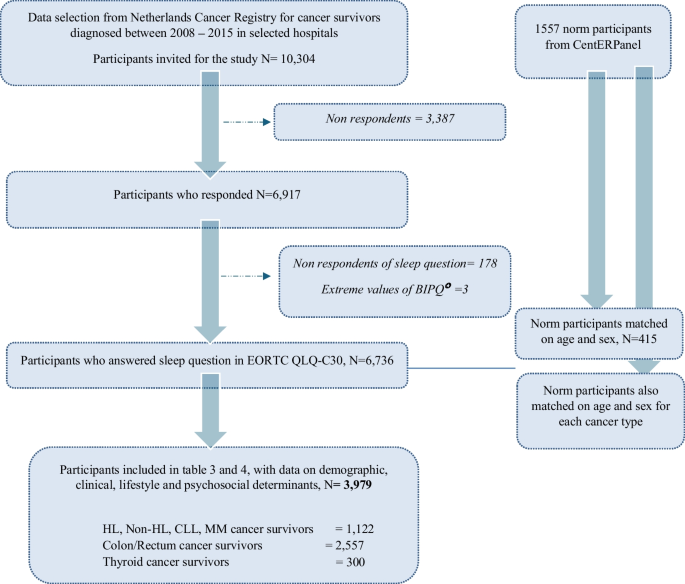
Sustained gut dysbiosis and intestinal inflammation show correlation with weight gain in person with chronic HIV infection on antiretroviral therapy
Mycology Ishizaka, Aya

Sustained gut dysbiosis and intestinal inflammation show correlation with weight gain in person with chronic HIV infection on antiretroviral therapy

BioMed Central julio 2024 Micología

Background Person with human immunodeficiency virus type-1 (PWH) are prone to chronic inflammation due to residual viral production, even with antiretroviral therapy (ART), which increases the risk of age-related diseases. There is also limited information on changes in the intestinal environment of PWH during ART. In this longitudinal study, we investigated changes in the gut microbiota, persistence of chronic inflammation, interactions between the gut environment and inflammation, and metabolic changes in PWH using long-term ART. Results We analyzed changes in clinical parameters and gut microbiota in 46 PWH over a mean period of 4 years to understand the influence of gut dysbiosis on inflammation. Overall, changes in the gut microbiota included a decrease in some bacteria, mainly involved in short-chain fatty acid (SCFA) production, and an increase in certain opportunistic bacteria. Throughout the study period, an increase in bacterial-specific metabolic activity was observed in the intestinal environment. Continued decline in certain bacteria belonging to the Clostridia class and metabolic changes in gut bacteria involved in glucose metabolism. Additionally, patients with a low abundance of Parabacteroides exhibited low bacterial alpha diversity and a significant increase in body mass index (BMI) during the study period. Monocyte chemoattractant protein 1, a marker of macrophage activation in the plasma, continued to increase from baseline (first stool collection timepoint) to follow-up (second stool collection timepoint), demonstrating a mild correlation with BMI. Elevated BMI was mild to moderately correlated with elevated levels of plasma interleukin 16 and chemokine ligand 13, both of which may play a role in intestinal inflammation and bacterial translocation within the gut microbiota. The rate of BMI increase correlated with the rate of decrease in certain SCFA-producing bacteria, such as Anaerostipes and Coprococcus 3 . Conclusion Our data suggest that despite effective ART, PWH with chronic inflammation exhibit persistent dysbiosis associated with gut inflammation, resulting in a transition to an intestinal environment with metabolic consequences. Moreover, the loss of certain bacteria such as Parabacteroides in PWH correlates with weight gain and may contribute to the development of metabolic diseases.

Fungi
Mycology Petruch, Markus

Fungi

Springer enero 2025 Micología

Fungi still represent a largely unexplored biological frontier with extraordinary potential for the bioeconomy. This chapter reveals fungi as decomposers of matter, biochemical agents, or even manufacturing platforms whose unique capabilities are increasingly central to sustainable development. Through their exceptional enzymatic systems, mycelial networks, and metabolic versatility, fungi transform agricultural residues, forestry byproducts, and industrial waste streams into valuable new products, ranging from novel biomaterials and pharmaceuticals to biofuels. As we deepen our understanding of fungal biology and cultivation techniques, these organisms emerge as indispensable allies in creating truly circular systems that mimic nature’s waste-free paradigm.

Teaching about dermatophytosis in the era of antifungal resistance: design, implementation, and evaluation of a multidisciplinary workshop in Honduras
Mycology Ortiz, Bryan

Teaching about dermatophytosis in the era of antifungal resistance: design, implementation, and evaluation of a multidisciplinary workshop in Honduras

Springer abril 2026 Micología

Background The global increase in fungal infections and the emergence of antifungal-resistant species, particularly Trichophyton indotineae , have exposed critical gaps in medical mycology training and diagnostic capacity, especially in low- and middle-income countries. Despite their high prevalence, dermatophytoses are underrepresented in health sciences curricula and continuing professional education, contributing to misdiagnosis, delayed treatment, and inappropriate antifungal use. Methods We designed, implemented, and evaluated a multidisciplinary educational workshop entitled “Medical Mycology: Dermatophytoses, New Challenges in the Era of Antifungal Resistance”, conducted in Honduras in September 2025. The 24-hour in-person intervention combined 16 h of theoretical instruction with 8 h of hands-on laboratory training and targeted healthcare professionals and laboratory personnel nationwide. Educational impact was assessed using pre- and post-intervention questionnaires evaluating knowledge on dermatophyte taxonomy, identification methods, epidemiology, and antifungal resistance. Additionally, a structured survey was applied to characterize participants’ institutional diagnostic capacities. Descriptive analyses were performed to compare pre- and post-workshop responses. Results Among the 36 participants who completed both assessments, post-workshop results demonstrated substantial learning gains across all evaluated domains. The largest improvements were observed in recognition of recently revised dermatophyte genera and in understanding the transmission, clinical relevance, and terbinafine resistance mechanisms of T. indotineae . Correct response rates increased to near 100% for most items. The diagnostic capacity survey revealed that diagnostic practices in participating institutions are predominantly based on phenotypic methods, characterized by reliance on direct microscopy and culture, the exclusive use of morphological identification, and the absence of molecular methods, antifungal susceptibility testing, and MALDI-TOF mass spectrometry. The workshop also facilitated the development of standardized didactic materials and the establishment of a preliminary national network for future molecular surveillance. Conclusions This experience demonstrates that a structured, evidence-based educational intervention can significantly strengthen knowledge and practical skills in medical mycology. Such initiatives represent a scalable model to improve dermatophyte diagnosis and antifungal resistance awareness in resource-limited settings.

“But how true that is, I do not know”: the influence of written sources on the medicinal use of fungi across the western borderlands of the former Soviet Union
Mycology Prakofjewa, Julia

“But how true that is, I do not know”: the influence of written sources on the medicinal use of fungi across the western borderlands of the former Soviet Union

BioMed Central agosto 2024 Micología

Fungi have been used for medicinal purposes for many centuries. This study, based on 35 historical written sources and 581 in-depth semi-structured interviews from eight countries in the western borderlands of the former Soviet Union, investigates the medicinal use of fungi by local communities. We compared the taxa and uses obtained from fieldwork and historical sources with works that advocated fungi use within Soviet herbals, representing the centralised medical system. During fieldwork, we identified eight locally used fungi and one lichen. The highest numbers of medicinal uses were documented in Russia, Estonia and Ukraine. Studies published before the Soviet era listed 21 fungal taxa and one lichen species used in the study region. However, only six of these taxa were mentioned as used by people in our field studies ( Amanita muscaria , Boletus edulis , Lycoperdon , Morchella , Phallus impudicus and Cetraria islandica ). Notably, these same six taxa were consistently endorsed in Soviet herbals. Of the remaining three taxa recorded in the fieldwork, none were mentioned in historical written sources. However, they were promoted either in Soviet herbals ( Inonotus obliquus , Kombucha ) or later popular publications ( Cantharellus cibarius ). This highlights the significant influence of written sources on the use of fungi for medicinal purposes within the studied local communities.

Fungi Matter: Aphanoascella galapagosensis Associated with Carapace Lesions in Free-Living Galapagos Tortoises
Mycology Nieto-Claudín, Ainoa

Fungi Matter: Aphanoascella galapagosensis Associated with Carapace Lesions in Free-Living Galapagos Tortoises

Springer mayo 2025 Micología

Galapagos giant tortoises are among the most iconic reptile species on earth; however, an increase in anthropogenic activities has created new challenges for their health and well-being. The presence of whitish lesions on the carapace of Galapagos tortoises ( Chelonoidis spp.) was previously described, potentially due to fungal growths, but its etiology remained unexplored. Aiming to close this gap, we analyzed carapace scrapes from six different species of free-living giant tortoises of Santa Cruz, Isabela, San Cristobal, and Española islands. In total, we tested 145 fresh and frozen carapace scrapes from 145 individuals with carapace whitish lesions (W-L, n  = 80) and without them (W-O, n  = 65), using panfungal endpoint PCRs for the ITS and D1-D2 regions. Aphanoascella galapagosensis was detected in W-L samples from all tortoise species and in none of the W-O samples. Four A. galapagosensis nucleotide sequence types (ST) obtained by using the D1-D2 protocol were identified in these tortoises; ST1 was detected on Santa Cruz, Isabela, and Española Islands whereas ST2 and ST3 were only detected on Isabela, and ST4 on San Cristobal. Neodevriesia spp. and Elsinoe spp. were the most common microorganisms found in W-O samples. These results suggest that A. galapagosensis is the etiological agent of whitish lesions in tortoise carapace contributing to baseline data on carapace fungi in giant Galapagos tortoises. Further research is needed to assess the prevalence and potential pathogenicity of A. galapagosensis and its impact for the conservation of these endangered species.

Antibiotic feeding changes the bacterial community of Chilo suppressalis and thereby affects its pesticide tolerance
Mycology Xia, Xue

Antibiotic feeding changes the bacterial community of Chilo suppressalis and thereby affects its pesticide tolerance

BioMed Central julio 2024 Micología

Background Owing to the widespread use of chemical pesticides to control agricultural pests, pesticide tolerance has become a serious problem. In recent years, it has been found that symbiotic bacteria are related to pesticides tolerance. To investigate the potential role of microorganisms in the pesticide tolerance of Chilo suppressalis , this study was conducted. Results The insect was fed with tetracycline and cefixime as the treatment group (TET and CFM, respectively), and did not add antibiotics in the control groups (CK). The 16S rDNA sequencing results showed that antibiotics reduced the diversity of C. suppressalis symbiotic microorganisms but did not affect their growth and development. In bioassays of the three C. suppressalis groups (TET, CFM, and CK), a 72 h LC_50 fitting curve was calculated to determine whether long-term antibiotic feeding leads to a decrease in pesticide resistance. The CK group of C. suppressalis was used to determine the direct effect of antibiotics on pesticide tolerance using a mixture of antibiotics and pesticides. Indirect evidence suggests that antibiotics themselves did not affect the pesticide tolerance of C. suppressalis . The results confirmed that feeding C. suppressalis cefixime led to a decrease in the expression of potential tolerance genes to chlorantraniliprole. Conclusions This study reveals the impact of antibiotic induced changes in symbiotic microorganisms on the pesticide tolerance of C. suppressalis , laying the foundation for studying the interaction between C. suppressalis and microorganisms, and also providing new ideas for the prevention and control of C. suppressalis and the creation of new pesticides.

The transcriptional regulator Fur modulates the expression of uge, a gene essential for the core lipopolysaccharide biosynthesis in Klebsiella pneumoniae
Mycology Muner, José Júlio

The transcriptional regulator Fur modulates the expression of uge, a gene essential for the core lipopolysaccharide biosynthesis in Klebsiella pneumoniae

BioMed Central julio 2024 Micología

Background Klebsiella pneumoniae is a Gram-negative pathogen that has become a threat to public health worldwide due to the emergence of hypervirulent and multidrug-resistant strains. Cell-surface components, such as polysaccharide capsules, fimbriae, and lipopolysaccharides (LPS), are among the major virulence factors for K. pneumoniae . One of the genes involved in LPS biosynthesis is the uge gene, which encodes the uridine diphosphate galacturonate 4-epimerase enzyme. Although essential for the LPS formation in K. pneumoniae , little is known about the mechanisms that regulate the expression of uge . Ferric uptake regulator (Fur) is an iron-responsive transcription factor that modulates the expression of capsular and fimbrial genes, but its role in LPS expression has not yet been identified. This work aimed to investigate the role of the Fur regulator in the expression of the K. pneumoniae uge gene and to determine whether the production of LPS by K. pneumoniae is modulated by the iron levels available to the bacterium. Results Using bioinformatic analyses, a Fur-binding site was identified on the promoter region of the uge gene; this binding site was validated experimentally through Fur Titration Assay (FURTA) and DNA Electrophoretic Mobility Shift Assay (EMSA) techniques. RT-qPCR analyses were used to evaluate the expression of uge according to the iron levels available to the bacterium. The iron-rich condition led to a down-regulation of uge , while the iron-restricted condition resulted in up-regulation. In addition, LPS was extracted and quantified on K. pneumoniae cells subjected to iron-replete and iron-limited conditions. The iron-limited condition increased the amount of LPS produced by K. pneumoniae . Finally, the expression levels of uge and the amount of the LPS were evaluated on a K. pneumoniae strain mutant for the fur gene. Compared to the wild-type, the strain with the fur gene knocked out presented a lower LPS amount and an unchanged expression of uge , regardless of the iron levels. Conclusions Here, we show that iron deprivation led the K. pneumoniae cells to produce higher amount of LPS and that the Fur regulator modulates the expression of uge , a gene essential for LPS biosynthesis. Thus, our results indicate that iron availability modulates the LPS biosynthesis in K. pneumoniae through a Fur-dependent mechanism.

Advancing Patient Advocacy in Mycology: Cultivating Collaboration in Education, Research, and Policy
Mycology Purdie, Rob

Advancing Patient Advocacy in Mycology: Cultivating Collaboration in Education, Research, and Policy

Springer enero 2025 Micología

In the healthcare landscape, diseases such as cancer and HIV/AIDS have benefited from the patient's perspective. For fungal diseases, the patient voice remains absent in critical areas such as policy formulation, funding decisions, and research priorities. Patients affected by fungal disease, along with their caregivers and advocacy groups, possess invaluable insights into the challenges and unmet needs they face. By elevating their voices and experiences, policymakers, funding agencies, and researchers can gain a more comprehensive understanding of the multifaceted nature of fungal disease and the urgency of addressing them. This paper addresses the pressing need for a coordinated effort to elevate the patient voice in advocating for improved policies, increased funding, and enhanced research initiatives regarding fungal disease.

Dermatophytic Dynamics: A Holistic Approach to Superficial Mycosis Research
Mycology Abhishek, S.

Dermatophytic Dynamics: A Holistic Approach to Superficial Mycosis Research

Springer enero 2025 Micología

Human fungus infections are a serious public health issue that needs a prompt and correct diagnosis to cure effectively. Human fungal infections have historically been treated with in-person consultations and exams by trained laboratory mycologists. Lately, deep learning models-based computer-aided diagnosis systems have become more potent instruments, especially for late-stage mycological diagnoses. This research presents experimental results using a deep learning technique to classify different species of fungi. The work is noteworthy for using a vision transformer, demonstrating its effectiveness in classifying fungi. This work contributes to the ongoing advancement of diagnostic techniques and provides a feasible route for artificial intelligence integration in mycology. The results show a remarkable 97.3% accuracy rate, underscoring the potential of deep learning models—especially vision transformers—to enhance the efficacy and accuracy of fungal infection diagnosis. This study contributes to the growing body of research on artificial intelligence and medical mycology. The vision transformer’s efficacy in classifying fungi confirms the transformative potential of deep learning in diagnostic methods.

The Asexual Morph of Seriascoma acutisporum (Occultibambusaceae, Pleosporales)
Mycology Calabon, M. S.

The Asexual Morph of Seriascoma acutisporum (Occultibambusaceae, Pleosporales)

Springer octubre 2024 Micología

Abstract An investigation of freshwater fungi in Thailand resulted in the collection and isolation of a coelomycetous Seriascoma from submerged wood. The combined ITS and LSU sequence data placed the taxon within the sexual morphic Seriascoma acutisporum strains, ZHKUCC 22-0273 and ZHKUCC 22-0274, with high bootstrap support and confirmed the asexual morphic stage of the taxon. Seriascoma acutisporum MFLUCC 24-0091 shares the generic characteristics of having an immersed, eustromatic conidiomata and phialidic, cylindrical to ampulliform, hyaline, aseptate conidiogenous cells bearing hyaline conidia, but with smaller conidiomata and locules compared to other coelomycetous Seriascoma species.

Characterization of nuvita biosearch center (NBC) isolated lactic acid bacteria strains from human origin and determination of growth kinetic profiles of selected cultures under bioreactor
Mycology Kavak, Akif Emre

Characterization of nuvita biosearch center (NBC) isolated lactic acid bacteria strains from human origin and determination of growth kinetic profiles of selected cultures under bioreactor

BioMed Central julio 2024 Micología

Backgorund In recent years, there has been an increasing interest in the field of research into the isolation and characterization of probiotics in the prevention of diseases and the need to maintain the continuity of healthy microbiota. Therefore, the aim of this study is to isolate and identify bacteria found in maternal colostrum, breast milk, adult and infant feces, analyze possible probiotic potential, and reveal the developmental kinetics of selected strains. Results We isolated 40 bacterial species from 4 different sources and identified 19 bacteria in the form of bacilli through molecular biology and carried out studies with 11 of them. Five of the selected strains showed the better results considering bile salt resistance and ability to survive at different pH and antimicrobial effect. When the adhesion capacity in cell culture is examined, the better 2 strains are; Lactobacillus pontis ZZ6780 and Lactobacillus reuteri NBC2680 were selected and the growth kinetics of these strains were demonstrated at the 3 L bioreactor scale. Finally, the growth kinetics of selected strains were determined and the maximum specific growth rate of selected Lactobacillus pontis ZZ6780 and Lactobacillus reuteri NBC2680 was calculated as 0.412 h^− 1 and 0.481 h^− 1, respectively. In addition, the dry cell matter amounts were found to be and 4.45 g/L and 5.23 g/L, respectively. Conclusion This study established the groundwork for the selection of safety probiotics for the development and application of LAB. It is thought that the two strains obtained as a result of this study can be considered as potential probiotic strains in the food, pharmaceutical and cosmetic industries.

Introduction to Fungi in Wastewater Treatment and Fundamentals of Mycology and Wastewater Chemistry
Mycology Seroka, Ntalane Sello

Introduction to Fungi in Wastewater Treatment and Fundamentals of Mycology and Wastewater Chemistry

Springer enero 2026 Micología

The rapid development of the industrial sector has contributed significantly to the global economy and the well-being of individuals, while it has consequences in terms of waste generation, consumption of resources, and energy usage, which require the development of ad hoc strategies and countermeasures to contain their impacts. Covered are microbial bioremediation, bioleaching, bioaugmentation, biostimulation, mycoremediation, and phytoremediation. Among these biological remediation approaches, mycoremediation is beneficial since it can successfully break down a wide variety of contaminants and its efficacy is not restricted to specific concentrations of pollutants. Mycoremediation is a cost-effective and environmentally benign technology that uses fungal biomass to remove hazardous chemicals from polluted water. Mushrooms are fungal fruiting structures that grow from a fibrous mass known as the mycelium. Macro fungi have demonstrated a unique capacity to break down a variety of dangerous and lignin-containing wastes produced by a variety of anthropogenic and natural activities. This chapter establishes approaches that could serve as a prospective framework for addressing the worldwide issue of wastewater.

Recent Advance: Fluorescein Stain
Mycology Das, Dipankar

Recent Advance: Fluorescein Stain

Springer enero 2025 Micología

Fluorescein stain can be used efficiently and cost effective way for examining the raw ophthalmic specimens visualizing tissue details under microscopic examinations. Author(s) developed this staining method in various raw ophthalmic specimens to detect micro-organisms including parasites, corneal and conjunctival pathologies, lid, orbital pathologies and in enucleated eyeballs. The staining process is very simple and can be performed quickly spending minimum time. The staining also gave important informations about the retinal pigment epithelium, retina, intraocular cancer seedings etc. The novelty of the stain had wider applications in detecting fungus, viral inclusion bodies, parasites, immunological and tumor cells covering anatomy, pathology, onco-pathology, microbiology, parasitology, virology, immunology, entomology and so on.

Strain-dependent induction of primary bile acid 7-dehydroxylation by cholic acid
Mycology Vico-Oton, Eduard

Strain-dependent induction of primary bile acid 7-dehydroxylation by cholic acid

BioMed Central agosto 2024 Micología

Background Bile acids (BAs) are steroid-derived molecules with important roles in digestion, the maintenance of host metabolism, and immunomodulation. Primary BAs are synthesized by the host, while secondary BAs are produced by the gut microbiome through transformation of the former. The regulation of microbial production of secondary BAs is not well understood, particularly the production of 7-dehydroxylated BAs, which are the most potent agonists for host BA receptors. The 7-dehydroxylation of cholic acid (CA) is well established and is linked to the expression of a bile acid-inducible ( bai ) operon responsible for this process. However, little to no 7-dehydroxylation has been reported for other host-derived BAs (e.g., chenodeoxycholic acid, CDCA or ursodeoxycholic acid, UDCA). Results Here, we demonstrate that the 7-dehydroxylation of CDCA and UDCA by the human isolate Clostridium scindens is induced when CA is present, suggesting that CA-dependent transcriptional regulation is required for substantial 7-dehydroxylation of these primary BAs. This is supported by the finding that UDCA alone does not promote expression of bai genes. CDCA upregulates expression of the bai genes but the expression is greater when CA is present. In contrast, the murine isolate Extibacter muris exhibits a distinct response; CA did not induce significant 7-dehydroxylation of primary BAs, whereas BA 7-dehydroxylation was promoted upon addition of germ-free mouse cecal content in vitro . However, E. muris was found to 7-dehydroxylate in vivo . Conclusions The distinct expression responses amongst strains indicate that bai genes are regulated differently. CA promoted bai operon gene expression and the 7-dehydroxylating activity in C. scindens strains. Conversely, the in vitro activity of E. muris was promoted only after the addition of cecal content and the isolate did not alter bai gene expression in response to CA. The accessory gene baiJ was only upregulated in the C. scindens ATCC 35704 strain, implying mechanistic differences amongst isolates. Interestingly, the human-derived C. scindens strains were also capable of 7-dehydroxylating murine bile acids (muricholic acids) to a limited extent. This study shows novel 7-dehydroxylation activity in vitro resulting from the presence of CA and suggests distinct bai gene expression across bacterial species.

Fungus in the Fur: An Overview of Fungal Infections in Cats, Dogs, and Exotic Small Mammals
Mycology Moskaluk, Alex E.

Fungus in the Fur: An Overview of Fungal Infections in Cats, Dogs, and Exotic Small Mammals

Springer julio 2025 Micología

Fungal infections occur in a wide variety of mammals including cats, dogs, and exotic small mammals. These infections are generally categorized as superficial/cutaneous, subcutaneous, and systemic. While most reported cases involve cats and dogs, fungal infections have also been documented in various exotic small mammal species. Although microbiological diagnostic approaches are similar across patient species, clinical signs and treatment strategies can vary significantly. Managing these infections in veterinary medicine presents unique challenges, particularly in exotic small mammals, due to species-specific differences in pathophysiology, treatment options, and husbandry considerations. In this chapter, we discuss (1) superficial/cutaneous, (2) subcutaneous, (3) systemic fungal infections in cats, dogs, and exotic small mammals, and (4) the challenges with managing these veterinary fungal infections.

Investigation of cross-opsonic effect leads to the discovery of PPIase-domain containing protein vaccine candidate to prevent infections by Gram-positive ESKAPE pathogens
Mycology Sadones, Océane

Investigation of cross-opsonic effect leads to the discovery of PPIase-domain containing protein vaccine candidate to prevent infections by Gram-positive ESKAPE pathogens

BioMed Central julio 2024 Micología

Background Enterococcus faecium and Staphylococcus aureus are the Gram-positive pathogens of the ESKAPE group, known to represent a great threat to human health due to their high virulence and multiple resistances to antibiotics. Combined, enterococci and S. aureus account for 26% of healthcare-associated infections and are the most common organisms responsible for blood stream infections. We previously showed that the peptidyl-prolyl cis/trans isomerase (PPIase) PpiC of E. faecium elicits the production of specific, opsonic, and protective antibodies that are effective against several strains of E. faecium and E. faecalis . Due to the ubiquitous characteristics of PPIases and their essential function within Gram-positive cells, we hypothesized a potential cross-reactive effect of anti-PpiC antibodies. Results Opsonophagocytic assays combined with bioinformatics led to the identification of the foldase protein PrsA as a new potential vaccine antigen in S. aureus . We show that PrsA is a stable dimeric protein able to elicit opsonic antibodies against the S. aureus strain MW2, as well as cross-binding and cross-opsonic in several S. aureus , E. faecium and E. faecalis strains. Conclusions Given the multiple antibiotic resistances S. aureus and enterococci present, finding preventive strategies is essential to fight those two nosocomial pathogens. The study shows the potential of PrsA as an antigen to use in vaccine formulation against the two dangerous Gram-positive ESKAPE bacteria. Our findings support the idea that PPIases should be further investigated as vaccine targets in the frame of pan-vaccinomics strategy.

The Systematics and Phylogeny of Myxomycetes: Yesterday, Today, and Tomorrow
Mycology Moroz, E. L.

The Systematics and Phylogeny of Myxomycetes: Yesterday, Today, and Tomorrow

Springer octubre 2024 Micología

Abstract —Myxomycetes are amoeboid fungus-like organisms ( Amoebozoa ) with a unique life cycle characterized by a great morphological diversity of fruiting bodies. Due to the similarity of these structures to the fruiting bodies of some representatives of Ascomycota and Basidiomycota, myxomycetes have been classified as fungi since the first known scientific description in 1654. Only in the 19th century, when their life cycle was studied, did the difference of this group from fungi become clear. During the same period, microscopic structures of fruiting bodies, as well as ornamentation of the spore surface, began to be considered as diagnostic features. Due to this, in the period from the end of the 19th to the middle of the 20th century, a rather stable system was formed. However, as further studies have shown, both macro- and micromorphological characters are often quite variable, depend on environmental conditions, and often result from convergent evolution, which causes difficulties in defining species and taxonomic units of higher ranks. Since the first decade of the 21st century, due to the development of molecular genetic methods and the accumulation of data on nucleotide sequences of marker genes together with the improvement of microscopic studies, it has been possible to obtain data on the evolutionary relationships of different groups of myxomycetes. A milestone in this process was the publication of the first phylogenetic system of myxomycetes in 2019. This work was the starting point for a number of studies on the relationships between different groups of myxomycetes at a lower taxonomic level. Thus, there has been a surge in the number of studies that bring us closer to constructing a natural system.
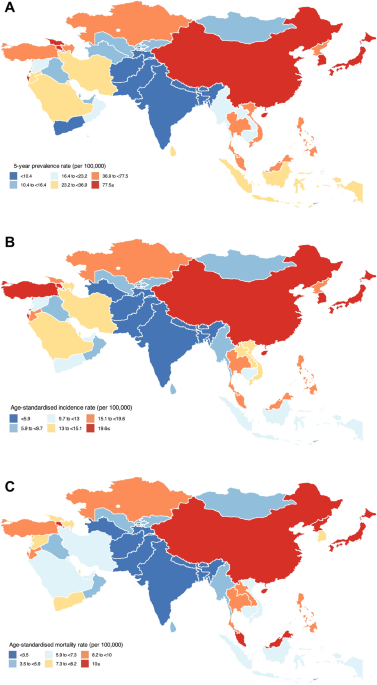
Vaginal microbiome differences between patients with adenomyosis with different menstrual cycles and healthy controls
Mycology Pan, Zangyu

Vaginal microbiome differences between patients with adenomyosis with different menstrual cycles and healthy controls

BioMed Central julio 2024 Micología

Background Adenomyosis is a commonly observed benign gynecological disease that affects the quality of life and social psychology of women of childbearing age. However, because of the unknown etiology and incidence of adenomyosis, its pathophysiological mechanism remains unclear; further, because no noninvasive, accurate, and individualized diagnostic methods are available, treatment and efficacy evaluations are limited. Notably, the interaction between the changes in the microecological environment of the female reproductive tract and human immunity, endocrine, and other links leads to the occurrence and development of diseases. In addition, the vaginal microbiome differs in different menstrual cycles; therefore, assessing the differences between the microbiomes of patients with adenomyosis and healthy individuals in different menstrual cycles will improve the understanding of the disease and provide references for the search for noninvasive diagnosis and individualized precision treatment of adenomyosis. This study aimed to explored the data of individuals in different menstrual cycles. Results Differences in the vaginal microbiome between patients with adenomyosis and healthy individuals were observed. At phylum level, the relative abundance of Firmicutes in the adenomyosis group was higher than that in the control group, which contributed the most to the species difference between the two groups. At the genus level, Lactobacillus was the most dominant in both groups, Alpha-diversity analysis showed significant differences in the adenomyosis and control group during luteal phase (Shannon index, p  = 0.0087; Simpson index, p  = 0.0056). Beta-diversity index was significantly different between the two groups ( p  = 0.018). However, based on Weighted Unifrac analysis, significant differences were only observed throughout the luteal phase ( p  =  0.0146 ). Within the adenomyosis group, differences between women with different menstrual cycles were also observed. Finally, 50 possible biomarkers including were screened and predicted based on the random forest analyse. Conclusions The vaginal microbiome of patients with adenomyosis and healthy individuals differed during menstrual periods, especially during the luteal phase. These findings facilitate the search for specific biological markers within a limited range and provide a more accurate, objective, and individualized diagnostic and therapeutic evaluation method for patients with adenomyosis, compared to what is currently available.

Veterinary Mycology: Challenges and Applications
Mycology Fernandez-Colorado, Cherry P.

Veterinary Mycology: Challenges and Applications

Springer enero 2026 Micología

Veterinary mycology is an important field of veterinary science that focuses on the identification, diagnosis, and treatment of infectious and zoonotic fungal diseases that pose risks to both animal and public health. The emergence of new and resistant fungal pathogens is influenced by human-animal-environmental interactions. In Southeast Asia, the environmental conditions with warm, humid climate, dense biodiversity, urbanization, and habitat disruption can influence the growth and transmission of these novel fungal pathogens. This chapter highlights the importance of fungal pathogens, zoonotic transmission, and the impact of environmental factors and climate change in the transmission and evolution of fungal diseases. It describes the growing concerns and challenges of antifungal resistance and the increasing cases of fungal diseases, especially those with zoonotic potential. In response to these challenges, this chapter reviews recent and current applications of advanced diagnostic techniques used for the timely identification of fungal pathogens, improving the accuracy and timeliness of disease reporting, treatment, and control. Development of antifungal drugs is also addressed in this chapter with more emphasis on the importance of a collaborative response, that is, a One Health approach involving veterinary, medical, and environmental health to foster more effective surveillance systems and intervention strategies. Moreover, this chapter explores the future outlook of interdisciplinary collaboration when it comes to fungal disease monitoring, antifungal drug development, and sustainable research funding to mitigate the growing threat of fungal diseases and strengthen animal, human, and environmental health.

Probiotic potential of lactic acid bacteria isolated from Ethiopian traditional fermented Cheka beverage
Mycology Albene, Dawit

Probiotic potential of lactic acid bacteria isolated from Ethiopian traditional fermented Cheka beverage

BioMed Central julio 2024 Micología

Introduction : Lactic acid bacteria (LAB) are a cluster of microbes distributed in a variety of environments and have potential probiotic activity to improve human well-being. This study was aimed at assessing the probiotic potential of LAB isolated from Cheka , an Ethiopian traditionally fermented beverage. Method Pure isolates obtained from 16 Cheka samples from Konso ( n  = 8) and Derashe ( n  = 8) were characterized morphologically, biochemically, and physiologically by considering basic criteria to identify the LAB. The probiotics properties of the LAB were evaluated in vitro at low pH values (2.0 and 3.0), and two bile salt concentrations (0.3 and 0.5%) for 3 and 6 h. The 16 S rRNA gene sequencing was done using an ABI 3730xl sequencer, and the gene sequences were aligned. Results Of the 27 pure isolates, 11 isolates were proven to be LAB with non-motile, negative for catalase, and non-spore former characteristics. Based on cultural characteristics and sugar fermentation ability, the 11 isolates were assembled into the genera Lactobacillus (55%), Lactococcus (18%), Pediococcus (18%), and Leuconostoc (9%). At pH 3.0 and a bile salt concentration of 0.3%, isolate ChK-11 showed a better survival rate (97 and 94%) than other isolates [ChK-7 (93 and 80%) > ChD-5 (84 and 76%) > ChD-8 (46 and 36%) > ChK-4 (41 and 34%)] for 6 and 3 h, respectively. According to 16 S rRNA sequencing results, isolates ChK-11 and ChK-7 were found to be Weissella paramesenteroides and Leuconostoc pseudomesenteroides with sequence similarity of 99 and 91%, respectively. Conclusions In the present study, probiotic LAB ( Weissella paramesenteroides and Leuconostoc pseudomesenteroides ) was successfully isolated and sequenced from Cheka samples. The findings of this in vitro study indicated that fermented beverages like Cheka are a source of the LAB with probiotic functional properties. Overall, Weissella paramesenteroides and Leuconostoc pseudomesenteroides isolates, which showed promising probiotic properties under in vitro conditions, can be used for starter culture development for the Cheka fermentation process.

Inside-out, antimicrobial resistance mediated by efflux pumps in clinical strains of Acinetobacter baumannii isolated from burn wound infections
Mycology Hernández-Durán, Melissa

Inside-out, antimicrobial resistance mediated by efflux pumps in clinical strains of Acinetobacter baumannii isolated from burn wound infections

Springer julio 2024 Micología

Abstract Acinetobacter baumannii belongs to the ESKAPE group. It is classified as a critical priority group by the World Health Organization and a global concern on account of its capacity to acquire and develop resistance mechanisms to multiple antibiotics. Data from the United States indicates 500 deaths annually. Resistance mechanisms of this bacterium include enzymatic pathways such as ß-lactamases, carbapenemases, and aminoglycoside-modifying enzymes, decreased permeability, and overexpression of efflux pumps. A. baumannii has been demonstrated to possess efflux pumps, which are classified as members of the MATE family, RND and MFS superfamilies, and SMR transporters. The aim of our work was to assess the distribution of efflux pumps and their regulatory gene expression in clinical strains of A. baumannii isolated from burned patients. Methods From the Clinical Microbiology Laboratory at the Instituto Nacional de Rehabilitación Luis Guillermo Ibarra Ibarra collection in Mexico, 199 strains were selected. Antibiotics susceptibilities were performed by broth microdilutions to determine minimal inhibitory concentrations. Phenotypic assays with efflux pump inhibitors were conducted using carbonyl cyanide 3-chlorophenylhydrazone (CCCP) and phenylalanine-arginine ß-naphthylamide (PAßN) in conjunction with amikacin, ceftazidime, imipenem, meropenem and levofloxacin. A search was conducted for structural genes that are linked to efflux pumps, and the relative expression of the adeR , adeS , and adeL genes was analyzed. Results Among a total of 199 strains, 186 exhibited multidrug resistance (MDR). Fluoroquinolones demonstrated the highest resistance rates, while minocycline and amikacin displayed comparatively reduced resistance rates (1.5 and 28.1, respectively). The efflux activity of fluorquinolones exhibited the highest phenotypic detection (from 85 to 100%), while IMP demonstrated the lowest activity of 27% with PAßN and 43.3% with CCCP. Overexpression was observed in adeS and adeL , with adeR exhibiting overexpression. Concluding that clinical strains of A. baumannii from our institution exhibited efflux pumps as one of the resistance mechanisms.

Rhizosphere microbial community construction during the latitudinal spread of the invader Chromolaena odorata
Mycology Zhang, Ming-zhu

Rhizosphere microbial community construction during the latitudinal spread of the invader Chromolaena odorata

BioMed Central agosto 2024 Micología

The colonization of alien plants in new habitats is typically facilitated by microorganisms present in the soil environment. However, the diversity and structure of the archaeal, bacterial, and fungal communities in the latitudinal spread of alien plants remain unclear. In this study, the rhizosphere and bulk soil of Chromolaena odorata were collected from five latitudes in Pu’ er city, Yunnan Province, followed by amplicon sequencing of the soil archaeal, bacterial, and fungal communities. Alpha and beta diversity results revealed that the richness indices and the structures of the archaeal, bacterial, and fungal communities significantly differed along the latitudinal gradient. Additionally, significant differences were observed in the bacterial Shannon index, as well as in the structures of the bacterial and fungal communities between the rhizosphere and bulk soils. Due to the small spatial scale, trends of latitudinal variation in the archaeal, bacterial, and fungal communities were not pronounced. Total potassium, total phosphorus, available nitrogen, available potassium and total nitrogen were the important driving factors affecting the soil microbial community structure. Compared with those in bulk soil, co-occurrence networks in rhizosphere microbial networks presented lower complexity but greater modularity and positive connections. Among the main functional fungi, arbuscular mycorrhizae and soil saprotrophs were more abundant in the bulk soil. The significant differences in the soil microbes between rhizosphere and bulk soils further underscore the impact of C. odorata invasion on soil environments. The significant differences in the soil microbiota along latitudinal gradients, along with specific driving factors, demonstrate distinct nutrient preferences among archaea, bacteria, and fungi and indicate complex microbial responses to soil nutrient elements following the invasion of C. odorata .

Fungi in Education: Reports from the Philippines
Mycology Bitacura, Jayzon G.

Fungi in Education: Reports from the Philippines

Springer enero 2026 Micología

Fungi remain one of the most diverse organisms on the planet. Thus, the study of fungi, the science of mycology, is as essential as the other fields of biology. In the Philippines, teaching various aspects of fungal biology follows the teacher-centric lecture approach coupled with a practical and technical skills-based laboratory component. In this chapter, we present three higher education institutions in the country as case scenarios, each of which has its own unique implementation of teaching fungi. These case scenarios provide a context on how mycology is taught in the country and offer insights into innovative and inclusive learning activities. We also provided an example of technology-based learning activity in teaching fungi and called for more innovative and inclusive learning activities.

Optimization of fermentation parameters to improve the biosynthesis of selenium nanoparticles by Bacillus licheniformis F1 and its comprehensive application
Mycology Wang, Zhangqian

Optimization of fermentation parameters to improve the biosynthesis of selenium nanoparticles by Bacillus licheniformis F1 and its comprehensive application

BioMed Central julio 2024 Micología

Background Selenium nanoparticles (SeNPs) are increasingly gaining attention due to its characteristics of low toxicity, high activity, and stability. Additionally, Bacillus licheniformis , as a probiotic, has achieved remarkable research outcomes in diverse fields such as medicine, feed processing, and pesticides, attracting widespread attention. Consequently, evaluating the activity of probiotics and SeNPs is paramount. The utilization of probiotics to synthesize SeNPs, achieving large-scale industrialization, is a current hotspot in the field of SeNPs synthesis and is currently the most promising synthetic method. To minimize production costs and maximize yield of SeNPs, this study selected agricultural by-products that are nutrient-rich, cost-effective, and readily available as culture medium components. This approach not only fulfills industrial production requirements but also mitigates the impact on downstream processes. Results The experimental findings revealed that SeNPs synthesized by B. licheniformis F1 exhibited a spherical morphology with diameters ranging from 110 to 170 nm and demonstrating high stability. Both the secondary metabolites of B. licheniformis F1 and the synthesized SeNPs possessed significant free radical scavenging ability. To provide a more robust foundation for acquiring large quantities of SeNPs via fermentation with B. licheniformis F1, key factors were identified through single-factor experiments and response surface methodology (RSM) include a 2% seed liquid inoculum, a temperature of 37 ℃, and agitation at 180 rpm. Additionally, critical factors during the optimization process were corn powder (11.18 g/L), soybean meal (10.34 g/L), and NaCl (10.68 g/L). Upon validating the optimized conditions and culture medium, B. licheniformis F1 can synthesize nearly 100.00% SeNPs from 5 mmol/L sodium selenite. Subsequently, pilot-scale verification in a 5 L fermentor using the optimized medium resulted in a shortened fermentation time, significantly reducing production costs. Conclusion In this study, the efficient production of SeNPs by the probiotic B. licheniformis F1 was successfully achieved, leading to a significant reduction in fermentation costs. The exploration of the practical applications of this strain holds significant potential and provides valuable guidance for facilitating the industrial-scale implementation of microbial synthesis of SeNPs.

Publicaciones recientes

Neurociencias

25 publicaciones científicas en el campo de Neurociencias , para consultar rápidamente la literatura científica correspondiente.

Deciphering the Role of Shank3 in Dendritic Morphology and Synaptic Function Across Postnatal Developmental Stages in the Shank3B KO Mouse
Neuroscience Bulletin Yang, Jing

Deciphering the Role of Shank3 in Dendritic Morphology and Synaptic Function Across Postnatal Developmental Stages in the Shank3B KO Mouse

Springer Nature Singapore diciembre 2024 Neurociencias

Autism Spectrum Disorder (ASD) is marked by early-onset neurodevelopmental anomalies, yet the temporal dynamics of genetic contributions to these processes remain insufficiently understood. This study aimed to elucidate the role of the Shank3 gene, known to be associated with monogenic causes of autism, in early developmental processes to inform the timing and mechanisms for potential interventions for ASD. Utilizing the Shank3B knockout (KO) mouse model, we examined Shank3 expression and its impact on neuronal maturation through Golgi staining for dendritic morphology and electrophysiological recordings to measure synaptic function in the anterior cingulate cortex (ACC) across different postnatal stages. Our longitudinal analysis revealed that, while Shank3B KO mice displayed normal neuronal morphology at one week postnatal, significant impairments in dendritic growth and synaptic activity emerged by two to three weeks. These findings highlight the critical developmental window during which Shank3 is essential for neuronal and synaptic maturation in the ACC. SUPPLEMENTARY INFORMATION: The online version contains supplementary material available at 10.1007/s12264-024-01330-y.

Sex Matters: Association with Superager Classification and Risk Factors
Archives of Clinical Neur... McPhee, Matthew D

Sex Matters: Association with Superager Classification and Risk Factors

Oxford University Press agosto 2024 Neurociencias

Superagers are 80 to 89-year-olds with average or better cognition and memory equivalent to individuals 20 to 30 years younger. As sex and modifiable lifestyle/health factors influence cognitive aging and dementia risk, we examined their impact on superager status. Data from participants (n = 469; 67% female) aged 80–89 years old were analyzed from an online database that included demographic and dementia risk factors, and performance on tasks assessing working memory, cognitive inhibition, associative memory, and set shifting. Cross-sectional comparisons were made between superagers and those with typical-for-age cognitive abilities (typical-agers) to examine relationships between sex, superager status, and dementia risk factors. Females performed better than age-matched males on the associative memory task in the 50–69 years old group used for normative comparisons, and in the 80–89 years old group (ps < .001). More females than males were classified as superagers using non-sex-stratified normative comparisons (p = .009), and in sex-stratified normative comparisons (p = .022). Total weighted dementia risk reduced odds of superager status (OR = 0.199, 95% CI [0.046, 0.829]). Other lifestyle dementia risk factors were unrelated to superager status or could not be tested due to low endorsement. The findings support observations that superaging is more common in females, even when controlling for sex differences in memory performance. Future studies of superagers should account for sex differences. Results support being ambitious about dementia prevention, as having fewer modifiable dementia risk factors may be positively associated with superager status.

A Systematic Review to Explore a Neuropsychological Profile that Predates Anorexia Nervosa
Archives of Clinical Neur... Noon, Rachel

A Systematic Review to Explore a Neuropsychological Profile that Predates Anorexia Nervosa

Oxford University Press septiembre 2024 Neurociencias

OBJECTIVE: Research demonstrates reduced cognitive flexibility and weak central coherence during acute illness and following recovery from anorexia nervosa (AN). This systematic review investigated if these impairments are present in first-degree relatives of individuals with AN, representing a possible neuropsychological risk profile. METHODS: A systematic review of electronic databases was conducted following the Preferred Reporting Items for Systematic Reviews and Meta-Analyses guidelines. The search ended on July 14, 2023. Established search terms and inclusion criteria identified relevant research. Risk of bias was assessed using the Critical Appraisal Skills Program. The review was registered with Prospero international prospective register of systematic reviews (No. CRD42023401268). Study selection, descriptive data, critical appraisal, and risk of bias are presented in tables and figures. RESULTS: The search yielded 10 studies. The included studies conducted neuropsychological assessments of discordant AN relatives and lifetime longitudinal study participants. Most studies found cognitive flexibility and central coherence to be significantly reduced in participants with AN and their relatives compared with controls. One study found decision making to be significantly impaired in AN participants and relatives. Effect sizes were moderate to large. DISCUSSION: Reduced cognitive flexibility and weak central coherence appear to be endophenotypes of AN. Further research is required with relatives concordant for AN to establish whether these biomarkers co-segregate with AN within families. These findings suggest a possibility of developing screeners to identify individuals at risk of AN allowing for early intervention.

The Vestibulospinal Nucleus Is a Locus of Balance Development
The Journal of Neuroscience Hamling, Kyla R.

The Vestibulospinal Nucleus Is a Locus of Balance Development

Society for Neuroscience julio 2024 Neurociencias

Mature vertebrates maintain posture using vestibulospinal neurons that transform sensed instability into reflexive commands to spinal motor circuits. Postural stability improves across development. However, due to the complexity of terrestrial locomotion, vestibulospinal contributions to postural refinement in early life remain unexplored. Here we leveraged the relative simplicity of underwater locomotion to quantify the postural consequences of losing vestibulospinal neurons during development in larval zebrafish of undifferentiated sex. By comparing posture at two timepoints, we discovered that later lesions of vestibulospinal neurons led to greater instability. Analysis of thousands of individual swim bouts revealed that lesions disrupted movement timing and corrective reflexes without impacting swim kinematics, and that this effect was particularly strong in older larvae. Using a generative model of swimming, we showed how these disruptions could account for the increased postural variability at both timepoints. Finally, late lesions disrupted the fin/trunk coordination observed in older larvae, linking vestibulospinal neurons to postural control schemes used to navigate in depth. Since later lesions were considerably more disruptive to postural stability, we conclude that vestibulospinal contributions to balance increase as larvae mature. Vestibulospinal neurons are highly conserved across vertebrates; we therefore propose that they are a substrate for developmental improvements to postural control.

Neural Circuitries and Alcohol Use Disorder: Cutting Corners in the Cycle
Neurosciences Doyle, Marie A.

Neural Circuitries and Alcohol Use Disorder: Cutting Corners in the Cycle

Springer enero 2025 Neurociencias

An implicit tenet of the alcohol use disorder (AUD) research field is that knowledge of how alcohol interacts with the brain is critical to the development of an understanding of vulnerability to AUD and treatment approaches. Gaining this understanding requires the mapping of brain function critical to specific components of this heterogeneous disorder. Early approaches in humans and animal models focused on the determination of specific brain regions sensitive to alcohol action and their participation in AUD-relevant behaviors. Broadly speaking, this research has focused on three domains, Binge/Intoxication, Negative Affect/Withdrawal, and Preoccupation/Anticipation, with a number of regions identified as participating in each. With the generational advances in technologies that the field of neuroscience has undergone over the last two decades, this focus has shifted to a circuit-based analysis. A wealth of new data has sharpened the field’s focus on the specific roles of the interconnectivity of multiple brain regions in AUD and AUD-relevant behaviors, as well as demonstrating that the three major domains described above have much fuzzier edges than originally thought. In this chapter, we very briefly review brain regions previously implicated in aspects of AUD-relevant behavior from animal model research. Next, we move to a more in-depth overview of circuit-based approaches, and the utilization of these approaches in current AUD research.

Psychotherapies and Impact on Borderline Personality Disorder and Ensuing Biological Markers: A New Narrative
Neurosciences Marceau, Ely M.

Psychotherapies and Impact on Borderline Personality Disorder and Ensuing Biological Markers: A New Narrative

Springer enero 2025 Neurociencias

Borderline personality disorder is characterized by challenges in interpersonal relationships and self-image, impulsivity, and affective instability. Putative neurobiological mechanisms have deepened understanding of the pathophysiology of the disorder, yet challenges remain in the provision of effective treatment. Psychotherapy is the first-line treatment for BPD and though a range of evidence-based modalities are supported, rates of nonresponse are approximately 50%. One approach to improving treatment outcomes concerns research at the cross-disciplinary intersection of neurobiology and psychotherapy. A comprehensive overview of psychotherapy studies that have incorporated biological markers will be provided in this chapter, including neuroimaging, genetics, and neuroendocrine studies. Most studies have investigated task-related brain activation, mainly using affective paradigms that have implicated primarily frontotemporal and limbic regions. High between-study heterogeneity and an overall small number of studies, particularly genetics and neuroendocrine studies, preclude firm conclusions. Recent developments in the field and recommendations for future progress will be discussed.

Ketamine in Translational Neuroscience: A Brief Introduction
Neurosciences Himmelseher, Sabine

Ketamine in Translational Neuroscience: A Brief Introduction

Springer enero 2025 Neurociencias

Systems neuroscience employs a network and topological perspective to elucidate the paradigm “brain.” The attribution of perception, cognition, consciousness, and behavior to findings obtained from multimodal physiological research, neuroimaging, and clinical neuromonitoring represents a significant aspect of the field within translational neuroscience. From a clinical perspective, there is great hope that advances in the treatment of severe neurofunctional disorders will be driven by the examination of the “big data” now available. Examples of clinical applications include the study of severe brain injury, coma, and (disorders of) consciousness. This brief introduction will delineate the fundamental principles of systems neuroscience, computational models, bioinformatics, and artificial intelligence as they pertain to the clinical use and investigation of ketamine. The meaning of this research for innovative therapeutic approaches and the importance of “real-world brain and body biology” within the strengths and weaknesses of translational systems neuroscience will be outlined.

Norepinephrine Neurons in the Nucleus of the Solitary Tract Suppress Luteinizing Hormone Secretion in Female Mice
The Journal of Neuroscience McCosh, Richard B.

Norepinephrine Neurons in the Nucleus of the Solitary Tract Suppress Luteinizing Hormone Secretion in Female Mice

Society for Neuroscience agosto 2024 Neurociencias

Stress impairs fertility, at least in part, via inhibition of gonadotropin secretion. Luteinizing hormone (LH) is an important gonadotropin that is released in a pulsatile pattern in males and in females throughout the majority of the ovarian cycle. Several models of stress, including acute metabolic stress, suppress LH pulses via inhibition of neurons in the arcuate nucleus of the hypothalamus that coexpress kisspeptin, neurokinin B, and dynorphin (termed KNDy cells) which form the pulse generator. The mechanism for inhibition of KNDy neurons during stress, however, remains a significant outstanding question. Here, we investigated a population of catecholamine neurons in the nucleus of the solitary tract (NTS), marked by expression of the enzyme dopamine beta-hydroxylase (DBH), in female mice. First, we found that a subpopulation of DBH neurons in the NTS is activated (express c-Fos) during metabolic stress. Then, using chemogenetics, we determined that activation of these cells is sufficient to suppress LH pulses, augment corticosterone secretion, and induce sickness-like behavior. In subsequent studies, we identified evidence for suppression of KNDy cells (rather than downstream signaling pathways) and determined that the suppression of LH pulses was not dependent on the acute rise in glucocorticoids. Together these data support the hypothesis that DBH cells in the NTS are important for regulation of neuroendocrine and behavioral responses to stress.

Non-instructed Motor Skill Learning in Monkeys: Insights from Deep Reinforcement Learning Models
Neurosciences Carminatti, Laurène

Non-instructed Motor Skill Learning in Monkeys: Insights from Deep Reinforcement Learning Models

Springer enero 2025 Neurociencias

We employ Reinforcement Learning (RL) models to unravel the mechanisms behind the learning behavior of two macaque monkeys engaged in a free-moving multi-target reaching task. The study was conducted using computer simulations reflecting the animal’s learning conditions, and compared with the actual arm movements recorded on two macaque monkeys on a Kinarm apparatus. Our paper thus provides important insights for the design of motor control learning systems, combining end-effector control design with the learning of motor chunks associations. Our research is of interest for the modeling and understanding of natural motor learning systems, but also heads toward the design of more “brain-inspired” adaptive robotic manipulators.

The Emergence of a Complex Representation of Touch Through Interaction with a Robot
Neurosciences L’Haridon, Louis

The Emergence of a Complex Representation of Touch Through Interaction with a Robot

Springer enero 2025 Neurociencias

In this paper, we present a novel robot model of touch, and its representation in an artificial cortex, that aims to capture some of the complexity of human touch. In particular, our approach integrates artificial mechanoception and nociception in an adaptive sensory field (the robot’s “sensory body”), allowing for a more comprehensive simulation of tactile sensations. The robot’s sensory field is then processed by a biologically plausible neural network in a way akin to sensory processing in the somatosensory and anterior cingulate cortex. Findings from our experimental results show our model’s ability to integrate complex data from infrared sensors, leading to the emergence of a spatial sensory body representation in our neural network, with potentially significant implications for robot perception and interaction.

Cerebral Gray Matter May Not Explain Sleep Slow-Wave Characteristics after Severe Brain Injury
The Journal of Neuroscience Kalantari, Narges

Cerebral Gray Matter May Not Explain Sleep Slow-Wave Characteristics after Severe Brain Injury

Society for Neuroscience agosto 2024 Neurociencias

Sleep slow waves are the hallmark of deeper non-rapid eye movement sleep. It is generally assumed that gray matter properties predict slow-wave density, morphology, and spectral power in healthy adults. Here, we tested the association between gray matter volume (GMV) and slow-wave characteristics in 27 patients with moderate-to-severe traumatic brain injury (TBI, 32.0 ± 12.2 years old, eight women) and compared that with 32 healthy controls (29.2 ± 11.5 years old, nine women). Participants underwent overnight polysomnography and cerebral MRI with a 3 Tesla scanner. A whole-brain voxel–wise analysis was performed to compare GMV between groups. Slow-wave density, morphology, and spectral power (0.4–6 Hz) were computed, and GMV was extracted from the thalamus, cingulate, insula, precuneus, and orbitofrontal cortex to test the relationship between slow waves and gray matter in regions implicated in the generation and/or propagation of slow waves. Compared with controls, TBI patients had significantly lower frontal and temporal GMV and exhibited a subtle decrease in slow-wave frequency. Moreover, higher GMV in the orbitofrontal cortex, insula, cingulate cortex, and precuneus was associated with higher slow-wave frequency and slope, but only in healthy controls. Higher orbitofrontal GMV was also associated with higher slow-wave density in healthy participants. While we observed the expected associations between GMV and slow-wave characteristics in healthy controls, no such associations were observed in the TBI group despite lower GMV. This finding challenges the presumed role of GMV in slow-wave generation and morphology.

Introduction to Neurophysiology and the Use of Psychoactive Substances
Neurosciences Cecyn, Marianna Nogueira

Introduction to Neurophysiology and the Use of Psychoactive Substances

Springer enero 2025 Neurociencias

This chapter offers a detailed examination of the neurophysiological mechanisms underlying neural activity, emphasizing the roles of neurotransmitters, neuroplasticity, and the effects of psychoactive substances. It starts with a discussion of fundamental neuronal functions, including action potentials and synaptic transmission. The chapter then explores long-term potentiation (LTP) and long-term depression (LTD) as critical mechanisms of synaptic plasticity. It further investigates the involvement of neurotransmission systems in various brain circuits related to inhibitory control, decision-making, and reward processing. The impact of psychoactive substances on these systems is analyzed, highlighting changes in neurotransmitter balance and subsequent neuroplastic adaptations. Particular attention is given to the mesocorticolimbic pathway and its modulation by drugs of abuse, as well as the roles of glutamate and GABAergic systems. The chapter concludes by examining the effects of substance use on brain function and behavior, particularly how these alterations persist during withdrawal and influence overall neuroadaptation.

The Promise and Pitfalls of Studying the Neurophysiological Correlates of Automatic Imitation
Neurosciences Darda, Kohinoor M.

The Promise and Pitfalls of Studying the Neurophysiological Correlates of Automatic Imitation

Springer enero 2025 Neurociencias

The automatic copying of other people—automatic imitation—is one of the most widely studied topics in psychology. In this chapter, we review current evidence for the neurophysiological correlates of automatic imitation. To do so, we focus on one heavily used and influential paradigm that manipulates stimulus-response compatibility and is conducive to investigation using neuroscientific methods. We distinguish between two distinct mental processes that occur during imitation: action representation and action selection. Observed actions are perceived and represented and a particular action needs to be selected to be executed. Neuroscientific evidence concerning action representation appears relatively robust and engages a widespread and distributed network of visual and motor regions that span the ventral visual stream, as well as frontoparietal cortex. In contrast, the neurophysiological correlates of action selection during imitation are far from clear. The dominant view in the literature is that this particular task indexes processes relating to the control of automatic imitative tendencies, which rely on a self-other distinction mechanism that is uniquely tied to human social interaction and engages the theory-of-mind network. However, our analysis shows that this claim lacks essential evidence for four forms of validity (construct, internal, external, and statistical-conclusion validities). Instead, given current evidence, the best estimate is that this task engages domain-general forms of control that are underpinned by the multiple-demand network. For claims to be supported regarding socially specific forms of control when using this task, there is a burden of proof on researchers to show robust evidence for each of the four validities that we have outlined. Fortunately, with the emergence of the meta-science movement over the past 10 years, there are more resources than ever to help achieve this aim. More generally, even though we focus on one imitation task to provide a thorough test-case example, given the widespread and well-established lack of validity in psychology in general, we fully expect our analysis to be relevant across the full range of imitation tasks covered in this book, including imitation of speech, gestures, and emotions.

Characterization of Mice Carrying a Neurodevelopmental Disease-Associated GluN2B(L825V) Variant
The Journal of Neuroscience Candelas Serra, Miriam

Characterization of Mice Carrying a Neurodevelopmental Disease-Associated GluN2B(L825V) Variant

Society for Neuroscience julio 2024 Neurociencias

N-Methyl-d-aspartate receptors (NMDARs), encoded by GRIN genes, are ionotropic glutamate receptors playing a critical role in synaptic transmission, plasticity, and synapse development. Genome sequence analyses have identified variants in GRIN genes in patients with neurodevelopmental disorders, but the underlying disease mechanisms are not well understood. Here, we have created and evaluated a transgenic mouse line carrying a missense variant Grin2b(L825V), corresponding to a de novo GRIN2B variant encoding GluN2B(L825V) found in a patient with intellectual disability (ID) and autism spectrum disorder (ASD). We used HEK293T cells expressing recombinant receptors and primary hippocampal neurons prepared from heterozygous Grin2b(L825V/+) (L825V/+) and wild-type (WT) Grin2b(+/+) (+/+) male and female mice to assess the functional impact of the variant. Whole-cell NMDAR currents were reduced in neurons from L825V/+ compared with +/+ mice. The peak amplitude of NMDAR-mediated evoked excitatory postsynaptic currents (NMDAR-eEPSCs) was unchanged, but NMDAR-eEPSCs in L825V/+ neurons had faster deactivation compared with +/+ neurons and were less sensitive to a GluN2B-selective antagonist ifenprodil. Together, these results suggest a decreased functional contribution of GluN2B subunits to synaptic NMDAR currents in hippocampal neurons from L825V/+ mice. The analysis of the GluN2B(L825V) subunit surface expression and synaptic localization revealed no differences compared with WT GluN2B. Behavioral testing of mice of both sexes demonstrated hypoactivity, anxiety, and impaired sensorimotor gating in the L825V/+ strain, particularly affecting males, as well as cognitive symptoms. The heterozygous L825V/+ mouse offers a clinically relevant model of GRIN2B-related ID/ASD, and our results suggest synaptic-level functional changes that may contribute to neurodevelopmental pathology.

Research Methodologies for Studying the Neuroscience of Psychoactive Substance Use
Neurosciences Carvalho, Luana

Research Methodologies for Studying the Neuroscience of Psychoactive Substance Use

Springer enero 2025 Neurociencias

Recent advancements in neuroimaging and genetic techniques have significantly transformed our understanding of the neurobiological mechanisms underlying substance use disorders (SUDs). Optogenetic and chemogenetic approaches, in conjunction with traditional neuroimaging methods, have offered unprecedented insights into the brain’s response to psychoactive substances. This chapter reviews the current state of knowledge concerning these techniques and their applications in addiction research, highlighting their contributions to elucidating drug-seeking behaviors, neural circuitry, and potential therapeutic strategies.

Sensorimotor Control
Neurosciences Nielsen, Jens Bo

Sensorimotor Control

Springer enero 2025 Neurociencias

This chapter offers an overview of the neurobiology of human movement. The functions of specific areas and sites within the nervous system and how their integrative action ensures various aspects of movement will be described. A sequential approach will be adopted, commencing with the muscle and spinal cord, progressing through the brain stem and descending motor tracts, the motor cortex, and finally the basal ganglia and the cerebellum. While this may suggest serial processing, it is essential to recognize that the processing underlying human movements relies on parallel and integrated activities within and between the networks. The chapter concludes with a synthesis of the different elements and a description of how three critical movement behaviors are generated: reaching and grasping, balance and posture, and locomotion. Throughout the text, the implications of basic neurobiology in the context of neurorehabilitation will be emphasized.

Advanced AI Models for Emotion Recognition by Functional MRI: Fully Connected Neural Network
Neurosciences Chen, Pin-Han

Advanced AI Models for Emotion Recognition by Functional MRI: Fully Connected Neural Network

Springer enero 2025 Neurociencias

Functional magnetic resonance imaging (fMRI) allows for the temporal observation of human brain activity, providing insights into the activation patterns of various brain regions under different emotional states. Given the complexity of brain data, influenced by numerous factors, accurately predicting emotions using fMRI data presents a significant challenge. This study aims to develop an advanced artificial intelligence model for emotion recognition based on a comprehensive set of fMRI datasets. The dataset includes fMRI data from 20 participants engaged in emotion-inducing tasks, such as watching video clips, with emotional responses categorized into three classes and nine levels. The fMRI signals were segmented into 25-s intervals, capturing neural activity across 246 brain regions. To enhance signal quality and reduce noise, we employed a nonlinear least squares method, where each 25-s signal segment was modeled using a polynomial function. The polynomial parameters were optimized to minimize the sum of squared differences between observed and predicted values. Initially, a fully connected neural network (FCNN) model was trained to identify the brain regions whose activity patterns are most strongly correlated with emotional states. These identified regions were then selected for further training. Subsequently, the signals from the selected brain regions are concatenated for training multiple Fully Convolutional Neural Network (FCNN) models. An ensemble voting system is then employed to predict the unknown dataset, with the most frequently occurring prediction result being used as the final output. Our emotion recognition system achieved an accuracy of approximately 52–58% for class predictions and around 30% for level predictions. The model’s performance is further evidenced by a submission score of 0.5704. These findings underscore the strong association between brain fMRI data and emotions, demonstrating the potential of FCNNs in decoding emotional states from brain fMRI data. Despite challenges such as data heterogeneity and individual variability, the model’s evaluation on the ICBHI dataset indicates significant predictive capabilities, contributing to our understanding of the neural mechanisms of emotions.

Decreased Beta Power and OFC–STN Phase Synchronization during Reactive Stopping in Freely Behaving Rats
The Journal of Neuroscience ter Horst, Jordi

Decreased Beta Power and OFC–STN Phase Synchronization during Reactive Stopping in Freely Behaving Rats

Society for Neuroscience agosto 2024 Neurociencias

During natural behavior, an action often needs to be suddenly stopped in response to an unexpected sensory input—referred to as reactive stopping. Reactive stopping has been mostly investigated in humans, which led to hypotheses about the involvement of different brain structures, in particular the hyperdirect pathway. Here, we directly investigate the contribution and interaction of two key regions of the hyperdirect pathway, the orbitofrontal cortex (OFC) and subthalamic nucleus (STN), using dual-area, multielectrode recordings in male rats performing a stop-signal task. In this task, rats have to initiate movement to a go-signal, and occasionally stop their movement to the go-signal side after a stop-signal, presented at various stop-signal delays. Both the OFC and STN show near-simultaneous field potential reductions in the beta frequency range (12–30 Hz) compared with the period preceding the go-signal and the movement period. These transient reductions (∼200 ms) only happen during reactive stopping, which is when the stop-signal was received after action initiation, and are well timed after stop-signal onset and before the estimated time of stopping. Phase synchronization analysis also showed a transient attenuation of synchronization between the OFC and STN in the beta range during reactive stopping. The present results provide the first direct quantification of local neural oscillatory activity in the OFC and STN and interareal synchronization specifically timed during reactive stopping.

EEG Theta/Beta Ratio Variability in Relation to Attachment Style in the Context of Secretary Problem
Neurosciences Mizrahi, Dor

EEG Theta/Beta Ratio Variability in Relation to Attachment Style in the Context of Secretary Problem

Springer enero 2025 Neurociencias

This study examines the Theta/Beta Ratio (TBR) in EEG measurements to infer the cognitive load during decision-making across different attachment styles. Participants’ EEGs were analyzed within the secretary problem framework while they were at rest and making decisions. The secure attachment group demonstrated higher TBR difference medians, suggesting a lower cognitive load. Conversely, the fearfully avoidant group exhibited significantly lower medians, indicating a heightened cognitive load. The anxiously attached group’s TBR varied widely, suggesting inconsistent cognitive engagement, while the avoidant group’s levels were moderate. These results imply that attachment style determines the cognitive load experienced during decision-making, with fearfully avoidant individuals bearing the highest load. This research elucidates the neurobiological links between attachment styles and cognitive processing.

Brain-Based Learning: Support Critical Thinking with Brain-Based Learning Strategies
Neurosciences Thompson, Cheryl

Brain-Based Learning: Support Critical Thinking with Brain-Based Learning Strategies

Springer enero 2025 Neurociencias

Brain-based learning aligns educational strategies with the brain’s natural processes for absorbing, retaining, and applying knowledge. The purpose of this chapter is to explain the neurophysiology of learning and provide practical strategies that work with, rather than against, the brain’s natural learning mechanisms. When nursing students understand why certain approaches are more effective—like spaced repetition, chunking information, and active reflection—they are able to embrace these methods in their learning. The relationship between brain-based learning and critical thinking is explored through practical examples of how nursing students can apply these concepts in classroom, clinical, and simulation settings. Case studies demonstrate how understanding concepts like neurotransmitter function, memory formation, and the role of sleep in learning helps students optimize their study habits and learning techniques. Interactive learning activities and chapter synthesis exercises help students apply and integrate key concepts.

The Neural and Genetic Basis of Romantic Love
Neurosciences Acevedo, Bianca P.

The Neural and Genetic Basis of Romantic Love

Springer enero 2025 Neurociencias

In recent decades, human and animal studies have made strides in advancing knowledge about the neural and genetic basis of attachment—the selective preference for specific individuals, which is characterized by proximity-seeking, care, and the investment of time and resources. Pair-bonding is one instantiation of attachment, but it is unique for its role in reproduction (with genetic implications) and biparental care of offspring. Unique to humans, and sometimes coinciding with pair-bonding, is the complex phenomenon of romantic love, a basic human motivation involving an intense desire to be united with the beloved physically, emotionally, and mentally. Increasingly, scientists have examined the biological basis of romantic love, providing a deeper understanding of the mechanisms underlying attachment, pair-bonding, and its nature. In this chapter, we provide an overview of animal models detailing the biological mechanisms of pair-bonding. Next, we review research on the neural and genetic basis of pair-bonding and romantic love in humans. Finally, we comment on future directions of this work and elucidate how the neural and genetic processes discussed herein influence the expression and function of this basic human drive that we call love.

Arachidonic Acid Mobilization and Peroxidation Promote Microglial Dysfunction in Aβ Pathology
The Journal of Neuroscience Lin, Da

Arachidonic Acid Mobilization and Peroxidation Promote Microglial Dysfunction in Aβ Pathology

Society for Neuroscience julio 2024 Neurociencias

Aberrant increase of arachidonic acid (ARA) has long been implicated in the pathology of Alzheimer's disease (AD), while the underlying causal mechanism remains unclear. In this study, we revealed a link between ARA mobilization and microglial dysfunction in Aβ pathology. Lipidomic analysis of primary microglia from App(NL-GF) mice showed a marked increase in free ARA and lysophospholipids (LPLs) along with a decrease in ARA-containing phospholipids, suggesting increased ARA release from phospholipids (PLs). To manipulate ARA-containing PLs in microglia, we genetically deleted lysophosphatidylcholine acyltransferase 3 (Lpcat3), the main enzyme catalyzing the incorporation of ARA into PLs. Loss of microglial Lpcat3 reduced the levels of ARA-containing PLs, free ARA and LPLs, leading to a compensatory increase in monounsaturated fatty acid (MUFA)-containing PLs in both male and female App(NL-GF) mice. Notably, the reduction of ARA in microglia significantly ameliorated oxidative stress and inflammatory responses while enhancing the phagocytosis of Aβ plaques and promoting the compaction of Aβ deposits. Mechanistically, scRNA seq suggested that LPCAT3 deficiency facilitates phagocytosis by facilitating de novo lipid synthesis while protecting microglia from oxidative damage. Collectively, our study reveals a novel mechanistic link between ARA mobilization and microglial dysfunction in AD. Lowering brain ARA levels through pharmacological or dietary interventions may be a potential therapeutic strategy to slow down AD progression.

Mesoscale Calcium (Ca^2+) Imaging in Freely Behaving Mice
Neurosciences Kodandaramaiah, Suhasa

Mesoscale Calcium (Ca^2+) Imaging in Freely Behaving Mice

Springer enero 2025 Neurociencias

Mesoscale imaging of calcium dynamics has emerged as a powerful technique to study the coordination of activity of multiple cortical regions simultaneously during awake behavior. While much of the work in the field has focused on studying cortical dynamics during head-fixed preparations, we have recently developed the mini-mScope—a head mounted widefield imaging microscope capable of imaging large swathes of the dorsal cortex of freely behaving mice. In this chapter, we guide the reader with methodological details to build and use the mini-mScope for widefield Ca^2+ imaging in freely behaving mice performing complex behaviors such as spatial navigation.

Neurotransmitters: Foundations of Cognition
Neurosciences Garg, Muskan

Neurotransmitters: Foundations of Cognition

Springer enero 2025 Neurociencias

This chapter delves into the foundational aspects of neuroscience, focusing on the neurological correlates of consciousness and their relevance to spiritual wellness. It explores how the quantification of mindfulness and consciousness can contribute to overall well-being through integrative healthcare approaches. The chapter further examines the role of neurotransmitters in influencing cognitive abilities and mental health, highlighting the methods used in the literature to detect and measure low levels of neurotransmitters. This discussion underscores the intersection of neuroscience and spirituality, emphasizing the importance of understanding these biological processes to enhance mental and spiritual health.

A Historical and Global Overview of Neuropsychology
Neurosciences Knop-Máximo, Caetano Schmidt Gundlach

A Historical and Global Overview of Neuropsychology

Springer enero 2025 Neurociencias

Neuropsychology had its semi-structured foundations in the eighteenth century with phrenology, a pseudoscience that proposed a relationship between facial characteristics and cognitive abilities. In the nineteenth century, neuropsychology established itself as a scientific discipline, with the work of Franz Joseph Gall and others. The localizationist perspective sought, during this period, to address brain areas responsible for specific functions, such as language and memory, through postmortem identification and correlation of individuals who clinically exhibited motor and language deficits associated with acquired brain lesions. In the twentieth century, advances in neuroimaging, such as computed tomography (CT) and magnetic resonance imaging (MRI), allowed for the visualization of the living brain and the study of real-time brain activity. Standardized neuropsychological tests were developed to assess specific cognitive functions, and new theoretical approaches, such as cognitive neuropsychology and social neuropsychology, emerged. In the twenty-first century, neuropsychology integrated with other disciplines, such as neuroscience, cognitive psychology, and neurology. The understanding of brain plasticity and the role of neuropsychological rehabilitation advanced significantly. Advanced neuroimaging techniques, such as functional magnetic resonance imaging (fMRI) and electroencephalography (EEG), are used to study brain activity during cognitive tasks. Ongoing developments include integration with artificial intelligence (AI) and machine learning, the development of new evidence-based therapeutic interventions for neuropsychological disorders, and the use of neuropsychology to enhance understanding and treatment of mental health conditions, such as depression and anxiety. This chapter aims to outline the historical development of neuropsychology, explore the main theoretical and methodological contributions that have shaped the discipline, and discuss contemporary and future advances in the field, highlighting the importance of neuroimaging techniques and integrated approaches for the study of the brain and cognition.

Publicaciones recientes

Parkinson

25 publicaciones científicas en el campo de Parkinson, para consultar rápidamente la literatura científica correspondiente.

Development of a Screening Tool for Assessing Sexual Difficulties Among Patients with Parkinson's Disease: The PD-SDS.
CNRS - Centre national de... de Groote, Clara

Development of a Screening Tool for Assessing Sexual Difficulties Among Patients with Parkinson's Disease: The PD-SDS.

CCSD;Amsterdam : b : IOS Press junio 2024 Parkinson

International audience; People with Parkinson's disease (PwPD) exhibit various sexual difficulties (SDs) that may be due to motor and/or nonmotor symptoms or the use of antiparkinsonian medication. SDs are often underreported by PwPD and underexplored by physicians. This study aimed to explore the SDs experienced by PwPD and create a scale for assessing them. A corpus of items was generated from semistructured interviews to represent the experience of PwPD as closely as possible. The number of items was reduced according to the psychometric properties, and the scale's structure was subsequently examined. The final phase consisted of measuring the scale's validity and reliability. After assessment of the original corpus of 59 items by PwPD and clinicians, a 25-item version was obtained. The analysis of item properties led to the removal of fifteen items. An exploratory factor analysis of the first 10-item version with a first PwPD sample identified four components of the SDs among PwPD: "low sexual esteem," "sexual displeasure," "impact on sexual position" and "hypersexuality." With a second PwPD sample, a confirmatory factor analysis demonstrated a satisfactory fit between the model with four components and the data. The 10-item scale had good internal consistency and good temporal reliability. The Parkinson's Disease Sexual Difficulties Scale (PD-SDS) is a valid screening tool that facilitates the investigation of and communication about PD-related SDs. It is intended to improve the identification of vulnerable PwPD and to target the domain of sexual experience impacted by PD to better support PwPD.

Neuropsychiatric Features, Health-Related Quality of Life, and Caregiver Burden in Parkinson's Disease
Annals of Indian Academy ... Goel, Atul

Neuropsychiatric Features, Health-Related Quality of Life, and Caregiver Burden in Parkinson's Disease

Wolters Kluwer - Medknow enero 2022 Parkinson

AIM: Parkinson's disease (PD) is a progressive neurodegenerative disease and significantly impacts patients and their caregivers. The current study aims at recognizing its neuropsychiatric symptoms, its impact on the health-related quality of life (HRQOL) of the patients, and the caregiver burden in a middle- to-low-income country. METHODS: We conducted a cross-sectional survey of 73 idiopathic Parkinson's disease (IPD) patients and their caregivers from January 2021 to June 2021. Neuropsychiatric Inventory (NPI-12) and Parkinson's disease questionnaire (PDQ-39) were used to assess patients' symptoms and HRQOL, respectively. We used the Zarit caregiver burden interview (ZBI) and Hamilton depression scale (Ham-D) for the caregiver's burden assessment. RESULTS: Of the 73 patients, 43 (59%) were men, and 30 (41%) were women. Their mean age was 60.25 years (± 11.1), and the mean duration of PD was 6.4 years (± 3.4). Eighty-six percent of the patients reported having one or more neuropsychiatric symptoms. HRQOL, as indicated by PDQ-39, correlated most significantly with H and Y staging (r = 0.680, P < 0.001) of the disease. Sixty-eight percent of the caregivers felt a disease burden, and 55% had depression. On regression analysis, NPI total score on caregiver burden (beta = 0.883, P < 0.001, confidence interval [CI] of 1.087 to 1.400,) and H and Y staging on depression (beta = 0.772, P < 0.001, [CI of 0.629 to 0.934) were having the most decisive impact. CONCLUSION: Our study showed the presence of frequent neuropsychiatric symptoms in PD patients. It has a detrimental effect on the quality of life of patients and results in a significant increase in caregiver burden and depression among them.

Spontaneous Graft‐Induced Dyskinesias Are Independent of 5‐HT Neurons and Levodopa Priming in a Model of Parkinson's Disease
Wiley-Blackwell Online Open Lane, Emma L.

Spontaneous Graft‐Induced Dyskinesias Are Independent of 5‐HT Neurons and Levodopa Priming in a Model of Parkinson's Disease

John Wiley & Sons, Inc. noviembre 2021 Parkinson

BACKGROUND: The risk of graft‐induced dyskinesias (GIDs) presents a major challenge in progressing cell transplantation as a therapy for Parkinson's disease. Current theories implicate the presence of grafted serotonin neurons, hotspots of dopamine release, neuroinflammation and established levodopa‐induced dyskinesia. OBJECTIVE: To elucidate the mechanisms of GIDs. METHODS: Neonatally desensitized, dopamine denervated rats received intrastriatal grafts of human embryonic stem cells (hESCs) differentiated into either ventral midbrain dopaminergic progenitor (vmDA) (n = 15) or ventral forebrain cells (n = 14). RESULTS: Of the eight rats with surviving grafts, two vmDA rats developed chronic spontaneous GIDs, which were observed at 30 weeks post‐transplantation. GIDs were inhibited by D(2)‐like receptor antagonists and not affected by 5‐HT1A/1B/5‐HT6 agonists/antagonists. Grafts in GID rats showed more microglial activation and lacked serotonin neurons. CONCLUSIONS: These findings argue against current thinking that rats do not develop spontaneous GID and that serotonin neurons are causative, rather indicating that GID can be induced in rats by hESC‐derived dopamine grafts and, critically, can occur independently of both previous levodopa exposure and grafted serotonin neurons. © 2021 The Authors. Movement Disorders published by Wiley Periodicals LLC on behalf of International Parkinson and Movement Disorder Society

Prédire l'évolution de la maladie de Parkinson à l'aide de données cliniques et d'IRM fonctionnelles: reproduction et robustesse d'une étude
INRIA - Institut National... Germani, Elodie

Prédire l'évolution de la maladie de Parkinson à l'aide de données cliniques et d'IRM fonctionnelles: reproduction et robustesse d'une étude

CCSD marzo 2024 Parkinson

Ce travail a gagné le prix du meilleur poster en imagerie médicale, sponsorisé par Guerbet, à la conférence IABM 2024.;National audience; La maladie de Parkinson est une pathologie neurodégénérative fréquente pour laquelle il n’existe pas de biomarqueurs établis pour le diagnostic des stades précoces et la prédiction de la progression de la maladie [1]. Récemment, plusieurs études ont exploré des biomarqueurs de neuro-imagerie avec des techniques d’apprentissage automatique [2]. Néanmoins, ces études sont sensibles à plusieurs sources de variabilité, y compris celles introduites par différentes méthodes d'analyse [3], [4], rendant essentiel l’évaluation de leur robustesse. Nous avons tenté de reproduire (mêmes données, même méthode) et de répliquer (données ou méthode différentes) les modèles décrits dans [5] pour prédire l'état actuel et la progression de la maladie de Parkinson. Nous avons utilisé les données de la base de données Parkinson's Progression Markers Initiative [6] (PPMI), pour reproduire la cohorte, les mesures de neuro-imagerie (fALFF-ReHo) et les modèles d'apprentissage automatique grâce aux informations disponibles dans l'article et le code. Des variations méthodologiques ont aussi été étudiées, notamment pour la sélection de la cohorte, le traitement d’image et les variables utilisées (Figure-1). Les performances obtenues sont supérieures au hasard pour tous nos modèles, mais restent différentes de celles rapportées dans l'étude originale (Figure-2). Les difficultés rencontrées lors de cette reproduction s'expliquent notamment par la complexité des études de neuro-imagerie, en particulier en milieu clinique. Certaines variations ont mené à des performances plus proches de celles de l’étude originale pour certaines prédictions, mais pour d'autres, celles-ci étaient beaucoup plus faibles, suggérant la faible taille de l’effet détecté et la faible puissance de ces modèles.

Community‐based high‐intensity cycling improves disease symptoms in individuals with Parkinson's disease: A six‐month pragmatic observational study
Wiley-Blackwell Online Open Rosenfeldt, Anson B.

Community‐based high‐intensity cycling improves disease symptoms in individuals with Parkinson's disease: A six‐month pragmatic observational study

John Wiley and Sons Inc. octubre 2022 Parkinson

Participation in supervised, laboratory‐based aerobic exercise protocols holds promise in slowing the progression of Parkinson's disease (PD). Gaps remain regarding exercise adherence and effectiveness of laboratory protocols translated to community‐based programs. The aim of the project was to monitor exercise behaviour and evaluate its effect on disease progression over a 6 month period in people with PD participating in a community‐based Pedalling for Parkinson's (PFP) cycling program. A pragmatic, observational study design was utilised to monitor exercise behaviour at five community sites. The Movement Disorders Society‐Unified Parkinson's disease Rating Scale Motor III (MDS‐UPDRS‐III) and other motor and non‐motor outcomes were gathered at enrollment and following 6 months of exercise. Attendance, heart rate, and cadence data were collected for each exercise session. On average, people with PD (N = 41) attended nearly 65% of the offered PFP classes. Average percent of age‐estimated maximum heart rate was 69.3 ± 11.9%; average cadence was 74.9 ± 9.0 rpms. The MDS‐UPDRS III significantly decreased over the 6‐month exercise period (37.2 ± 11.7 to 33.8 ± 11.7, p = 0.001) and immediate recall significantly improved (42.3 ± 12.4 to 47.1 ± 12.7, p = 0.02). Other motor and non‐motor metrics did not exhibit significant improvement. Participants who attended ~74% or more of available PFP classes experienced the greatest improvement in MDS‐UPDRS III scores; of those who attended less than 74% of classes, cycling greater than or equal to 76 rpms lead to  improvement. Attendance and exercise intensity data indicated that a laboratory‐based exercise protocol can be successfully translated to a community setting. Consistent attendance and pedalling at a relatively high cadence may be key variables to PD symptom mitigation. Improvement in clinical ratings coupled with lack of motor and non‐motor symptom progression over 6 months provides rationale for further investigation of the real‐world, disease‐modifying potential of aerobic exercise for people with PD.

Self-normalized Classification of Parkinson's Disease DaTscan Images
Computer Science Zhou, Yuan

Self-normalized Classification of Parkinson's Disease DaTscan Images

arXiv diciembre 2021 Parkinson

Classifying SPECT images requires a preprocessing step which normalizes the images using a normalization region. The choice of the normalization region is not standard, and using different normalization regions introduces normalization region-dependent variability. This paper mathematically analyzes the effect of the normalization region to show that normalized-classification is exactly equivalent to a subspace separation of the half rays of the images under multiplicative equivalence. Using this geometry, a new self-normalized classification strategy is proposed. This strategy eliminates the normalizing region altogether. The theory is used to classify DaTscan images of 365 Parkinson's disease (PD) subjects and 208 healthy control (HC) subjects from the Parkinson's Progression Marker Initiative (PPMI). The theory is also used to understand PD progression from baseline to year 4. ;Comment: To appear in IEEE BIBM 2021

Predictive risk factors of phenoconversion in idiopathic REM sleep behavior disorder: the Italian study “FARPRESTO”
Medicine & Public Health Puligheddu, Monica

Predictive risk factors of phenoconversion in idiopathic REM sleep behavior disorder: the Italian study “FARPRESTO”

Springer septiembre 2022 Parkinson

Most patients with idiopathic REM sleep behavior disorder (iRBD) will develop an overt α-synucleinopathy over time, with a rate of phenoconversion of 73.5% after 12 years from diagnosis. Several markers of phenoconversion were identified; however, most studies investigated biomarkers separately, with retrospective study designs, in small cohorts or without standardized data collection methods. The risk FActoRs PREdictive of phenoconversion in idiopathic REM sleep behavior disorder: the Italian STudy (FARPRESTO) is a multicentric longitudinal retrospective and prospective study with a cohort of incident (prospective recruitment) and prevalent (retrospective recruitment) iRBD patients, whose primary aim is to stratify the risk of phenoconversion, through the systematic collection by means of electronic case report forms of different biomarkers. Secondary aims are to (1) describe the sociodemographic and clinical characteristics of patients with iRBD; (2) collect longitudinal data about the development of α-synucleinopathies; (3) monitor the impact of iRBD on quality of life and sleep quality; (4) assess the correlation between phenoconversion, cognitive performance, and loss of normal muscle atony during REM sleep; (5) identify RBD phenotypes through evaluating clinical, biological, neurophysiological, neuropsychological, and imaging biomarkers; and (6) validate vPSG criteria for RBD diagnosis. The FARPRESTO study will collect a large and harmonized dataset, assessing the role of different biomarkers providing a unique opportunity for a holistic, multidimensional, and personalized approach to iRBD, with several possible application and impact at different levels, from basic to clinical research, and from prevention to management. The FARPRESTO has been registered at clinicaltrials.gov (NCT05262543).

Integrative Brain States Facilitate the Expression of Parkinson's Tremor
Wiley-Blackwell Online Open Dirkx, Michiel F.

Integrative Brain States Facilitate the Expression of Parkinson's Tremor

John Wiley & Sons, Inc. junio 2023 Parkinson

BACKGROUND: Parkinson's disease (PD) rest tremor emerges from pathological activity in the basal ganglia and cerebello‐thalamo‐cortical circuits. A well‐known clinical feature is the waxing and waning of PD tremor amplitude, but the mechanisms that drive this variability are unclear. Previous work has shown that arousal amplifies PD tremor by increasing between‐network connectivity. Furthermore, brain states in PD are biased toward integration rather than segregation, a pattern that is also associated with increased arousal. OBJECTIVE: The aim was to test the hypothesis that fluctuations in integrative brain states and/or arousal drive spontaneous fluctuations in PD rest tremor. METHODS: We compared the temporal relationship between cerebral integration, the ascending arousal system, and tremor, both during cognitive load and in the resting state. In 40 tremor‐dominant PD patients, we performed functional magnetic resonance imaging using concurrent tremor recordings and proxy measures of the ascending arousal system (pupil diameter, heart rate). We calculated whole‐brain dynamic functional connectivity and used graph theory to determine a scan‐by‐scan measure of cerebral integration, which we related to the onset of tremor episodes. RESULTS: Fluctuations in cerebral integration were time locked to spontaneous changes in tremor amplitude: cerebral integration increased 13 seconds before tremor onset and predicted the amplitude of subsequent increases in tremor amplitude. During but not before tremor episodes, pupil diameter and heart rate increased and correlated with tremor amplitude. CONCLUSIONS: Integrative brain states are an important cerebral environment in which tremor‐related activity emerges, which is then amplified by the ascending arousal system. New treatments focused on attenuating enhanced cerebral integration in PD may reduce tremor. © 2023 The Authors. Movement Disorders published by Wiley Periodicals LLC on behalf of International Parkinson and Movement Disorder Society.

Increased Sodium Concentration in Substantia Nigra in Early Parkinson's Disease: A Preliminary Study With Ultra-High Field (7T) MRI
CNRS - Centre national de... Grimaldi, Stephan

Increased Sodium Concentration in Substantia Nigra in Early Parkinson's Disease: A Preliminary Study With Ultra-High Field (7T) MRI

CCSD;Frontiers Media septiembre 2021 Parkinson

International audience; Pathophysiology of idiopathic Parkinson's disease (iPD) is complex and still misunderstood. At a time when treatments with disease-modifying potential are being developed, identification of early markers of neurodegeneration is essential. Intracerebral sodium accumulation could be one of them. Indeed, it may be in relation to the mitochondrial dysfunction that early exists in iPD. For the first time, we used brain sodium ( 23 Na) MRI to explore sodium concentration changes that have already been reported to be related to neurodegeneration in other diseases. We prospectively included 10 iPD patients (mean age 52.2 ± 5.9 years-old) with motor symptoms that started &lt;36 months before inclusion and 12 healthy subjects (mean age 53 ± 6.4 years-old). Patients were scanned in OFF medication state by using proton ( 1 H) and 23 Na MRI at 7T. We then extracted quantitative Total Sodium Concentration (TSC) from five regions of interest known to be early impaired in iPD [substantia nigra (SN), putamen, caudate nucleus, pallidum, thalamus] and in one region supposed to be relatively spared in the first stages of the disease [cortical gray matter (neocortex)]. Potential atrophy in these structures was also investigated with 1 H MRI. Relative to healthy subjects, iPD patients showed higher TSC in the SN (43.73 ± 4.64 vs. 37.72 ± 5.62, p = 0.006 after Bonferroni correction). A trend of increase in sodium concentrations was found within the pallidum (45.80 ± 4.19 vs. 41.07 ± 4.94, p = 0.017), putamen (48.65 ± 4.58 vs. 43.66 ± 5.04, p = 0.041) and the cortical gray matter (56.34 ± 3.92 vs. 50.81 ± 5.50, p = 0.021). No significant brain atrophy was found in patients compared to controls. Thus, alteration of sodium homeostasis in the SN in the absence of atrophy could be considered as a potential early marker of cellular dysfunction in iPD.

Decision making under uncertainty in Parkinson's disease with Rem sleep behavior disorder
sciences : sciences du vi... Marques, Ana, Luísa

Decision making under uncertainty in Parkinson's disease with Rem sleep behavior disorder

HAL CCSD;Elsevier enero 2022 Parkinson

International audience; Background; REM sleep behavior disorder (RBD) is associated with an increased risk to develop Impulse control disorders (ICDs) in Parkinson's disease (PD), however the mechanisms underlying this putative association are still poorly understood. Decision-making impairment, one major neuro-psychological dimension that may lead to ICDs, has been reported in idiopathic RBD, but has never been assessed in RBD associated with PD.Objective: We aimed to assess decision-making abilities under ambiguous situations associated with the presence of RBD in PD patients.Methods: In this cross-sectional study, 60 non-demented PD patients with (PD-RBD, n = 40) and without (PD-nRBD, n = 20) video polysomnography-confirmed RBD, and 20 healthy controls matched for gender and age were included. All subjects underwent neurological and neuropsychological examination, including Iowa Gambling task designed to asses decision-making under uncertainty.Results: IGT total score did not differ between groups (p = 0.851), however PD-RBD presented, more disadvantageous choices for the last blocks of IGT compared to PD-nRBD (p = 0.001) and to HC (p = 0.012). Progression of scores did not differ between HC and PD-nRBD. Multivariate analyses taking into account the value of scores at baseline, as well as the duration of PD, the duration of treatment, the presence of ICDs and MMSE confirmed those results.Conclusion: Decision making under uncertainty is impaired in PD-RBD compared to PD-nRBD and healthy controls, regardless to the duration of disease, treatment, cognitive status and the presence of ICDs. This could reflect an inability to learn from punishment or reward in PD-RBD, and could explain the increased risk to develop ICDs reported in those patients..

Functional Analyses of Two Novel 
LRRK2
 Pathogenic Variants in Familial Parkinson′s Disease
Wiley-Blackwell Online Open Coku, Ilda

Functional Analyses of Two Novel LRRK2 Pathogenic Variants in Familial Parkinson′s Disease

John Wiley & Sons, Inc. junio 2022 Parkinson

BACKGROUND: Pathogenic variants in the LRRK2 gene are a common monogenic cause of Parkinson's disease. However, only seven variants have been confirmed to be pathogenic. OBJECTIVES: We identified two novel LRRK2 variants (H230R and A1440P) and performed functional testing. METHODS: We transiently expressed wild‐type, the two new variants, or two known pathogenic mutants (G2019S and R1441G) in HEK‐293 T cells, with or without LRRK2 kinase inhibitor treatment. We characterized the phosphorylation and kinase activity of the mutants by western blotting. Thermal shift assays were performed to determine the folding and stability of the LRRK2 proteins. RESULTS: The two variants were found in two large families and segregate with the disease. They display altered LRRK2 phosphorylation and kinase activity. CONCLUSIONS: We identified two novel LRRK2 variants which segregate with the disease. The results of functional testing lead us to propose these two variants as novel causative mutations for familial Parkinson's disease. © 2022 The Authors. Movement Disorders published by Wiley Periodicals LLC on behalf of International Parkinson and Movement Disorder Society

Brain subtle anomaly detection based on auto-encoders latent space analysis : application to de novo parkinson patients
CNRS - Centre national de... Pinon, Nicolas

Brain subtle anomaly detection based on auto-encoders latent space analysis : application to de novo parkinson patients

HAL CCSD;IEEE abril 2023 Parkinson

International audience; Neural network-based anomaly detection remains challenging in clinical applications with little or no supervised information and subtle anomalies such as hardly visible brain lesions. Among unsupervised methods, patch-based auto-encoders with their efficient representation power provided by their latent space, have shown good results for visible lesion detection. However, the commonly used reconstruction error criterion may limit their performance when facing less obvious lesions. In this work, we design two alternative detection criteria. They are derived from multivariate analysis and can more directly capture information from latent space representations. Their performance compares favorably with two additional supervised learning methods, on a difficult de novo Parkinson Disease (PD) classification task.

Lipid and Transcriptional Regulation in a Parkinson's Disease Mouse Model by Intranasal Vesicular and Hexosomal Plasmalogen‐Based Nanomedicines
CNRS - Centre national de... Wu, Yu

Lipid and Transcriptional Regulation in a Parkinson's Disease Mouse Model by Intranasal Vesicular and Hexosomal Plasmalogen‐Based Nanomedicines

CCSD;Wiley febrero 2024 Parkinson

International audience; Plasmalogens (vinyl-ether phospholipids) are an emergent class of lipid drugs against various diseases involving neuro-inflammation, oxidative stress, mitochondrial dysfunction, and altered lipid metabolism. They can activate neurotrophic and neuroprotective signaling pathways but low bioavailabilities limit their efficiency in curing neurodegeneration. Here, liquid crystalline lipid nanoparticles (LNPs) are created for the protection and non-invasive intranasal delivery of purified scallop-derived plasmalogens. The in vivo results with a transgenic mouse Parkinson's disease (PD) model (characterized by motor impairments and α-synuclein deposition) demonstrate the crucial importance of LNP composition, which determines the self-assembled nanostructure type. Vesicle and hexosome nanostructures (characterized by small-angle X-ray scattering) display different efficacy of the nanomedicine-mediated recovery of motor function, lipid balance, and transcriptional regulation (e.g., reduced neuro-inflammation and PD pathogenic gene expression). Intranasal vesicular and hexosomal plasmalogen-based LNP treatment leads to improvement of the behavioral PD symptoms and downregulation of the Il6, Il33, and Tnfa genes. Moreover, RNA-sequencing and lipidomic analyses establish a dramatic effect of hexosomal nanomedicines on PD amelioration, lipid metabolism, and the type and number of responsive transcripts that may be implicated in neuroregeneration.

Interpretable Classification of Early Stage Parkinson's Disease from EEG
Computer Science Sahota, Amarpal

Interpretable Classification of Early Stage Parkinson's Disease from EEG

arXiv enero 2023 Parkinson

Detecting Parkinson's Disease in its early stages using EEG data presents a significant challenge. This paper introduces a novel approach, representing EEG data as a 15-variate series of bandpower and peak frequency values/coefficients. The hypothesis is that this representation captures essential information from the noisy EEG signal, improving disease detection. Statistical features extracted from this representation are utilised as input for interpretable machine learning models, specifically Decision Tree and AdaBoost classifiers. Our classification pipeline is deployed within our proposed framework which enables high-importance data types and brain regions for classification to be identified. Interestingly, our analysis reveals that while there is no significant regional importance, the N1 sleep data type exhibits statistically significant predictive power (p < 0.01) for early-stage Parkinson's Disease classification. AdaBoost classifiers trained on the N1 data type consistently outperform baseline models, achieving over 80% accuracy and recall. Our classification pipeline statistically significantly outperforms baseline models indicating that the model has acquired useful information. Paired with the interpretability (ability to view feature importance's) of our pipeline this enables us to generate meaningful insights into the classification of early stage Parkinson's with our N1 models. In Future, these models could be deployed in the real world - the results presented in this paper indicate that more than 3 in 4 early-stage Parkinson's cases would be captured with our pipeline.

Interpretable machine learning predicts Parkinson's disease severity using motion-corrected QSM MRI and multiband multiecho fMRI features
Computer Science Andrade, Aixa X.

Interpretable machine learning predicts Parkinson's disease severity using motion-corrected QSM MRI and multiband multiecho fMRI features

arXiv junio 2026 Parkinson

Introduction: Objective neuroimaging biomarkers may improve Parkinson's disease motor assessment by capturing brain variation not directly observable from clinical examination. We used interpretable machine learning to predict current motor severity, measured by MDS-UPDRS Part III, from QSM and multiband multi-echo resting-state fMRI-derived ReHo features. Methods: Regional QSM and ReHo features were extracted from 28 participants, including 24 individuals with Parkinson's disease and 4 controls. Thirteen feature-set experiments evaluated imaging-only, clinical-only, imaging-plus-clinical, full, reduced, and multimodal inputs. Support vector regression, Elastic Net, Random Forest, and XGBoost models were trained using nested cross-validation. Performance was assessed using pooled held-out R^2, RMSE, MAE, Pearson correlation, permutation testing, and the proportion of participants predicted within +/-5 MDS-UPDRS Part III points. Results: Imaging-only models carried meaningful predictive signal, whereas the clinical-only model performed weakly. Full fMRI, full QSM, and clinical variables provided the strongest global fit, explaining 45.4% of variance in motor severity. Selected QSM plus clinical variables produced the most clinically close predictions, with 75.0% of participants predicted within +/-5 points and the lowest MAE among top-performing models. SHAP highlighted cerebellar, thalamic, striatal, insular, and motor cortical features. Conclusion: QSM and multiband multi-echo fMRI-derived ReHo capture distinct, interpretable dimensions of Parkinson's disease motor severity. These findings show that structural and functional imaging contribute differently depending on the clinical prediction goal. ;16 pages from main manuscript and 17 pages from supplementary information

Special Issue "Parkinson's Disease: Genetics and Pathogenesis";Numéro spécial: maladie de Parkinson et sa pathogénicité;Special Issue "Parkinson's Disease: Genetics and Pathogenesis": Editorial Letter
CNRS - Centre national de... Lesage, Suzanne

Special Issue "Parkinson's Disease: Genetics and Pathogenesis";Numéro spécial: maladie de Parkinson et sa pathogénicité;Special Issue "Parkinson's Disease: Genetics and Pathogenesis": Editorial Letter

HAL CCSD marzo 2023 Parkinson

Parkinson's disease (PD) is a common and incurable neurodegenerative disease, affecting 1% of the population over the age of 65. Although the disease remains defined clinically by its cardinal motor manifestations and pathologically by substantia nigra neuronal loss in association with intraneuronal Lewy bodies, the molecular mechanisms that lead to neurodegeneration remains elusive. It is becoming increasingly clear that genetic factors contribute to its complex pathogenesis. More than 23 loci and 13 genes, including LRRK2, SNCA, GBA1, PRKN, PINK1, and PARK7/DJ-1 clearly linked to inherited forms of Parkinsonism have been identified to date. The knowledge acquired from their protein products has revealed pathways of neurodegeneration that can be shared by Mendelian and sporadic Parkinsonism, including synaptic, lysosomal, mitochondrial and immune-mediated mechanisms of pathogenesis. This special issue "Parkinson's Disease: Genetics and Pathogenesis" collects 12 high-quality papers, including seven original research articles, and five reviews, that seeks to deepen the knowledge of multiple aspects related to Parkinsonism.

Pathway‐Specific Remodeling of Thalamostriatal Synapses in a Mouse Model of Parkinson's Disease
Wiley-Blackwell Online Open Tanimura, Asami

Pathway‐Specific Remodeling of Thalamostriatal Synapses in a Mouse Model of Parkinson's Disease

John Wiley & Sons, Inc. abril 2022 Parkinson

BACKGROUND: The network pathophysiology underlying the motor symptoms of Parkinson's disease (PD) is poorly understood. In models of late‐stage PD, there is significant cell‐specific remodeling of corticostriatal, axospinous glutamatergic synapses on principal spiny projection neurons (SPNs). Neurons in the centrolateral nucleus (CLN) of the thalamus that relay cerebellar activity to the striatum also make axospinous synapses on SPNs, but the extent to which they are affected in PD has not been definitively characterized. OBJECTIVE: To fill this gap, transgenic mice in which CLN neurons express Cre recombinase were used in conjunction with optogenetic and circuit mapping approaches to determine changes in the CLN projection to SPNs in a unilateral 6‐hydroxydopamine (6‐OHDA) model of late‐stage PD. METHODS: Adeno‐associated virus vectors carrying Cre‐dependent opsin expression constructs were stereotaxically injected into the CLN of Grp‐KH288 mice in which CLN, but not parafascicular nucleus neurons, expressed Cre recombinase. The properties of this projection to identify direct pathway spiny projection neurons (dSPNs) and indirect pathway spiny projection neurons (iSPNs) were then studied in ex vivo brain slices of the dorsolateral striatum from control and 6‐OHDA lesioned mice using anatomic, optogenetic, and electrophysiological approaches. RESULTS: Optogenetically evoked excitatory synaptic currents in both iSPNs and dSPNs were reduced in lesioned mice; however, the reduction was significantly greater in dSPNs. In iSPNs, the reduction in evoked responses was attributable to synaptic pruning, because synaptic channelrhodopsin assisted circuit mapping (sCRACm) revealed fewer synapses per cell after lesioning. In contrast, sCRACm mapping of CLN inputs to dSPNs failed to detect any change in synapse abundance in lesioned mice. However, the ratio of currents through α‐amino‐3‐hydroxy‐5‐methyl‐4‐isoxazolepropionic acid receptors to those through N‐methyl‐D‐aspartate receptors was significantly reduced in dSPNs. Moreover, the distribution of currents evoked by optical stimulation of individual synapses shifted toward smaller amplitudes by lesioning, suggesting that they had undergone long‐term depression. CONCLUSIONS: Taken together, our results demonstrate that the CLN projection to the striatum undergoes a pathway‐specific remodeling that could contribute to the circuit imbalance thought to drive the hypokinetic features of PD. © 2022 The Authors. Movement Disorders published by Wiley Periodicals LLC on behalf of International Parkinson and Movement Disorder Society

Evolution of emotional processes during normal and pathological aging in parkinson's disease;Evolution du traitement de l'information émotionnelle au cours du vieillissement sain et dans la maladie de Parkinson
sciences : sciences du vi... Poncet, Elie

Evolution of emotional processes during normal and pathological aging in parkinson's disease;Evolution du traitement de l'information émotionnelle au cours du vieillissement sain et dans la maladie de Parkinson

HAL CCSD septiembre 2021 Parkinson

The prevalence of negative stimuli conventionally observed in young adults decreases during normal aging, oreven evolves into a prevalence of positive stimuli. This age-related effect is called the "positivity effect". Observedin emotional appraisal tasks, this effect disappears in action tendency tasks, suggesting a dissociation betweenemotions and action behaviors. Better understanding the evolution of the link between emotional processes andaction behaviors in normal aging would allow to specify the conditions for the emergence of the positivity effectand to better understand the motor and affective disorders associated with some neurodegenerative pathologiessuch as Parkinson's disease (PD). The first section of my PhD thesis consisted in evaluating the evolution ofemotional processing during normal aging. During a free exploration task of emotional image pairs, a first studyin oculometry show in the elderly a reduced automatic orientation of attention and a more spatially focusedattentional exploration for positive scenes, compared to young and middle-aged adults. At the cerebral level, asecond functional MRI study (fMRI) suggests a cerebral reorganization in normal aging which would reflect anevolution of emotional processing strategies: while young people would rather activate a fronto-limbic networkassociated with the emotional evaluation and regulation and a more complex cognitive processing, the elderly (vsyoung) would activate more regions related to viscero-somatosensory integration, spatial imaging and motorprogramming and regulation in a more embodied strategy of the emotional appraisal. In contrast, the two groups,young and older, differed less in the action tendency task, suggesting similar emotional processing strategies fordeciding motivated action. The second section of my PhD thesis consisted in evaluating the evolution of emotionalprocessing in de novo PD patients using the same protocols of previous studies. The oculometry study (3rd study)reveal in patients, a reduced automatic orientation of attention for emotional scenes (vs neutral) and even more forpositive scenes and an overall more extensive attentional exploration, compared to healthy controls. The fMRIstudy (4th study) reveals, for its part, an hyperactivation of a large temporo-parieto-fronto-limbic networkspecifically in the action tendency task in patients (vs healthy controls), suggesting a mechanism of compensationfor the difficulties encountered by the patients in this task, while their emotional appraisal is relatively preserved.The oculomotor and cerebral patterns specifically observed in de novo PD patients pave the way for theidentification of new early (bio)markers of Parkinson's disease and the action tendency task seems to be a relevanttool in this perspective. ; La prévalence des stimuli négatifs classiquement observée chez de jeunes adultes s’atténue au cours du vieillissement sain, voire évolue vers une prévalence des stimuli positifs. Cet effet lié à l’âge est appelé « effet depositivité ». Présent dans des tâches d’évaluation du ressenti émotionnel, cet effet disparait lors de tâche d’évaluation de la tendance à l’action, suggérant une dissociation entre émotion et comportement d’action. Mieux comprendre l’évolution du lien entre processus émotionnels et comportements d’action au cours du vieillissement sain permettrait de préciser les conditions d’émergence de l’effet de positivité et de mieux comprendre les troubles moteurs et affectifs associés dans certaines pathologies neurodégénératives telles que la maladie de Parkinson. Le premier volet d’études de la thèse a consisté à évaluer l’évolution du traitement émotionnel au cours du vieillissement sain. Lors d’une tâche d’exploration libre de paires d’images émotionnelles, une première étude enoculométrie montre chez les personnes âgées une orientation automatique de l’attention réduite et une exploration attentionnelle plus focalisée spatialement pour les scènes positives, par rapport aux adultes jeunes et d’âge moyen.Au niveau cérébral, une seconde étude en IRM fonctionnelle (IRMf) suggère une réorganisation cérébrale au coursdu vieillissement sain qui traduirait une évolution des stratégies de traitement émotionnel : alors que les jeunes personnes activeraient plutôt un réseau fronto-limbique associé à l’évaluation et la régulation émotionnelles et à un traitement cognitif plus complexe, les personnes âgées (vs jeunes) activeraient davantage des régions liées à l’intégration viscéro-somato sensorielle, à la visualisation spatiale et à la programmation et régulation motrice dans une stratégie plus incarnée de l’évaluation émotionnelle. En revanche, les deux groupes, jeunes et âgés, se distinguent moins dans la tâche de tendance à l’action, suggérant des stratégies cérébrales de traitement émotionnel quasi-analogues pour décider d’une action motivée. Le deuxième volet d’études de la thèse a consisté à évaluer l’évolution du traitement émotionnel chez des patients parkinsoniens de novo en utilisant les mêmes protocoles des études précédentes. L’étude en oculométrie (3ème étude) révèle chez les patients, une orientation automatique de l’attention réduite pour les scènes émotionnelles (vs neutres) et d’autant plus pour les scènes positives et une exploration attentionnelle globalement plus étendue, par rapport aux contrôles sains. L’étude en IRMf (4ème étude)révèle, quant à elle, une suractivation d’un large réseau temporo-parieto-fronto-limbique spécifiquement dans latâche de tendance à l’action chez les patients (vs contrôles sains), suggérant un mécanisme de compensation aux difficultés rencontrées par les patients dans cette tâche, alors que leur évaluation émotionnelle est relativemen tpréservée. Les patterns oculomoteurs et cérébraux observés spécifiquement chez les patients parkinsoniens denovo ouvrent la piste à l’identification de potentiels nouveaux (bio)marqueurs précoces de la maladie de Parkinson et la tâche de tendance à l’action semble être un outil d’intérêt dans cette perspective.

The complement C3-microglial axis in depression of Parkinson's disease: from mechanism to therapeutic intervention
ebiom Yin, Qiao

The complement C3-microglial axis in depression of Parkinson's disease: from mechanism to therapeutic intervention

Elsevier junio 2026 Parkinson

BACKGROUND: Depression is a common and early non-motor symptom of Parkinson's disease (PD) with significant sexual dimorphism, yet its underlying molecular mechanisms remain poorly understood. This study aimed to elucidate the sex-specific plasma proteomic profiles of depression in patients with PD (DPD) and to investigate the role of complement-mediated synaptic pruning in its pathophysiology. METHODS: Plasma proteomic analysis was performed on data from the Parkinson's Progression Markers Initiative (PPMI) and an independent validation cohort, stratified by sex. Functional enrichment analyses identified dysregulated pathways. A chronic MPTP/probenecid-induced mouse model of PD was used to validate findings. Behavioural tests assessed motor and depressive-like phenotypes. Proteomic, biochemical, and imaging techniques were used to evaluate protein expression, synapse density, and microglial phagocytosis. The therapeutic mechanism of Botulinum Neurotoxin A (BoNT/A) on DPD was investigated in wild-type, C3(−/−) and C3aR(−/−) mice and in microglial cultures. FINDINGS: Proteomic profiling revealed both conserved complement-driven immune dysfunction and profound sex-divergent molecular perturbations underlying PD and DPD. Complement and coagulation cascades were consistently upregulated in both sexes. In MPTP-treated male and female mice, hippocampal complement components (C1Q, C3, C3aR) and downstream signalling (p-STAT3, p-P65) were elevated, accompanied by microglial synapse phagocytosis and depressive-like behaviours. Genetic deletion of C3 rescued both MPTP-induced motor and depressive-like behavioural deficits and prevented hippocampal synaptic loss associated with microglial synaptic engulfment. BoNT/A treatment alleviated depressive-like behaviours and reduced microglial synaptic engulfment in an MPTP model; these therapeutic effects were abolished in C3(−/−) and C3aR(−/−) mice. Single-cell RNA sequencing and in vitro phagocytosis assay confirmed that BoNT/A modulated phagocytosis-related microglial subclusters. INTERPRETATION: DPD exhibits distinct sex-specific immune signatures, with convergent complement pathway activation driving microglial synaptic pruning and depressive symptoms. The antidepressant effect of BoNT/A is mediated through inhibition of the C3–C3aR signalling axis. These findings highlight the potential for sex-stratified diagnostics and complement-targeted therapies for depression in patients with PD. A key limitation is that our clinical analyses were constrained by limited validation cohort sizes, and mechanistic studies were limited to male mice, which may restrict the generalisability of our findings to female populations. FUNDING: National Natural Science Foundation of China, Key Project of the Natural Science Foundation of Jiangsu Provincial Higher Education Institutions, Project of Biomedical Basic Research Center (BBRC) of Jiangsu, Clinical Research Center of Neurological Disease in The Second Affiliated Hospital of Soochow University, Project of MOE Key Laboratory of Geriatric Diseases and Immunology, Jiangsu Key Laboratory of Drug Discovery and Translational Research for Brain Diseases; The Lingang Laboratory fund; Shanghai Science and Technology Innovation Sailing Special Project, and Shanghai Municipal Science and Technology Major Project; Zhejiang Provincial Natural Science Foundation of China.

Animal models in the study of Alzheimer's disease and Parkinson's disease: A historical perspective
Animal Models and Experim... Banerjee, Rajashree

Animal models in the study of Alzheimer's disease and Parkinson's disease: A historical perspective

John Wiley and Sons Inc. enero 2022 Parkinson

Alzheimer's disease and Parkinson's disease are two of the most prevalent and disabling neurodegenerative diseases globally. Both are proteinopathic conditions and while occasionally inherited, are largely sporadic in nature. Although the advances in our understanding of the two have been significant, they are far from complete and neither diagnosis nor the current practices in treatment and rehabilitation is adequately helpful. Animal models have historically found application as testing beds for novel therapeutics and continue to be valuable aids in pharmacological research. This review chronicles the development of those models in the context of Alzheimer's and Parkinson's disease, and highlights the shifting paradigms in studying two human‐specific conditions in non‐human organisms.

Early-stage parkinson's disease detection based on action unit derivatives
CNRS - Centre national de... Filali, Anas

Early-stage parkinson's disease detection based on action unit derivatives

HAL CCSD junio 2023 Parkinson

International audience; Background: Hypomimia is a symptom of Parkinson's disease (PD), characterized by a decrease in facial movements and loss of face emotional expressions. This study aims to detect hypomimia in participants with early-stage PD based on facial action units (AUs).Methods: A total of 299 video recordings were included, consisting of 208 PD subjects and 91 healthy controls (HC), asked to perform fast syllable repetitions. To distinguish typical facial muscle movements from PD subjects associated with hypomimia, we compute the AUs derivatives. Global features were extracted based on the AUs intensities and their derivatives, and XGBoost was used to classify PD vs. HC.Results: We obtain classification scores up to 73.00% in terms of balanced accuracy (BA) and an area under the curve (AUC) of 78.38% at video visit level. These results are promising for detecting hypomimia at an early stage of PD, and this work could potentially allow for continuous monitoring of hypomimia outside of hospitals through telemedicine.

Risk factors of Parkinson's disease in women from the E3N cohort : role of physical activity, adiposity, and diabetes;Facteurs de risque de la maladie de Parkinson chez les femmes de la cohorte E3N : rôle de l'activité physique, d'adiposité et du diabète
sciences : sciences du vi... Portugal, Berta

Risk factors of Parkinson's disease in women from the E3N cohort : role of physical activity, adiposity, and diabetes;Facteurs de risque de la maladie de Parkinson chez les femmes de la cohorte E3N : rôle de l'activité physique, d'adiposité et du diabète

HAL CCSD febrero 2023 Parkinson

Several epidemiological studies have identified associations between lifestyle exposures and Parkinson's disease (PD). However, given the long prodromal phase of PD, reverse causation bias may explain some of the associations previously reported. In addition, women are an understudied group in PD research since PD is more frequent in men than women.The aim of this thesis was to examine the relation of potentially modifiable health behaviours (physical activity, adiposity) and diabetes, with PD incidence in about 100,000 women from the French E3N cohort study over 29 years of follow-up, while accounting for the risk of reverse causation using appropriate statistical methods.We showed that higher levels of physical activity and adiposity were associated with a lower incidence of PD in women, while no association was found between diabetes and PD incidence. Analyses of trajectories suggest that reverse causation is unlikely to explain our results.This work underscores the importance of large cohort studies with long follow-ups to address the potential for reverse causation. Physical activity seems to be the most promising lifestyle intervention in terms of its potential to prevent PD. Further studies are needed to understand the mechanisms underlying the inverse association between obesity and PD and to confirm the lack of association between diabetes and PD. ; Plusieurs études épidémiologiques ont identifié des associations entre des expositions liées au mode de vie et la maladie de Parkinson (MP). Cependant, compte tenu de la longue phase prodromale de la MP, un biais de causalité inverse pourrait expliquer certaines des associations précédemment rapportées. De plus, les femmes constituent un groupe sous-étudié dans la recherche sur la MP, car la MP est plus fréquente chez les hommes que chez les femmes.L'objectif de cette thèse était d'examiner la relation entre des comportements de santé potentiellement modifiables (activité physique, adiposité) et le diabète avec l'incidence de la MP chez environ 100 000 femmes participant à l'étude de cohorte française E3N, au cours de 29 ans de suivi, tout en tenant compte du risque de causalité inverse grâce à des méthodes statistiques adaptées.Nos résultats ont montré que des niveaux plus élevés d'activité physique et d'adiposité étaient associés à une incidence plus faible de la MP chez les femmes, alors qu'aucune association n'a été retrouvée entre le diabète et l'incidence de la MP. Les analyses de trajectoires suggèrent que la causalité inverse n'explique vraisemblablement pas nos résultats.Ces travaux soulignent l'importance des études de cohortes de grande taille avec un long suivi pour prendre en compte le risque de causalité inverse dans l'étude des maladies neurodégénératives. L'activité physique nous semble être l'intervention non pharmacologique la plus prometteuse en termes de potentiel de prévention de la MP. D'autres études sont nécessaires pour comprendre les mécanismes sous-jacents à l'association inverse entre obésité et MP et pour confirmer l'absence d'association entre le diabète et la MP.

Sphingolipid changes in Parkinson L444P GBA mutation fibroblasts promote α-synuclein aggregation
Brain Galvagnion, Céline

Sphingolipid changes in Parkinson L444P GBA mutation fibroblasts promote α-synuclein aggregation

Oxford University Press abril 2022 Parkinson

Intraneuronal accumulation of aggregated α-synuclein is a pathological hallmark of Parkinson’s disease. Therefore, mechanisms capable of promoting α-synuclein deposition bear important pathogenetic implications. Mutations of the glucocerebrosidase 1 (GBA) gene represent a prevalent Parkinson’s disease risk factor. They are associated with loss of activity of a key enzyme involved in lipid metabolism, glucocerebrosidase, supporting a mechanistic relationship between abnormal α-synuclein–lipid interactions and the development of Parkinson pathology. In this study, the lipid membrane composition of fibroblasts isolated from control subjects, patients with idiopathic Parkinson’s disease and Parkinson's disease patients carrying the L444P GBA mutation (PD-GBA) was assayed using shotgun lipidomics. The lipid profile of PD-GBA fibroblasts differed significantly from that of control and idiopathic Parkinson’s disease cells. It was characterized by an overall increase in sphingolipid levels. It also featured a significant increase in the proportion of ceramide, sphingomyelin and hexosylceramide molecules with shorter chain length and a decrease in the percentage of longer-chain sphingolipids. The extent of this shift was correlated to the degree of reduction of fibroblast glucocerebrosidase activity. Lipid extracts from control and PD-GBA fibroblasts were added to recombinant α-synuclein solutions. The kinetics of α-synuclein aggregation were significantly accelerated after addition of PD-GBA extracts as compared to control samples. Amyloid fibrils collected at the end of these incubations contained lipids, indicating α-synuclein–lipid co-assembly. Lipids extracted from α-synuclein fibrils were also analysed by shotgun lipidomics. Data revealed that the lipid content of these fibrils was significantly enriched by shorter-chain sphingolipids. In a final set of experiments, control and PD-GBA fibroblasts were incubated in the presence of the small molecule chaperone ambroxol. This treatment restored glucocerebrosidase activity and sphingolipid levels and composition of PD-GBA cells. It also reversed the pro-aggregation effect that lipid extracts from PD-GBA fibroblasts had on α-synuclein. Taken together, the findings of this study indicate that the L444P GBA mutation and consequent enzymatic loss are associated with a distinctly altered membrane lipid profile that provides a biological fingerprint of this mutation in Parkinson fibroblasts. This altered lipid profile could also be an indicator of increased risk for α-synuclein aggregate pathology.

Electroacupuncture for motor dysfunction and constipation in patients with Parkinson's disease: a randomised controlled multi-centre trial
EClinicalMedicine Li, Kunshan

Electroacupuncture for motor dysfunction and constipation in patients with Parkinson's disease: a randomised controlled multi-centre trial

Elsevier enero 2023 Parkinson

BACKGROUND: Motor disturbances and non-motor disturbances such as constipation are the main factors affecting the quality of life in patients with Parkinson's disease (PD). We investigated the efficacy and safety of electroacupuncture combined with conventional pharmacological treatment on motor dysfunction and constipation in PD. METHODS: In this multi-centre randomised controlled trial, we enrolled 166 eligible participants between September 19, 2018 and September 25, 2019 in four hospitals in China. Participants were randomly assigned (1:1) to the electroacupuncture (EA) group and the waitlist control group. Each participant in both groups received the conventional pharmacological treatment, EA group received 3 sessions of electroacupuncture per week for 12 weeks. The primary outcome was the change in the Unified Parkinson's Disease Rating Scale (UPDRS) score from baseline to week 12. The secondary outcomes included the evaluation of functional disability in motor symptoms and constipation, the adherence and adverse events were also recorded. Registered with Chictr.org.cn, ChiCTR1800019517. FINDINGS: At week 12, the change in the UPDRS score of the EA group was significantly higher than that of the control group, with a difference of −9.1 points (95% CI, −11.8 to −6.4), and this difference continued into weeks 16 and 24. From baseline to week 12, the 39-item Parkinson Disease Question (PDQ-39) decreased by 10 points (interquartile range, IQR −26.0 to 0.0) in the EA group and 2.5 points (IQR: −11.0 to 4.0) in the control group, the difference was statistically significant. The time and steps for the 20-m walk at week 12, as well as the changes from baseline in the EA group, were comparable with that in the control group. But the EA group had a greater decrease than the control group from baseline in the times for 20-m walks at weeks 16 and 24. From week 4 to week 24, the median values of spontaneous bowel movements (SBMs) per week in the EA group were higher than that in the control group, the differences were all statistically significant. The incidence of EA-related adverse events during treatment was low, and they are mild and transient. INTERPRETATION: The findings of our study suggested that compared with conventional pharmacological treatment, conventional pharmacological treatment combined with electroacupuncture significantly enhances motor function and increased bowel movements in patients with PD, electroacupuncture is a safe and effective treatment for PD. FUNDING: Shanghai “Science and Technology Innovation Action Plan” Clinical Medicine Field Project (18401970700), Shanghai Special Project on Aging and Women's and Children's Health Research (020YJZX0134), Shanghai Clinical Research Centre for Acupuncture and Moxibustion (20MC1920500).

What Do Patients Say About Their Disease Symptoms? Deep Multilabel Text
  Classification With Human-in-the-Loop Curation for Automatic Labeling of
  Patient Self Reports of Problems
Computer Science Arbatti, Lakshmi

What Do Patients Say About Their Disease Symptoms? Deep Multilabel Text Classification With Human-in-the-Loop Curation for Automatic Labeling of Patient Self Reports of Problems

arXiv mayo 2023 Parkinson

The USA Food and Drug Administration has accorded increasing importance to patient-reported problems in clinical and research settings. In this paper, we explore one of the largest online datasets comprising 170,141 open-ended self-reported responses (called "verbatims") from patients with Parkinson's (PwPs) to questions about what bothers them about their Parkinson's Disease and how it affects their daily functioning, also known as the Parkinson's Disease Patient Report of Problems. Classifying such verbatims into multiple clinically relevant symptom categories is an important problem and requires multiple steps - expert curation, a multi-label text classification (MLTC) approach and large amounts of labelled training data. Further, human annotation of such large datasets is tedious and expensive. We present a novel solution to this problem where we build a baseline dataset using 2,341 (of the 170,141) verbatims annotated by nine curators including clinical experts and PwPs. We develop a rules based linguistic-dictionary using NLP techniques and graph database-based expert phrase-query system to scale the annotation to the remaining cohort generating the machine annotated dataset, and finally build a Keras-Tensorflow based MLTC model for both datasets. The machine annotated model significantly outperforms the baseline model with a F1-score of 95% across 65 symptom categories on a held-out test set.

Publicaciones recientes

Ciencias Universo

25 publicaciones científicas en el campo de Ciencias Universo , para consultar rápidamente la literatura científica correspondiente.

Early Stages of Protostellar Disk Evolution: A Link to the Initial Cloud Core
sciences : astrophysique Noel, Majd

Early Stages of Protostellar Disk Evolution: A Link to the Initial Cloud Core

arXiv febrero 2026 Ciencias Universo

We study the structure and evolution of the very early protostellar disk (``protodisk'') just after protostar formation, where disk self-gravity dominates and the stellar contribution is dynamically minor. The disk redistributes angular momentum outward through outflows and gravitational torques, thereby helping to resolve the angular momentum problem of star formation. We develop a self-similar model and carry out a parameter study that examines disk stability as a function of the key drivers of early evolution, notably the infall rate from the envelope and the strength of the gravitational torques. The mass infall rate onto the disk is estimated to be that from the collapse of a Bonnor-Ebert sphere. Our results indicate that protostellar disks that form from more unstable initial cores are more likely to be Toomre-unstable. We also find that the specific angular momentum of young protostellar disks lie in the range $10^{19}\text{--}10^{20}\,{\rm cm^2\,s^{-1}}$. We find distinct power-law profiles of physical quantities in the protodisk stage, including a rotation velocity profile that is shallower than the Keplerian profile that would be established at a later stage. As a rough validity window, our assumptions are most secure during the first $\lesssim 2\times 10^{3}$\,yr after protostar formation and may plausibly extend to $\sim(0.5\text{--}1)\times 10^{4}$\,yr under weak magnetic braking and strong infall. ;16 pages, 10 figures

ID-MAGE II: The Star Forming Satellites of Low-Mass Hosts
sciences : astrophysique Hunter, Laura Congreve

ID-MAGE II: The Star Forming Satellites of Low-Mass Hosts

arXiv marzo 2026 Ciencias Universo

We present results from our ongoing campaign to follow up the satellite candidates from the Identifying Dwarfs of MC Analog GalaxiEs (ID-MAGE) survey. Previously, we published a list of 355 unresolved satellite candidates identified around 36~nearby LMC- and SMC-mass hosts (D$=$4$-$10~Mpc). We present the velocities of 83 satellite candidates from new Green Bank Telescope \hi\ observations, optical long-slit spectra, and the Dark Energy Survey Instrument Data Release 1. Based on their velocities, we identify six candidates as probable satellite galaxies ($6.5\times10^5\leq M_\star/M_\odot\leq1.5\times10^7$) and 77 as background galaxies. Our results underscore the ability of spectroscopic follow-up to effectively separate satellites from background galaxies. Using the refined sample, we update our previously derived estimates for the average satellite population per host and find 1.7$\pm$0.7 (1.0$\pm$0.3) satellites per LMC-mass (SMC-mass) host. Our current satellite sample includes 25 galaxies confirmed by distances or velocities. This set includes the complete satellite populations of three hosts (UGC~04422: zero satellites, UGC~08201: zero satellites, NGC~3432: four satellites), which we compare to simulations and known satellite systems from the literature. Our sample is nearly complete for the most massive satellites (M$_\star > 10^7~M_\odot$). We find these massive satellites have a quenched fraction of 10--25\%, placing them between the $<$5\% quenched fraction of isolated galaxies and the 40--70\% quenched fraction of MW-analog satellites with $10^7~M_\odot < $ M$_\star < 10^8~M_\odot$. This demonstrates the impact that low-mass galaxies have on the evolution of their satellites. ;19 pages, 8 page appendix

Geodetically Anchored 0.30m Digital Elevation Model of the Chandrayaan-3 Vikram Landing Site from Chandrayaan-2 Orbital High Resolution Camera (OHRC) Stereo Imagery
sciences : astrophysique Tungathurthi, Chandra

Geodetically Anchored 0.30m Digital Elevation Model of the Chandrayaan-3 Vikram Landing Site from Chandrayaan-2 Orbital High Resolution Camera (OHRC) Stereo Imagery

arXiv febrero 2026 Ciencias Universo

ISRO's terrain characterization and hazard mapping from Chandrayaan-2 Orbiter High Resolution Camera (OHRC) stereo imagery were central to the safe landing of Chandrayaan-3 - the first successful landing in the lunar south polar region. However, these elevation products were generated with a proprietary pipeline and have not been publicly released. We present a 0.30 m/pixel digital elevation model (DEM) of the Chandrayaan-3 Vikram landing site using a fully open workflow based on ISIS, the Ames Stereo Pipeline, and ALE, achieving sub-meter resolution comparable to mission-reported products. The reconstruction covers 2.18 x 2.24 km with 91.2% valid pixel coverage, 8.1 cm median triangulation error, and 40-50 cm relative vertical precision. The Vikram lander and Pragyan rover are individually resolved. Geodetic alignment to an LROC NAC stereo DEM achieves approximately 30 m horizontal accuracy; pixel-wise validation at 3 m resolution confirms negligible vertical bias (median dz = +0.28 m) and robust dispersion (NMAD = 2.88 m). Stable OHRC stereo convergence requires Community Sensor Model (CSM) camera models; the legacy ISIS camera model failed across two independent sites. At 0.30 m, these DEMs complement LROC NAC DTMs (approximately 1 m), resolving sub-meter hazards below the NAC detection threshold. Applied to the extensive OHRC south polar archive, this methodology provides independent capability for hazard mapping and landing site analysis for upcoming missions including Chandrayaan-4, LUPEX, and Artemis. ;20 pages, 10 figures, 17 tables. Under submission to The Planetary Science Journal

STOchastic LAttice Simulation of hybrid inflation
sciences : astrophysique Murata, Tomoaki

STOchastic LAttice Simulation of hybrid inflation

arXiv marzo 2026 Ciencias Universo

We investigate the spatial profile of the curvature perturbation generated in multi-waterfall hybrid inflation models, which are known to produce various topological defects. Using the lattice simulation code \acl{STOLAS}, based on the stochastic formalism of inflation, we analyse six cases by varying the number of waterfall fields $n$ and the functional form of the inflaton potential (``Quadratic'' and ``Cubic'' cases). Our statistical analysis shows that the \acp{PDF} and power spectra are broadly consistent with the so-called stochastic-$δN$ algorithm. The ``Cubic'' case also exhibits a characteristic upper bound in the \ac{PDF}, as discovered in our previous work, that suppresses \acl{PBH} formation while potentially affecting halo formation. Furthermore, we employ the Euler characteristic as a topological diagnostic tool to identify the structures of the waterfall fields as well as the curvature perturbation. We find that the topological defects, such as domain walls ($n=1$), cosmic strings ($n=2$), and monopoles ($n=3$), are reconnected during inflation into finer structures by the stochastic noise, making their correlation lengths much smaller than the Hubble scale at the critical point of the waterfall phase transition counterintuitively. The Euler characteristic also implies global structures of the curvature perturbation for $n=1$, though we do not conclude if they are due to the domain wall, because neither the strings ($n=2$) nor monopoles ($n=3$) leave such structures. The global structures of the curvature perturbation will provide a novel probe for the physics of the early universe. ;21 pages, 7 figures

Dynamics of Y Dwarf Atmospheres
sciences : astrophysique Akın, C.

Dynamics of Y Dwarf Atmospheres

arXiv febrero 2026 Ciencias Universo

The global circulation regime of the coolest brown dwarfs, the Y dwarfs, remains largely unexplored. We investigate the interplay between convection, rotation, and cloud thermal feedback using a selected sample of Y dwarf atmospheric models. We explore effective temperatures $400~\mathrm{K} \leq T_{\mathrm{eff}} \leq 600~\mathrm{K}$ and rotation periods $P_{\mathrm{rot}} = 2.5 \text{--} 20\ \mathrm{h}$, where salt and sulfide condensates are expected. We include $\mathrm{KCl,~Na_{2}S}$, and $\mathrm{MnS}$ clouds to assess their atmospheric impact and identify circulation regimes across parameter space. We run twelve general circulation models (GCMs) spanning this grid and develop additional physics modules for the THOR GCM to model brown dwarf atmospheres. The dynamical core is coupled to interior thermal perturbations near the radiative-convective boundary, a mixing-length convection scheme, gray two-stream radiative transfer with Rosseland-mean opacities, and simple cloud tracers including thermal feedback and scattering. All simulations exhibit a radiative-forcing-dominated regime with weak winds, minimal horizontal temperature contrasts, and no persistent jets. Convection controls vertical mixing and sets the extent of salt and sulfide cloud layers below the photosphere. Thermal structures equilibrate quickly and cloud radiative feedback remains insignificant, with limited variability. Within the gray radiative transfer framework adopted here, Y dwarf atmospheres in this parameter space are controlled by interior thermal radiation. Rotation sets modest variability, while clouds play a secondary role. Because our single-band approach does not capture spectral windows that could probe deeper cloud layers, our constraints on cloud radiative feedback are likely conservative, and we outline pathways toward more active regimes. ;Accepted for publication in A&A. 19 pages, 10 figures, 2 tables

Hunting Dark Matter with the Einstein Telescope
sciences : astrophysique Iovino, A. J.

Hunting Dark Matter with the Einstein Telescope

arXiv abril 2026 Ciencias Universo

Too light primordial black holes evaporate and are therefore strongly constrained by various bounds, e.g. Cosmic Microwave Background distortion. However, if they are formed strongly clustered, the corresponding haloes may collapse in heavier black holes which may form the entirety of the dark matter of the universe. The indirect signal of such scenario is the production of a flat stochastic background of gravitational waves which is detectable by the Einstein Telescope. ;12 pages, 3 figures

The canonical energy-momentum currents in cosmology
sciences : astrophysique Koivisto, Tomi S.

The canonical energy-momentum currents in cosmology

arXiv febrero 2026 Ciencias Universo

The parallel theory of relativity predicts conserved energy-momentum currents for an arbitrary metric, without invoking Killing symmetries. By treating the reference frame as an independent variational field and requiring it to carry no energy, the theory naturally unifies Einstein's two formulations of gravity and yields uniquely defined covariant charges. In isotropic and homogeneous cosmology, the canonical time direction selected by the reference frame coincides with the Kodama vector, and the associated Noether energy reproduces the Misner-Sharp mass. ;7 pages

HOLISMOKES XX. Lens models of binary lens galaxies with five images of Supernova Winny
sciences : astrophysique Ecker, L. R.

HOLISMOKES XX. Lens models of binary lens galaxies with five images of Supernova Winny

arXiv febrero 2026 Ciencias Universo

Strongly lensed supernovae (SNe) provide a powerful way to study cosmology, SNe and galaxies. Modelling the lens system is key to extracting astrophysical and cosmological information. We present adaptive-optics-assisted high-resolution images of SN Winny (SN 2025wny) in the J and K filters obtained with the Large Binocular Telescope (LBT). The LBT imaging confirms the presence of a fifth point source, whose colour is consistent with that of the other SN images at similar phases, while lens modelling robustly supports its interpretation as an additional image of SN~Winny. We measure the positions of the five SN images with uncertainties varying between 1 and 14 milliarcseconds. We build the first mass models using lenstronomy and GLEE, and explore three classes of mass models for the two lens galaxies G1 and G2. The optimal model class of the three is a singular isothermal ellipsoid for G1, a singular isothermal sphere for G2, and an external shear. We infer the enclosed masses within the Einstein radius as 4.61^{+0.06}_{-0.04} \times 10^{11}\,M_\odot for G1 and 1.01\pm0.02 \times 10^{11}\,M_\odot for G2. The lensing configuration by the two lens galaxies can produce two additional magnified SN images beyond the five observed ones; the exclusion of such model configurations further constrains the lens model parameters. Our model fits to the observed image positions with an RMS of ~0.0012" - 0.0025", within the observed positional uncertainties. The predicted magnifications of the multiple images vary between ~1.6 (for the faintest fifth image E) to ~10 (for the brightest image A). The predicted relative lensing magnifications of the multiple images do not match that of the observed within 2σuncertainties. The differences in the relative magnifications could be due to millilensing/microlensing. Our mass models form the basis for future analyses of this unique system. (abridged)

TOI-7169 b: A Hot Jupiter Transiting a Metal-Poor Star
sciences : astrophysique Simon, Joshua D.

TOI-7169 b: A Hot Jupiter Transiting a Metal-Poor Star

arXiv marzo 2026 Ciencias Universo

Most known planets are found around metal-rich host stars, which has made it difficult to determine whether a lower metallicity limit for planet formation exists and how the properties of planets born in low-metallicity environments may differ from those with metal-rich origins. We present the discovery and characterization of TOI-7169 b (TIC 372048733 b), a hot Jupiter that is orbiting a spectroscopically-confirmed metal-poor ([Fe/H] = -0.72 +/- 0.05) host star. Based on photometry from TESS and follow-up ground-based imaging, we measure an orbital period of 3.4373125 d and a planetary radius of 1.475 +/- 0.029 R_Jup. We use TRES spectroscopy to determine a mass for TOI-7169 b of 0.41 +/- 0.14 M_Jup. The planet is therefore inflated, with a low density of 0.159 +0.055/-0.054 g/cm^3. We also characterize the host star, showing that TOI-7169 is ancient (12.3 +/- 0.6 Gyr) and alpha-enhanced ([alpha/Fe] ~ 0.3), but with a Galactocentric orbit that is confined to the thin disk. TOI-7169 is perhaps the oldest and most metal-poor star currently known to host a transiting giant planet. Future transmission spectroscopy probing the atmosphere of TOI-7169 b may provide insight into the effect of metallicity on the physical properties of giant planets. ;21 pages, 9 figures, 6 tables. Accepted for publication in AJ

From Detection to Host Galaxy Identification: Precision Continuous Gravitational Wave Localization with a Few Anchor Pulsars
sciences : astrophysique Wen, Chao-Fan

From Detection to Host Galaxy Identification: Precision Continuous Gravitational Wave Localization with a Few Anchor Pulsars

arXiv marzo 2026 Ciencias Universo

Pulsar Timing Arrays (PTAs) are rapidly advancing toward the detection of continuous gravitational waves from individual supermassive binary black holes. While it is well established that coherently utilizing the ``pulsar term" requires astrometric distance uncertainties to be smaller than the gravitational wavelength, achieving this precision across an entire array is observationally prohibitive. Here, we demonstrate that achieving sub-wavelength precision for a few ``anchor" pulsars is sufficient to phase-lock the array and drastically shrink the sky-localization error. Using 20 years of realistically simulated data, we systematically evaluate the localization performance of a 25-pulsar array containing three to six high-precision anchors. We show that while introducing three sub-wavelength anchors can reduce the 90\% credible sky area by a factor of 30 in certain directions, expanding this high-precision subset to six anchor pulsars ensures high-precision localizations across diverse source directions. Evaluating a representative set of sky directions, including local galaxy clusters and the locations of maximum and minimum array sensitivity, this six-anchor configuration yields 90\% credible localization areas ranging from $\sim 0.1$ to $9.2 \text{ deg}^2$ at a signal-to-noise ratio of 20. Furthermore, once this minimal subset crosses the sub-wavelength threshold, further reductions in distance uncertainty yield diminishing returns. This establishes a highly efficient near-term observational strategy: prioritizing intensive parallax campaigns for a small core of stable millisecond pulsars provides a cost-effective pathway to precision multi-messenger astronomy. ;Accepted for publication in Chinese Physics Letters; 12 pages, 4 figures, 3 tables

A transdimensional sampling framework for pulsar timing noise modelling
sciences : astrophysique Di Marco, Valentina

A transdimensional sampling framework for pulsar timing noise modelling

arXiv marzo 2026 Ciencias Universo

A careful characterisation of the noise processes in pulsar timing data is a prerequisite for pulsar timing array experiments. While single-pulsar noise analyses are crucial for both gravitational-wave searches and astrophysical studies, they are often computationally intensive and rely on running and comparing multiple fixed noise models. We present tPTABilby, a transdimensional Bayesian inference framework for single-pulsar noise analysis built on the Bilby library. The method flexibly models a wide range of noise processes like radiometer noise, pulse-phase jitter, intrinsic red noise, dispersion measure variations, and chromatic interstellar medium effects. By employing transdimensional sampling, tPTABilby simultaneously infers the number and type of active noise sources, providing a unified treatment of model selection and parameter estimation. We validate the methodology through simulations with known injected noise models, demonstrating accurate recovery of model probabilities and calibrated posterior distributions. We then apply this approach to a single pulsar, PSR J1713+0747, from a MeerKAT Pulsar Timing Array (MPTA) dataset, analysing the data with both tPTABilby and Enterprise, and subsequently compare the results with existing MPTA analyses through posterior predictive checks of the inferred noise spectra. Our results highlight the flexibility of transdimensional approaches to single-pulsar noise analysis, demonstrating consistency with standard fixed-model methods while providing a more statistically robust framework, and present tPTABilby as a simple and reproducible approach for PTA inference. ;12 pages, 6 figures

Low-$T/|W|$ instabilities in differentially rotating neutron stars resembling merger remnants
sciences : astrophysique Lioutas, Georgios

Low-$T/|W|$ instabilities in differentially rotating neutron stars resembling merger remnants

arXiv marzo 2026 Ciencias Universo

We construct constant rest-mass sequences of equilibrium models of differentially rotating neutron stars which resemble binary neutron star post-merger remnants. For a more realistic description of the post-merger remnant, we impose that each model carries approximately $95\%$ of the angular momentum that a binary system with the same total rest-mass has at the moment of merging, based on an empirical relation informed from neutron star merger simulations. We account for equation of state effects by employing two distinct microphysical descriptions for high density matter. We dynamically evolve the equilibrium models with a three-dimensional general relativistic hydrodynamics code that employs the conformal flatness approximation. We investigate the connection between the occurrence of the instability and the existence of corotation radii within the stellar configurations and determine the instability window for both equation of state sequences. The occurrence of low-$T/|W|$ instabilities leads to pronounced gravitational wave emission in the range $0.13 \lessapproxβ\lessapprox 0.2$, while models outside this range exhibit less pronounced features in the gravitational wave spectrum. The prominence of gravitational wave emission is primarily determined by $β$, while the equation of state seems to have a more minor effect. We present correlations between the strength of the gravitational wave emission associated with the instability and properties of the equilibrium models. Stellar configurations modelled by different equations of state display differences in the timescales over which the various dynamical features develop, as well as whether they exhibit a pronounced $m=1$ deformation. Potential relations between the instability growth timescales and properties of the stellar models are studied. ;39 pages, 35 figures, submitted to PRD

Environment and Gas Fraction in Type-2 AGN versus Non-AGN Galaxies
sciences : astrophysique Yadav, Jyoti

Environment and Gas Fraction in Type-2 AGN versus Non-AGN Galaxies

arXiv enero 2026 Ciencias Universo

We investigate the environmental parameters and gas fraction (f$_{gas}$) properties of type~2 AGN and non-AGN galaxies, utilizing a large sample of galaxies from SDSS DR7 with z $\le$ 0.3. We find that the environment affects type~2 AGN and non-AGN galaxies in similar ways and does not impact the strength of AGN-driven outflows. The f$_{gas}$ of type~2 AGN and non-AGN host galaxies show no variation between group and isolated environments, suggesting that host galaxy gas content is largely independent of large-scale environment. We find that type~2 AGN host galaxies possess systematically lower f$_{gas}$ than their non-AGN counterparts when matched in stellar mass and star formation rate (SFR). This suggests that AGN activity plays a significant role in regulating the molecular gas reservoir and, consequently, the star formation processes within galaxies. We find that Type~2 AGNs exhibiting strong outflows are associated with higher gas fractions, higher star-formation rates, and younger stellar populations than those with weak or no outflows. This may indicate either concurrent star formation in gas-rich systems hosting powerful outflows, or a time delay between AGN activity and its effect on star formation consistent with a delayed AGN feedback scenario. ;19 pages, 15 figures, Accepted for publication in APJ

Probing non-Gaussianity during reheating with SIGW in the LISA band
sciences : astrophysique Perna, Gabriele

Probing non-Gaussianity during reheating with SIGW in the LISA band

arXiv abril 2026 Ciencias Universo

We analyse the effects of a non-standard evolution of the Universe during the reheating epoch on the spectrum of scalar-induced gravitational waves (SIGWs) accounting for the presence of primordial non-Gaussianity. We show that given values of $w$ and $c_s^2$ leave characteristic features in the spectrum which can be detectable by third generation interferometers like LISA. In addition, we argue that the specific reheating dynamics can suppress or even enhance the spectrum, with crucial consequences for its detectability. We perform a Fisher forecast for different values of $w$ and different scans to assess the detectability of the signal when different values of the amplitude and central frequency are considered. ;21 pages, 6 figures + Appendix

Constraining Quintessence Models with ISW-tSZ Cross-Correlations: A Comparative Analysis of Thawing, Tracker, and Scaling-Freezing Dynamics
sciences : astrophysique Ibitoye, Ayodeji

Constraining Quintessence Models with ISW-tSZ Cross-Correlations: A Comparative Analysis of Thawing, Tracker, and Scaling-Freezing Dynamics

arXiv enero 2026 Ciencias Universo

We present constraints on quintessence dark energy models using the observational detection of the Integrated Sachs-Wolfe (ISW)--thermal Sunyaev-Zeldovich (tSZ) cross-correlation dataset. Our analysis compares three classes of quintessence dynamics: thawing, tracker, and scaling-freezing with the standard $Λ$CDM cosmology. Through a comprehensive likelihood analysis, we derive best-fit values and 68\% confidence intervals for key cosmological parameters, finding $Ω_{\rm m} = 0.322^{+0.027}_{-0.030}$ and $σ_8 = 0.735^{+0.045}_{-0.035}$ for $Λ$CDM, with deviations in alternative models consistent within $1σ$. For the thawing model, we consider an exponential potential with slope $λ= 0.736^{+0.270}_{-0.227}$, while for the tracker and scaling-freezing models, we use inverse axion-like and double exponential potentials, respectively. Observationally, the tracker model yields $n = 5.651^{+1.625}_{-1.604}$ and $f = 0.258^{+0.149}_{-0.096}$, and the scaling-freezing model gives $λ_1 = 0.405^{+0.293}_{-0.322}$ and $λ_2 = 23.226^{+7.975}_{-7.258}$. The dimensionless tSZ amplitude ($\widetilde{W}^{\rm SZ}$) and cosmic infrared background (CIB) parameters are tightly constrained across all models, providing additional insights into astrophysical foregrounds. Our results demonstrate the effectiveness of ISW--tSZ cross-correlations as a probe of dark energy dynamics, with the Thawing quintessence model yielding the lowest $χ^2_{\rm min}$ among the tested scenarios, and highlight the need for future high-precision measurements to distinguish between quintessence models and $Λ$CDM. ;20 pages, 13 figures, 3 tables, accepted in PRD

Derivation of the Kompaneets equation using the boost operator approach
sciences : astrophysique Hoey, Alex

Derivation of the Kompaneets equation using the boost operator approach

arXiv marzo 2026 Ciencias Universo

The repeated scattering of photons by thermal electrons at low temperatures is described by the Kompaneets equation and its generalized forms that include anisotropies and higher order temperature corrections. In this work, we use the boost operator approach to derive the related expressions in a transparent way that showcases the generality of the formalism and its application to radiative transfer problems. We consider the simplest form of the Kompaneets equation for the scattering in isotropic media at the leading order in the electron temperature and then include anisotropies in the photon field, reproducing previously obtained expressions for the evolution equations. For this we use expressions for the scattering operator in the electron rest frame up to first order in the electron recoil, O(h nu/m_e c^2), but then work at all orders in the electron momentum, p, as easily obtained with the boost operator approach. This shows how specific transformation rules can be formulated that allow simplification of the otherwise cumbersome and repetitive calculations. We also confirm the expressions for higher order temperature corrections in isotropic media, highlighting the validity of the approach presented here. As part of the derivation, we find expressions for the boost operator in general boost directions which we believe will also be useful in other applications of the formalism. ;26 pages, 2 figures, to be submitted to JCAP, comment welcome

Multi-dimensional, time-dependent approximate NLTE unified model atmospheres with winds for hot, massive stars
sciences : astrophysique Debnath, Dwaipayan

Multi-dimensional, time-dependent approximate NLTE unified model atmospheres with winds for hot, massive stars

arXiv abril 2026 Ciencias Universo

Multi-dimensional unified model atmospheres with winds of massive stars have so far been studied under the assumption of equal flux, Planck, and energy weighted mean opacities, which effectively means these models have been in local thermodynamic equilibrium (LTE). Although LTE may be a valid approximation in deeper atmospheric layers, it breaks down in the extended outflowing parts. As such, the opacities governing the heating and cooling of the gas are neither the same nor equal to flux-mean opacity in those regions. We present an approximate NLTE procedure that accounts for scattering in the computation of energy and Planck-mean opacity from a multitude of spectral lines in an accelerating medium. The formalism evaluates the opacities using Sobolev escape probabilities and effective thermalization parameters from a line database consisting of ~4 million spectral lines. RHD simulations are calculated as before with a hybrid opacity scheme combining Rosseland means with line opacities in an accelerating medium. Due to their high velocity dispersion, upon interaction, they produce localized shock fronts with the gas temperature exceeding the photon temperature. Due to improved treatment of heating and cooling in outflowing parts, the radiation and gas temperatures in the wind are no longer the same, as was the case in previous multi-dimensional simulations. Instead, gas gets heated at shock fronts, but due to strong radiative cooling remains localized. The net result is a multi-component wind structure not only in density and velocity, but also in temperature. This likely has important consequences for the formation and interpretation of observed O-type star wind spectra.

Dynamical clock of the Helmi stream -- Analysis of the clumping of stars in the orbital frequency-space
sciences : astrophysique Hattori, Kohei

Dynamical clock of the Helmi stream -- Analysis of the clumping of stars in the orbital frequency-space

arXiv abril 2026 Ciencias Universo

Reconstructing the assembly history of the Milky Way requires precise constraints on the dynamical age of its merger remnants -- the time elapsed since a progenitor satellite was disrupted by the Galactic tidal force. We present a new framework to derive this dynamical age for disrupted stellar systems by extending the Fourier analysis of the orbital frequency distribution proposed by Gomez and Helmi. To overcome the smearing of frequency-space structures caused by observational noise, we introduce the Greedy Optimistic Clustering algorithm. This method allows for an optimistic exploration of the density contrasts in the orbital frequency space by taking into account the observational uncertainty in the data, effectively sharpening the signal required for age estimation. By applying this method to the Helmi stream, we derive a dynamical age of $6.8 \pm 0.8$ Gyr. Our derived accretion epoch is consistent with the observed kinematic properties of the Helmi stream. In particular, the marked asymmetry in the vertical velocity distribution -- where approximately two-thirds of the stars have negative $v_z$ in the solar neighborhood -- supports a relatively recent arrival. This suggests that the progenitor of the Helmi stream was accreted during an epoch of Galactic growth distinct from the much earlier Gaia-Sausage-Enceladus merger ($\sim 10$ Gyr ago). We validate our methodology using error-added mock simulations, demonstrating the reliability of our approach. Our results establish the Greedy Optimistic Clustering framework as a powerful chronometric tool for reconstructing the hierarchical assembly of the Milky Way using current and future high-precision astrometric datasets. ;19 pages, 8 figures, ApJ submitted

MIGHTEE/COSMOS-3D: The discovery of three spectroscopically confirmed radio-selected star-forming galaxies at z=4.9-5.6
sciences : astrophysique Varadaraj, R. G.

MIGHTEE/COSMOS-3D: The discovery of three spectroscopically confirmed radio-selected star-forming galaxies at z=4.9-5.6

arXiv febrero 2026 Ciencias Universo

Radio observations offer a dust-independent probe of star formation and active galactic nucleus (AGN) activity, but sufficiently deep data are required to access the crossover luminosity between these processes at high redshift ($z>4.5$). We present three spectroscopically confirmed high-redshift radio sources (HzRSs) detected at 1.3 GHz at $z=4.9$-$5.6$, with radio luminosities spanning $L_{\rm 1.3 \, GHz}\approx2$-$5\times10^{24} \, \rm W \, Hz^{-1}$. These sources were first identified as high-redshift candidates through spectral energy distribution (SED) fitting of archival Hubble, JWST NIRCam+MIRI, and ground-based photometry, and then spectroscopically confirmed via the $\rm H\,α$ emission line using wide-field slitless spectroscopy from JWST COSMOS-3D. The star formation rates (SFRs) measured from SED fitting, the $\rm H\,α$ flux, and the 1.3 GHz luminosity, span $\sim100$-$1800\, M_{\odot} \, \rm yr^{-1}$, demonstrating broad agreement between these SFR tracers. We find that these three sources lie either on or $0.5$-1.0 dex above the star-forming main sequence at $z=4$-6 and have undergone a recent burst of star formation. The sources have extended rest-UV/optical morphologies with no evidence for a dominant point source component, indicating that an AGN is unlikely to dominate their rest-UV and optical emission. Two of the sources have complex, multi-component rest-frame UV/optical morphologies, suggesting that their starbursts may be triggered by merging activity. These HzRSs open up a new window towards probing radio emission powered by star formation alone at $z> 4.5$, representing a remarkable opportunity to begin tracing star formation, independent of dust, in the early Universe. ;11 pages, 5 figures. Accepted for publication in MNRAS

The Physics of Mass Transfer in Substellar and Low-Mass Binaries
sciences : astrophysique Whitebook, Samuel

The Physics of Mass Transfer in Substellar and Low-Mass Binaries

arXiv marzo 2026 Ciencias Universo

Several dozen binary ultracool and brown dwarf systems have been identified to date. These systems represent valuable probes of star and planet formation at the lowest mass scales. To date, the study of these ultracool binaries has been constrained to the non-interacting case. In this paper, we investigate the dynamics, stability, and evolution of mass transferring ultracool binaries using numerical simulations with accepted equations of state for brown dwarfs. We find that there exists a donor mass inversion, above which the donor dwarf is more massive than the accretor, but below which the accretor is more massive than the donor. Below the hydrogen burning limit, objects with mass ratios $q \sim 1$ are unstable, but slight deviations from this mass ratio are stable at the onset of mass transfer and remain stable throughout extended periods. We compute theoretical mass transfer rates using several angular momentum loss prescriptions and predict lifespans of $\sim 100$ Myrs. We predict that all mass transferring ultracool binaries are tidally locked and possess orbital periods ranging from just under $1$ hour to $3.5$ hours. We find that mass transfer proceeds via direct impact onto the accretor forming a UV or optically bright hotspot on the surface of the accretor. ;Submitted to ApJL

Weighing Hidden Companions of Compact Object Candidates via Rotational Broadening
sciences : astrophysique Wang, Rui

Weighing Hidden Companions of Compact Object Candidates via Rotational Broadening

arXiv marzo 2026 Ciencias Universo

The determination of unseen companion masses ($M_1$) is essential for identifying compact objects in binary systems, yet obtaining reliable orbital inclinations remains one of the most difficult challenges. In this study, we focus on ten targets selected from a sample of 89 compact object candidates characterized by large mass functions, rapid rotation, and high-quality Large Sky Area Multi-object Fiber Spectroscopic Telescope (LAMOST) spectra. We measure their projected rotational velocities ($v \sin i$) from the LAMOST medium-resolution spectra and, combined with stellar radii, derive orbital inclinations and the corresponding companion masses. Our results show that five sources exhibit mass ratios $M_1 / M_2 > 2/3$, with no detectable spectral signatures of the unseen companions, providing strong evidence for their compact nature. Two particularly notable cases, J0341 and J0359, host companions with inferred masses of $1.39^{+0.09}_{-0.10}$ $M_\odot$ and $1.34^{+0.08}_{-0.09}$ $M_\odot$, respectively. These masses suggest that the invisible objects are either neutron stars or massive white dwarfs with masses close to the Chandrasekhar limit. If they are white dwarfs, these two targets are highly likely to be Type Ia supernova progenitors. This study highlights the potential of $v \sin i$ measurements as a systematic approach to unveiling compact objects in binaries. ;30 pages, 27 figures, 2 tables, accepted for publication in AJ

Observations of DNC and DCO$^+$ toward the $\int$-shaped Filament and Starless Cores in the Orion Molecular Clouds
sciences : astrophysique Tatematsu, Ken'ichi

Observations of DNC and DCO$^+$ toward the $\int$-shaped Filament and Starless Cores in the Orion Molecular Clouds

arXiv marzo 2026 Ciencias Universo

Although the deuterium fraction is known to be a powerful evolutionary tracer, its variation within individual molecular cloud cores is still poorly understood. The northern $\int$-shaped filament and 20 individual starless cores in the Orion A and B clouds were mapped in the deuterated molecules of DNC and DCO$^+$ with the Receiver 7BEE installed on the Nobeyama 45~m radio telescope. In a ~ 5' X 30' map of the northern $\int$-shaped filament in the Orion A cloud, the DNC emission is detected over the filament, whereas the DCO$^+$ emission is localized toward OMC-3, the northernmost region of the filament. The difference in distribution between DNC and DCO$^+$ can be attributed to that between N- and C-bearing molecules as previously suggested by Tatematsu et al. High DNC/HN$^{13}$C column density ratios were observed in OMC-2 and OMC-3, and low ratios in OMC-1. It seems that OMC-2 and OMC-3 still contain molecular gas close to the onset of star formation. In 3' X 3' maps of the individual starless cores in Orion, the column density ratios of DNC/HN$^{13}$C and DCO$^+$/H$^{13}$CO$^+$ are found to be rather constant locally within each core, although the core-to-core variation is not small. Similar timescales of deuterization, depletion, and dynamical evolution might explain the locally constant ratio. ;33 pages, 14 figures, 3 tables

Three Hundred Quasars from the Couch: A first look at high-redshift quasar discovery with SPHEREx
sciences : astrophysique Davies, Frederick B.

Three Hundred Quasars from the Couch: A first look at high-redshift quasar discovery with SPHEREx

arXiv marzo 2026 Ciencias Universo

Photometric selection of luminous high-redshift ($z\gtrsim4$) quasars is plagued by contamination from numerous low-mass Galactic stars, reddened lower-redshift quasars, as well as compact luminous red galaxies. Confirmation of these rare objects thus requires extensive spectroscopic campaigns on 4 and 8-meter-class telescopes with relatively low success rates. Here we demonstrate the utility of SPHEREx spectrophotometric survey data for quasar confirmation with no ground-based follow-up required, "from the couch," applied to candidates from a purposefully simplistic photometric and astrometric Gaia+WISE selection down to low Galactic latitudes ($|b|\geq8^\circ$). Primarily from the detection of their strong broad H$α$ emission lines, we discover 87 new luminous $4.0 < z < 5.7$ quasars with median $M_\text{1450} = -27.5$, including 19 quasars at $z>5$, and recover 219 previously published quasars at $z>4$. We validate our SPHEREx selection with a 100% confirmation rate in ground-based spectroscopic follow-up of 29 of our new $z>4$ quasars, including 11 unpublished archival spectra. We also discover 203 additional lower-redshift quasars at $0.3 < z < 4$, consisting primarily of relatively rare highly-reddened and strong broad-absorption-line objects that are likely missed by traditional quasar surveys. Finally, we show that the Ly$α$ absorption breaks and H$α$ lines of luminous quasars are already detectable at redshifts $5.7\lesssim z\lesssim6.5$ after the completion of only the first of four all-sky surveys to be performed by SPHEREx during its planned two-year mission. ;12+4 pages, 11+2 figures, submitted to A&A

The UTR-2 decametre pulsar and transient survey I. Transient detection
sciences : astrophysique Zakharenko, V. V.

The UTR-2 decametre pulsar and transient survey I. Transient detection

arXiv marzo 2026 Ciencias Universo

Context. This paper presents a detailed description of the Decametre Pulsar and Transient Survey of the Northern Sky that was carried out in 2012-2017 using the world's largest radio telescope at decametre wavelengths - UTR-2 in Ukraine. This extensive survey covers the northern sky from declination -10 to +80 deg , with a temporal resolution of 8 ms, and explores dispersion measures up to 30 pc/cc. Aims. The major advantage of the decametre wavelength range is a comparatively wide band, in which the dispersive delay due to the interstellar plasma reaches hundreds of seconds, giving us the opportunity to determine the dispersion measure with a very high accuracy. This enables us to discover new transients, while avoiding data contamination from numerous weak signals of a different nature. Methods. The drift-scan survey in 5-beam mode of UTR-2 was carried out at night time. To cover the entire sky along the right ascension, the duration of the sessions was more than 12 hours at a time close to the autumn and spring equinoxes (to obtain the same conditions for the interference situation). 90 degrees along the declination were covered by five beams in 40 days (each equinox). Results. We discovered 380 individual transient signals with dispersion measures significantly differ from those of known sources. We determined the parameters of each single transient signal. We show that they cannot be explained by ionospheric scintillations. Repeated observations have shown that some detected transient signals are repetitive and are thus likely to originate from pulsars or rotating radio transients. Key words. Stars: neutron - pulsars: general - Methods: data analysis - Methods: observational - Astronomical databases: Surveys

The Age of the R127 & R128 Clusters: Implications for the LBV
sciences : astrophysique Aghakhanloo, Mojgan

The Age of the R127 & R128 Clusters: Implications for the LBV

arXiv marzo 2026 Ciencias Universo

We infer the age of the R127 and R128 clusters in the Large Magellanic Cloud (LMC) using Strömgren photometry from the literature and the age-dating algorithm, Stellar Ages. Analysis using single-star evolutionary models shows a substantial discrepancy between the relative numbers of bright blue stars and lower-mass stars as compared to expectations from a Salpeter mass function, and yields a younger age for the brightest blue stars than for the rest of the cluster. This inconsistency reflects an emerging trend among young clusters in the Local Group. In general, the resolution may be binary evolution or very rapid rotation, although in the specific case of the R127 and R128 clusters, unknown incompleteness in the data may also affect the relative numbers of low- and high-mass stars. The discrepancy grows toward fainter magnitudes, suggesting that the dataset is likely incomplete. However, when the five brightest stars are excluded, the observed and expected counts become consistent, demonstrating that the brightest stars are peculiar. These findings have direct implications for the luminous blue variable (LBV) R127, which is the only confirmed LBV in the LMC located within a young stellar cluster. LBVs have traditionally been considered products of single-star evolution, although there is growing recognition that binary interactions may play a critical role in their evolution. A more complete dataset, particularly deeper imaging with the Hubble Space Telescope, is needed to confirm whether the apparent absence of coeval stars arises solely from observational incompleteness or the broader trend of inconsistency in young cluster modeling. ;13 pages, and 15 figures. ApJ accepted

Publicaciones recientes

Deporte

25 publicaciones científicas en el campo de Deporte, para consultar rápidamente la literatura científica correspondiente.

Ethical Concerns in Sport: When the Will to Win Exceed the Spirit of Sport
Behavioral Sciences Vargas-Mendoza, Nancy

Ethical Concerns in Sport: When the Will to Win Exceed the Spirit of Sport

MDPI septiembre 2018 Deporte

Background: The need to advance and achieve success is deeply ingrained in human evolution. As a species, humans developed instincts that allowed them to survive and transmit their genes along generations. The will to win is an instinct that has been maintained in the species for millions of years. Sport is an activity as old as humans themselves and is subject to rules; Objective: The proposal of this work is to explore some of the most recurrent practices to achieve the athletes’ goals, and the origins and historical use of methods or substances to improve performance and its regulation, as well as to review the impact of new technologies on achieving better results and to make a proposal of what actions should be takenin order to prevent bad practices; Methods: A narrative literature review of ethical sports issues and decision-making was performed in the English language; Results: Practically all behavior with regards to the theme of sports is regulated by ethical codes that must be followed by sportspersons, as well as by everyone involved in the athlete’s healthcare and in the athlete’s administrative, marketing, and business aspects. Notwithstanding this, winning and reaping glory implies a reward far greater than fame and fortune, which can lead to poor ethical practices in athletes, as well as in interested parties who detract from the intrinsic value of the spirit of sports. The will to win could exceed the limits of what is permitted in fair-play, like the use of prohibited methods or substances; Conclusions: In this work, we review some of the bioethical aspects ofsports. Additionally, recommendations are offered for good practices and to prevent falling into poor ethical behavior.

CONTACT AND COLLISION SPORTS PARTICIPATION DURING ADOLESCENCE IS ASSOCIATED WITH REDUCED ANXIETY AND DEPRESSIVE SYMPTOMS
Orthopaedic Journal of Sp... Howell, David R.

CONTACT AND COLLISION SPORTS PARTICIPATION DURING ADOLESCENCE IS ASSOCIATED WITH REDUCED ANXIETY AND DEPRESSIVE SYMPTOMS

SAGE Publications abril 2020 Deporte

BACKGROUND: Recently, participation in contact and/or collision youth sports has received attention due to concern over exposure to repetitive head impacts. However, few studies have examined the relative risks and benefits of participation in contact and/or collision sports among young athletes currently engaged in these sports. PURPOSES AND HYPOTHESES: We sought to examine whether participation in contact and/or collision sports during adolescence would be associated with quality of life (QOL) among a sample of healthy adolescent athletes undergoing a pre-participation examination. We hypothesized QOL domains scores would be similar between contact/collision and no/limited contact sport athletes. METHODS: We conducted a cross-sectional study of adolescent athletes undergoing a pre-participation physical examination. During the assessment, participants completed a sport participation questionnaire and the Patient-Reported Outcomes Measurement Information System (PROMIS) Pediatric-25 Profile, a measure of health-related quality of life. We grouped patients based on reported organized contact/collision or limited/non-contact sports participation in the past year, as delineated by Rice (2008). We compared PROMIS domain scores between groups using Mann-Whitney U tests, and used multivariable linear regression to identify the association between PROMIS domains scores and contact/collision sport participation while adjusting for covariates (sex, age, height, history of bone, muscle, ligament, or tendon injury, history of acute fracture or dislocation) in separate models. RESULTS: A total of 281 adolescents participated: 143 (51%) reported contact or collision sport participation in the year prior to the study. There was a significantly greater proportion of females in the no/limited contact sport group compared to the contact/collision sport group (Table 1). There was a significantly greater proportion of contact/collision sport athletes who reported past bone, muscle, ligament, or tendon injuries and acute fracture or dislocation injuries compared to no/limited contact sport athletes (Table 1). Upon univariable comparison, those in the contact/collision sport group reported significantly lower anxiety and depressive symptom domain scores than the no/limited contact sport group (Table 2). After covariate adjustment, contact/collision sport participation was significantly associated with lower anxiety and depressive symptom domain scores (Table 3). CONCLUSION: Adolescents participating in organized contact/collision sports reported lower anxiety and depressive symptoms than adolescents participating in no/limited contact sports. These results reinforce the need to re-examine assumptions that youth contact/collision sports are necessarily associated with negative quality of life. Future prospective studies will be required to better understand any causal relationship between contact sports and psychological well-being in young athletes, both in the short- and long-term.

Combining age, sex, body mass index, sport level, and preoperative quadriceps strength improves the predictive ability of quadriceps strength recovery after anterior cruciate ligament reconstruction
Medicine & Public Health Ueda, Yuya

Combining age, sex, body mass index, sport level, and preoperative quadriceps strength improves the predictive ability of quadriceps strength recovery after anterior cruciate ligament reconstruction

Springer junio 2023 Deporte

Purpose This study compared the predictive ability of each independent predictor with that of a combination of predictors for quadriceps strength recovery one year after anterior cruciate ligament (ACL) reconstruction. Methods Patients who underwent primary ACL reconstruction using hamstring autografts were enrolled. Quadriceps strength, hamstring strength, and anterior tibial translation were measured, and the limb symmetry index (LSI) of the quadriceps and the hamstrings was calculated preoperatively and one year after surgery. Patients were classified into two groups according to the LSI of the quadriceps strength at one year postoperatively (≥ 80% or < 80%). Multivariate logistic regression analysis identified the independent predictors of quadriceps strength recovery, and the cut-off value was calculated using the receiver operating characteristic curve. A model assessing predictive ability of the combination of independent predictors was created, and the area under the curve (AUC) for each independent predictor was calculated by using the receiver-operating characteristic curves and the DeLong method. Results Of the 646 patients, 414 (64.1%) had an LSI of at least 80% for quadriceps strength one year after surgery, and 232 patients (35.9%) had an LSI of < 80%. Age, sex, body mass index (BMI), preinjury sport level, and LSI of preoperative quadriceps strength were independently associated with quadriceps strength recovery one year after ACL reconstruction. The cut-off values were age: 22.5 years; sex: female; BMI: 24.3 kg/m^2; preinjury sport level: no sport; and LSI of preoperative quadriceps strength: 63.3%. The AUC of the model assessing the predictive ability of the combination of age, sex, BMI, preinjury sport level, and LSI of preoperative quadriceps strength was significantly higher (0.73) than that of similar factors of preoperative quadriceps strength (AUC: 0.63, 0.53, 0.56, 0.61, and 0.68, p  < 0.01, respectively). Conclusion The combination of age, sex, BMI, preinjury sport level, and LSI of preoperative quadriceps strength had a superior predictive ability for quadriceps strength recovery at one year after ACL reconstruction than these predictors alone. Multiple factors, including patient characteristics and preoperative quadriceps strength, should be considered when planning rehabilitation programs to improve quadriceps strength recovery after ACL reconstruction. Level of evidence III.

Individual Baseline Balance Assessments in a Large Sample of Incoming NCAA Division I Athletes Using a Force Plate System
International Journal of ... Weismiller, Scott A.

Individual Baseline Balance Assessments in a Large Sample of Incoming NCAA Division I Athletes Using a Force Plate System

NASMI febrero 2021 Deporte

BACKGROUND: Individualized baseline testing is resource and time intensive. The use of normative data to approximate changes after a suspected concussion is thus an appealing alternative. Yet, few peer-reviewed, large-sample studies are available from which to develop accurate normative averages of balance using force-plate technology. PURPOSE: This study sought to validate a normative dataset from the force-plate manufacturer and examine the magnitude and nature of sample variability. STUDY DESIGN: Cross-sectional. METHODS: Baseline balance and self-reported sex, sport, and concussion history were assessed in 533 prospective collegiate athletes (45% female) during pre-participation physical examinations. Balance was measured using four stances from the modified Clinical Test of Sensory Interaction and Balance and quantified as Sway Index Scores with the Biodex Biosway Portable Balance System. Group averages are contrasted to data from the force-plate manufacturer. Individual variability around these averages was visualized and analyzed by sex and sport. RESULTS: Male student athletes showed significantly more sway in the eyes open, soft stance condition than female athletes. These differences were maintained when concussion history was included as a covariate. Athletes, particularly male athletes, in the high versus low contact sport group showed significantly more sway in the eyes open, soft surface and the eyes closed, hard and soft surface stances. CONCLUSION: There was substantial individual variability that was partially explained by sex differences and sport differences. The development of normative averages for sway may benefit from consideration of sex and sport. Further studies should characterize other factors that influence baseline balance in collegiate athletes. LEVEL OF EVIDENCE: 2b

Recreational Athletes Return to Sport at a Comparable Rate to Elite Athletes Following Hip Arthroscopy for Femoroacetabular Impingement
Orthopaedic Journal of Sp... Weber, Alexander E.

Recreational Athletes Return to Sport at a Comparable Rate to Elite Athletes Following Hip Arthroscopy for Femoroacetabular Impingement

SAGE Publications julio 2016 Deporte

OBJECTIVES: The objective of the current study was to evaluate patient reported outcomes and return to sport in a cohort of distinctly recreational and amateur level athletes following hip arthroscopy for femoroacetabular impingement (FAI). METHODS: Following IRB approval, clinical data was retrospectively retrieved for 66 consecutive FAI patients (26 men, 40 women) who had undergone hip arthroscopy and identified themselves as recreational or amateur athletes on intake forms. Two-year patient-reported outcomes (PRO) included a sport-specific questionnaire, modified Harris Hip Score (mHHS), and Hip Outcome Scores with Activities of Daily Living (HOS-ADL) and Sports-Specific (HOS-SS) subscales were analyzed. RESULTS: The mean age and BMI of all subjects was 26.8 ± 7.6 years and 23.9 ± 3.2 kg/m2, respectively. Athletes had withdrawn from sport for an average of 9.5 ± 6.7 months prior to surgery and on average required 9.7 ± 5.1 months to return to sport. After two years, all mean PRO scores had improved significantly (Figure 1), and 57 patients (92%) had returned to play and continued participation. Patients who had withdrawn from sport for greater than 8 months before surgery returned to sport significantly more slowly than those who had withdrawn for less than 8 months (p=0.01). Greater withdrawal from sport prior to surgery also correlated with lower postoperative improvements in HOS-ADL and HOS-SS scores. Bivariate analysis revealed that increasing body-mass index (BMI) was associated with lower improvements in PROs. CONCLUSION: Recreational athletes, following hip arthroscopy for FAI, return to play at a high rate. Increasing BMI and preoperative withdrawal from sport both significantly prolong return to play and diminish two-year PROs. Most return-to-play studies following hip arthroscopy for FAI have focused on professional athletes, with limited generalizability to the average sports medicine surgeon practice. This is the first study of its kind to focus on the recreational athlete and demonstrates comparable return-to-play rates while increasing the generalizability to the average sports medicine practice.

How stressors are dynamically appraised within a team during a game: An exploratory study in basketball
INSEP Doron, Julie

How stressors are dynamically appraised within a team during a game: An exploratory study in basketball

CCSD;Wiley enero 2017 Deporte

International audience; Little is known about how team sport athletes individually and collectively experience sources of stress during competitive sport encounters. This study aimed to examine the nature of the stressors team sport athletes appraised during games at individual and team levels, as well as their degree of synchronization during an unfolding game. Through individual self‐confrontation interviews, the activities of nine basketball players of the same team were examined in detail. The results revealed that 12 categories of stressors were reported, and categorized into two larger units reflecting stressors perceived as affecting (a) “the team functioning as a whole” and (b) “a player's own functioning”. Thus, the nature and degree of similarity of the game‐specific stressors experienced by basketball players within a single team were identified during a game. In addition, the findings showed six different patterns of synchronizations of team members’ stressors, as well as their changes over the course of the game. They provided support for the synchronized appraisal and experience of stressors within a team during a game. By adopting an interpersonal perspective and examining the temporal interplay in team members’ activities, this study shed light on stress within teams.

Risk factors of sleep paralysis in a population of Polish students
Medicine & Public Health Wróbel-Knybel, Paulina

Risk factors of sleep paralysis in a population of Polish students

BioMed Central junio 2022 Deporte

Background Sleep paralysis (SP) is a transitional dissociative state associated with the REM sleep phase that affects approximately 28.3% of the student population during their lifetime. The reasons for the high prevalence of SP in the student population are not entirely clear. Research indicates possible influencing factors such as the intensification of anxiety symptoms, a tendency to worry, the presence of PTSD symptoms, and behavioral factors such as the consumption of psychoactive substances (caffeine, alcohol, nicotine), sleep deprivations and poor sleep hygiene. The study aimed to assess the prevalence of SP and determine the risk factors for the occurrence of SP in the population of Polish students. Methods The study used a battery online consisting of a set of questionnaires 1) a personal questionnaire, 2) the SP-EPQ, 3) the PCL −5, 4) the STAI-T, 5) the PSWQ. The questionnaire was sent via Facebook to 4500 randomly selected students from different universities in Poland. The questionnaire was completed by 2598 students. To unify the participant sample, people over 35 were excluded from the study (45 students). Ultimately, data from 2553 students were analyzed. Results A total of 33.14% of individuals experienced at least one episode of SP in their lives. The highest odds ratio for SP was associated with: the presence of three or more health problems (OR: 2.3; p  = 0.002), the presence of any mental disorder (OR: 1.77; p  = 0.002), including mood disorders (OR: 2.07; p  = 0.002), suffering from at least one somatic disease (OR: 1.34; p  = 0.002), a high level of anxiety as a constant personality trait (OR: 1.20; p  = 0.035) and smoking (OR: 1.48; p  = 0.0002), alcohol consumption (OR: 1.52; p < 0.0001), physical activity (OR: 1.31; p  = 0.001). Conclusions The results of our research indicate that a large proportion of students experienced isolated sleep paralysis. Mental and somatic health problems and lifestyle factors were found to predispose individuals to this disorder. Due to the numerous risk factors for SP, it is necessary to conduct additional research to confirm the impact of these factors and to investigate the mechanisms of their influence on SP.

Femoral Shaft Fracture during Bungee Jump: A Case Report and Literature Review
Bulletin of Emergency & T... Burchette, Daniel

Femoral Shaft Fracture during Bungee Jump: A Case Report and Literature Review

Shiraz University of Medical Sciences julio 2018 Deporte

Bungee jumping is a recreational sport that is accepted to carry a level of risk. We present the case of a femoral fracture sustained during bungee jumping and examine the published literature on bungee jumping-related injuries. A previously well 31-year old female performed a 200ft bungee jump from a crane. The apparatus was performed as expected and documented on the bystander video footage. As the bungee-cord became taut for the second time, there was an audible crack with accompanying scream. A closed, neurovascularly-intact injury was sustained to her right thigh. Radiographs revealed a comminuted mid-diaphyseal spiral femoral fracture, which was treated with intra-medullary nail fixation the following day. Following loss of position with proximal fragment flexion, the intramedullary nail was revised with open reduction and cerclage wiring 6 weeks later. Progression to clinical and radiological union was uneventful. Fatalities in bungee jumping are generally secondary to trauma as a result of equipment malfunction, user error, or related to pre-existing co-morbidity2. As no records are kept on bungee jumping injuries in the UK, reliable statistics are not available regarding the relative risks of this sport. We conclude that incidence of bungee jumping injuries is likely to remain low, but consider that improved recording of bungee jumping-related injury data will allow providers to give customers a realistic quantification of risk before engaging in this sport.

Correlates of intensity-specific physical activity in children aged 9–11 years: a multilevel analysis of UK data from the International Study of Childhood Obesity, Lifestyle and the Environment
BMJ Open Wilkie, Hannah J

Correlates of intensity-specific physical activity in children aged 9–11 years: a multilevel analysis of UK data from the International Study of Childhood Obesity, Lifestyle and the Environment

BMJ Publishing Group febrero 2018 Deporte

OBJECTIVES: Physical activity (PA) can provide numerous physical and psychological health gains, yet a low proportion of children in England are sufficiently active to accrue benefit. Analysing the correlates of PA from a socioecological perspective may help to identify factors that promote versus discourage PA. The purpose of the present study was to: (1) assess the relationships between a wide range of potential correlates and intensity-specific PA and (2) explore which correlates are associated with meeting government PA guidelines. DESIGN, SETTING AND PARTICIPANTS: Cross-sectional study on children aged 9–11 years from the South West of England (n=425; 183 males). OUTCOME MEASURES: A mixture of self-reported and objective measures (eg, body mass index (BMI), accelerometer-derived PA, self-reported sport participation, etc) were collected from child participants, parents and school teachers. After adjusting for covariates (ie, age, sex and accelerometer wear time), multilevel modelling techniques were employed to examine the relationships between potential correlates and light-intensity, moderate-intensity and vigorous-intensity PA, as measured with an ActiGraph GT3X+ accelerometer. Generalised linear mixed modelling was used to analyse the correlates associated with government-recommended levels of PA. RESULTS: Computer use shared a negative association whereas parent support for PA showed a positive relationship with light-intensity PA. In terms of moderate-intensity PA, computer use and BMI z-score shared a negative association whereas positive relationships were found for sport participation, active transport and for outdoor time after school. Children at schools with 25%–49% of pupils attending school sport/PA clubs did more moderate-intensity PA than those attending schools with lower participation rates. For vigorous-intensity PA, a negative relationship was observed for BMI z-score, and positive associations for self-efficacy, active transport, parent support and the presence of crossing guards on routes to school. Correlates associated with meeting the PA guidelines were BMI z-score (negative), sport participation, active transport and outdoor time after school (all positive). CONCLUSION: Results demonstrate that factors pertaining to the individual, home and school environment may play an important role in understanding the correlates of differing PA intensities in children. TRIAL REGISTRATION NUMBER: NCT01722500.

Effectiveness of patient triage at the orthopedic  hospital and the hygiene concept in a professional handball team in the first year of the SARS-CoV-2 pandemic
Medicine & Public Health Varganov, Pavel

Effectiveness of patient triage at the orthopedic hospital and the hygiene concept in a professional handball team in the first year of the SARS-CoV-2 pandemic

Springer abril 2023 Deporte

Zum Schutz der meist unvorbereiteten medizinischen Einrichtungen vor Infektionsausbrüchen werden zu Beginn der SARS-CoV-2-Pandemie Präventionskonzepte implementiert. Eine Patiententriage beinhaltet die Erfassung der TOCC-Informationen (travel, occupation, contact, cluster). Dazu gehören Angaben über den Aufenthalt im Ausland oder Risikogebiet, Symptome sowie mögliche Kontakte zu einer infizierten Person (Stand 05/2020) [ 16 ]. Die Einschränkungen der Pandemie betreffen auch den Leistungssport [ 12 ]. Um Training und Wettkampf zu ermöglichen, wird für die Profi-Handballer des Sportclubs Magdeburg (SCM) ein Hygienekonzept mit PCR-Testregime erarbeitet. Im Rahmen dieser epidemiologischen, retrospektiven Studie werden 15739 Patientenkontakte in der Orthopädischen Universitätsklinik im ersten Pandemiejahr ausgewertet. Zur Beurteilung der Effektivität der Patiententriage werden 2328 PCR-Testergebnisse stationärer Fälle sowie das Infektionsgeschehen unter dem medizinischen Personal mitberücksichtigt. In dem Untersuchungszeitraum unterziehen sich die Profi-Handballer 1428 PCR-Tests. In unserer Ambulanz konnten im Rahmen der Triage 333 (2.12 %) Verdachtsfälle identifiziert werden. Nach der Triage hatten drei ambulante und vier stationäre Patienten ein positives PCR-Testergebnis. Ein positiver Fall konnte unter dem medizinischen Personal festgestellt werden. Durch konsequente Umsetzung der Patiententriage sowie des Hygienekonzeptes für das Fachpersonal konnte ein unkontrollierter nosokomialer SARS-CoV-2-Ausbruch verhindert werden. Durch striktes Einhalten der Hygienevorschriften zusammen mit engmaschiger PCR-Testung konnte bei voller nationaler und internationaler Wettbewerbsbeteiligung kein SARS-CoV-2-Fall bei den Sportlern des SCM detektiert werden. The first severe acute respiratory syndrome coronavirus type 2 (SARS-CoV‑2) pandemic wave in Germany in spring 2020 challenged the largely unprepared healthcare system. A prevention concept was implemented to protect the vulnerable patient group at our orthopedic department. The patient triage during the pre-admission process included screening for symptoms and obtaining information on travel, occupation, contact and cluster (TOCC) [ 16 ]. In March 2020, all sporting events were also cancelled or postponed [ 12 ]. Mitigation strategies for sport activities were necessary to restart training and competition. For the professional handball team of the Sport Club Magdeburg (SCM), a hygiene concept including strict mitigation measures combined with a polymerase chain reaction (PCR) test regime was implemented. We reviewed 15,739 patient contacts in a 12-month period at orthopedic department during the SARS-CoV‑2 pandemic. This epidemiological, retrospective study presents the results of patient triage detecting cases with suspected SARS-CoV‑2 infections when entering the clinic. We also considered 2328 inpatient PCR test results and the infection rates among the medical staff. At the same period, professional athletes underwent 1428 PCR tests as a part of the hygiene concept. During the triage process, 333 cases (2.12%) with suspected SARS-CoV‑2 infections were detected at the orthopedic outpatient department. Three patients had a positive PCR test result after triage. Another four positive PCR tests were found among the inpatient group and one positive result among the medical staff. In the athletes’ cohort, none of the 1428 PCR tests was positive. Patient triage as a part of the preadmission process is an effective tool to protect the maximum-care hospital from a SARS-CoV‑2 mass outbreak. A hygiene concept with a defined PCR test regime protects a professional athlete team from SARS-CoV‑2 infections during international competition and training. Graphic abstract

Barriers and facilitators of sport and physical activity for Aboriginal and Torres Strait Islander children and adolescents: a mixed studies systematic review
BMC Public Health May, Tamara

Barriers and facilitators of sport and physical activity for Aboriginal and Torres Strait Islander children and adolescents: a mixed studies systematic review

BioMed Central mayo 2020 Deporte

BACKGROUND: Participation in sport and physical activity could minimise the inflated risk of poor physical health outcomes for Aboriginal and Torres Strait Islander children and adolescents. This review aimed to synthesise existing quantitative and qualitative literature regarding barriers and facilitators to physical activity and sports participation in Aboriginal and Torres Strait Islander children. METHODS: Literature was systematically searched to include studies reporting barriers or facilitators to physical activity and/or sports participation in Aboriginal and Torres Strait Islander children aged 0–18 years. Using a pre-established taxonomy based on the social-ecological model, a deductive analysis was performed. Quality appraisal was performed using the Mixed Methods Appraisal Tool. RESULTS: Of 3440 unique articles, nine studies were included with n = 10,061 total participants. Of the nine included studies one reported on participants from urban areas, two from regional and three from remote areas. Three were from representative samples of the Aboriginal and Torres Strait Islander population. Barriers were reported in all nine studies: 18 individual, 9 interpersonal, 27 community and 4 at the policy level (58 total); Facilitators were reported in five studies: 12 individual, 11 interpersonal, 11 community and 3 policy level (37 total). CONCLUSIONS: Research in this area is lacking with some states in Australia not represented and small samples. Strategies for improving participation in sport and physical activity by Aboriginal and Torres Strait Islander children and adolescents need to integrate a comprehensive identification of barriers and facilitators with a social-ecological understanding of how community and cultural factors can impact individual participation.

Decreased Physical Activity and Sleep, Not Sport Specialization,
Predict Illness in Middle School Athletes
Sports Health Watson, Andrew

Decreased Physical Activity and Sleep, Not Sport Specialization, Predict Illness in Middle School Athletes

SAGE Publications julio 2020 Deporte

BACKGROUND: The relationships between sport specialization, physical activity, sleep, and illness in younger athletes are unknown. Therefore, the purpose of this study was to evaluate the independent effects of sport specialization, sleep, and physical activity on illness in middle school athletes. HYPOTHESIS: Decreased sleep, decreased physical activity, and higher levels of sport specialization will be associated with an increased risk of illness among middle school athletes. STUDY DESIGN: Prospective cohort study. LEVEL OF EVIDENCE: Level 4. METHODS: Parents of middle school–aged children reported baseline sport specialization (low, moderate, or high) as well as sleep duration, physical activity, and illnesses every week throughout the academic year. A mixed-effects logistic regression model was used to assess the association between illness and specialization while accounting for sleep and physical activity for the prior week as fixed effects and each individual as a random effect. RESULTS: A total of 233 children (mean age, 12.1 ± 1.2 years; 61% male) participated, of whom 41%, 25%, and 34% were categorized as low, moderate, and high specialization, respectively. The proportion of individuals who experienced illness did not differ by specialization level (low, 76%; moderate, 70%; high, 59%; P = 0.064). In the multivariable model, the odds of illness compared with the low specialization group was not significantly different for moderate (odds ratio [OR], 0.93; 95% CI, 0.70-1.23; P = 0.61) or high specialization (OR, 0.76; 95% CI, 0.56-1.03; P = 0.073). A decreased risk of illness was associated with greater prior week sleep (OR, 0.79; 95% CI, 0.69-0.91; P < 0.001) and physical activity (OR, 0.94; 95% CI, 0.92-0.96; P < 0.001). CONCLUSION: Sport specialization is not associated with an increased risk of illness among middle school athletes, while increased sleep duration and physical activity appear to reduce the risk of illness. CLINICAL RELEVANCE: Interventions to promote physical activity and improve sleep may reduce the risk of illness in early adolescent athletes.

Activity Modification and Knee Strengthening for Osgood-Schlatter
Disease: A Prospective Cohort Study
Orthopaedic Journal of Sp... Rathleff, Michael S.

Activity Modification and Knee Strengthening for Osgood-Schlatter Disease: A Prospective Cohort Study

SAGE Publications abril 2020 Deporte

BACKGROUND: Osgood-Schlatter disease (OSD) affects 1 in 10 adolescents. There is a lack of evidence-based interventions, and passive approaches (eg, rest and avoidance of painful activities) are often prescribed. PURPOSE: To investigate an intervention consisting of education on activity modification and knee-strengthening exercises designed for adolescents with OSD. STUDY DESIGN: Case series; Level of evidence, 4. METHODS: This study included 51 adolescents (51% female; age range, 10-14 years) with OSD. The 12-week intervention consisted of an activity ladder designed to manage patellar tendon loading and pain, knee-strengthening exercises, and a gradual return to sport. The primary outcome was the global reporting of change at 12 weeks, evaluated with a 7-point Likert scale (successful outcome was considered “much improved” or “improved”). Additional endpoints were at 4, 8, 26, and 52 weeks. Secondary outcomes included the Knee injury and Osteoarthritis Outcome Score (KOOS), objective strength, and jump performance. RESULTS: Adolescents reported a mean pain duration of 21 months at enrollment. After 12 weeks, 80% reported a successful outcome, which increased to 90% at 12 months. At 12 weeks, 16% returned to playing sport, which increased to 69% at 12 months. The KOOS subscores of Pain, Activities of Daily Living, Sport and Recreation, and Quality of Life improved significantly (7-20 points), and there were improvements in knee extension strength (32%; P < .001), hip abduction strength (24%; P < .001), and jumping for distance (14%; P < .001) and height (19%; P < .001) at 12 weeks. CONCLUSION: An intervention consisting of activity modification, pain monitoring, progressive strengthening, and a return-to-sport paradigm was associated with improved self-reported outcomes, hip and knee muscle strength, and jumping performance. This approach may offer an alternative to passive approaches such as rest or wait-and-see, often prescribed for adolescents with OSD. REGISTRATION: NCT02799394 (ClinicalTrials.gov identifier)

Decision to Return to Sport After Anterior Cruciate Ligament Reconstruction, Part I: A Qualitative Investigation of Psychosocial Factors
Journal of Athletic Training Burland, Julie P.

Decision to Return to Sport After Anterior Cruciate Ligament Reconstruction, Part I: A Qualitative Investigation of Psychosocial Factors

National Athletic Trainers Association mayo 2018 Deporte

CONTEXT: : Return-to-sport criteria after anterior cruciate ligament (ACL) injury are often based on “satisfactory” functional and patient-reported outcomes. However, an individual's decision to return to sport is likely multifactorial; psychological and physical readiness to return may not be synonymous. OBJECTIVE: : To determine the psychosocial factors that influence the decision to return to sport in athletes 1 year post–ACL reconstruction (ACLR). DESIGN: : Qualitative study. SETTING: : Academic medical center. PATIENTS OR OTHER PARTICIPANTS: : Twelve participants (6 males, 6 females) were purposefully chosen from a large cohort. Participants were a minimum of 1-year postsurgery and had been active in competitive athletics preinjury. DATA COLLECTION AND ANALYSIS: : Data were collected via semistructured interviews. Qualitative analysis using a descriptive phenomenologic process, horizontalization, was used to derive categories and themes that represented the data. The dynamic-biopsychosocial model was used as a theoretical framework to guide this study. RESULTS: : Six predominant themes emerged that described the participants' experiences after ACLR: (1) hesitation and lack of confidence led to self-limiting tendencies, (2) awareness was heightened after ACLR, (3) expectations and assumptions about the recovery process influenced the decision to return to sport after ACLR, (4) coming to terms with ACL injury led to a reprioritization, (5) athletic participation helped reinforce intrinsic personal characteristics, and (6) having a strong support system both in and out of rehabilitation was a key factor in building a patient's confidence. We placed themes into components of the dynamic-biopsychosocial model to better understand how they influenced the return to sport. CONCLUSIONS: : After ACLR, the decision to return to sport was largely influenced by psychosocial factors. Factors including hesitancy, lack of confidence, and fear of reinjury are directly related to knee function and have the potential to be addressed in the rehabilitation setting. Other factors, such as changes in priorities or expectations, may be independent of physical function but remain relevant to the patient-clinician relationship and should be considered during postoperative rehabilitation.

Extreme Mountain Ultra-Marathon Leads to Acute but Transient Increase in Cerebral Water Diffusivity and Plasma Biomarkers Levels Changes
CNRS - Centre national de... Zanchi, Davide

Extreme Mountain Ultra-Marathon Leads to Acute but Transient Increase in Cerebral Water Diffusivity and Plasma Biomarkers Levels Changes

CCSD;Frontiers enero 2017 Deporte

International audience; Background: Pioneer studies demonstrate the impact of extreme sport load on the human brain, leading to threatening conditions for athlete's health such as cerebral edema. The investigation of brain water diffusivity, allowing the measurement of the intercellular water and the assessment of cerebral edema, can give a great contribution to the investigation of the effects of extreme sports on the brain. We therefore assessed the effect of supra-physiological effort (extreme distance and elevation changes) in mountain ultra-marathons (MUMs) athletes combining for the first time brain magnetic resonance imaging (MRI) and blood parameters.Methods:This longitudinal study included 19 volunteers (44.2 ± 9.5 years) finishing a MUM (330 km, elevation + 24000 m). Quantitative measurements of brain diffusion-weighted images (DWI) were performed at 3 time-points: Before the race, upon arrival and after 48 h. Multiple blood biomarkers were simultaneously investigated. Data analyses included brain apparent diffusion coefficient (ADC) and physiological data comparisons between three time-points.Results:The whole brain ADC significantly increased from baseline to arrival (p = 0.005) and then significantly decreased at recovery (p = 0.005) to lower values than at baseline (p = 0.005). While sodium, potassium, calcium, and chloride as well as hematocrit (HCT) changed over time, the serum osmolality remained constant. Significant correlations were found between whole brain ADC changes and osmolality (p = 0.01), cholesterol (p = 0.009), c-reactive protein (p = 0.04), sodium (p = 0.01), and chloride (p = 0.002) plasma level variations.Conclusions:These results suggest the relative increase of the inter-cellular volume upon arrival, and subsequently its reduction to lower values than at baseline, indicating that even after 48 h the brain has not fully recovered to its equilibrium state. Even though serum electrolytes may only indirectly indicate modifications at the brain level due to the blood brain barrier, the results concerning osmolality suggest that body water might directly influence the change in cerebral ADC. These findings establish therefore a direct link between general brain inter-cellular water content and physiological biomarkers modifications produced by extreme sport.

A meta-analytic review of Elliot's (1999) Hierarchical Model of Approach and Avoidance Motivation in the sport, physical activity, and physical education literature
Journal of Sport and Heal... Lochbaum, Marc

A meta-analytic review of Elliot's (1999) Hierarchical Model of Approach and Avoidance Motivation in the sport, physical activity, and physical education literature

Shanghai University of Sport marzo 2017 Deporte

PURPOSE: The purpose of this quantitative review was to summarize the state of Elliot's Hierarchical Model of Approach and Avoidance Motivation, specifically the antecedents of the 2 × 2 achievement goals in the sport, physical activity, and physical education literature. In addition, the intercorrelations amongst the 2 × 2 goals were also examined. METHODS: A systematic review of the literature was conducted. Meta-analytic procedures were used with the mean weighted sample correlation (r(w)) as the effect size metric. The antecedents were coded by Elliot's (1999) antecedent categories. A number of moderators were coded a priori. RESULTS: Based on a fixed effects model from 47 published studies (total unique n = 15,413) that met inclusion criteria, the 2 × 2 achievement goals were significantly correlated amongst each other ranging from small to medium to large in meaningfulness. Concerning the antecedents, overall they were theoretically correct in associations, but only a few of the relationships were medium in meaningfulness. Most relationships were small in meaningfulness. Heterogeneity was present for the interrcorrelation and antecedent analyses. CONCLUSION: Future research is encouraged to grow and enrich the understanding of achievement goals within Elliot's complete Hierarchical Model of Approach and Avoidance Motivation to include both antecedents and outcomes simultaneously to improve upon the understanding of achievement motivation in sport, exercise, and physical activity settings.

Concussion and long-term cognitive impairment among professional or elite sport-persons: a systematic review
BMJ Open Access Gallo, Valentina

Concussion and long-term cognitive impairment among professional or elite sport-persons: a systematic review

BMJ Publishing Group mayo 2020 Deporte

INTRODUCTION: Understanding whether concussion in sport is associated with worsening cognitive function in later life will likely have immediate repercussion on sports concussion prevention and management policy and sporting rules and regulations. This systematic review aims to summarise the evidence on the association between concussion sustained by professional/elite athletes and long-term cognitive impairment. METHODS: Embase, PubMed and Web of Science were used to search for eligible studies. Studies including professional/elite athletes from any sport were considered. Three comparison groups were considered: internal comparison (concussed vs non-concussed athletes within the same sample); between-sport comparison (contact sport athletes vs non-contact sports ones); external comparison (athletes vs samples of the general population or population norms). RESULTS: 14 studies were included (rugby, American football, ice hockey players, boxers and marital art fighters). The general quality of the evidence was poor. The overall evidence, weighted for type of comparison and study quality, points towards an association between sustaining a sport-related concussion and poorer cognitive function later in life in rugby, American football and boxing, although it is unclear to what extent this is clinically relevant. Data on ice hockey and martial arts were too sparse to allow conclusions to be drawn. CONCLUSION: High-quality, appropriately designed and powered epidemiological studies are urgently needed to assess the association between sustaining a sport-related concussion and cognitive impairment later in life. Particular emphasis should be put on the clinical translational value of findings.

COVID-19-related impact on mental health and career uncertainty in student-athletes—Data from a cohort of 7,025 athletes in an elite sport high school system in Sweden
PMC full-text journals Håkansson, Anders

COVID-19-related impact on mental health and career uncertainty in student-athletes—Data from a cohort of 7,025 athletes in an elite sport high school system in Sweden

Frontiers Media S.A. septiembre 2022 Deporte

OBJECTIVES: Mental health consequences and behavior change has been described in elite athletes following the vast impact of the COVID-19 pandemic on the world of sports. However, most study samples have been of limited size, and few studies have assessed student-athletes. This study aimed to analyze perceived mental health impact, measured as clinical degree of depression and anxiety, worry about one's sport and about one's career, and behavioral change with respect to video gaming behavior, in high-school athletes in Sweden. METHODS: Data on anxiety and depression as well as on perceived behavioral changes during COVID-19 were collected from students at sports high schools in Sweden (N = 7,025) in February 2021, during the ongoing COVID-19 pandemic. RESULTS: Sixteen and 14% met criteria of moderate/severe depression and anxiety, respectively. Many respondents reported feeling mentally worse during the pandemic (66%), and were worried about the future of their sport (45%) or about their own future in sports (45%). Increased gaming behavior during COVID-19 was reported by 29%. All mental health variables were significantly more common in women, except increased gaming (more common in men). Being worried about one's career was less common in winter sports, more common in team sports and more common in older student-athletes, and associated with both depression and anxiety in regression analyses. DISCUSSION: Self-reported mental health impact of COVID-19 is substantial in student-athletes, and even more so in women and in team sports. The lower impact in winter athletes suggests a moderating effect of the seasons in which the COVID-19 outbreak occurred.

Using Blur for Perceptual Investigation and Training in Sport? A Clear Picture of the Evidence and Implications for Future Research
INRIA - Institut National... Limballe, Annabelle

Using Blur for Perceptual Investigation and Training in Sport? A Clear Picture of the Evidence and Implications for Future Research

CCSD;Frontiers Media marzo 2022 Deporte

International audience; Dynamic, interactive sports require athletes to identify, pick-up and process relevant information in a very limited time, in order to then make an appropriate response. Perceptual-cognitive skills are, therefore, a key determinant of elite sporting performance. Recently, sport scientists have investigated ways to assess and train perceptual-cognitive skills, with one such method involving the use of blurred stimuli. Here, we describe the two main methods used to generate blur (i.e., dioptric and Gaussian) and then review the current findings in a sports context. Overall, it has been shown the use of blur can enhance performance and learning of sporting tasks in novice participants, especially when the blur is applied to peripheral stimuli. However, while intermediate and expert level participants are relatively impervious to the presence of blur, it remains to be determined if they are positive effects on learning. In a final section, we describe some of the methodological issues that limit the application of blur and then discuss the potential use of virtual reality to extend the current research base in sporting contexts.

Eating disorder risk in adolescent and adult female athletes: the role of body satisfaction, sport type, BMI, level of competition, and training background
Medicine & Public Health Borowiec, Joanna

Eating disorder risk in adolescent and adult female athletes: the role of body satisfaction, sport type, BMI, level of competition, and training background

BioMed Central julio 2023 Deporte

Background Eating disorders negatively influence athletes’ health and performance. To achieve a high level of performance and conform to cultural expectations regarding an athletic body type, female athletes often restrict their diets, which can lead to eating disorders. In addition to factors related to the sports environment, adolescent athletes are subject to changes caused by the maturation process. Therefore, the same factors may have different effects on eating disorder risk among adolescent and adult athletes. This study examined the relationship between eating disorder risk, specific aspects of the sports environment (sport type, level of competition [national and international], and training background), and individual aspects (body satisfaction and body mass index) in two groups of athletes: adolescents and adults. Methods The sample included 241 highly trained female athletes aged 12–30 years (M =  20.68, SD =  4.45) recruited from different sports clubs in Poland. The subgroup of adolescents consisted of 82 athletes, while the number of adult athletes was 159. The Eating Attitudes Test questionnaire was used to assess the eating disorder risk among the athletes. Body satisfaction was measured using the Feelings and Attitudes Toward Body Scale incorporated into the Body Investment Scale. Results Eating disorder risk was prevalent among 14.6% of the adolescent and 6.9% of the adult athletes. Significant associations between eating disorder risk and the studied variables were noted only among adolescent athletes. Univariate logistic regression analysis revealed that the occurrence of eating disorder risk was associated with participation in lean non-aesthetic sports (OR = 11.50, 95% CI: 3.58–37.09). Moreover, eating disorder risk was associated with athletes’ lower body satisfaction (OR = 0.80, 95% CI: 0.70–0.92). Body mass index was not included in the final regression model. Conclusions The study indicated that eating disorder risk in adolescent female athletes was related to sport type and body satisfaction. The findings showed that, in adolescent athletes, eating disorder risk was the most associated with practicing lean non-aesthetic sports. Coaches and athletes should be aware that eating disorder risk increases among individuals with a lower body image.

Just a stopgap for ‘real’ sports? Experiences with digital sport and exercise activities during the COVID-19 pandemic
Life Sciences Mutz, Michael

Just a stopgap for ‘real’ sports? Experiences with digital sport and exercise activities during the COVID-19 pandemic

Springer abril 2023 Deporte

The coronavirus disease 2019 (COVID-19) pandemic has led to an increase of digitally supported home-based sport and exercise activities. This paper asks how these digital sport and exercise (DSE) offers are experienced by consumers and compares the experiential value of DSE activities with similar on-site, offline sport and exercise (OSE) activities. The paper is based on cross-sectional online survey data from active members of two university sports centers in Germany. Findings reveal that a relative strength of DSE compared to similar OSE offers is the higher degree of autonomy experienced by users. However, this comes at the expense of the social, physical, affective, competence, and motivational experience. DSE courses are somewhat better rated by self-disciplined and healthy individuals, but lower rated by participants with a high motor competence. Overall, data lend support to the notion that DSE was just a stopgap for many during the lockdowns. For becoming a real alternative to on-site sports, DSE offers should be developed further in such a way that emotional and social experiences are enhanced.

The time devoted to sport activities is associated with different risk of exercise addiction and alcohol use disorder
sciences : sciences du vi... Vansteene, Clément

The time devoted to sport activities is associated with different risk of exercise addiction and alcohol use disorder

HAL CCSD;Karger septiembre 2021 Deporte

International audience; Although sport activities have beneficial effects on health, excessive practice can lead to exercise addiction (EA). Previous studies have shown comorbidity between EA and alcohol use disorder, but how we could conciliate this observation with the positive effects of sport requests further research. This study aims to investigate the relationship between a proxy of alcohol use disorder and sport practice, more specifically focusing on EA, in a representative sample of the French population. Two thousand and two participants were recruited online and selected to represent the French adult population. Participants were asked to answer questions regarding sport activity, with the EAI questionnaire investigating exercise addiction, and alcohol consumption, with the CAGE questionnaire investigating a proxy of alcohol use disorder (score≥2). Alcohol use and alcohol use disorder were associated with a higher risk of exercise addiction and with more time devoted to collective sports (such as football) and two-person sports (such as tennis). The risk of alcohol use disorder seems to increase with the level of physical activity for collective sport, but to decrease for individual sports (such as running). Results support the hypothesis that the time devoted to different types of sport have different risks for exercise addiction (individual sports being more clearly concerned) and alcohol use disorder (especially for collective sports). Furthermore, the observed association between sport addiction and alcohol use disorder showes that the detrimental effect of sport on the risk of alcohol use disorder could be mediated by high level of sport activities. The social dimension of collective sports should be further investigated to facilitate preventive approaches.

Augmentation of Primary ACL Reconstruction With a Modified Ellison Lateral Extra-articular Tenodesis in High-Risk Patients: A Pilot Study
Orthopaedic Journal of Sp... Feller, Julian A.

Augmentation of Primary ACL Reconstruction With a Modified Ellison Lateral Extra-articular Tenodesis in High-Risk Patients: A Pilot Study

SAGE Publications agosto 2021 Deporte

BACKGROUND: Lateral extra-articular tenodesis (LET) has been used to augment primary anterior cruciate ligament (ACL) reconstruction to reduce the risk of reinjury. Most LET procedures result in a construct that is fixed to both the femur and the tibia. In a modified Ellison procedure, the construct is only fixed distally, reducing the risk of inadvertently overconstraining the lateral compartment. PURPOSE: To evaluate the use of the modified Ellison procedure in a cohort of patients deemed to be at a high risk of further ACL injury after primary ACL reconstruction. STUDY DESIGN: Case series; Level of evidence, 4. METHODS: Included were 25 consecutive patients with at least 2 of the following risk factors: age <20 years at the time of surgery, previous contralateral ACL reconstruction, positive family history of ACL rupture (parent or sibling), generalized ligamentous laxity (Beighton ≥4), grade 3 pivot shift in the consulting room, a desire to return to a pivoting sport, and an elite or professional status. All patients underwent primary ACL reconstruction with an additional modified Ellison procedure. Postoperatively, patients completed the IKDC subjective knee evaluation form (International Knee Documentation Committee), KOOS Quality of Life subscale (Knee injury and Osteoarthritis Outcome Score), ACL–Return to Sport After Injury Scale, Marx Activity Rating Scale, and SANE score (Single Assessment Numeric Evaluation). RESULTS: At 12-month follow-up, the mean outcome scores were as follows: SANE, 94/100; IKDC, 92/100; Marx, 13/16; ACL–Return to Sport, 85/100; and KOOS, 77/100. At 24 months, return-to-sport data were available for 23 of 25 patients; 17 (74%) were playing at the same level or higher than preinjury and 2 at a lower level. One patient (4%) sustained a contact mechanism graft rupture at 12 months. There were 2 (9%) contralateral ACL injuries, including 1 ACL graft rupture, at 11 and 22 months postoperatively. There was a further contralateral ACL graft rupture at 26 months. CONCLUSION: The use of the modified Ellison procedure as a LET augmentation of a primary ACL reconstruction to produce a low graft rupture rate appeared to be safe in a cohort considered to be at a high risk of reinjury. The procedure showed promise in terms of reducing further graft injuries.

PATELLOFEMORAL CHONDRAL DEFECT IN A PREADOLESCENT SKIER: A CASE REPORT IN EARLY SPORT SPECIALIZATION
International Journal of ... DePhillipo, Nicholas N.

PATELLOFEMORAL CHONDRAL DEFECT IN A PREADOLESCENT SKIER: A CASE REPORT IN EARLY SPORT SPECIALIZATION

Sports Physical Therapy Section febrero 2018 Deporte

BACKGROUND AND PURPOSE: Early sport specialization (ESS) refers to intense training year round in a specific sport starting at a young age with no or limited participation in other sports. This approach to training is highly controversial; recent literature suggests that this type of specialized training could be a contributing source to overuse injuries in youth athletes. The purpose of this case report was to describe a patellofemoral articular cartilage defect of the knee in a preadolescent skier due to overuse and repetitive microtrauma as a result of ESS. STUDY DESIGN: Case Report CASE DESCRIPTION: A healthy 11-year-old male competitive alpine skier presented with recurrent swelling of his right knee and persistent anterior knee pain while skiing without evidence of any specific history of injury or traumatic event. The patient failed a conservative treatment regimen including rest and formal physical therapy focused on generalized knee strengthening. Magnetic resonance imaging was ordered and revealed an articular cartilage defect of the medial patellar facet. The patient was treated with an arthroscopic debridement of his articular cartilage defect. OUTCOME: At 12 weeks postoperatively, the patient presented with a normalized gait pattern, no evidence of knee effusion, full knee range of motion and patellar mobility symmetric to his contralateral limb, and no patellar crepitation or painful palpation on physical exam. The patient was released to begin return to sport progression at 12 weeks, and was cleared for full activities/returned to competitive skiing at 15 weeks postoperatively. At 16 weeks postoperatively, he won an international alpine ski race in Europe for his age group. DISCUSSION: Cartilage injuries and osteochondral defects are very common in adolescent athletes and often go undiagnosed. Allied healthcare professionals must be educated on the known causes of recurrent knee effusions and how early sport specialization may result in overuse injuries to knee joint cartilage. LEVEL OF EVIDENCE: 4

Hand and Wrist Injuries Among Collegiate Athletes: The Role of Sex and Competition on Injury Rates and Severity
Orthopaedic Journal of Sp... Simpson, Andrew M.

Hand and Wrist Injuries Among Collegiate Athletes: The Role of Sex and Competition on Injury Rates and Severity

SAGE Publications diciembre 2020 Deporte

BACKGROUND: There is a high incidence of hand and wrist injuries in athletes participating in collegiate sports, but there is little information published characterizing them. PURPOSE: To characterize hand and wrist injuries in collegiate athletes using a large national database. STUDY DESIGN: Descriptive epidemiology study. METHODS: This retrospective cross-sectional analysis was designed using data from the National Collegiate Athletic Association (NCAA) Injury Surveillance Program database to identify hand and wrist injuries (exclusive of any radial or ulnar fractures) in male and female collegiate athletes participating in NCAA Division I, II, and III sports from 2004 to 2015. Descriptive analyses were performed on stratified data to examine the associations between these injuries and sport, event type, and sex. RESULTS: Men’s ice hockey (8.25 per 10,000 athlete-exposures [AEs]) and women's ice hockey (8.21 per 10,000 AEs) had the highest rate of hand and wrist injuries in all exposures. In every sport except women’s gymnastics (P = .107), injuries were more commonly sustained during competition rather than during practice. Ligamentous injury to the phalynx was the most commonly sustained injury overall (1.416 per 10,000 AEs), and a metacarpal fracture was the most commonly sustained hand or wrist fracture (0.507 per 10,000 AEs). Injuries sustained during men’s wrestling (14.08 days) and women’s gymnastics (10.39 days) incurred the most time lost from sport. Surgery for hand and wrist injuries was most commonly required for men’s football (0.413 per 10,000 AEs) and women’s field hockey (0.404 per 10,000 AEs). CONCLUSION: Hand and wrist injuries were common among collegiate athletes. Male athletes experienced injuries with more frequency and severity. Injuries occurred more commonly during competition. While the majority of injuries were minor and did not require surgery, certain sports conferred a much higher risk of significant injuries requiring a surgical intervention.

Publicaciones recientes

Tiroides

25 publicaciones científicas en el campo de Tiroides , para consultar rápidamente la literatura científica correspondiente.

The sexual dysfunction in women with thyroid disorders: a meta-analysis
BMC Endocrine Disorders Salari, Nader

The sexual dysfunction in women with thyroid disorders: a meta-analysis

BioMed Central diciembre 2024 Tiroides

BACKGROUND: Thyroid disorders are common endocrine conditions impacting multiple organs, including the reproductive system and often lead to sexual dysfunction. These effects can vary by gender; for example, women with hypothyroidism frequently experience reduced libido. Low thyroid hormone levels are also linked to vaginal dryness, causing discomfort, especially during intercourse. This study aims to assess the global prevalence of sexual dysfunction in women with thyroid disorders. METHODS: Systematic searches were performed across electronic databases, including PubMed, Scopus, Web of Science, Embase, ScienceDirect and Google Scholar, to retrieve studies reporting the prevalence of sexual dysfunction in patients with thyroid disorders up to February 8, 2024. Inclusion criteria comprised studies that reported on the prevalence of female sexual dysfunction (FSD) in patients with thyroid disorders and studies published in English available full text. Exclusion criteria included case studies, intervention studies, studies with incomplete information, repeated studies and those not written in English. Cross-sectional studies were the primary study design included. Data were analyzed using the Comprehensive Meta-Analysis software (Version 2). RESULTS: Analysis of nine studies, involving a total sample size of 1013, found an overall prevalence of sexual dysfunction in women with thyroid disorders to be 44.8% (95% CI: 33.8–56.2). Given the substantial reporting of sexual dysfunction among women with either hypothyroidism or hyperthyroidism, subgroup analyses were conducted. The prevalence of sexual dysfunction was 41.8% (95% CI: 26.3–59) among women with hypothyroidism and 59.6% (95% CI: 50.5–68.1) among those with hyperthyroidism. CONCLUSION: The notable prevalence of sexual dysfunction in women with thyroid disorders highlights the for increased awareness among this population. Targeted awareness initiatives may help mitigate the occurrence of sexual dysfunction and its adverse effects, improving overall quality of life for affected women. CLINICAL TRIAL NUMBER: Not applicable.

Targetable treatment resistance in thyroid cancer with clonal hematopoiesis
biorxiv Tiedje, Vera

Targetable treatment resistance in thyroid cancer with clonal hematopoiesis

Cold Spring Harbor Laboratory octubre 2024 Tiroides

Anaplastic thyroid cancer (ATC) is a clinically aggressive malignancy with a dismal prognosis. Combined BRAF/MEK inhibition offers significant therapeutic benefit in patients with BRAF (V600E) -mutant ATCs. However, relapses are common and overall survival remains poor. Compared with differentiated thyroid cancer, a hallmark of ATCs is significant infiltration with myeloid cells, particularly macrophages. ATCs are most common in the aging population, which also has an increased incidence of TET2 -mutant clonal hematopoiesis (CH). CH-mutant macrophages have been shown to accelerate CH-associated pathophysiology including atherosclerosis. However, the clinical and mechanistic contribution of CH-mutant clones to solid tumour biology, prognosis and therapeutic response has not been elucidated. Here we show that TET2 -mutant CH is enriched in the tumour microenvironment of patients with solid tumours and associated with adverse prognosis in ATC patients. We find that Tet2 -mutant macrophages selectively infiltrate mouse Braf (V600E) -mutant ATC and that their overexpression of Tgfβ-family ligands mediates resistance to BRAF/MEK inhibition. Importantly, inhibition of Tgfβ signaling restores sensitivity to MAPK pathway inhibition, opening a path for synergistic strategies to improve outcomes of patients with ATCs and concurrent CH.

Hypothyroidism phenotypes, clinical characteristics, and factors associated with nodular thyroid disease in patients with hypothyroidism in Southern Ghana: a 6-year retrospective study
BMC Endocrine Disorders Ametepe, Samuel

Hypothyroidism phenotypes, clinical characteristics, and factors associated with nodular thyroid disease in patients with hypothyroidism in Southern Ghana: a 6-year retrospective study

BioMed Central abril 2025 Tiroides

BACKGROUND: This study aimed to describe the frequency of hypothyroidism phenotypes, clinical characteristics, and factors associated with nodular thyroid among hypothyroid patients at the University of Ghana Hospital in southern Ghana. METHODS: This study was a 6-year hospital-based retrospective study that extracted data from 221 patients with hypothyroidism from the archival records of the University of Ghana Hospital using a checklist. These include socio-demography (age, gender, marital status, residential status, educational level), lifestyle variables (anthropometry, smoking status, alcohol intake), and co-morbidities, as well as ultrasound imaging findings of the thyroid. Serum thyroid hormone levels were used to classify hypothyroidism phenotypes. Bivariate and multivariate logistic regression analyses were performed to identify factors associated with nodular thyroid disease. RESULT: The frequency of primary, subclinical, and secondary hypothyroidism was 81.4%, 16.3%, and 2.3%, respectively. Fatigue [120(54.3%)], heavy menstrual loss [54/160(33.8%)], and cold intolerance [73(33.0%)], were predominant symptoms while 54/57 (94.7%) were overweight/obese, 23/32 (71.9%) had dyslipidaemia whereas 7/34 (20.6%) had hypertension. The odds of developing nodular thyroid disease were 2.11 times higher (95% CI: 1.07–4.17; p = 0.032) in males than in females. CONCLUSION: Our results provide insight into the frequency of hypothyroidism phenotypes, clinical characteristics, and factors associated with nodular thyroid, emphasizing male gender as an independent predictor of nodular thyroid disease. Our findings also emphasize the need for lifestyle adjustment as a mitigating strategy in the management of hypothyroidism. However, prospective studies are required to confirm the findings or investigate the histological characteristics of thyroid nodules in patients with hypothyroidism.

Relationship of serum iron and thyroid hormone in obesity and after laparoscopic sleeve gastrectomy
BMC Endocrine Disorders Wang, Xingchun

Relationship of serum iron and thyroid hormone in obesity and after laparoscopic sleeve gastrectomy

BioMed Central noviembre 2024 Tiroides

BACKGROUND: Iron is an essential element for thyroid function. However, no study focuses on the association between iron and thyroid in individuals with obesity. Our research aimed to investigate the iron status in relation to baseline thyroid hormone levels and after laparoscopic sleeve gastrectomy (LSG). METHODS: A total of 216 subjects with obesity were enrolled and divided into low and high iron groups depending on the median value. The association between iron and thyroid hormone was analyzed and compared before and after LSG at the 6-month follow-up in patients who underwent LSG. RESULTS: 1) In all, Total Triiodothyronine (TT3) was significantly higher in high iron than low iron group (P = 0.008). TT3 and thyroid stimulating hormone (TSH) were significantly higher in high iron than low iron group (1.92 ± 0.61 vs. 1.69 ± 0.28 nmol/l, P = 0.029; 2.93 ± 1.66 vs. 1.88 ± 1.03 mU/l, P = 0.002) in females while not in males (all P > 0.05). 2) Iron was significantly positively associated with free triiodothyronine (FT3), free thyroxine (FT4), TT3 and TSH (all P < 0.05). Adjusted for body mass index (BMI), total cholesterol (TCH), high-density lipoprotein cholesterol (HDL-C), fasting insulin (FINS) and homeostatic model assessment of insulin resistance (HOMA-IR), FT3, FT4 and TSH were still significantly associated with iron (all P < 0.05). 3). Regression analysis showed that iron was significantly associated with FT4 (β = 0.338, P = 0.038). 3) LSG led to decreased FT3, FT3, TT3, total thyroxine (TT4) and TSH at 6 months follow-up (all P < 0.05). Changed FT4 was significantly associated with changed iron (r = 0.520, P = 0.009). Subjects with iron decreased had more significant decreased TT4 than subjects without iron decreased (P = 0.021). CONCLUSION: Serum iron overload is significantly associated with impaired thyroid function in subjects with obesity. LSG led to improved thyroid function which is associated with a change in iron. TRIAL REGISTRATION: NCT04548232 registration date is on October 9, 2022, registered in https://register.clinicaltrials.gov/.

Anatomy-Guided Representation Learning Using a Transformer-Based Network for Thyroid Nodule Segmentation in Ultrasound Images
Computer Science Farooq, Muhammad Umar

Anatomy-Guided Representation Learning Using a Transformer-Based Network for Thyroid Nodule Segmentation in Ultrasound Images

arXiv diciembre 2025 Tiroides

Accurate thyroid nodule segmentation in ultrasound images is critical for diagnosis and treatment planning. However, ambiguous boundaries between nodules and surrounding tissues, size variations, and the scarcity of annotated ultrasound data pose significant challenges for automated segmentation. Existing deep learning models struggle to incorporate contextual information from the thyroid gland and generalize effectively across diverse cases. To address these challenges, we propose SSMT-Net, a Semi-Supervised Multi-Task Transformer-based Network that leverages unlabeled data to enhance Transformer-centric encoder feature extraction capability in an initial unsupervised phase. In the supervised phase, the model jointly optimizes nodule segmentation, gland segmentation, and nodule size estimation, integrating both local and global contextual features. Extensive evaluations on the TN3K and DDTI datasets demonstrate that SSMT-Net outperforms state-of-the-art methods, with higher accuracy and robustness, indicating its potential for real-world clinical applications.

Global, regional, and national burden and quality of care index of five head and neck cancers: a 32-year longitudinal analysis
Epidemiology Yang, Jiaxin

Global, regional, and national burden and quality of care index of five head and neck cancers: a 32-year longitudinal analysis

Springer diciembre 2025 Tiroides

Background This study develops a Quality of Care Index (QCI) to evaluate global disparities in care quality for five head and neck cancer (HNC) subtypes—thyroid, larynx, lip and oral cavity, nasopharynx, and other pharynx cancers—from 1990 to 2021, addressing the issue of existing indicators not fully reflecting cancer quality. Methods We developed a QCI for five HNC subtypes using data from the Global Burden of Disease Study 1990–2021. The QCI was constructed through principal component analysis of six epidemiological indicators. Trends in age-standardized DALY rates (ASDR) and QCI were assessed globally, regionally, nationally and by Socio-demographic Index (SDI). Results From 1990 to 2021, ASDR declined markedly for larynx and nasopharynx cancers, whereas thyroid, lip and oral cancer, and other pharynx cancers decreased only in high-SDI regions, remaining stable or rising in low- and middle-SDI regions. QCI improved for all subtypes. High-SDI regions consistently exhibited a ‘high-quality, low-burden’ pattern, with the highest absolute QCI values but limited relative gains; low-SDI regions, in contrast, faced “high burden and low quality” and, despite lower absolute QCI, showed the largest improvements over time. Subtype-specific patterns were evident: nasopharynx cancer achieved the greatest QCI gains, larynx cancer showed consistent ASDR decline and QCI improvement across all SDI levels, and thyroid cancer improved in QCI despite ASDR increases in low- to middle- SDI regions. Lip and oral cancer, and other pharynx cancers exhibited persistent high burden in lower SDI regions, with modest QCI gains. Conclusions Global HNC care quality has improved, but reductions in disease burden and gains in QCI were not fully aligned. Substantial inequalities persist across cancer subtypes and SDI regions. Strengthening care infrastructure and optimizing HNC management in resource-limited settings are needed to reduce disparities.

Recurrent Acute Suppurative Thyroiditis Secondary to Pyriform Sinus Fistula Due to Staphylococcus Sciuri with Subclinical Hyperthyroidism in an Adult. A Diagnostic and Therapeutic Challenge
European Journal of Case ... Ávila Salcedo, Dylani Rosa

Recurrent Acute Suppurative Thyroiditis Secondary to Pyriform Sinus Fistula Due to Staphylococcus Sciuri with Subclinical Hyperthyroidism in an Adult. A Diagnostic and Therapeutic Challenge

SMC Media Srl abril 2025 Tiroides

BACKGROUND: Acute suppurative thyroiditis (AST) caused by pyriform sinus fistula (PSF) is a rare condition in adults. PSF is a congenital malformation that can cause an infection of the thyroid gland, usually located on the left side. AST presents with symptoms similar to respiratory infections, which can make it difficult to diagnose. It is essential to consider PFS as a differential diagnosis due to its relationship with the recurrence of thyroid abscesses. CASE REPORT: We report the case of a 32-year-old woman who presented with neck pain and fever, initially mistaken for an upper respiratory infection. After 3 weeks, she was diagnosed with AST with an abscess in the left thyroid lobe. Drainage and initial antibiotic treatment (metronidazole and clindamycin) improved her condition. However, due to non-compliance with medical follow-up, the patient suffered a recurrence of the abscess and required a left thyroid lobectomy. The culture identified multidrug-resistant Staphylococcus sciuri and the patient was finally referred for a successful fistulectomy. CONCLUSION: AST due to PSF is uncommon in adults, with few documented cases. Initial treatment includes antibiotics and surgical drainage, although recurrence can occur if the risk factor is not eliminated. In this case, failure to comply with medical follow-up contributed to the recurrence. It is crucial to identify PSF as a causative factor early on and to carry out adequate follow-up to avoid serious complications. LEARNING POINTS: Thyrotoxicosis can occur in up to 42% of cases of acute suppurative thyroiditis, making it less relevant to differentiate it from other causes of thyroiditis. In adults with no obvious risk factors, congenital malformations should be considered, especially when the condition affects the left lobe. To avoid recurrences, it is necessary to evaluate the pyriform sinus in any age group and patient adherence to medical instructions is essential.

Abnormal Antithyroglobulin Antibody in a Woman With Papillary Thyroid Carcinoma Receiving Intravenous Immunoglobulin Treatment
AACE Clinical Case Reports Ahmad, Verdah

Abnormal Antithyroglobulin Antibody in a Woman With Papillary Thyroid Carcinoma Receiving Intravenous Immunoglobulin Treatment

American Association of Clinical Endocrinology enero 2025 Tiroides

BACKGROUND: Thyroglobulin and antithyroglobulin antibodies are used in the surveillance of differentiated thyroid carcinomas. In patients with differentiated thyroid carcinoma who require intravenous immunoglobulin for autoimmune or malignant conditions, surveillance of antithyroglobulin antibodies is challenging. We present a case of a patient with papillary thyroid carcinoma who showed fluctuating antithyroglobulin antibody levels while receiving intravenous immunoglobulin. CASE PRESENTATION: A 41-year-old woman underwent total thyroidectomy, central and left modified neck dissection, and radioactive iodine ablation for multifocal papillary thyroid carcinoma with features of oncocytic and warthin-like variant and metastasis to 1 of 28 left lateral and 1 of 10 central lymph nodes. Ten years later, she contracted COVID-19 and developed COVID-19-associated encephalopathy for which she received intravenous immunoglobulin for 7 months. Five months after intravenous immunoglobulin initiation, surveillance thyroglobulin was <0.8 ng/mL (liquid chromatography with mass spectrometry, <0.4 ng/mL) and antithyroglobulin antibodies increased from undetectable to 97 IU/mL (chemiluminescent immunoassay, ≤1 IU/mL). After the final intravenous immunoglobulin dose, antithyroglobulin antibody levels progressively decreased, reaching 1 IU/mL (chemiluminescent immunoassay, ≤1 IU/mL) 6 months posttreatment. Neck ultrasounds showed no evidence of disease recurrence. DISCUSSION: Intravenous immunoglobulin can affect monitoring of patients with differentiated thyroid carcinomas due to passive transfer of pooled donor antibodies, including antithyroglobulin antibodies. Newly detectable antithyroglobulin antibodies in this patient were likely due to measured donor antithyroglobulin antibodies via intravenous immunoglobulin rather than cancer recurrence. CONCLUSION: In patients with differentiated thyroid carcinomas receiving intravenous immunoglobulin, the presence of donor antithyroglobulin antibodies should be considered when antithyroglobulin antibodies are newly detectable.

ThyroidEffi 1.0: A Cost-Effective System for High-Performance
  Multi-Class Thyroid Carcinoma Classification
Computer Science Pham-Ngoc, Hai

ThyroidEffi 1.0: A Cost-Effective System for High-Performance Multi-Class Thyroid Carcinoma Classification

arXiv abril 2025 Tiroides

Background: Automated classification of thyroid Fine Needle Aspiration Biopsy (FNAB) images faces challenges in limited data, inter-observer variability, and computational cost. Efficient, interpretable models are crucial for clinical support. Objective: To develop and externally validate a deep learning system for multi-class thyroid FNAB image classification into three key categories directly guiding post-biopsy treatment in Vietnam: Benign (Bethesda II), Indeterminate/Suspicious (BI, III, IV, V), and Malignant (BVI), achieving high diagnostic accuracy with low computational overhead. Methods: Our pipeline features: (1) YOLOv10 cell cluster detection for informative sub-region extraction/noise reduction; (2) curriculum learning sequencing localized crops to full images for multi-scale capture; (3) adaptive lightweight EfficientNetB0 (4M parameters) balancing performance/efficiency; and (4) a Transformer-inspired module for multi-scale/multi-region analysis. External validation used 1,015 independent FNAB images. Results: ThyroidEffi Basic achieved macro F1 of 89.19% and AUCs of 0.98 (Benign), 0.95 (Indeterminate/Suspicious), 0.96 (Malignant) on the internal test set. External validation yielded AUCs of 0.9495 (Benign), 0.7436 (Indeterminate/Suspicious), 0.8396 (Malignant). ThyroidEffi Premium improved macro F1 to 89.77%. Grad-CAM highlighted key diagnostic regions, confirming interpretability. The system processed 1000 cases in 30 seconds, demonstrating feasibility on widely accessible hardware. Conclusions: This work demonstrates that high-accuracy, interpretable thyroid FNAB image classification is achievable with minimal computational demands. ;Comment: Preprint

Clinical significance of retrograde inferior parathyroid protection technique based on thymus preservation in thyroid surgery
BMC Endocrine Disorders Yan, Shouyi

Clinical significance of retrograde inferior parathyroid protection technique based on thymus preservation in thyroid surgery

BioMed Central enero 2025 Tiroides

BACKGROUND: The importance of parathyroid gland preservation in thyroid surgery has been well recognized; however, the rapid identification of the parathyroid gland, particularly the inferior parathyroid gland (IPG), remains challenging. This study aimed to evaluate the effectiveness of retrograde inferior parathyroid protection technique (RIPPT) based on thymus preservation. METHODS: A total of 236 patients were enrolled in this study between August 2019 and December 2020. RIPPT was employed to identify and protect the inferior parathyroid gland (IPG), and its identification rate and the anatomical variations were analyzed. The parathyroid hormone (PTH) and serum calcium levels were compared between patients who underwent IPG orthotopic retention and those who received IPG auto-transplantation, stratified by the anatomical type of the IPG. RESULTS: In total, the IPG identification rate was 97.88% (231/236), and the auto-transplantation rate was 74.46% (172/231). The anatomical relationship between IPG and thymus was observed in 77.97% of patients (184/236). Additionally, PTH levels were higher in patients with IPG orthotopic retention compared to those with IPG auto-transplantation both on postoperative day 1 (POD1) and at 6 months. PTH levels were also higher in patients with superior parathyroid gland (SPG) and IPG orthotopic retention compared to those who underwent both auto-transplantation procedures. CONCLUSION: Retrograde inferior parathyroid protection technique (RIPPT) underscores the importance of protecting inferior parathyroid gland (IPG) in thyroid surgery and has been demonstrated to be effective in the rapid identification and functional preservation of IPG, based on short-term outcomes. CLINICAL TRIAL NUMBER: Not applicable.

Predictive value of the single most suspicious ultrasound feature in subcentimeter thyroid nodules: a retrospective observational cohort study
Medicine & Public Health Huang, Peiying

Predictive value of the single most suspicious ultrasound feature in subcentimeter thyroid nodules: a retrospective observational cohort study

Springer agosto 2024 Tiroides

Purpose Proper management of subcentimeter thyroid nodules remains challenging for both clinicians and patients. Conducting extensive sonographic research using a safe and inexpensive tool for identifying thyroid nodules is necessary. The aim of this study was to identify whether having the highest-risk ultrasound (US) characteristic suggests that US-guided fine-needle aspiration (FNA) biopsy of subcentimeter nodules is more appropriate for the identification of malignancy than active surveillance (AS) or surgery. Methods The data of patients with highly suspicious subcentimeter thyroid nodules and US characteristic data who underwent surgery were retrospectively examined. Results Among a total of 556 subcentimeter nodules, 223 (40.1%) were benign, and 333 (59.9%) were malignant, with a mean maximal nodule size of 8.1 mm. In addition to age younger than 45 years, several US features were significantly associated with malignancy: irregular margins, the presence of microcalcifications, and taller-than-wide shapes ( P  < 0.001). Multivariate analysis also revealed that a taller-than-wide shape (OR = 8.988, P  = 0.0015) was an independent factor associated with malignancy in subcentimeter thyroid nodules. The diagnostic performance of preoperative FNA was classified as a malignancy, with a sensitivity of 98.4%, specificity of 100%, positive predictive value of 100%, and negative predictive value of 76.9%. Conclusions This is one of the few reports based on actual data of the most suspicious US features in subcentimeter thyroid nodules. A taller-than-wide shape US feature is most significantly associated with malignancy. FNA is a simple, accurate, and reliable preoperative method for diagnosing malignant subcentimeter thyroid nodules with highly suspicious US characteristics. AS was less appropriate than FNA for subcentimeter nodules with a taller-than-wide shape, especially in patients ≤ 45 years of age.

Patterns of thyroid gland dysfunction among hospitalized patients with COVID-19 pneumonia
Medicine & Public Health Morsi, Fatima Al Taher Taha

Patterns of thyroid gland dysfunction among hospitalized patients with COVID-19 pneumonia

Springer julio 2024 Tiroides

Background Since the onset of the COVID-19 pandemic, multiple studies have reported a bidirectional between COVID-19 and dysfunction of the thyroid gland. These studies have identified various forms of thyroid dysfunction that have been found to affect the severity and outcome of COVID-19 infection. However, the data from these studies have been inconsistent and conflicting. Our objective was to assess the prevalence of various types of thyroid dysfunction among moderate to severe cases of COVID-19 pneumonia. In addition, the study aimed to evaluate the outcome of thyroid dysfunction after recovery from COVID-19 infection. Patient and methods In this observational prospective study data on the clinical features of individuals with moderate to severe COVID-19 pneumonia who were admitted to Zagazig University isolation hospitals from April to December 2022 and their laboratory results were gathered and examined. Thyroid function tests, including TSH, FT3, and FT4, were conducted for all patients upon admission. Follow-up testing was performed on patients who initially had aberrant thyroid lab results 90 days after recovering from COVID-19 infection. Results The study comprised a total of 136 patients who had moderate (44.1%) to severe (55.9%) COVID-19 infection. Sick euthyroid syndrome was the most prevalent form of thyroid dysfunction, accounting for 58.7% of patients with thyroid disorders on admission. After 90 days of post-COVID-19 examination, thyroid dysfunction recovery was observed in 61% of cases. A statistically significant correlation was noted between the severity of COVID-19 and the levels of TSH, free T3, and the ratio of free T3 to T4. A large percentage of patients who showed complete recovery had sick euthyroid syndrome. All patients diagnosed with primary hypothyroidism maintained their hypothyroidism condition, whereas those with hyperthyroidism showed complete recovery. Conclusion COVID-19 patients may experience several patterns of thyroid dysfunction, including nonthyroidal illness syndrome. These dysfunctions are associated with the intensity of the inflammatory response and the severity of the COVID-19 infection. Nevertheless, these alterations are predominantly reversible upon recovery from a COVID-19 infection.

Mitochondrial DNA copy number and risk of papillary thyroid carcinoma
Medicine & Public Health Alwehaidah, Materah Salem

Mitochondrial DNA copy number and risk of papillary thyroid carcinoma

BioMed Central agosto 2024 Tiroides

Background Mitochondrial DNA (mtDNA) copy number is associated with tumor activity and carcinogenesis. This study was undertaken to investigate mtDNA copy number in papillary thyroid cancer (PTC) tissues and to evaluate the risk of PTC development. The clinicopathological features of patients and mtDNA copy number were correlated. The value of mtDNA copy number was evaluated as a biomarker for PTC. Method DNA was extracted from 105 PTC tissues and 67 control thyroid tissues, and mtDNA copy number mtDNA oxidative damage were determined using qPCR techniques. Results Overall, the relative mtDNA copy number was significantly higher in PTC patients ( p  < 0.001). The risk of developing PTC increased significantly across the tertiles of mtDNA copy number (p trend < 0.001). The higher the mtDNA copy number tertile, the greater the risk of developing PTC. Patients with follicular variants had an odds ratio of 2.09 (95% CI: 1.78–2.44) compared to those with classical variants ( p  < 0.001). The level of mtDNA oxidative damage in PTC was significantly elevated compared to controls ( p  < 0.001). The ROC analysis of mtDNA copy number indicated an area under the curve (AUC) of 77.7% (95% CI: 0.71 to 0.85, p  < 0.001) for the ability of mtDNA copy number z-scores in differentiate between PTC and controls. Conclusion Our results indicated that the augmentation of mtDNA content plays a significant role during the initiation of thyroid cancer, and it might represent a potential biomarker for predicting the risk of PTC.

The effect of high-dose Levothyroxine on hearing in patients operated for thyroid cancer
Medicine & Public Health Mutlu, Vahit

The effect of high-dose Levothyroxine on hearing in patients operated for thyroid cancer

Springer julio 2024 Tiroides

Objective The aim of this study is to investigate the relationship between the use of high doses of levothyroxine (L-T4) and hearing loss in patients who have undergone surgery for thyroid cancer. Material method After total thyroidectomy for thyroid cancer, patients were divided into two groups according to L-T4 dose below 150 µg and above 150 µg. Demographic characteristics, postoperative duration, radioactive iodine treatment, bone densitometry scans with LDxa and FDxa, and right and left ear hearing levels were statistically compared in both groups. Results The study included 62 patients, 85.5% ( n  = 53) of whom were female, with a mean age of 48.8 ± 11.7 years. While 56.45% ( n  = 35) of the patients were taking L-T4 below 150 µg 43.55% ( n  = 27) were taking L-T4 above 150 µg. The mean postoperative duration of the participants was 4.1 ± 2.7 years, osteopenic 30.7% and osteoporotic 16.13% according to LDxa, osteopenic 29.0% and osteoporotic 1.6% according to FDxa. Hearing loss in both right and left ears was 41.9% and sensorineural hearing loss in both ears was 22.6%. Age, LDxa, FDxa, hearing loss in the right and left ear were found to be significantly different in the two groups above and below 150 µg according to the dose of L-T4 used ( p  < 0.05). However, no differences were found according to sex, height, weight, body mass index, postoperative period, or radioactive iodine treatment ( p  > 0.05). Both osteopenia and osteoporosis, as well as hearing loss in both the right and left ear, were significantly higher in the group taking L-T4 150 µg or more ( p  < 0.05). Conclusion In our study, we found that patients taking 150 µg or more of L-T4 daily were more osteopenic and osteoporotic and had more hearing loss in both ears.

Genomic profiling of lymph node and distant metastases from papillary and poorly differentiated thyroid carcinomas
Medicine & Public Health Máximo, Valdemar

Genomic profiling of lymph node and distant metastases from papillary and poorly differentiated thyroid carcinomas

Springer julio 2024 Tiroides

Purpose To perform a molecular profiling of the metastases from papillary thyroid carcinomas (PTCs) and poorly differentiated thyroid carcinomas (PDTCs). Methods We retrieved and analyzed the molecular and clinical features of 136 metastases from PTCs and 35 metastases from PDTCs subjected to targeted DNA sequencing, from cBioPortal. The clinicopathological data included the number and location of the metastases, and genomic data included mutations, translocations, copy number alterations and fraction of the genome altered (FGA). Results Bone metastases from PTCs had a lower frequency of BRAF mutations than the lymph node metastases (LNMs) (43% vs 88%, p  < 0.01), and a higher frequency of RBM10 and NRAS mutations than the LNMs (21% vs 3% for both, p  < 0.05). The FGA of the bone metastases was higher than the FGA of the lung metastases (5.6% vs 1.3%, p  < 0.05). The frequency of RET translocations was higher in the lung metastases from PTCs than the LNMs (15% vs 3%, p  < 0.05). The LNMs from PTC patients harboring 4 or more distant metastases (DMs) had a higher frequency of TERT promoter mutations than the LNMs from patients harboring less than 4 DMs (96% vs 65%, p  < 0.001). SDHA gene amplifications were enriched in the bone metastases from PDTCs and absent in the LNMs (38% vs 0%, p  < 0.05). Conclusion Metastases from PTCs and PDTCs harbor clinically relevant alterations affecting distinct body locations, such as NRAS and RBM10 mutations, RET translocations and SDHA amplifications that may be explored therapeutically.

Do stylet needles improve diagnostic accuracy in thyroid fine-needle aspiration? A retrospective analysis
BMC Endocrine Disorders Luo, Pengfei

Do stylet needles improve diagnostic accuracy in thyroid fine-needle aspiration? A retrospective analysis

BioMed Central junio 2025 Tiroides

BACKGROUND: Compared to syringe needles, stylet needles are hypothesized to enhance the specimen adequacy of thyroid fine needle aspiration (FNA) by potentially minimizing blood contamination. However, this hypothesis lacks robust evidence for substantiation. Additionally, the substantially higher cost of stylet needles (often several orders of magnitude greater than syringe needles) raises concerns about increased procedural expenses. This study aimed to compare the outcomes of thyroid FNA using stylet versus syringe needles in a large cohort. METHODS: This retrospective analysis included 4793 FNA procedures (2088 using stylet needles and 2705 using syringe needles) performed by five operators. The primary outcome was specimen adequacy. Secondary outcomes included sensitivity, specificity, diagnostic accuracy, positive predictive value (PPV), and negative predictive value (NPV). RESULTS: No significant differences were found between stylet and syringe needle FNA for specimen adequacy (85.34% vs. 87.13%), sensitivity (95.24% vs. 96.99%), specificity (78.57% vs. 78.05%), diagnostic accuracy (93.96% vs. 95.07%), PPV (98.16% vs. 97.52%), or NPV (57.89% vs. 74.42%). Performance metrics for both methods were also not significantly different within each operator’s data. CONCLUSION: This study found no significant benefit of stylet needles over syringe needles regarding specimen adequacy or diagnostic yield in thyroid FNA. CLINICAL TRIAL NUMBER: Not applicable.

Clinical and genomic characterization of brain metastasis in thyroid cancer
Oncology Manoranjan, Branavan

Clinical and genomic characterization of brain metastasis in thyroid cancer

Springer noviembre 2025 Tiroides

Purpose Brain metastasis (BrM) resulting from thyroid cancer remains poorly characterized despite its significant impact on patient outcomes. The current study aims to combine clinical features with genomic sequencing data to identify potential prognostic variables in thyroid cancer BrM. Methods A single-center retrospective cohort study consisting of 1,606 patients who were diagnosed with thyroid cancer and seen at an NCI-designated Comprehensive Cancer Center for a brain magnetic resonance imaging (MRI) between January 1, 2000 and December 31, 2024 was performed, and patients with BrM were identified. Clinical and genomic data were collected, with the latter obtained from the Memorial Sloan Kettering-Integrating Mutation Profiling of Actionable Cancer Targets (MSK-IMPACT) clinical sequencing platform. Results 154 patients (median age at BrM diagnosis = 62.4 years [range 18.9–92.5], 69 [45%] male, 85 [55%] female) participated in the study. The median OS from BrM diagnosis was 1.53 years (95%CI = 1.05–1.95 years). 1- and 3-year OS rates were 59.28% (95%CI = 51.02–66.61%) and 33.27% (95%CI = 25.54–41.17%), respectively. In multivariable analysis, Eastern Cooperative Oncology Group performance status ≥ 2, presence of leptomeningeal or dural-based metastasis, whole-brain radiotherapy treatment, pre-BrM diagnosis tyrosine kinase inhibitor treatment, and histological subtypes of poorly-differentiated and anaplastic thyroid cancer were associated with increased risk of mortality. Genomic analysis of matched primary and BrM samples revealed universal conservation of BRAF and NRAS mutations between samples. Conclusion Contemporary thyroid cancer BrM outcomes are dependent on primary malignancy histology and may benefit from further molecular profiling.

Evidence on the link between hypothyroidism and non-alcoholic fatty liver disease: an updated systematic review
BMC Endocrine Disorders Pourseyedi, Nazanin

Evidence on the link between hypothyroidism and non-alcoholic fatty liver disease: an updated systematic review

BioMed Central julio 2025 Tiroides

BACKGROUND: Numerous studies have investigated the relationship between hypothyroidism and non-alcoholic fatty liver disease (NAFLD), while the underlying mechanisms are not well understood. This systematic review evaluated the mentioned relationship among non-diabetic adults. METHODS: This systematic review was written in line with the Preferred Reporting Items for Systematic Reviews and Meta-Analyses (PRISMA) guidelines. A comprehensive literature search was conducted using PubMed, Scopus, Web of Science, and Google Scholar until January 2024. After a critical analysis, 29 observational studies were included in the present systematic review. RESULTS: The available observational evidence suggests a potential association between hypothyroidism and NAFLD. Regarding this complex relationship, patients with hypothyroidism may be more likely to develop NAFLD compared to those with normal thyroid function. Several factors are involved in the development of hypothyroidism-induced NAFLD. CONCLUSIONS: Thyroid hormones regulate energy and metabolism, suggesting their relevance in NAFLD. Increased awareness and optimized strategies are needed for mutual screening and managing thyroid disease and NAFLD coexistence. SUPPLEMENTARY INFORMATION: The online version contains supplementary material available at 10.1186/s12902-025-01977-2.

DualSwinUnet++: An Enhanced Swin-Unet Architecture With Dual Decoders For PTMC Segmentation
Computer Science Dialameh, Maryam

DualSwinUnet++: An Enhanced Swin-Unet Architecture With Dual Decoders For PTMC Segmentation

arXiv octubre 2024 Tiroides

Precise segmentation of papillary thyroid microcarcinoma (PTMC) during ultrasound-guided radiofrequency ablation (RFA) is critical for effective treatment but remains challenging due to acoustic artifacts, small lesion size, and anatomical variability. In this study, we propose DualSwinUnet++, a dual-decoder transformer-based architecture designed to enhance PTMC segmentation by incorporating thyroid gland context. DualSwinUnet++ employs independent linear projection heads for each decoder and a residual information flow mechanism that passes intermediate features from the first (thyroid) decoder to the second (PTMC) decoder via concatenation and transformation. These design choices allow the model to condition tumor prediction explicitly on gland morphology without shared gradient interference. Trained on a clinical ultrasound dataset with 691 annotated RFA images and evaluated against state-of-the-art models, DualSwinUnet++ achieves superior Dice and Jaccard scores while maintaining sub-200ms inference latency. The results demonstrate the model's suitability for near real-time surgical assistance and its effectiveness in improving segmentation accuracy in challenging PTMC cases.

Relationship of modifiable risk factors with the incidence of thyroid cancer: a worldwide study
Epidemiology Maleki, Zahra

Relationship of modifiable risk factors with the incidence of thyroid cancer: a worldwide study

BioMed Central enero 2025 Tiroides

Background Thyroid cancer is one of the most common cancers of the endocrine system. The incidence of this cancer has increased in many countries. Many cases of thyroid cancer do not have any symptoms. This cancer has different risk factors. Some of them are unchangeable and some can be changed and modified. So, it is necessary to identify these risk factors. Therefore, this global study was conducted for the first time to investigate the correlation between the age-standardized incidence rate of thyroid cancer (ASIR) and some modifiable risk factors worldwide. Methods The data of this global ecological research has been collected on the official website of health data ( https://www.healthdata.org/ ) for 204 countries and territories from 1990 to 2019. Pearson correlation coefficient was used to evaluate the correlation. Finally, statistical modeling was done using Generalized Additive Model (GAM). Statistical analyzes were performed using R version 4.2.2 software. Results ASIR of thyroid cancer has a positive and significant correlation with tobacco, Secondhand smoke (SHS), mean BMI, and low physical activity. Multiple GAM showed that gender, alcohol consumption, smoking, SHS, mean BMI, and low physical activity have a statistically significant relationship with the ASIR of thyroid cancer (All Relative Risk > 1). Conclusion This study showed that the risk of thyroid cancer is higher in women than men. Smoking, alcohol, obesity, and low physical activity may be risk factors for ASIR of thyroid cancer. Also, this study, for the first time globally, hypothesized an association between exposure to secondhand smoke and ASIR of thyroid cancer. To prevent and accurately control thyroid cancer, there is a need to increase awareness about the modifiable risk factors of this cancer.

Maternal hypothyroidism and the risk of preeclampsia: a Danish national and regional study
Medicine & Public Health Lundgaard, Maja Hjelm

Maternal hypothyroidism and the risk of preeclampsia: a Danish national and regional study

BioMed Central agosto 2024 Tiroides

Background Maternal hypothyroidism in pregnancy has been proposed to increase the risk of preeclampsia, but uncertainties persist regarding the underlying causal mechanisms. Thus, it remains unclear if an increased risk of preeclampsia in hypothyroid pregnant women is caused by the lack of thyroid hormones or by the autoimmunity per se. Methods We conducted a retrospective study of two pregnancy cohorts in the Danish population. The nationwide cohort ( n  = 1,014,775) was register-based and included all singleton pregnancies in Denmark from 1999–2015. The regional cohort ( n  = 14,573) included the biochemical measurement of thyroid stimulating hormone (TSH), thyroid peroxidase antibodies (TPO-Ab), and thyroglobulin antibodies (Tg-Ab) (ADVIA Centaur XPT, Siemens Healthineers) among pregnant women in The North Denmark Region from 2011–2015 who had a blood sample drawn in early pregnancy as part of routine prenatal screening for chromosomal anomalies. The associations between diagnosed and biochemically assessed hypothyroidism and a diagnosis of preeclampsia were evaluated using logistic regression (adjusted odds ratio (aOR) with 95% confidence interval (CI)) adjusting for potential confounders, such as maternal age, diabetes, and parity. Results In the nationwide cohort, 2.2% of pregnant women with no history of hypothyroidism (reference group (ref.)) were diagnosed with preeclampsia, whereas the prevalence was 3.0% among pregnant women with hypothyroidism (aOR 1.3 (95% CI: 1.2–1.4)) and 4.2% among women with newly diagnosed hypothyroidism in the pregnancy (aOR 1.6 (95% CI: 1.3–2.0)). In the regional cohort, 2.3% of women with early pregnancy TSH < 2.5 mIU/L (ref.) were diagnosed with preeclampsia. Among women with TSH ≥ 6 mIU/L, the prevalence was 6.2% (aOR 2.4 (95% CI: 1.1–5.3)). Considering thyroid autoimmunity, preeclampsia was diagnosed in 2.2% of women positive for TPO-Ab (> 60 U/mL) or Tg-Ab (> 33 U/mL) in early pregnancy (aOR 0.86 (95% CI: 0.6–1.2)). Conclusions In two large cohorts of Danish pregnant women, maternal hypothyroidism was consistently associated with a higher risk of preeclampsia. Biochemical assessment of maternal thyroid function revealed that the severity of hypothyroidism was important. Furthermore, results did not support an association between thyroid autoimmunity per se and preeclampsia.

Insular thyroid carcinoma: epidemiological pattern, factors contributing to recurrence and distant metastasis
BMC Endocrine Disorders Hamdy, Omar

Insular thyroid carcinoma: epidemiological pattern, factors contributing to recurrence and distant metastasis

BioMed Central mayo 2025 Tiroides

BACKGROUND: Insular thyroid carcinoma is a rare subtype of thyroid cancer that constitutes an intermediate entity between differentiated (papillary & follicular) and undifferentiated (anaplastic) thyroid cancer. METHODS: This is a retrospective study that included all the patients with insular carcinoma of the thyroid gland who underwent surgical treatment in our department from January 2009 to December 2023. The epidemiological, clinical, and oncological data of the included patients were analyzed. RESULTS: A total of 1690 patients with thyroid cancer were screened. Twenty-four patients were included in the final analysis. The median time to recurrence (95% CI) was 24 months while the Restricted Mean Survival Time (RMST) at time point 24 months (95% CI) was 16.95. The median time to distant metastasis is 60 months while RMST at time point 24 months was 17.1. The median time to death was 55 months. There was a statistically significant difference in the RMST at 24 months for overall survival (OS) as regards older age, presence of comorbidity, multifocality, and lack of adjuvant RAI, but not sex. Male sex and lack of adjuvant RAI therapy were statistically significant independent predictors of the time to locoregional recurrence. There was no statistically significant difference in the time to distant metastasis as regards all the variables. CONCLUSIONS: From our results, we can conclude that male sex, multifocality, and lack of RAI affect survival in patients with insular thyroid carcinoma. Adequate surgical resection of the thyroid gland and draining lymph nodes in addition to radioactive iodine remains the mainstay of treatment.

Cross-sectional association of arsenic exposure with thyroid function in Bangladeshi children aged 5 to 7 years
Epidemiology Ni, Yingyue

Cross-sectional association of arsenic exposure with thyroid function in Bangladeshi children aged 5 to 7 years

Springer enero 2026 Tiroides

Background Arsenic is a pervasive environmental contaminant and a recognized global public health concern. Experimental evidence suggests that arsenic may disrupt endocrine signaling during critical developmental windows, yet epidemiologic data on its effects on thyroid function in early childhood remain limited. Methods We investigated the cross-sectional association between arsenic exposure and free thyroxine (fT4) levels among 496 children aged 5 to 7 years enrolled in the Bangladesh Environmental Research in Children’s Health (BiRCH) cohort. Arsenic exposure was assessed using urinary total arsenic and toenail arsenic concentrations. Serum fT4 levels were measured by an enzyme-linked immunosorbent assay (ELISA) kit. Associations with fT4 were estimated using multivariable linear regression models adjusted for child age, sex, body mass index, and environmental tobacco smoke exposure. Results The median urinary and toenail arsenic concentrations were 88.0 µg/L (interquartile range [IQR]: 127.4) and 1.7 µg/g (IQR: 2.0), respectively. Children in the highest quartile (Q4) of arsenic exposure had significantly higher fT4 levels compared to those in the lowest quartile (Q1), for both urinary (β = 0.09; 95% CI: 0.005–0.17) and toenail arsenic (β = 0.10; 95% CI: 0.03–0.17). A significant dose-response trend was observed across quartiles, suggesting a potential linear relationship. Conclusions Our findings suggest that thyroid function may be a sensitive target of arsenic toxicity in early childhood. Longitudinal studies are necessary to assess the long-term effects of early-life arsenic exposure on thyroid function across the life course.

Prior-Guided DETR for Ultrasound Nodule Detection
Computer Science Wang, Jingjing

Prior-Guided DETR for Ultrasound Nodule Detection

arXiv enero 2026 Tiroides

Accurate detection of ultrasound nodules is essential for the early diagnosis and treatment of thyroid and breast cancers. However, this task remains challenging due to irregular nodule shapes, indistinct boundaries, substantial scale variations, and the presence of speckle noise that degrades structural visibility. To address these challenges, we propose a prior-guided DETR framework specifically designed for ultrasound nodule detection. Instead of relying on purely data-driven feature learning, the proposed framework progressively incorporates different prior knowledge at multiple stages of the network. First, a Spatially-adaptive Deformable FFN with Prior Regularization (SDFPR) is embedded into the CNN backbone to inject geometric priors into deformable sampling, stabilizing feature extraction for irregular and blurred nodules. Second, a Multi-scale Spatial-Frequency Feature Mixer (MSFFM) is designed to extract multi-scale structural priors, where spatial-domain processing emphasizes contour continuity and boundary cues, while frequency-domain modeling captures global morphology and suppresses speckle noise. Furthermore, a Dense Feature Interaction (DFI) mechanism propagates and exploits these prior-modulated features across all encoder layers, enabling the decoder to enhance query refinement under consistent geometric and structural guidance. Experiments conducted on two clinically collected thyroid ultrasound datasets (Thyroid I and Thyroid II) and two public benchmarks (TN3K and BUSI) for thyroid and breast nodules demonstrate that the proposed method achieves superior accuracy compared with 18 detection methods, particularly in detecting morphologically complex nodules.The source code is publicly available at https://github.com/wjj1wjj/Ultrasound-DETR.

Effectiveness of Automatically Curated Dataset in Thyroid Nodules Classification Algorithms Using Deep Learning
Computer Science Yang, Jichen

Effectiveness of Automatically Curated Dataset in Thyroid Nodules Classification Algorithms Using Deep Learning

arXiv febrero 2026 Tiroides

The diagnosis of thyroid nodule cancers commonly utilizes ultrasound images. Several studies showed that deep learning algorithms designed to classify benign and malignant thyroid nodules could match radiologists' performance. However, data availability for training deep learning models is often limited due to the significant effort required to curate such datasets. The previous study proposed a method to curate thyroid nodule datasets automatically. It was tested to have a 63% yield rate and 83% accuracy. However, the usefulness of the generated data for training deep learning models remains unknown. In this study, we conducted experiments to determine whether using a automatically-curated dataset improves deep learning algorithms' performance. We trained deep learning models on the manually annotated and automatically-curated datasets. We also trained with a smaller subset of the automatically-curated dataset that has higher accuracy to explore the optimum usage of such dataset. As a result, the deep learning model trained on the manually selected dataset has an AUC of 0.643 (95% confidence interval [CI]: 0.62, 0.66). It is significantly lower than the AUC of the 6automatically-curated dataset trained deep learning model, 0.694 (95% confidence interval [CI]: 0.67, 0.73, P < .001). The AUC of the accurate subset trained deep learning model is 0.689 (95% confidence interval [CI]: 0.66, 0.72, P > .43), which is insignificantly worse than the AUC of the full automatically-curated dataset. In conclusion, we showed that using a automatically-curated dataset can substantially increase the performance of deep learning algorithms, and it is suggested to use all the data rather than only using the accurate subset. ;9 pages, 3 figures

Publicaciones recientes

Urología

25 publicaciones científicas en el campo de Urología , para consultar rápidamente la literatura científica correspondiente.

Acute Postoperative Complications After Minimal Invasive Surgery
Urology Zhang, Xu

Acute Postoperative Complications After Minimal Invasive Surgery

Springer enero 2026 Urología

Minimally invasive urological surgeries have revolutionized the field of urology, offering several advantages such as reduced trauma and faster recovery. However, they are not without risks, and complications can arise. This chapter presents a comprehensive overview of the recognition and management of diverse complications associated with these procedures. Vascular complications, including postoperative hemorrhage, are significant concerns. Their recognition hinges on symptoms like shock manifestations or abnormal drainage, and management ranges from conservative measures to surgical exploration. Bowel injuries, although less frequent, are critical as early diagnosis and repair are essential to prevent mortality. Acute kidney injury, oliguria, and anuria may potentially ensue following renal surgeries, thereby accentuating the paramount importance of meticulous and continuous renal function monitoring. Urinary fistulae, urine leakage, and other urinary tract injuries demand precise diagnosis using various imaging and endoscopic techniques, with treatment strategies varying from conservative to surgical depending on the severity. Lymphatic system injury, often manifested as lymphocele or chyluria, requires individualized management. Drain-related problems and pneumoperitoneum complications also need attention. Overall, a thorough understanding of these complications and their appropriate handling is vital to enhance patient safety and optimize outcomes in minimally invasive urological surgeries.

Reduction of surgical complications via 3D models during robotic assisted radical prostatectomy: review of current evidence and meta-analysis
Urology Sarhan, Kenaan

Reduction of surgical complications via 3D models during robotic assisted radical prostatectomy: review of current evidence and meta-analysis

Springer agosto 2024 Urología

The use of 3-dimensional (3D) technology has become increasingly popular across different surgical specialities to improve surgical outcomes. 3D technology has the potential to be applied to robotic assisted radical prostatectomy to visualise the patient’s prostate anatomy to be used as a preoperative and peri operative surgical guide. This literature review aims to analyse all relevant pre-existing research on this topic. Following PRISMA guidelines, a search was carried out on PubMed, Medline, and Scopus. A total of seven studies were included in this literature review; two of which used printed-3D models and the remaining five using virtual augmented reality (AR) 3D models. Results displayed variation with select studies presenting that the use of 3D models enhances surgical outcomes and reduces complications whilst others displayed conflicting evidence. The use of 3D modelling within surgery has potential to improve various areas. This includes the potential surgical outcomes, including complication rates, due to improved planning and education.

Understanding the clinical genetics of kidney stone disease using the Natera Renasight panel
Urology Baca, Andrewe L.

Understanding the clinical genetics of kidney stone disease using the Natera Renasight panel

Springer marzo 2025 Urología

We aimed to characterize the underlying genetics of kidney stone disease (KSD) in an urban and diverse population using the Natera Renasight genetic panel. This was a single-center prospective study of high-risk KSD patients, defined as recurrent stone formers or those with a family history with KSD. Buccal saliva DNA samples were collected with the commercially available Natera Renasight genetic panel and were analyzed using next-generation sequencing. The panel assesses 385 kidney disease related genes, including 45 linked to KSD. One hundred eleven high-risk KSD patients were enrolled. The majority were female (56%) with a median age of 50 (IQR 39.5–59.5), compromising a diverse ethnic background with 62% Hispanic, 23% White and 11% Black. Patients had median 3 (IQR 2–5) lifetime stone episodes, and 41% had family history of KSD. Genetic analysis was possible for 105 patients (95%). Eight (8%) had positive tests with only one patient found to have a pathogenic mutation associated with KSD (SLC7A9, cystinuria). The other 7 positive tests included amyloidosis (TTR, N = 3), Alport syndrome (COL4A3, N = 2), polycystic kidney disease (PKD1, N = 1), and susceptibility to ESRD (APOL1, N = 1). Patients with positive tests were more likely to have chronic kidney disease (38% vs 5%, p < 0.01), gout (13% vs 1%, p = 0.02) and carbonate apatite stones (38% vs 7%, p < 0.01). Our study sheds light on genetic factors of KSD in a diverse patient population. The results suggest that KSD is unlikely monogenetic in nature, but is more likely due to a complex interplay of polygenetic and environmental influences. Genetic testing may be most useful in KSD patients with chronic kidney disease.

Antibiotic prophylaxis practices and surgical site infections in urology: a 3-Year retrospective monocentric analysis at a tertiary care center in Burkina Faso
Urology Yaméogo, Clotaire Alexis Marie Kiemdiba Donega

Antibiotic prophylaxis practices and surgical site infections in urology: a 3-Year retrospective monocentric analysis at a tertiary care center in Burkina Faso

Springer enero 2026 Urología

Background Surgical site infections (SSIs) are a major cause of postoperative morbidity in sub-Saharan Africa. This study aims to evaluate antibiotic prophylaxis practices and factors associated with SSIs in the urology department of the Yalgado Ouédraogo University Hospital Center (CHU-YO) in Burkina Faso. Methods A retrospective cross-sectional study was conducted including 341 surgical procedures performed on patients operated between January 2021 and December 2023. Data were collected from medical records and analyzed using Epi Info 7.2.5.2. SSIs were identified using Centers for Disease Control and Prevention (CDC) criteria through review of both inpatient and outpatient records. Results The mean age was 49.7 ± 19.6 years with a male predominance (79.8%). Overall complete compliance with antibiotic prophylaxis, defined as adherence to all six French Society of Anesthesia and Intensive Care (SFAR) criteria, was 41.1%. The incidence of SSIs was 9.4%. Escherichia coli (50%) was the predominant organism. In multivariate analysis, a preoperative hospital stay ≤ 2 days was associated with a significantly lower risk of SSIs (OR = 0.216; 95% CI: 0.084–0.554; p  = 0.001), while compliant antibiotic prophylaxis was protective against SSIs (OR = 0.262; 95% CI: 0.083–0.825; p  = 0.022). Conversely, prolonged preoperative hospitalization (> 2 days) and non-compliance with prophylaxis protocols significantly increased SSI risk. Conclusion Non-compliance with antibiotic prophylaxis protocols, as measured by a strict 6-criteria assessment based on SFAR guidelines, and prolonged preoperative hospitalization significantly increase the risk of SSIs. Improving adherence to evidence-based guidelines and implementing strategies to reduce preoperative hospital stay are crucial to lowering SSI rates in this setting.

Immunofluorescence analyses of respiratory epithelial cells aid the diagnosis of nephronophthisis
Urology Hellmann, Carlotta

Immunofluorescence analyses of respiratory epithelial cells aid the diagnosis of nephronophthisis

Springer agosto 2024 Urología

Background Nephronophthisis (NPH) comprises a heterogeneous group of inherited renal ciliopathies clinically characterized by progressive kidney failure. So far, definite diagnosis is based on molecular testing only. Here, we studied the feasibility of NPHP1 and NPHP4 immunostaining of nasal epithelial cells to secure and accelerate the diagnosis of NPH. Methods Samples of 86 individuals with genetically determined renal ciliopathies were analyzed for NPHP1 localization using immunofluorescence microscopy (IF). A sub-cohort of 35 individuals was also analyzed for NPHP4 localization. Western blotting was performed to confirm IF results. Results NPHP1 and NPHP4 were both absent in all individuals with disease-causing NPHP1 variants including one with a homozygous missense variant (c.1027G > A; p.Gly343Arg) formerly classified as a “variant of unknown significance.” In individuals with an NPHP4 genotype, we observed a complete absence of NPHP4 while NPHP1 was severely reduced. IF results were confirmed by immunoblotting. Variants in other genes related to renal ciliopathies did not show any impact on NPHP1/NPHP4 expression. Aberrant immunostaining in two genetically unsolved individuals gave rise for a further genetic workup resulting in a genetic diagnosis for both with disease-causing variants in NPHP1 and NPHP4 , respectively. Conclusions IF of patient-derived respiratory epithelial cells may help to secure and accelerate the diagnosis of nephronophthisis—both by verifying inconclusive genetic results and by stratifying genetic diagnostic approaches. Furthermore, we provide in vivo evidence for the interaction of NPHP1 and NPHP4 in a functional module. Graphical abstract A higher-resolution version of the Graphical abstract is available as Supplementary information

Endoscopic management of paediatric vesicoureteric reflux: an over 20 year experience
Urology Masroor Jeelani, Sarah

Endoscopic management of paediatric vesicoureteric reflux: an over 20 year experience

Springer marzo 2025 Urología

Purpose Endoscopic injection of bulking agents has become the preferred option in the management of persistent Paediatric vesicoureteric reflux (VUR). Our aim was to evaluate the efficacy of endoscopic management and identify the effectiveness of various injection techniques used in our institution. Methods We conducted a retrospective review of all patients who underwent endoscopic management of VUR at our institution from January 2000 to March 2023. Relevant procedure codes and keywords were used to identify cases from electronic operation records. The primary bulking agent used was Deflux, with Subureteric Injection (STING) being the most commonly performed injection technique. Results A total of 63 renal units in 49 patients underwent 73 endoscopic procedures. The average age at the time of intervention was 5.06 years, with females predominating. More than half the patients had unilateral disease, and 54% had dilating reflux. The mean follow-up period was 66.2 months. Symptom resolution was achieved in 86% of patients after their first injection. One patient required ureteric re-implantation due to non-resolution and worsening renal function, and two patients with persistent reflux were transitioned to adult services during follow-up. Conclusions Endoscopic injection of bulking agents at the vesicoureteral junction is an effective and minimally invasive intervention for managing VUR. All injection techniques demonstrated comparable efficacy in achieving symptom control, however, larger double blind multicenter trials are warranted to validate these findings.

Student perceptions and understanding of urology in the United Kingdom - SPARK
Urology Lahiji, Reza

Student perceptions and understanding of urology in the United Kingdom - SPARK

Springer marzo 2026 Urología

Introduction Exposure to urology in the United Kingdom (UK) remains limited despite its clinical relevance. Most prior studies on student awareness and attitudes predate the COVID-19 pandemic and include non-final-year students. This study evaluated final-year students’ awareness, preparedness, and perceptions of urology across UK medical schools. Methods A 17-item survey was disseminated to final-year students in the UK between (June-July 2025) one-month from beginning clinical practice with Medical Schools Council approval. Domains included demographics, understanding of urology, perceptions of pre-clinical and clinical teaching, preparedness for practice, and career attitudes. Descriptive statistics summarized responses. Results Fifty-four students from 12 medical schools responded, 42 (77.8%) were female. While all had heard of urology, 16.7% were unaware it was a mixed medical-surgical specialty and 3.7% were unfamiliar with urologists’ daily roles, with awareness of roles varying from 66.0% (fertility) to 96.3% (genitourinary surgery). Procedural knowledge varied, with 11.1% completely unaware of operations performed. Nearly half (48.1%) rated pre-clinical teaching inadequate and 31.5% felt clinical teaching insufficient for the UKMLA. Confidence appeared limited, with only 42.6% prepared for history-taking and 20.4% for investigation interpretation. Career interest was low (12.9%), with lack of surgical interest and prior specialty commitment as common deterrents. Students identified workshops, simulation, and greater curricular integration as preferred improvements. Conclusion In this survey study, final-year UK students demonstrated potential misconceptions about urology’s scope and reported limited preparedness alongside low career interest. Targeted educational initiatives and specialty outreach may enhance exposure, competence, and recruitment into urology.

Unbalanced circulating Humanin levels and cardiovascular risk in chronic hemodialysis patients: a pilot, prospective study
Urology Bolignano, Davide

Unbalanced circulating Humanin levels and cardiovascular risk in chronic hemodialysis patients: a pilot, prospective study

Springer agosto 2024 Urología

Background Mortality and cardiovascular (CV) risk prediction in individuals with end-stage kidney disease (ESKD) on chronic hemodialysis (HD) remains challenging due to the multitude of implicated factors. In a multicenter ESKD-HD cohort, we tested the prognostic yield of the assessment of circulating Humanin, a small mitochondrial-derived peptide involved in CV protection, on CV events and mortality. Methods We conducted a prospective, observational, pilot study on 94 prevalent HD patients. The prognostic capacity of circulating Humanin levels was tested on a primary composite (all-cause mortality + non-fatal CV events) and a secondary exploratory endpoint (all-cause mortality alone). Results Baseline Humanin level was comparable in patients reaching the primary or secondary endpoint as compared to others ( p  = 0.69 and 0.76, respectively). Unadjusted followed by multivariable Cox regression analyses adjusted for age, left ventricular mass index (LVMi), E / e ’, pulse pressure and diabetes mellitus indicated a non-linear relationship between Humanin levels and the composite outcome with the highest Hazard Ratio (HR) associated with very low (< 450.7 pg/mL; HR ranging from 4.25 to 2.49) and very high (> 759.5 pg/mL; HR ranging from 5.84 to 4.50) Humanin values. Restricted cubic splines fitting univariate and multivariate Cox regression analyses visually confirmed a curvilinear trend with an increasing risk observed for lower and higher Humanin values around the median, respectively. A similar, u-shaped association was also evidenced with the secondary endpoint. Conclusions Altered Humanin levels may impart prognostic information in ESKD-HD patients at risk of death or CV events. Future investigations are needed to confirm whether Humanin measurement could improve CV and mortality risk prediction beyond traditional risk models. Graphical abstract

Urology
Urology Dragoljevic, Jelena

Urology

Springer enero 2026 Urología

This chapter focuses on the specialty surgery—urology. It is intended as an introduction to urology only. The focus on the diagnosis and treatment of common urologic conditions is highlighted. The chapter is intended for physician assistants and students in surgery.

Sexual life after prostatectomy, analysis through machine learning and statistical methods
Urology Rotbei, Sayna

Sexual life after prostatectomy, analysis through machine learning and statistical methods

Springer febrero 2026 Urología

Prostate cancer is one of the most common malignancies in men. It can be treated with prostatectomy, a surgical procedure that may result in postoperative sexual dysfunction. To effectively counsel patients and to anticipate potential complications, this work adopts traditional statistical methods and machine learning to predict patients’ sexual satisfaction one year post-surgery. A retrospective, single-center cohort study was conducted involving 409 patients, with a median age of 72 years. This cohort was derived from an initial population of 524 individuals, following the exclusion of cases with incomplete EPIC-26 Q12 data at the 12-month follow-up. We studied medical patients from the University Hospital of Naples “Federico II”, focusing on evaluations before and one year after surgery. Patients’ satisfaction with their sexual function was measured using question 12 from the Expanded Prostate Index Composite (EPIC-26). Statistical results showed a positive link between the International Prostate Symptom Score (IPSS) and sexual dissatisfaction after surgery. Pre-operative higher IPSS scores were associated with lower sexual satisfaction. However, most patients did not experience a significant drop in sexual satisfaction one year after surgery. Scores on the International Index of Erectile Function (IIEF) and EPIC-26-Q12 exhibit, in fact, an interesting inverse relationship, indicating that higher pre-operative scores on one correspond to lower scores on the other. Machine learning techniques on the other hand, allow a prediction accuracy of 81% for post-operative sexual impairment, with the Extra-Trees classifier yielding the best performance. The achieved prediction accuracy of 81% suggests that machine learning models may serve as valuable tools for preoperative risk stratification and for providing personalized patient counseling regarding postoperative sexual function. This study shows how the combination of statistical approaches and machine learning can improve sexual health management after prostate radical surgery, providing insights for doctors and patients, while further validation involving larger and multicenter datasets is necessary, these findings underscore the significant clinical potential of incorporating statistical and machine learning methodologies into the management of postoperative sexual health.

Outcome of donor kidney function in living-related kidney transplant: observation from a single centre with 18 year experience in Malaysia
Urology Amat, Norshuhada

Outcome of donor kidney function in living-related kidney transplant: observation from a single centre with 18 year experience in Malaysia

Springer septiembre 2025 Urología

Purpose Living donor kidney transplantation is a critical strategy to address the growing burden of end-stage kidney disease (ESKD) in Malaysia. Whilst living donation is generally safe, concerns remain regarding long-term donor outcomes. This study aimed to evaluate renal function and morbidity changes in living kidney donors 1 year post-donation, and to identify predictors of impaired kidney function. Methods A retrospective cohort study was conducted using clinical records of 230 living kidney donors who underwent nephrectomy at University Malaya Medical Centre between 2003 and 2021. Donor sociodemographic characteristics, comorbidities, and estimated glomerular filtration rate (eGFR) were assessed pre-donation and at 1 year post-donation. Impaired kidney function was defined as eGFR < 90 mL/min/1.73m^2. Data were analysed using descriptive statistics and multivariate logistic regression. Results At 1 year post-donation, 76.2% of donors exhibited impaired kidney function. Additionally, the proportion of donors with diabetes and dyslipidaemia increased significantly post-donation. Male sex and increasing age were significant predictors of reduced eGFR. Ethnic Chinese and 'Others' ethnicities were found to have a lower risk of impaired renal function compared to Malays. No significant association was found between baseline comorbidity status and post-donation eGFR. Conclusion The study highlights the importance of age, gender, and ethnicity in predicting renal outcomes post-donation. These findings underscore the need for standardised pre-donation screening and structured post-donation surveillance. Strengthening clinical protocols and policy frameworks is essential to ensure donor safety and the sustainability of living donor transplantation in Malaysia.

Adult Urologic Care for Childhood-Onset Conditions: Transition Failures, Access Barriers, and Models That Work
Urology Patel, Hiren V.

Adult Urologic Care for Childhood-Onset Conditions: Transition Failures, Access Barriers, and Models That Work

Springer julio 2026 Urología

Purpose of Review To review failures in transition from pediatric to adult urologic care for childhood-onset conditions, barriers to access, and models associated with better outcomes. Recent Findings Adults with congenital urologic conditions remain at risk for renal deterioration, recurrent infection, and late complications of reconstructive surgeries. Unstructured transfer is associated with poor follow-up, increased emergency utilization, and preventable morbidity. Major barriers include limited adult provider expertise, fragmented referral processes, insurance and durable medical equipment restrictions, and psychosocial challenges affecting readiness and self-management. Multidisciplinary transition clinics, joint pediatric-adult care, readiness assessment, family-supported self-management, and telehealth have shown promise in improving retention and continuity. Summary Transition should be a longitudinal, developmentally informed process supported by coordinated teams, engagement of patients and their families, and systems that ensure equitable lifelong access to adult congenital urologic care.

„To treat or not to treat?“ – Wann ist ein Harnwegsinfekt ein Harnwegsinfekt und sollte behandelt werden?
Urology Bausch, Kathrin

„To treat or not to treat?“ – Wann ist ein Harnwegsinfekt ein Harnwegsinfekt und sollte behandelt werden?

Springer julio 2024 Urología

Les infections des voies urinaires sont parmi les infections les plus courantes dans le monde. Leur traitement efficace est de plus en plus compliqué par une augmentation de résistances antimicrobiennes. Par conséquence, les mesures de «antimicrobial stewardship» sont essentielles pour garantir le traitement des infections par des antibiotiques à long terme. Le diagnostic correct joue un rôle primordial: une infection urinaire est d’habitude un syndrome associant des symptômes et la détection d’un germe/des germes. En présence de seul les symptômes, une autre maladie peut en être la cause. En particulier chez les patients cathétérisés, une bactériurie asymptomatique est fréquente et ne doit également pas être traitée par des antibiotiques. Harnwegsinfekte zählen mit zu den häufigsten Infektionen weltweit. Ihre suffiziente Therapie wird durch steigende antimikrobielle Resistenzen zunehmend erschwert. Daher sind Massnahmen des „antimicrobial stewardship“ essenziell, um auch noch langfristig in der Lage zu sein, Infektionen antibiotisch behandeln zu können. In erster Linie spielt hier die korrekte Diagnosestellung eine wichtige Rolle: Bei einem Harnwegsinfekt handelt es sich in der Regel um ein Syndrom aus Symptomen und einem Keimnachweis. Liegen nur Symptome vor, kann als Ursache eine andere Erkrankung zugrunde liegen. Insbesondere bei katheterisierten Patienten ist eine asymptomatische Bakteriurie häufig und sollte ebenfalls nichtantibiotisch therapiert werden.

Simultaneous primary posterior urethral valves ablation and bladder neck incision may decrease kidney and bladder failure in long-term follow-up in patients with bladder neck hypertrophy and poor bladder function at presentation: report of 301 cases
Urology Sobhani, Soheila

Simultaneous primary posterior urethral valves ablation and bladder neck incision may decrease kidney and bladder failure in long-term follow-up in patients with bladder neck hypertrophy and poor bladder function at presentation: report of 301 cases

BioMed Central julio 2024 Urología

Objectives To investigate the effects of bladder neck incision (BNI) and primary valves ablation on long-term kidney and bladder function in children with posterior urethral valves (PUV) and bladder neck hypertrophy (BNH). Patients and methods From 1997 to 2016, a total of 1381 children with PUV were referred to our tertiary hospital. Of these patients, 301 PUV patients with bladder neck hypertrophy need concurrent BNI and valve ablation. All patients were followed up every 3–6 months on regular basis in first 2 post-surgical years and annually then after. The paired t-test and chi-square test were used to perform statistical analysis with p value < 0.05 defined as the level of significance. Results Mean age at diagnosis was 7.22 ± 2.45 months (ranging from 7 days to 15 months) with a mean follow-up of 5.12 ± 2.80 years. The incidence of hydronephrosis was decreased from 266 (88.3%) at the baseline to 73 (24.3%) patients in long-term follow-up. At baseline, 188 (62.5%) patients were diagnosed with VUR, which decreased to 20 (6.6%) individuals at the end of follow-up. Bladder and renal function were improved in follow-ups following concomitant PUV ablation and BNI. No Myogenic failure was depicted in all patients with BNH. No ureteric reimplantation was needed during the two decades follow-up. Conclusion Simultaneous valve ablation with BNI may present further profits in children with PUV and BNH particularly cases of BNH with poor bladder function at the time of presentation. This method can improve the results of urodynamic and imaging studies after the surgery. We hypothesize every child with PUV presentation who has concurrent vesicoureteral reflux, CKD or persistent hydrourethronephrosis may suffer from secondary bladder neck obstruction. This secondary bladder outlet obstruction must be managed through BNI as the surgical relief.

Effectiveness of educational video versus standard verbal instruction on midstream urine collection among elective urology patients: a randomized controlled trial​
Urology SaifulBahri, Shiraz Firdaus

Effectiveness of educational video versus standard verbal instruction on midstream urine collection among elective urology patients: a randomized controlled trial​

Springer marzo 2026 Urología

Objective Accurate midstream urine (MSU) collection is essential to minimise contamination and support correct diagnosis of urinary tract infection, yet contamination remains common despite routine verbal instruction. Persistent contamination can cause misdiagnosis, unnecessary antibiotics and delays before endourological procedures. This trial evaluated whether an educational video improves MSU collection compared with standard verbal instruction among elective urology patients. Materials and methods This prospective randomised controlled trial included adults admitted for elective urology surgery at a tertiary public hospital in Selangor, Malaysia (21 January–31 March 2025). Eligible patients (> 18 years, any sex, able to consent, English or Malay-speaking) were randomised 1:1 to standard verbal or educational video instruction on MSU collection. All participants completed a pre-intervention questionnaire, collected two urine samples (urinalysis and culture), and then completed a post-collection questionnaire. The primary outcome was urine sample contamination, defined as mixed growth of > 2 species or growth of typical skin/perineal/vaginal flora. Secondary outcomes were urinalysis indices, participant-reported knowledge and satisfaction, and a six-step correct practice score (0–6). Categorical outcomes were compared using Pearson’s chi-square tests; practice scores were compared using the Mann–Whitney U test. Results A total of 150 patients were randomised (75 per group; mean age 56.6 ± 13.8 years; 74.7% with comorbidities). Contamination was lower in the video than verbal group (24.0% vs. 38.7%; χ²=3.75, P  = 0.053). Participants with diabetes had higher contamination than those without (42.9% vs. 24.5%; P  = 0.019). Correct practice was high overall, but 88.0% of the video group versus 76.0% of the verbal group achieved a perfect score of 6; median (IQR) was 6.0 (0.0) in both groups, with a significant difference favouring video (z = − 2.101, P  = 0.036). Conclusion Educational video instruction improved adherence to correct MSU collection steps and showed a non-significant trend towards reduced contamination compared with standard verbal instruction.

Beyond triorchidism: diagnostic pitfalls and an evidence-driven algorithm for pediatric supernumerary testes
Urology Fang, Honggang

Beyond triorchidism: diagnostic pitfalls and an evidence-driven algorithm for pediatric supernumerary testes

Springer enero 2026 Urología

Objective To characterize the clinical and imaging features of pediatric supernumerary testes (SNTs), a rare congenital anomaly also referred to as polyorchidism, to assess the diagnostic performance and misdiagnosis rate of ultrasonography and MRI, to identify factors associated with ultrasound misdiagnosis and surgical decision-making, and to develop an evidence-based management algorithm. Methods We conducted a retrospective review of two tertiary centers and a PRISMA-guided systematic review and pooled analysis (Jan 2000–Apr 2025; PROSPERO CRD420251000331) of pediatric cases, extracting data on presentation, imaging use, Bergholz classification, treatments, pathology, and factors associated with ultrasonographic misdiagnosis and surgical decision-making. Results In our cohort ( n  = 22; median age 6 years), 10 (45.46%) were left-sided, 19 (86.36%) scrotal, 17 (77.27%) presented with a painless scrotal mass; ten had concomitant urogenital anomalies; Bergholz type A3 accounted for 8 (36.36%). Six patients underwent surgery, which was associated with extrascrotal location and higher decision-regret scores ( P  < 0.05). Pooled analysis ( n  = 113 patients, 127 SNTs) showed 101 (89.38%) of triorchidism, 71 (62.83%) left-sided, and 62.21% (79/127) scrotal; Bergholz type A3 comprised 29.13% (37/127) and type B comprised 16.54% (21/127); ultrasonography was used in 81 (71.68%) cases and MRI in 20 (17.70%), with a misdiagnosis rate of 22.22% (18/81), which was significantly associated with younger age, extrascrotal site, greater distance from orthotopic testis, and concomitant anomalies ( P  < 0.05). Asymptomatic presentations accounted for 41 (36.28%). Common comorbidities included cryptorchidism, inguinal hernia, and torsion. Treatments were orchiopexy in 48 (42.48%), orchiectomy in 32 (28.32%), observation in 30 (26.55%); none of 53 postoperative pathologies were malignant. Surgical patients tended younger, with more extrascrotal SNTs and symptomatic or complicated presentations ( P  < 0.05); observation was associated with higher ultrasonography and MRI use ( P  < 0.001). Sensitivity analyses using a combined dataset yielded consistent results, supporting the robustness of the primary findings. Conclusions Pediatric SNTs are rare and often accompanied by urogenital malformations. Ultrasonography is the mainstay imaging modality but has notable misdiagnosis risk in younger, extrascrotal, distant, or obese patients. Conservative management is preferred in the absence of malignancy; whereas prompt surgery is indicated for extrascrotal location, cryptorchidism, torsion, or complications.

Prähabilitation und ERAS im Kontext urochirurgischer Eingriffe
Urology Kilz, Johannes Hermann

Prähabilitation und ERAS im Kontext urochirurgischer Eingriffe

Springer septiembre 2025 Urología

As part of the improvement of perioperative standards the preoperative period before major urosurgical procedures is becoming increasingly more important. The concept of prehabilitation aims to raise the physical and mental capacities of patients to a higher level before the surgery in order to minimize postoperative decline. The intervention options include physical training, nutritional counselling, psychological support, patient education, optimization of sleep hygiene and the improvement of other preoperative parameters, such as existing anemia. It is important to recognize the existing deficits in each individual patient and to create a prehabilitation concept tailored to the patient. The concepts must also be cost-efficient and capable of being integrated into everyday clinical practice. Im Rahmen der Verbesserung perioperativer Standards gewinnt zunehmend der präoperative Zeitraum vor großen urochirurgischen Eingriffen an Bedeutung. Das Konzept der Prähabilitation zielt darauf ab, die physischen und mentalen Kapazitäten von Patient:innen bereits vor der Operation auf ein höheres Niveau zu heben, um den postoperativen Abfall abzufangen. Die Interventionsmöglichkeiten umfassen körperliches Training, Ernährungsberatung, psychologische Unterstützung, Patientenedukation, Optimierung der Schlafhygiene und die Verbesserung weiterer präoperativer Parameter wie z. B. einer bestehenden Anämie. Es ist wichtig, bei jedem einzelnen Patienten die vorliegenden Defizite zu erkennen und ein auf den Patienten zugeschnittenes Prähabilitationskonzept zu erstellen. Zudem müssen die Konzepte in den klinischen Alltag integrierbar und kosteneffizient sein.

Exploratory activity-based direct cost analysis of robotic platforms in urologic surgery
Urology Picozzi, Paola

Exploratory activity-based direct cost analysis of robotic platforms in urologic surgery

Springer junio 2026 Urología

Robotic-assisted surgery has become increasingly widespread across surgical specialties over the last two decades. However, the high costs associated with robotic systems remain a major limitation to their diffusion. Recently introduced robotic platforms aim to increase market competition and potentially reduce procedural costs. This study evaluated the direct in-hospital costs associated with three robotic platforms in urologic surgery. A retrospective single-center cost analysis was conducted on robotic-assisted procedures performed in 2023. A total of 284 robotic-assisted radical prostatectomies (RALP) were included (200 Da Vinci, 77 Hugo™ RAS, and 7 Versius^®), while 77 robotic-assisted partial nephrectomies were analyzed (57 Da Vinci and 20 Hugo™ RAS). Partial nephrectomy analysis therefore involved only two platforms. Cost estimation was performed using an activity-based costing approach from the hospital/provider perspective, including direct costs related to robotic equipment, maintenance, consumables, operating room occupancy, personnel, and hospitalization. For partial nephrectomy, no statistically significant difference in total direct cost was observed between Da Vinci (€7856.89 ± 1335.76) and Hugo™ (€8226.36 ± 1481.85) platforms ( p  = 0.16), although operating room time and related costs were significantly higher with Hugo™ ( p  = 0.03 and p  = 0.04, respectively). For RALP, mean total costs were €8077.99 (Da Vinci), €7867.92 (Hugo™), and €8430.76 (Versius^®), without statistically significant differences ( p  = 0.13). Operative and operating room times were significantly longer with Versius^® ( p  < 0.05). Due to the limited number of Versius^® procedures, findings involving this platform should be considered exploratory. In this single-center experience, direct in-hospital costs associated with robotic-assisted urologic procedures appeared broadly comparable across platforms. However, findings should be interpreted cautiously given the retrospective design, unbalanced cohorts, absence of detailed case-mix adjustment, and the limited Versius^® sample size.

The applicability of the new media platform “Urological Surgery Learning Notes” in continuing medical education for urologists
Urology Tang, Shiying

The applicability of the new media platform “Urological Surgery Learning Notes” in continuing medical education for urologists

Springer febrero 2026 Urología

Objective To explore the applicability of the new media platform “Urological Surgery Learning Notes” in the continuing education of urology specialists. Methods In December 2024, 390 subjects were recruited. Educational content, questions, and interactive materials related to the diagnosis, treatment, and surgery of urological diseases were disseminated via the WeChat public platform “Urological Surgery Learning Notes.” Post-instruction surveys were conducted to assess knowledge acquisition, attitudes, and educational outcomes. Results Among the 390 subjects, 313 (80.26%) used the platform’s educational resource library more than once per week. 270 participants (69.23%) showed greater interest in learning content related to surgical techniques and precautions, while 340 (87.18%) preferred the video tutorial format offered by the platform. Regarding comprehension of different urological teaching content, 84.6% participants found the resource library’s content understandable. 88.19% participants believed it was effective or highly effective in improving urological surgical skills or clinical decision-making abilities. However, only 11.3% participants reported applying content from this resource library to more than 20 cases in their clinical practice. Conclusion The use of the WeChat public platform-based educational resource library for continuing education of urology specialists demonstrated high acceptance, recognition, and applicability, proving to be feasible. However, its application process requires further enhancement based on the actual case mix and clinical realities of different hospitals.

The Development of Pediatric Urology as a Subspecialty in the United States and Europe
Urology Patel, Sutchin R.

The Development of Pediatric Urology as a Subspecialty in the United States and Europe

Springer enero 2025 Urología

Pediatric Urology emerged as a subspecialty as it became recognized that children with urologic disorders needed to be treated by those with specialized training. Meredith Campbell played a significant role in the development of pediatric urology with the publication of his two-volume text Pediatric Urology in 1937. Sir DI Williams, considered a central founder of the field of pediatric urology, was responsible for training many early pediatric urologists from both Europe and the United States at The Hospital for Sick Children, Great Ormond Street. The development of the Society of Pediatric Urology, the Urology Section of the American Academy of Pediatrics, and the Society of Paediatric Urological Surgeons (SPUS) were important organizations that led to both the advancement and growth of pediatric urology. ACGME Approval of pediatric urology fellowships (1991) and American Board of Urology approval of the Pediatric Urology In-Service Exam (1995) combined with the creation of a pediatric urology section in the Journal of Urology and the founding of the Journal of Pediatric Urology (2005) were all important final steps leading to the ABU to approve subspecialty certification in Pediatric Urology.

Hypospadias for the Adult Urologist
Urology Ionson, Annaliese

Hypospadias for the Adult Urologist

Springer enero 2025 Urología

Hypospadias is the most common congenital penile malformation, typically repaired in early childhood. However, many individuals present in adulthood with complications, including voiding dysfunction, chordee, cosmetic dissatisfaction, sexual dysfunction, and infertility. This chapter reviews the classification, etiology, and epidemiology of hypospadias and details complications and reoperations associated with pediatric surgical repair. This chapter also provides an overview of common presenting complications, assessment, and surgical management. Adult assessment emphasizes thorough history and physical examination, with targeted evaluation of urinary, sexual, and cosmetic outcomes. Psychosocial outcomes, including medical trauma, are underreported but clinically relevant. Finally, a shifting paradigm toward deferring surgery in mild cases underscores the need for shared decision-making and lifelong outcomes tracking. As more patients present with unrepaired or reoperative needs in adulthood, reconstructive urologists must adapt care with trauma-informed and patient-centered principles.

The role of VI-RADS scoring criteria for predicting oncological outcomes in bladder cancer
Urology Kozikowski, Mieszko

The role of VI-RADS scoring criteria for predicting oncological outcomes in bladder cancer

Springer julio 2024 Urología

Purpose Our purpose was to evaluate the prognostic value of Vesical Imaging Reporting and Data System (VI-RADS) in bladder cancer (BCa) staging and predicting recurrence or progression. Methods We retrospectively analyzed the prospectively collected data from 96 patients with bladder tumors who underwent VI-RADS-based multiparametric magnetic resonance imaging (mpMRI) before endourological treatment from April 2021 to December 2022. Diagnostic performance was evaluated by comparing mpMRI reports with final pathology, using logistic regression for muscle-invasive bladder cancer (MIBC) predictors. Follow-up until May 2023 included Kaplan-Meier and Cox regression analysis to assess VI-RADS predictive roles for recurrence-free survival (RFS) and progression-free survival (PFS). Results A total of 96 patients (19.8% women, 80.2% men; median age 68.0 years) were included, with 71% having primary tumors and 29% recurrent BCa. Multiparametric MRI exhibited high sensitivity (92%) and specificity (79%) in predicting MIBC, showing no significant differences between primary and recurrent cancers (AUC: 0.96 vs. 0.92, P  = .565). VI-RADS emerged as a key predictor for MIBC in both univariate (OR: 40.3, P  < .001) and multivariate (OR: 54.6, P  < .001) analyses. Primary tumors with VI-RADS ≥ 3 demonstrated significantly shorter RFS ( P  = .02) and PFS ( P  = .04). Conclusions In conclusion, mpMRI with VI-RADS has a high diagnostic value in predicting MIBC in both primary and recurrent BCa. A VI-RADS threshold ≥ 3 is a strong predictor for MIBC, and in primary tumors predicts early recurrence and progression.

Thulium fiber vs. holmium: YAG lasers in urology: insights from the FDA MAUDE database
Urology Velasquez Ospina, Juanita

Thulium fiber vs. holmium: YAG lasers in urology: insights from the FDA MAUDE database

Springer octubre 2025 Urología

Purpose To compare adverse events (AEs) associated with Thulium Fiber Lasers (TFLs) and Holmium: YAG (Ho: YAG) lasers reported in the FDA MAUDE database, and to examine changes in TFL-related AEs following the FDA’s 2021 Class II recall. Methods The FDA MAUDE database was searched for events between 2018 and 2024 using “LUMENIS MOSES,” “LUMENIS VERSAPULSE,” “SOLTIVE,” and “TFL + {YEAR}.” Events were classified as device, patient, staff or environmental, and graded using the Gupta system (Levels I-IV). Exclusions included non-urologic procedures, insufficient detail, or duplicates. Subgroup analyses considered prostate vs. non-prostate, TFL pre- vs. post-recall, and Ho: YAG by pulse modulation (MOSES vs. standard). Chi-square or Fisher’s exact tests were used for categorical data, and Wilcoxon rank-sum tests for Gupta comparisons. Results 954 events were included (467 TFL, 487 Ho: YAG). Console malfunctions were more common with Ho: YAG (44.4%, p  < 0.0001), while fiber breaks more with TFLs (57%, p  < 0.0001). Patient-involving AEs occurred more with Ho: YAG (35.3%) compared to TFLs (13.5%, p  < 0.0001). Most events were Level I: 83.9% TFL vs. 59.3% Ho: YAG ( p  < 0.0001). Level II events were higher with Ho: YAG (39.8%), and Level III with TFLs (2.1%, p  = 0.0436); one Level IV event occurred (Ho: YAG group). Post FDA recall, TFL-related Level II and III events decreased significantly. Prostate vs. non-prostate stratification showed no differences. MOSES use in Ho: YAG had fewer fiber issues, but more Level II events compared to standard holmium. Conclusion Lasers in urology appear safe, with most AEs being free of patient or staff harm and classified as minor. Post-recall improvements in TFL safety profiles suggest effective corrective action.

Safety analysis of ureterolysis for ureteric obstruction secondary to retroperitoneal fibrosis
Urology Ross, James

Safety analysis of ureterolysis for ureteric obstruction secondary to retroperitoneal fibrosis

Springer marzo 2025 Urología

Purpose Ureterolysis is an uncommonly performed surgery for management of retroperitoneal fibrosis. This study sought to utilize a large, multi-centered database to assess the short-term post-operative outcomes of patients undergoing ureterolysis surgery for retroperitoneal fibrosis. Methods Using the American College of Surgeons National Quality Improvement Program database, a retrospective review was conducted on patients who underwent ureterolysis for retroperitoneal fibrosis between January 1st, 2006, and December 31st, 2016. Patients who underwent ureterolysis for retroperitoneal fibrosis as a principle operative procedure by a urologist were included. Complications within 30 days of surgery were captured and organized based on the Clavien-Dindo classification system. The prevalence of secondary reconstructive urologic procedures performed at the time of ureterolysis (ureteroureterostomy, ureteroneocystostomy, and ureteroneocystostomy with psoas hitch/bladder flap) was determined. Results One hundred patients (51 male, 49 female) were included in the cohort, with a mean age of 57 (IQR 43 and 66, respectively). Of these, six underwent a secondary urological procedure at the time of ureterolysis (1 ureteroureterostomy, 2 ureteoneocystostomy, and 3 ureteroneocystostomy with psoas hitch/bladder flap). The overall complication rate was 12%. Of the patients affected, 92% experienced only Clavien grade I or II complications (wound or urinary infection). Only one patient required return to the operating room (Clavien III) and there were no high-grade complications (Grade IV or V). Conclusion Ureterolysis for retroperitoneal fibrosis is an uncommonly performed surgery with generally low incidence of post-operative complications. Ureterolysis may represent a safe treatment option for ureteric obstruction secondary to retroperitoneal fibrosis.

A comparative meta-analysis on bilateral same-session and unilateral retrograde intrarenal surgery for kidney stones
Urology Lepine, Henrique L.

A comparative meta-analysis on bilateral same-session and unilateral retrograde intrarenal surgery for kidney stones

Springer junio 2025 Urología

Purpose To compare the safety and efficacy of bilateral same-session retrograde intrarenal surgery (B-RIRS) and unilateral retrograde intrarenal surgery (U-RIRS) for treating renal stones, focusing on stone-free rates (SFR), complications, retreatment rates, operative time, and hospital stay. Materials and methods A systematic review was conducted following PRISMA guidelines. Seven comparative studies met the inclusion criteria. Primary outcomes included SFR and complications (minor: Clavien-Dindo I–II; major: III–V); secondary outcomes comprised retreatment rates, operative time, and hospital stay. Random-effects models were used to generate pooled odds ratios (OR) for categorical outcomes and mean differences (MD) for continuous variables. Subgroup analyses compared adult-only populations with elderly-inclusive cohorts. Results A total of 1,218 patients from seven studies were analyzed. Overall, B-RIRS showed no statistically significant difference in SFR (OR 0.73; 95% CI, 0.43–1.23) compared to U-RIRS, yet subgroup analyses indicated that elderly populations tended to have lower SFR with bilateral procedures. B-RIRS was associated with higher minor (OR 2.55; 95% CI, 1.33–4.90) and major complications (OR 3.16; 95% CI, 1.38–7.24), increased retreatment needs (OR 2.46; 95% CI, 1.48–4.08), and longer operative times (MD 24.99 min; 95% CI, 17.48–32.50). Hospital stay was similar between groups. Conclusions Although B-RIRS facilitates management by reducing multiple anesthesia exposures and maintaining similar SFRs, it appears to be linked with increased complication and retreatment rates, especially in elderly or comorbidity-heavy populations. Carefully selected patients may see more comparable complications. Future randomized trials are needed to confirm these subgroup findings, standardize stone-free definitions, and refine selection criteria for bilateral same-session RIRS.

Publicaciones recientes

Veterinario

25 publicaciones científicas en el campo de Veterinario, para consultar rápidamente la literatura científica correspondiente.

The Decline and Fall of Materia Medica and the Rise of Pharmacology and Therapeutics in Veterinary Medicine
sciences : sciences du vi... Lees, Peter

The Decline and Fall of Materia Medica and the Rise of Pharmacology and Therapeutics in Veterinary Medicine

HAL CCSD;Frontiers Media enero 2022 Veterinario

International audience; Materia Medica is a Latin term, relating to the history of pharmacy. It describes the sources (vegetable, animal and mineral), nature, preparation, and properties of substances or mixtures of substances, which were used as remedies for the treatment of diseases. Bourgelat authored the first veterinary Materia Medica book. This review describes the evolution and ultimate downfall of Materia Medica concepts and practices. Its survival for more than two millennia reflected the impact of religion and dogmas on therapy. The consignment of Materia Medica to history was signified by publication of the first modern book of veterinary pharmacology and therapeutics by Meyer Jones in 1953. Previously, the dominance of Materia Medica was linked to an hippiatry culture, which was shared with farriers and quacks. The Pasteurian and pharmacological revolutions of the second half of the nineteenth century led to its gradual abandonment. This review explains why the existence of authentically active substances, such as opioid analgesics, cardiotonics and general anesthetics either were not used for those actions or were badly prescribed, in part because of historical precedence and in part from lack of pathophysiological knowledge to justify rational use. The modern concept of dosage, in particular inter-species differences, was not understood. There were also major dogmas, supporting false indications, such as failure to recognize pain as a symptom to be treated, whereas inflammation was only a disease symptom involving excess of activity of the blood system, which had to be vigorously addressed by bleeding and purging. This review covers a well-defined period, ranging from Bourgelat, who wrote the first book of Materia Medica for veterinary studies to the first edition of Meyer Jones textbook in 1953, which marked the end of Materia Medica and the beginning of pharmacology in veterinary medicine.

The Role of Veterinarians in Managing Community Cats: A Contextualized, Comprehensive Approach for Biodiversity, Public Health, and Animal Welfare
Animals : an Open Access ... Luzardo, Octavio P.

The Role of Veterinarians in Managing Community Cats: A Contextualized, Comprehensive Approach for Biodiversity, Public Health, and Animal Welfare

MDPI mayo 2023 Veterinario

SIMPLE SUMMARY: Homeless cats pose a significant problem in Europe as they tend to congregate in urban areas where they can find food and shelter. Over time, they may then spread out into natural habitats. Animal welfare organizations provide care to these free-roaming cats, but some stakeholders call for capturing or sacrificing them, which is often illegal and ineffective. Spanish veterinarians urge for a sustainable approach to decrease the population of free-roaming cats through trap–neuter–return (TNR) programs and social awareness, rejecting lethal control and removal methods. A comprehensive study is required to evaluate their actual impact, and effective control programs should focus on non-lethal methods such as TNR and adoption. Public education on sterilization and identification is also needed to prevent abandonment. ABSTRACT: Homeless cats are a major problem in Europe, with hundreds of thousands abandoned every year. While many die, others can adapt to a lifestyle of roaming freely and establish community cat populations that tend to cluster together in groups. These groups of cats are typically found in urban areas that offer food and shelter to the cats. Animal welfare organizations often care for these cats, providing them with food, shelter, and medical attention. Despite this, conflicts can arise due to the presence of free-roaming cats, with some individuals advocating for drastic measures such as trapping and killing the cats to reduce their populations. However, it is essential to note that such methods are frequently illegal, inhumane, and ultimately ineffective in most situations. A thorough assessment of the impact of cats on a particular natural area requires a comprehensive cat census, a detailed study of the species being preyed upon, and an investigation into the prevalence of zoonotic or epizootic diseases. Moreover, veterinary experts assert that the public health risks associated with cats are often overstated. This article aims to provide a nuanced perspective on the impact of cats on biodiversity in natural areas, while also discussing their role in transmitting the main zoonotic diseases identified in European countries in recent years, with a particular focus on Spain. Effective cat control programs should focus on non-lethal methods such as trap–neuter–return (TNR) and adoption. TNR has proven to be the most effective and humane method of controlling the free-roaming cat population, but its effectiveness is influenced by several factors, including adoption programs and public education on responsible pet ownership. According to Spanish veterinarians, sustainable and science-based solutions such as TNR programs are the best way to achieve population control of free-roaming cats. The veterinary profession should raise awareness regarding sterilization, vaccination, and identification of cats and the consequences of abandonment. They oppose lethal control and removal of cats from the environment, which are ineffective and unethical methods. To promote animal welfare, veterinary professionals must collaborate with public administrations to implement long-term, sustainable solutions to the problem of cat overpopulation. Greater social awareness regarding the importance of sterilization and identification to prevent abandonment and reduce the number of free-roaming cats is also needed. Despite the challenges presented by homeless cat populations in Spain and the rest of Europe, there are many reasons for optimism. Animal welfare organizations and veterinary professionals are actively collaborating to develop humane and effective solutions to manage community cats, including programs such as TNR and adoption. Furthermore, these initiatives are gaining momentum and support from emerging laws and regulations, such as the recent Spanish animal welfare law. Through these efforts, we can reduce the number of free-roaming cats and improve their quality of life.

Assessment of the diagnostic activity in the parasitology laboratory from the Veterinary College of Alfort (2018-2022)
sciences : sciences du vi... Risco-Castillo, Veronica

Assessment of the diagnostic activity in the parasitology laboratory from the Veterinary College of Alfort (2018-2022)

HAL CCSD junio 2023 Veterinario

International audience; Background and aimsThe main goal of the laboratory of Parasitology at the Veterinary College of Alfort (EnvA) is to offer its expertise in parasite research and identification for the diagnosis of animal parasitic infections. Its activity includes diagnostic services offered to EnvA hospitals, veterinary practitioners and pet breeders. It also provides important teaching support at EnvA. In order to assess its diagnostic activity, we decided to compile and analyse the data collected by the laboratory between 2018 and 2022.Methods All the analytical data produced in our laboratory is stored within a database management software (4D). We extracted all relevant information regarding type of sample, technique requested, host (species, breed and age), and results. All datasets were curated and analysed by descriptive statistics.ResultsIn total, nearly 2500 parasitological analyses were carried out in five years. Most of samples arrived from Paris region. Diagnostic requests comprised 1646 analyses for the detection of helminth eggs and protozoa (direct examination, flotation and formalin-ether sedimentation techniques) and 549 analyses for the detection of nematode larvae (Baermann method). We also treated a smaller number of analyses for parasite detection in blood (serology and Knott test, n=201). We observed a decrease of diagnostic requests during COVID pandemics, but it recovered quickly the next year. The interaction between the laboratory and veterinary practitioners (veterinary teaching hospitals and private practice), seems to get reinforced every year. There was a higher number of analyses coming from pet animals (cats, dogs), and protists were the most detected parasites all along the years assessed. Results also confirmed the persistent presence of Strongyloides stercolaris, which was observed for the first time in France in 2005 by our laboratory.

Knowledge and perceptions of Australian postgraduate veterinary students prior to formal education of antimicrobial use and antimicrobial resistance
PMC full-text journals McClelland, Josh W.

Knowledge and perceptions of Australian postgraduate veterinary students prior to formal education of antimicrobial use and antimicrobial resistance

Elsevier diciembre 2021 Veterinario

Antimicrobial resistance (AMR) is widely perceived as a threat to human and animal health and a significant One Health issue with extensive and complex factors contributing to its occurrence and spread. Previous studies have surveyed human and animal health professionals to determine their perceptions regarding AMR and antimicrobial use (AMU). There are limited studies exploring the understanding of veterinary students despite their critical role as future antimicrobial prescribers. A cross-sectional survey was administered to an entire cohort of Doctor of Veterinary Medicine Year 2 (DVM2) students (n = 136) to investigate their knowledge and perceptions regarding AMR and AMU prior to formal education on this issue. Ninety students (66.2% of the cohort) completed the survey. There was overwhelming agreement regarding the immediacy of the problem, with 84.4% of students indicating that ‘We must take action on AMR’. Despite more than 94.4% of students correctly defining AMR, specific knowledge regarding AMR impact, contributory causes to AMR and strategies to solve the challenge of AMR was variable. Most students perceived livestock producers to have a significant role in the perpetuation of AMR due to AMU for prophylaxis (71.1% substantial/moderate contribution) and treatment (56.7% substantial/moderate contribution). Over a third of respondents (37.8%) were unsure if AMR could spread from animals to humans. Respondents perceived that various groups (dentists, doctors, veterinarians, professional organisations) are all important in ameliorating the issue of AMR. The implementation of restrictive measures to reduce veterinary prescription of antimicrobials was viewed as less important than strategies involving education, hygiene, surveillance, and guideline development/availability. To encourage the development of good antimicrobial stewardship (AMS) practices, professional veterinary education needs to foster an understanding of the scientific, behavioural and social issues that contribute to AMR and inappropriate AMU, as well as prescribers' personal contribution to AMR perpetuation and amelioration.

Assessing Moral Judgements in Veterinary Students: An Exploratory Mixed-Methods Study from Germany
Animals : an Open Access ... Persson, Kirsten

Assessing Moral Judgements in Veterinary Students: An Exploratory Mixed-Methods Study from Germany

MDPI febrero 2022 Veterinario

SIMPLE SUMMARY: On the one hand, veterinary ethics is a required part of veterinary education. On the other hand, the success of ethics teaching and the students’ skills concerning judgements in morally demanding situations are hardly evaluated systematically. This article presents an innovative tool to evaluate those skills in veterinary students in a first case of application. One group of students in this case had taken ethics classes, the other had not. The participants were asked to fill in a questionnaire with different scenarios from veterinary practice and answer additional free-text questions. Students who had taken ethics classes did not answer generally different from those students who had not taken ethics classes. However, there were many overall differences between the students’ answers, decisions, attitudes, and explanations. The tool is therefore suggested for further evaluations of ethics teaching and moral judgement skills in veterinary students. ABSTRACT: Although veterinary ethics is required in veterinary curricula and part of the competencies expected of a trained veterinary surgeon according to the European Association of Establishments for Veterinary Education (EAEVE), knowledge concerning the effects of ethics teaching and tools evaluating moral judgement are scarce. To address this lack of tools with a mixed-methods approach, a questionnaire with three case scenarios presenting typical ethical conflicts of veterinary practice was administered to two groups of veterinary students (one had taken ethics classes, one did not). The questionnaire contained both open-ended and closed questions and was analysed qualitatively and quantitatively. The qualitative part aimed at revealing different argumentation patterns between the two groups, whereas the quantitative part focused on the students’ approval of different roles and attitudes possibly relating to veterinarians. The results showed no major differences between both groups. However, answering patterns suggest a clear diversity among the students in their perception of morally relevant factors and the veterinary profession. Awareness of morally challenging elements of their profession was presented by students of both groups. With this exploratory study, the application of an innovative mixed-methods tool for evaluating the moral judgement of veterinary medical students is demonstrated.

The bactericidal effect of two photoactivated chromophore for keratitis-corneal crosslinking protocols (standard vs. accelerated) on bacterial isolates associated with infectious keratitis in companion animals
Medicine & Public Health Suter, Anja

The bactericidal effect of two photoactivated chromophore for keratitis-corneal crosslinking protocols (standard vs. accelerated) on bacterial isolates associated with infectious keratitis in companion animals

BioMed Central agosto 2022 Veterinario

Background Bacterial corneal infections are common and potentially blinding diseases in all species. As antibiotic resistance is a growing concern, alternative treatment methods are an important focus of research. Photoactivated chromophore for keratitis-corneal crosslinking (PACK-CXL) is a promising oxygen radical-mediated alternative to antibiotic treatment. The main goal of this study was to assess the anti-bactericidal efficacy on clinical bacterial isolates of the current standard and an accelerated PACK-CXL treatment protocol delivering the same energy dose (5.4 J/cm^2). Methods Clinical bacterial isolates from 11 dogs, five horses, one cat and one guinea pig were cultured, brought into suspension with 0.1% riboflavin and subsequently irradiated. Irradiation was performed with a 365 nm UVA light source for 30 min at 3mW/cm^2 (standard protocol) or for 5 min at 18mW/cm^2 (accelerated protocol), respectively. After treatment, the samples were cultured and colony forming units (CFU’s) were counted and the weighted average mean of CFU’s per μl was calculated. Results were statistically compared between treated and control samples using a linear mixed effects model. Results Both PACK-CXL protocols demonstrated a significant bactericidal effect on all tested isolates when compared to untreated controls. No efficacy difference between the two PACK-CXL protocols was observed. Conclusion The accelerated PACK-CXL protocol can be recommended for empirical use in the treatment of bacterial corneal infections in veterinary patients while awaiting culture results. This will facilitate immediate treatment, the delivery of higher fluence PACK-CXL treatment within a reasonable time, and minimize the required anesthetic time or even obviate the need for general anesthesia.

Toward Robust Canine Cardiac Diagnosis: Deep Prototype Alignment
  Network-Based Few-Shot Segmentation in Veterinary Medicine
Computer Science Oh, Jun-Young

Toward Robust Canine Cardiac Diagnosis: Deep Prototype Alignment Network-Based Few-Shot Segmentation in Veterinary Medicine

arXiv marzo 2024 Veterinario

In the cutting-edge domain of medical artificial intelligence (AI), remarkable advances have been achieved in areas such as diagnosis, prediction, and therapeutic interventions. Despite these advances, the technology for image segmentation faces the significant barrier of having to produce extensively annotated datasets. To address this challenge, few-shot segmentation (FSS) has been recognized as one of the innovative solutions. Although most of the FSS research has focused on human health care, its application in veterinary medicine, particularly for pet care, remains largely limited. This study has focused on accurate segmentation of the heart and left atrial enlargement on canine chest radiographs using the proposed deep prototype alignment network (DPANet). The PANet architecture is adopted as the backbone model, and experiments are conducted using various encoders based on VGG-19, ResNet-18, and ResNet-50 to extract features. Experimental results demonstrate that the proposed DPANet achieves the highest performance. In the 2way-1shot scenario, it achieves the highest intersection over union (IoU) value of 0.6966, and in the 2way-5shot scenario, it achieves the highest IoU value of 0.797. The DPANet not only signifies a performance improvement, but also shows an improved training speed in the 2way-5shot scenario. These results highlight our model's exceptional capability as a trailblazing solution for segmenting the heart and left atrial enlargement in veterinary applications through FSS, setting a new benchmark in veterinary AI research, and demonstrating its superior potential to veterinary medicine advances.

Exploring medical and veterinary student perceptions and communication preferences related to antimicrobial resistance in Ontario, Canada using qualitative methods
BMC Public Health Primeau, Courtney A.

Exploring medical and veterinary student perceptions and communication preferences related to antimicrobial resistance in Ontario, Canada using qualitative methods

BioMed Central marzo 2023 Veterinario

BACKGROUND: Antimicrobial resistance (AMR) threatens our ability to treat and prevent infectious diseases worldwide. A significant driver of AMR is antimicrobial use (AMU) in human and veterinary medicine. Therefore, education and awareness of AMR among antimicrobial prescribers is critical. Human and animal health professionals play important roles in the AMR issue, both as contributors to the emergence of AMR, and as potential developers and implementers of effective solutions. Studies have shown that engaging stakeholders prior to developing communication materials can increase relevance, awareness, and dissemination of research findings and communication materials. As future antimicrobial prescribers, medical and veterinary students’ perspectives on AMR, as well as their preferences for future communication materials, are important. The first objective of this study was to explore medical and veterinary student perceptions and understanding of factors associated with emergence and spread of AMR. The second objective was to identify key messages, knowledge translation and transfer (KTT) methods, and dissemination strategies for communication of AMR information to these groups. METHODS: Beginning in November 2018, focus groups were conducted with medical and veterinary students in Ontario, Canada. A semi-structured format, using standardized open-ended questions and follow-up probing questions was followed. Thematic analysis was used to identify and analyze patterns within the data. RESULTS: Analyses showed that students believed AMR to be an important global issue and identified AMU in food-producing animals and human medicine as the main drivers of AMR. Students also highlighted the need to address society’s reliance on antimicrobials and the importance of collaboration between different sectors to effectively reduce the emergence and transmission of AMR. When assessing different communication materials, students felt that although infographics provide easily digestible information, other KTT materials such as fact sheets are better at providing more information without overwhelming the target audiences (e.g., professional or general public). CONCLUSION: Overall, the study participants felt that AMR is an important issue and emphasized the need to develop different KTT tools for different audiences. This research will help inform the development of future communication materials, and support development of AMR-KTT tools tailored to the needs of different student and professional groups. SUPPLEMENTARY INFORMATION: The online version contains supplementary material available at 10.1186/s12889-023-15193-x.

Epidemiology and clinical management of 1072 dogs with diabetes mellitus in a UK diabetes register
Epidemiology Denyer, A. L.

Epidemiology and clinical management of 1072 dogs with diabetes mellitus in a UK diabetes register

BioMed Central octubre 2025 Veterinario

Background The UK Canine Diabetes Register and Archive (UKCDRA), established in 1999, is a valuable resource of clinical data and blood samples from diabetic dogs. This study aimed to provide updated information about the epidemiology and clinical management of canine diabetes mellitus (DM) in UK veterinary practices. Method Data from samples submitted to UKCDRA between December 2005 and December 2019 were divided into three groups according to DM aetiology: juvenile-onset, adult-onset non-dioestrus and adult-onset female entire. Epidemiological and clinical factors were analysed across groups. Breeds with more than 5 UKCDRA DM cases and/or ≥ 5000 dogs in the non-diabetic VetCompass denominator population were compared to those in the wider UK VetCompass™ population to explore breed DM risk. Results Ninety-nine breeds were represented in the study, with 25 breeds having 5 or more diabetic cases. Samoyeds and Tibetan terriers demonstrated the highest odds of DM in both of the adult-onset DM groups. Age of adult-onset DM onset co-varied with breed, with the Standard Doberman Pinscher and Rottweiler demonstrating youngest onset age. Twice daily Caninsulin (40 iu/ml porcine insulin) was the most commonly reported treatment. Twice-daily rather than once-daily insulin therapy in canine DM has become more prevalent since the archive was founded. Limitations UKCDRA does not capture detailed information on concurrent diseases or DM environmental risk factors. Conclusion This study provides an update to an earlier UKCDRA report and demonstrates shared breed-associated risk factors for adult-onset non-dioestrus and female entire DM.

Developing a European network of analytical laboratories and government institutions to prevent poisoning of raptors
sciences : sciences de l'... Valverde, Irene

Developing a European network of analytical laboratories and government institutions to prevent poisoning of raptors

HAL CCSD;Springer febrero 2022 Veterinario

International audience; Abstract Many cases of wildlife poisoning in Europe have been reported causing population declines, especially in raptors. Toxicovigilance and risk assessment studies are essential to reinforce the knowledge of the number of illegal poisoning cases and the substances involved in these crimes. Many researchers and projects in different institutions have suggested the creation of a network to improve communication and share information between European countries. This article presents the results of the Short-Term Scientific Mission titled “Developing a Network of Analytical Labs and Government Institutions” supported by the COST Action European Raptor Biomonitoring Facility (CA16224), which aims to initiate a network of veterinary forensic toxicology laboratories, in order to improve communication among laboratories to prevent wildlife poisoning, especially in raptors. For this purpose, a questionnaire was designed and sent by email to 119 laboratories in Europe. It contained 39 questions on different topics (e.g. laboratory activities, analytical information). A total of 29 responses were received. Most participant laboratories work on veterinary forensic toxicology research and external cases at the same time, which provides a robust overview of the actual situation in the field. Analytical techniques and data collection methods should be harmonised, and communication between laboratories is encouraged to create a more effective network. The present study established contact between laboratories as an initial step to create a European network and compiled basic data to identify strengths and weaknesses that will help harmonise methodologies across Europe and increase pan-European capacities.

Two Domains to Five: Advancing Veterinary Duty of Care to Fulfil Public Expectations of Animal Welfare Expertise
Animals : an Open Access ... Littlewood, Katherine E.

Two Domains to Five: Advancing Veterinary Duty of Care to Fulfil Public Expectations of Animal Welfare Expertise

MDPI diciembre 2021 Veterinario

SIMPLE SUMMARY: Veterinarians are animal health experts. More recently, explicit references to veterinarians as animal welfare experts have proliferated. Veterinarians are ideally situated to act as animal welfare experts by virtue of their core work with animals, influence over owners, their roles in policy development, compliance, and monitoring, and as educators of future veterinary professionals. However, the discipline of animal welfare science has moved beyond a focus on nutrition and health towards an acceptance that the mental experiences of animals are the focus of welfare consideration. The Five Domains Model is a framework for assessing animal welfare and focuses on mental experiences arising from a broad range of impacts or opportunities. The Model can be used as a framework to integrate contemporary understanding of animal welfare science in veterinary curricula and improve welfare literacy within the veterinary profession. ABSTRACT: Veterinarians are animal health experts. More recently, they have been conferred a leading role as experts in animal welfare. This expectation of veterinarians as welfare experts appears to stem from their training in veterinary medicine as well as professional contributions to welfare-relevant policy and law. Veterinarians are ideally situated to act as animal welfare experts by virtue of their core work with animals and potential influence over owners, their roles in policy development, compliance, and monitoring, and as educators of future veterinarians. However, since its inception as a discipline over 70 years ago, animal welfare science has moved beyond a two-dimensional focus on nutrition and health (biological functioning) towards an understanding that the mental experiences of animals are the focus of welfare consideration. The Five Domains Model is a structured and systematic framework for more holistically considering conditions that contribute to the animal’s internal state and its perception of its external situation, and the resultant mental experiences. The Model can be used to better align veterinary animal welfare expertise with contemporary understanding of animal welfare science and improve welfare literacy within the veterinary profession. Improved understanding of animal welfare science is likely to lead to increased confidence, competence, and empowerment to act as experts in their daily lives.

Characterisation of and risk factors for extended-spectrum β-lactamase producing Enterobacterales (ESBL-E) in an equine hospital with a special reference to an outbreak caused by Klebsiella pneumoniae ST307:CTX-M-1
Acta Veterinaria Scandina... Thomson, Katariina

Characterisation of and risk factors for extended-spectrum β-lactamase producing Enterobacterales (ESBL-E) in an equine hospital with a special reference to an outbreak caused by Klebsiella pneumoniae ST307:CTX-M-1

BioMed Central febrero 2022 Veterinario

BACKGROUND: Extended-spectrum β-lactamase producing Enterobacterales (ESBL-E) are important causative agents for infections in humans and animals. At the Equine Veterinary Teaching Hospital of the University of Helsinki, the first infections caused by ESBL-E were observed at the end of 2011 leading to enhanced infection surveillance. Contact patients were screened for ESBL-E by culturing infection sites and rectal screening. This study was focused on describing the epidemiology and microbiological characteristics of ESBL-E from equine patients of the EVTH during 2011–2014, and analysing putative risk factors for being positive for ESBL-E during an outbreak of Klebsiella pneumoniae ST307. RESULTS: The number of ESBL-E isolations increased through 2012–2013 culminating in an outbreak of multi-drug resistant K. pneumoniae ST307:bla(CTX-M-1):bla(TEM):bla(SHV) during 04–08/2013. During 10/2011–05/2014, altogether 139 ESBL-E isolates were found from 96 horses. Of these, 26 were from infection-site specimens and 113 from rectal-screening swabs. A total of 118 ESBL-E isolates from horses were available for further study, the most numerous being K. pneumoniae (n = 44), Escherichia coli (n = 31) and Enterobacter cloacae (n = 31). Hospital environmental specimens (N = 47) yielded six isolates of ESBL-E. Two identical E. cloacae isolates originating from an operating theatre and a recovery room had identical or highly similar PFGE fingerprint profiles as five horse isolates. In the multivariable analysis, mare–foal pairs (OR 4.71, 95% CI 1.57–14.19, P = 0.006), length of hospitalisation (OR 1.62, 95% CI 1.28–2.06, P < 0.001) and passing of a nasogastric tube (OR 2.86, 95% CI 1.03–7.95, P = 0.044) were associated with being positive for ESBL-E during the K. pneumoniae outbreak. CONCLUSIONS: The occurrence of an outbreak caused by a pathogenic ESBL-producing K. pneumoniae ST307 strain highlights the importance of epidemiological surveillance of ESBL-E in veterinary hospitals. Limiting the length of hospitalisation for equine patients may reduce the risk of spread of ESBL-E. It is also important to acknowledge the importance of nasogastric tubing as a potential source of acquiring ESBL-E. As ESBL-E were also found in stomach drench pumps used with nasogastric tubes, veterinary practices should pay close attention to appropriate equipment cleaning procedures and disinfection practices. SUPPLEMENTARY INFORMATION: The online version contains supplementary material available at 10.1186/s13028-022-00621-6.

Veterinary systems biology for bridging the phenotype–genotype gap via computational modeling for disease epidemiology and animal welfare
Briefings in Bioinformatics Pathak, Rajesh Kumar

Veterinary systems biology for bridging the phenotype–genotype gap via computational modeling for disease epidemiology and animal welfare

Oxford University Press febrero 2024 Veterinario

Veterinary systems biology is an innovative approach that integrates biological data at the molecular and cellular levels, allowing for a more extensive understanding of the interactions and functions of complex biological systems in livestock and veterinary science. It has tremendous potential to integrate multi-omics data with the support of vetinformatics resources for bridging the phenotype–genotype gap via computational modeling. To understand the dynamic behaviors of complex systems, computational models are frequently used. It facilitates a comprehensive understanding of how a host system defends itself against a pathogen attack or operates when the pathogen compromises the host’s immune system. In this context, various approaches, such as systems immunology, network pharmacology, vaccinology and immunoinformatics, can be employed to effectively investigate vaccines and drugs. By utilizing this approach, we can ensure the health of livestock. This is beneficial not only for animal welfare but also for human health and environmental well-being. Therefore, the current review offers a detailed summary of systems biology advancements utilized in veterinary sciences, demonstrating the potential of the holistic approach in disease epidemiology, animal welfare and productivity.

Effect of antimicrobial administration on fecal microbiota of critically ill dogs: dynamics of antimicrobial resistance over time
Life Sciences Menard, Julie

Effect of antimicrobial administration on fecal microbiota of critically ill dogs: dynamics of antimicrobial resistance over time

BioMed Central junio 2022 Veterinario

Background Multidrug resistance in companion animals poses significant risks to animal and human health. Prolonged antimicrobial drug (AMD) treatment in animals is a potential source of selection pressure for antimicrobial resistance (AMR) including in the gastrointestinal microbiota. We performed a prospective study of dogs treated for septic peritonitis, pyometra, or bacterial pneumonia and collected repeated fecal samples over 60 days. Bacterial cultures and direct molecular analyses of fecal samples were performed including targeted resistance gene profiling. Results Resistant Escherichia coli increased after 1 week of treatment (D1:21.4% vs. D7:67.9% P  < 0.001) and returned to baseline proportions by D60 (D7:67.9% vs D60:42.9%, P  = 0.04). Dogs with septic peritonitis were hospitalized significantly longer than those with pneumonia or pyometra. Based on genetic analysis, Simpson’s diversity index significantly decreased after 1 week of treatment (D1 to D7, P  = 0.008), followed by a gradual increase to day 60 (D1 and D60, P  = 0.4). Detection of CTX-M was associated with phenotypic resistance to third-generation cephalosporins in E. coli (OR 12.1, 3.3–68.0, P  < 0.001). Lincosamide and macrolide-resistance genes were more frequently recovered on days 14 and 28 compared to day 1 ( P  = 0.002 and P  = 0.004 respectively). Conclusion AMR was associated with prescribed drugs but also developed against AMDs not administered during the study. Companion animals may be reservoirs of zoonotic multidrug resistant pathogens, suggesting that veterinary AMD stewardship and surveillance efforts should be prioritized. Graphical abstract

World Association for the Advancement of Veterinary Parasitology (W.A.A.V.P.) guideline for diagnosing anthelmintic resistance using the faecal egg count reduction test in ruminants, horses and swine
Subjects = 05 Vetsuisse F... Kaplan, Ray M

World Association for the Advancement of Veterinary Parasitology (W.A.A.V.P.) guideline for diagnosing anthelmintic resistance using the faecal egg count reduction test in ruminants, horses and swine

Elsevier abril 2023 Veterinario

The faecal egg count reduction test (FECRT) remains the method of choice for establishing the efficacy of anthelmintic compounds in the field, including the diagnosis of anthelmintic resistance. We present a guideline for improving the standardization and performance of the FECRT that has four sections. In the first section, we address the major issues relevant to experimental design, choice of faecal egg count (FEC) method, statistical analysis, and interpretation of the FECRT results. In the second section, we make a series of general recommendations that are applicable across all animals addressed in this guideline. In the third section, we provide separate guidance details for cattle, small ruminants (sheep and goats), horses and pigs to address the issues that are specific to the different animal types. Finally, we provide overviews of the specific details required to conduct an FECRT for each of the different host species. To address the issues of statistical power vs. practicality, we also provide two separate options for each animal species; (i) a version designed to detect small changes in efficacy that is intended for use in scientific studies, and (ii) a less resource-intensive version intended for routine use by veterinarians and livestock owners to detect larger changes in efficacy. Compared to the previous FECRT recommendations, four important differences are noted. First, it is now generally recommended to perform the FECRT based on pre- and post-treatment FEC of the same animals (paired study design), rather than on post-treatment FEC of both treated and untreated (control) animals (unpaired study design). Second, instead of requiring a minimum mean FEC (expressed in eggs per gram (EPG)) of the group to be tested, the new requirement is for a minimum total number of eggs to be counted under the microscope (cumulative number of eggs counted before the application of a conversion factor). Third, we provide flexibility in the required size of the treatment group by presenting three separate options that depend on the (expected) number of eggs counted. Finally, these guidelines address all major livestock species, and the thresholds for defining reduced efficacy are adapted and aligned to host species, anthelmintic drug and parasite species. In conclusion, these new guidelines provide improved methodology and standardization of the FECRT for all major livestock species.

Towards new economic models for French mixed veterinary practices;Vers de nouveaux modèles économiques des structures vétérinaires françaises mixtes
sciences : sciences du vi... Abdouttalib, Ikram

Towards new economic models for French mixed veterinary practices;Vers de nouveaux modèles économiques des structures vétérinaires françaises mixtes

HAL CCSD enero 2023 Veterinario

The provision of healthcare by veterinarians consists of a blend of activities ensuring welfare for animals. It also contributes in the control of infectious diseases and food safety. In general practices, most of the activities generate incomes for veterinarians, notably acts (consultations, surgery, etc.) and sales (drugs, pet food, etc.). Increased size of veterinary practices and the arrival of corporate companies modify the veterinary landscape in many countries. In a context of rapid growth of the companion animal health market, the question of the profitability of veterinary activities is relevant. Indeed, beyond a certain threshold, veterinarians may be tempted to leave behind food-producing animals ‘acts and focus on companion animals’ acts, which are generally recognized to be more profitable and more attractive for new generations of veterinarians.This manuscript contributes to a better description of how the diversity of veterinary activities leads to the diversity of economic models. The analysis is proposed under three axes, corresponding to three different approaches, and three chapters of results. The results of these studies show that labor time is a key element of the economic profitability of veterinary acts; some acts take more time than others (surgery and herd monitoring for example), as well as the resources required for each act are different (travel costs for herd monitoring, costs of the building and assistants for companion animal consultations...). The economic performance represented by the turnover of the sampled veterinary practices is mainly associated with and increased by (i) the number of opening hours of the practices, (ii) the number of associates and employees within the practice, (iii) the surface area of the practice, and (iv) the percentage of companion animal acts. Time spent on each activity differed between veterinarians and was positively associated with veterinarian status and experience level. The end of antibiotic rebates affects the prices at which veterinarians purchase drugs from the market and changes the practices of veterinary practices. The results of this thesis offer the possibility of designing the key elements of economic profitability of veterinary practices and can assist in decision making for the management of veterinary practices. ; L’offre de soins de santé par les vétérinaires consiste en un ensemble d'activités assurant le bien-être des animaux. Elle contribue également à la lutte contre les maladies infectieuses et à la sécurité alimentaire. En pratique générale, la plupart des activités génèrent des revenus pour les vétérinaires, notamment les actes (consultations, chirurgie, etc.) et les ventes (médicaments, aliments pour animaux de compagnie, etc.). Dans un contexte de croissance rapide du marché de la santé des animaux de compagnie, la question de la profitabilité économique des activités vétérinaires se pose. En effet, au-delà d'un certain seuil, les vétérinaires peuvent être tentés de délaisser les actes relatifs aux animaux d'élevage pour se concentrer sur les actes relatifs aux animaux de compagnie, généralement reconnus comme plus profitables et plus attractifs pour les nouvelles générations de vétérinaires. Les actes sont réalisés à des tarifs permettant une profitabilité nette limitée voire négative dans certains cas extrêmes. La délivrance de médicament permet de compenser la profitabilité. L’arrêt des remises arrières sur les antibiotiques et l’évolution des négociations entre praticiens et laboratoires pharmaceutiques influencent probablement les recettes réellement dégagées par la délivrance des médicaments, mais cette relation reste mal quantifiée.Ce manuscrit contribue à mieux décrire comment la diversité des activités vétérinaires conduit à la diversité des modèles économiques. L'analyse est proposée sous trois axes, correspondant à trois approches différentes, et aux trois chapitres de résultats. Les résultats de ces études montrent que le temps de travail est un élément clé de la profitabilité économique des actes vétérinaires ; certains actes prennent plus de temps que d’autres (chirurgie et suivi d’élevage par exemple), ainsi que les ressources requises pour chaque acte sont différentes (frais de déplacement pour le suivi d’élevage, coûts du bâtiment et des assistants pour les consultations canines…). La performance économique représentée par le chiffre d'affaires des structures vétérinaires échantillonnés est principalement associé et augmenté par (i) le nombre d'heures d’ouverture des structures, (ii) le nombre d'associés et de salariés au sein de la structure, (iii) la surface de la structure, et (iv) le pourcentage d'actes canins. Le temps passé sur chaque activité différait entre les vétérinaires et est positivement associé au statut des vétérinaires, et au niveau d’expérience. L’arrêt des remises arrières sur les antibiotiques affecte les prix auxquels les vétérinaires s’approvisionnent sur le marché de médicaments et modifie les pratiques des structures vétérinaires. Les résultats de cette thèse offrent la possibilité de concevoir les éléments clés de profitabilité économique des structures vétérinaires et peuvent aider à la prise de décision pour la gestion des structures vétérinaires.

The MARS PETCARE BIOBANK protocol: establishing a longitudinal study of health and disease in dogs and cats
BMC Veterinary Research Alexander, Janet E.

The MARS PETCARE BIOBANK protocol: establishing a longitudinal study of health and disease in dogs and cats

BioMed Central agosto 2023 Veterinario

BACKGROUND: The veterinary care of cats and dogs is increasingly embracing innovations first applied to human health, including an increased emphasis on preventative care and precision medicine. Large scale human population biobanks have advanced research in these areas; however, few have been established in veterinary medicine. The MARS PETCARE BIOBANK™ (MPB) is a prospective study that aims to build a longitudinal bank of biological samples, with paired medical and lifestyle data, from 20,000 initially healthy cats and dogs (10,000 / species), recruited through veterinary hospitals over a ten-year period. Here, we describe the MPB protocol and discuss its potential as a platform to increase understanding of why and how diseases develop and how to advance personalised veterinary healthcare. METHODS: At regular intervals, extensive diet, health and lifestyle information, electronic medical records, clinicopathology and activity data are collected, genotypes, whole genome sequences and faecal metagenomes analysed, and blood, plasma, serum, and faecal samples stored for future research. DISCUSSION: Proposed areas for research include the early detection and progression of age-related disease, risk factors for common conditions, the influence of the microbiome on health and disease and, through genome wide association studies, the identification of candidate loci for disease associated genetic variants. Genomic data will be open access and research proposals for access to data and samples will be considered. Over the coming years, the MPB will provide the longitudinal data and systematically collected biological samples required to generate important insights into companion animal health, identifying biomarkers of disease, supporting earlier identification of risk, and enabling individually tailored interventions to manage disease. SUPPLEMENTARY INFORMATION: The online version contains supplementary material available at 10.1186/s12917-023-03691-4.

Post marketing surveillance of selected veterinary medicines in Tanzania mainland
Medicine & Public Health Fimbo, Adam M.

Post marketing surveillance of selected veterinary medicines in Tanzania mainland

BioMed Central junio 2022 Veterinario

Background Veterinary medicines have been widely used for the prevention and treatment of animal diseases. Globally, the veterinary medicine industry is growing. However, there is a significant increase of concern on the quality of veterinary medicines in various developing countries’ legal markets. Poor-quality medicines are associated with treatment failure, development of drug resistance, increased healthcare cost, and death. These reasons warrant a need for monitoring the quality of the medicines circulating in the Tanzania Mainland. Methods This was a survey study and veterinary medicines samples were collected from 9 out of 26 regions of Tanzania mainland between 2014 and 2017. Veterinary medicines were sampled from wholesale pharmacies, retail pharmacies, veterinary clinics and Veterinary Accredited Drug Dispensing Outlets (ADDO-vet). All sampled medicines were subjected to product information review and full quality control testing at the Tanzania Medicines and Medical Devices Authority-World Health Organization prequalified laboratory. Results A total of 238 samples of veterinary medicines were collected. Out of these, 97.1% (231/238) were subjected to full quality control testing and product information review. All sampled veterinary medicines conformed to visual appearance, clarity, pH, solubility and sterility tests. Also, of the sampled veterinary medicines 97.8% (226/231) and 89.2% (206/231) passed identification and assay tests, respectively. As well as, the majority of the collected samples 92% (219/238) failed to comply with product information requirements. The most observed deficiencies on product information were inadequate information on the package insert 94.1% (224/238), inappropriate storage conditions 55.5% (132/238) and lack of Tanzania registration number 27% (64/238). Conclusion Veterinary medicines with poor quality were found circulating in the legal markets of Tanzania. This can potentiate treatment failure and the development of drug resistance in animals and humans. Post marketing surveillance program will continue to be implemented to ensure that only good quality, safe and efficacious medicines are circulating in the Tanzania Mainland market.

Improving infection control in a veterinary hospital: a detailed study on patterns of faecal contamination to inform changes in practice
Medicine & Public Health Singaravelu, Ashokkumar

Improving infection control in a veterinary hospital: a detailed study on patterns of faecal contamination to inform changes in practice

BioMed Central febrero 2023 Veterinario

Background The main purpose of this study was to investigate the cleanliness and microbial burden of a veterinary hospital to establish the extent of cross-contamination with faecal bacteria as an aid to reducing nosocomial infections. Enterococci and  Escherichia coli  were used as faecal indicator organisms as they can survive on inanimate surfaces for months and pose a threat to animal health. The study consisted of several elements: (i) a cross-sectional study to identify sites currently contaminated with faecal organisms that could be usefully included in a longitudinal study, (ii) a 3-week longitudinal study to identify sites from which faecal bacteria were repeatedly recovered, (iii) once-off monitoring of hand hygiene, (iv) a review of all hospitalised cases with confirmed E. coli or enterococcal infection during the 8-week study period to investigate possible hospital-acquired (HAI) infection and relationship with environmental contamination. Environmental surface and hand hygiene were assessed using 3M™ Clean-Trace™ ATP test, 3M™ Petrifilm™ plates and bacteriological culture of Enterococcus species and E. coli . Cross contamination was assessed using results of antimicrobial susceptibility testing. Results In the cross-sectional study, 26 of 113 (24.5%) of sites sampled exceeded the accepted microbial threshold (2.5 CFU/cm^2) and Enterococcus species were isolated from 31 (27.4%) and E. coli from 9 (7.9%) of 113 samples. Organic residue and microbial levels were high in the dog kennels even after cleaning and faecal organisms were also recovered from sites such as the dispensary, a student computer and staff common room. Four of 51 (7.8%) hand samples were contaminated with faecal bacteria. Nine sites were monitored on three occasions in the longitudinal study and a total of 23 Escherichia coli and 6 Enterococcus species were recovered. Seven of the nine sites were positive for faecal organisms on more than one occasion. There was no change in cleanliness or microbial burden over 3 weeks. Twenty-one of the 73 isolates (28.8%) recovered during all parts of the study were multi-drug resistant. Enterococci and E. coli isolates with similar resistance patterns were recovered from the environment in the large and small animal hospitals and from a small number of patients during the same timeframe, suggesting possible hospital acquired infections. Conclusions Results suggested that movement between the small and large animal hospital areas may have been responsible for cross-contamination and possible hospital-acquired infections. The data show that cross-sectional and longitudinal monitoring of faecal contamination across all hospital areas can play an important role in informing review of infection control protocols in veterinary hospital settings. Changes in practices in the hospital based on results generated are outlined.

In vitro activity of fidaxomicin and combinations of fidaxomicin with other antibiotics against Clostridium perfringens strains isolated from dogs and cats
Medicine & Public Health Álvarez-Pérez, Sergio

In vitro activity of fidaxomicin and combinations of fidaxomicin with other antibiotics against Clostridium perfringens strains isolated from dogs and cats

BioMed Central noviembre 2023 Veterinario

Background Previous studies have demonstrated that fidaxomicin, a macrocyclic lactone antibiotic used to treat recurrent Clostridioides difficile -associated diarrhea, also displays potent in vitro bactericidal activity against Clostridium perfringens strains isolated from humans. However, to date, there is no data on the susceptibility to fidaxomicin of C. perfringens strains of animal origin. On the other hand, although combination therapy has become popular in human and veterinary medicine, limited data are available on the effects of antibiotic combinations on C. perfringens . We studied the in vitro response of 21  C. perfringens strains obtained from dogs and cats to fidaxomicin and combinations of fidaxomicin with six other antibiotics. Results When tested by an agar dilution method, fidaxomicin minimum inhibitory concentrations (MICs) ranged between 0.004 and 0.032 µg/ml. Moreover, the results of Etest-based combination assays revealed that the incorporation of fidaxomicin into the test medium at a concentration equivalent to half the MIC significantly increased the susceptibility of isolates to metronidazole and erythromycin in 71.4% and 61.9% of the strains, respectively, and the susceptibility to clindamycin, imipenem, levofloxacin, and vancomycin in 42.9–52.4% of the strains. In contrast, ¼ × MIC concentrations of fidaxomicin did not have any effect on levofloxacin and vancomycin MICs and only enhanced the effects of clindamycin, erythromycin, imipenem, and metronidazole in ≤ 23.8% of the tested strains. Conclusions The results of this study demonstrate that fidaxomicin is highly effective against C. perfringens strains of canine and feline origin. Although fidaxomicin is currently considered a critically important antimicrobial that has not yet been licensed for veterinary use, we consider that the results reported in this paper provide useful baseline data to track the possible emergence of fidaxomicin resistant strains of C. perfringens in the veterinary setting.

Distribution of sequence types and antimicrobial resistance of clinical Pseudomonas aeruginosa isolates from dogs and cats visiting a veterinary teaching hospital in Thailand
Medicine & Public Health Jangsangthong, Arunee

Distribution of sequence types and antimicrobial resistance of clinical Pseudomonas aeruginosa isolates from dogs and cats visiting a veterinary teaching hospital in Thailand

BioMed Central mayo 2024 Veterinario

Background Pseudomonas aeruginosa is an important opportunistic pathogen in dogs and cats and is resistant to several antimicrobial drugs; however, data on the clonal distribution of P. aeruginosa in veterinary hospital are limited. This study aimed to investigate the clonal dissemination and antimicrobial resistance of clinical P. aeruginosa in a veterinary teaching hospital in Thailand within a 1-year period. Minimum inhibitory concentration determination and whole genome sequencing were used for antimicrobial susceptibility analysis and genetic determination, respectively. Results Forty-nine P. aeruginosa were isolated mostly from the skin, urinary tract, and ear canal of 39 dogs and 10 cats. These isolates belonged to 39 sequence types (STs) that included 9 strains of high-risk clones of ST235 ( n  = 2), ST244 ( n  = 2), ST274 ( n  = 2), ST277 ( n  = 1), ST308 ( n  = 1), and ST357 ( n  = 1). Overall antimicrobial resistance rate was low (< 25%), and no colistin-resistant strains were found. Two carbapenem-resistant strains belonging to ST235 and ST3405 were identified. Conclusions Clinical P. aeruginosa in dogs and cats represent STs diversity. High-risk clones and carbapenem-resistant strains are a public health concern. Nevertheless, this study was limited by a small number of isolates. Continuous monitoring is needed, particularly in large-scale settings with high numbers of P. aeruginosa , to restrict bacterial transfer from companion animal to humans in a veterinary hospital.

The Adoption Paradox for Veterinary Professionals in China: High Use of Artificial Intelligence Despite Low Familiarity
Computer Science Li, Shumin

The Adoption Paradox for Veterinary Professionals in China: High Use of Artificial Intelligence Despite Low Familiarity

arXiv octubre 2025 Veterinario

While the global integration of artificial intelligence (AI) into veterinary medicine is accelerating, its adoption dynamics in major markets such as China remain uncharacterized. This paper presents the first exploratory analysis of AI perception and adoption among veterinary professionals in China, based on a cross-sectional survey of 455 practitioners conducted in mid-2025. We identify a distinct "adoption paradox": although 71.0% of respondents have incorporated AI into their workflows, 44.6% of these active users report low familiarity with the technology. In contrast to the administrative-focused patterns observed in North America, adoption in China is practitioner-driven and centers on core clinical tasks, such as disease diagnosis (50.1%) and prescription calculation (44.8%). However, concerns regarding reliability and accuracy remain the primary barrier (54.3%), coexisting with a strong consensus (93.8%) for regulatory oversight. These findings suggest a unique "inside-out" integration model in China, characterized by high clinical utility but restricted by an "interpretability gap," underscoring the need for specialized tools and robust regulatory frameworks to safely harness AI's potential in this expanding market. ;2 Tables, 5 Figures (included in the end), Supplemental Material is included in the end

ChatGPT in Veterinary Medicine: A Practical Guidance of Generative
  Artificial Intelligence in Clinics, Education, and Research
Computer Science Chu, Candice P.

ChatGPT in Veterinary Medicine: A Practical Guidance of Generative Artificial Intelligence in Clinics, Education, and Research

arXiv febrero 2024 Veterinario

ChatGPT, the most accessible generative artificial intelligence (AI) tool, offers considerable potential for veterinary medicine, yet a dedicated review of its specific applications is lacking. This review concisely synthesizes the latest research and practical applications of ChatGPT within the clinical, educational, and research domains of veterinary medicine. It intends to provide specific guidance and actionable examples of how generative AI can be directly utilized by veterinary professionals without a programming background. For practitioners, ChatGPT can extract patient data, generate progress notes, and potentially assist in diagnosing complex cases. Veterinary educators can create custom GPTs for student support, while students can utilize ChatGPT for exam preparation. ChatGPT can aid in academic writing tasks in research, but veterinary publishers have set specific requirements for authors to follow. Despite its transformative potential, careful use is essential to avoid pitfalls like hallucination. This review addresses ethical considerations, provides learning resources, and offers tangible examples to guide responsible implementation. Carefully selected, up-to-date links to platforms that host large language models are provided for advanced readers with programming capability. A table of key takeaways was provided to summarize this review. By highlighting potential benefits and limitations, this review equips veterinarians, educators, and researchers to harness the power of ChatGPT effectively.

Relationships between psychological characteristics, academic fit and engagement with academic performance in veterinary medical students
Medicine & Public Health Muca, Edlira

Relationships between psychological characteristics, academic fit and engagement with academic performance in veterinary medical students

BioMed Central agosto 2023 Veterinario

Background Recognition of the factors that influence academic performance in university students constitutes one of the key objectives of education researchers. Few studies have been conducted in this sphere in relation to veterinary students; however, considering the high levels of depression, anxiety symptoms, and decreased life satisfaction revealed in recent literature for this demographic, understanding these factors is of great importance. Moreover, the literature on veterinary education has mostly focused on cognitive factors as antecedents to academic performance, while very little attention has been directed toward personal characteristics. Methods The present cross-sectional study aims to investigate the relationships between psychological characteristics (internal locus of control and self-efficacy), academic fit, well-being (engagement and exhaustion), and academic performance (average grade) among veterinary students. The study was conducted in the Department of Veterinary Sciences at the University of Turin between September 2021 and January 2022 involving 231 students. Results The results of the Structural Equation Model confirmed a positive relationship between both internal locus of control and self-efficacy and academic fit, which in turn showed a positive relationship with engagement and a negative relationship with exhaustion. Finally, a significant positive relationship between engagement and academic performance was highlighted. Indirect effects were also significant, confirming the mediating role of academic fit and engagement. Conclusions The study contributes to the literature by demonstrating the direct and indirect relationships among the variables selected in a sample group of veterinary students. These findings provide information for practical interventions that could support the academic experience and prospects of veterinary students by improving their psychological parameters and well-being.

The role of veterinarians in the One Health approach to antimicrobial resistance perspectives in Jordan
Medicine & Public Health Bazzi, Randa

The role of veterinarians in the One Health approach to antimicrobial resistance perspectives in Jordan

Springer enero 2022 Veterinario

This study aims to evaluate the role of Jordanian veterinarians in terms of their knowledge, attitudes and common practices in combating antimicrobial resistance (AMR) and summarize the registered veterinary drugs between 2017 2020. Descriptive study data were collected using a standardized questionnaire that focused on the knowledge, attitudes, and practices of Jordanian veterinarians. The findings were analyzed descriptively; 84% of the participants agreed with the statement on the definition of AMR. The majority (95.65%) of participants agreed that AMR is a challenge for the veterinary sector in Jordan and that it should be prioritized over other zoonotic diseases. Approximately 69% of the participants believed that the misuse and overuse of antimicrobials by unqualified, fraudulent, or unauthorized practitioners is the primary reason for the rise of cases associated with AMR and the challenges that accompany these. The most common practice among the respondents in this study was to recommend clients (e.g., farmers and owners) to practice good animal husbandry (80.00%). The study also revealed that there was a significant difference ( p = 0.015) between attendance at AMR training sessions and the professional sector (private, public, and academic) of the veterinarians. This study underscores the importance of implementing a continuous education program on AMR so as to enhance the all-round knowledge of veterinarians and improve their advisory skills. In addition, laws should be enacted to ensure that veterinarians prescribe the correct antimicrobials and to improve surveillance systems for monitoring the use of antimicrobials in veterinary medicine.

Publicaciones recientes

Medicina Respiratoria, Inmunoalergología y Dermatología

25 publicaciones científicas en el campo de Medicina Respiratoria, Inmunoalergología y Dermatología , para consultar rápidamente la literatura científica correspondiente.

Fatal eosinophilic myocarditis and submassive hepatic necrosis in lamotrigine induced DRESS syndrome
Allergy, Asthma, and Clin... Doan, Khanh Duy

Fatal eosinophilic myocarditis and submassive hepatic necrosis in lamotrigine induced DRESS syndrome

BioMed Central octubre 2023 Medicina Respiratoria, Inmunoalergología y Dermatología

Drug Reaction with Eosinophilia and Systemic Symptoms (DRESS) syndrome is a rare but severe and sometimes fatal adverse drug reaction that is known to occur with a number of antiepileptic drugs. It often follows a prolonged clinical course, which can worsen even after discontinuing the causative drug and administering steroid treatment. Failure to promptly identify the delayed involvement of vital organs, such as the heart and liver, may result in irreversible organ failure and death. We report a case of a presumed sudden death of a young woman who had a documented history of a protracted intermittent hypersensitivity reaction to lamotrigine. Postmortem examination revealed the presence of eosinophilic myocarditis and submassive hepatic necrosis diagnostic of fatal DRESS syndrome that progressed despite early discontinuation of the medication and improvement of dermatologic and hematologic symptoms following steroid therapy.

Autoinflammatory gene mutations associated with eosinophilia and asthma
Allergy, Asthma, and Clin... Alotaibi, Bashayr M.

Autoinflammatory gene mutations associated with eosinophilia and asthma

BioMed Central agosto 2023 Medicina Respiratoria, Inmunoalergología y Dermatología

BACKGROUND: Respiratory conditions, such as asthma, are infrequently associated with auto-inflammatory diseases. We describe five patients with uncontrolled respiratory symptoms that were seen at St. Joesph’s Healthcare in Hamilton for severe asthma management diagnosed with rare autoinflammatory conditions using genetic molecular analysis. CASE PRESENTATION: Five patients are included in this case series. Gene mutations associated with familial Mediterranean fever, Yao syndrome, Cryopyrin-associated periodic syndrome, and Majeed syndrome were considered to explain partly the patient’s clinical manifestation after comprehensive clinical, biochemical, hematological investigations ruled out other disorders such as parasitosis, Allergic Bronchopulmonary Fungosis, Eosinophilic Granulomatosis with Poly Angitis, IgG4 disease, and Hypereosinophilia syndrome. CONCLUSIONS: Complex patients initially presenting with respiratory conditions in addition to unexplained autoinflammatory conditions are a diagnostic challenge. Genetic molecular testing provides healthcare practitioners with useful information that may diagnose underlying auto-inflammatory diseases in undifferentiated patients. Role of inflammasome-activation in asthma and eosinophilia needs further investigation.

Expression and clinical significance of interleukin-10, transforming growth factor-β1, and CD4+CD25 cytokines in paediatric allergic rhinitis with allergic asthma
Advances in Dermatology a... Chen, Jing

Expression and clinical significance of interleukin-10, transforming growth factor-β1, and CD4+CD25 cytokines in paediatric allergic rhinitis with allergic asthma

Termedia Publishing House mayo 2024 Medicina Respiratoria, Inmunoalergología y Dermatología

INTRODUCTION: It was intended to research the level changes and clinical significance of interleukin (IL)-10, transforming growth factor β1 (TGF-β1), and CD4+CD25 cytokines in paediatric allergic rhinitis (AR) accompanied with allergic asthma (AA). MATERIAL AND METHODS: Eighty children of AA with AR receiving immunotherapy indications were included as the experimental group (EG), while another 40 healthy children in the same period were selected as the control group (CG). IL-10, TGF-β1, and CD4+CD25 levels in cells of the two groups before and after treatment were compared and analysed. RESULTS: The serum TGF-β1 level was determined as 1,045.7 ±44.7 pg/ml in the EG at admission, remarkably higher than that in the CG (p < 0.05). The IL-10 level was 21.4 ±2.8 pg/ml; CD4+CD25 cells accounted for 9.2 ±2.4%, CD4+CD25(high) cells accounted for 0.6 ±0.3%. These were all greatly lower than those in the CG (p < 0.05). At discharge, the serum TGF-β1 level in the EG was 903.7 ±29.4 pg/ml, which was still memorably higher than that in the CG (p < 0.05). The IL-10 level changed to 32.8 ±3.7 pg/ml; the percentage of CD4+CD25 was 11.3 ±1.8, respectively, among CD4+T cells. These were also notably lower than those in the CG at discharge (p < 0.05). CONCLUSIONS: IL-10, TGF-β1, and CD4+CD25 level changes in cells might be of reference value as therapeutic indicators for clinical treatment or evaluation of paediatric AR with AA.

Association of the expression of Bcl-2 and Ki-67 prognostic markers and apoptotic index with biological behaviour in aggressive and non-aggressive non-melanoma eyelid skin cancer
Advances in Dermatology a... Prídavková, Zuzana

Association of the expression of Bcl-2 and Ki-67 prognostic markers and apoptotic index with biological behaviour in aggressive and non-aggressive non-melanoma eyelid skin cancer

Termedia Publishing House octubre 2024 Medicina Respiratoria, Inmunoalergología y Dermatología

INTRODUCTION: Prognostic biomarkers facilitate the identification of high-risk tumours. AIM: To evaluate the association of Bcl-2 protein and Ki-67 antigen expression and the apoptotic index with biological behaviour of non-melanoma eyelid tumours. MATERIAL AND METHODS: Combined analysis of retrospective and prospective study of data from two centres over a period from 2008 to 2023 on histologically confirmed malignant non-melanoma eyelid tumours without any age limitation. Selected prognostic markers related to the aggressive or non-aggressive tumour types were evaluated. RESULTS: The study cohort included 68 patients with 70 non-melanoma eyelid tumours (n = 70). The basal cell carcinoma was the most frequently present type (97.1%). The median age was 68 years. A tumour size > 5 mm correlates to the aggressive type (p = 0.047). Resection margins < 2 mm were in 33.9%, without any connection to the recurrence rate (p = 0.076). The average value of Bcl-2 expression in non-aggressive types was 82.65% (p < 0.001). The value of Ki-67 expression in patients with non-aggressive tumours was 35.49% (p = 0.068). Non-aggressive tumours most frequently exhibited the apoptotic index of Grade I (p = 0.535). No Grade III case was observed in the aggressive types. In 2 cases, the orbital exenteration was carried out (0.03%). In 1 case biological therapy was administered. HDR brachytherapy was applied in 6 cases. A recurrence of the disease was observed in 4 (0.06%) cases. CONCLUSIONS: New information on cancer biomarkers in non-melanoma eyelid skin carcinoma contributes to choosing a correct therapy with achieving good aesthetic results and a good survival rate.

Relationship between growth and food avoidance with food allergy at age 3 years: The Japan Environment and Children's Study (JECS)
The World Allergy Organiz... Saito, Midori

Relationship between growth and food avoidance with food allergy at age 3 years: The Japan Environment and Children's Study (JECS)

World Allergy Organization octubre 2023 Medicina Respiratoria, Inmunoalergología y Dermatología

BACKGROUND: Basic management for food allergy (FA) is eliminating causative food from the diet, which can impact normal growth. This study examined the association between food avoidance and growth failure among children with FA aged 0–3 years using the Japan Environment and Children's Study (JECS) data. METHODS: Data on height, weight, and FA history registered were collected using self-administered questionnaires at age 1, 1.5, 2, and 3 years. A general linear model was used to examine whether dietary restriction affected body size. Height, weight, and body mass index (BMI) were adjusted for age in months using standard deviation (SD) scores for each age group by month of measurement. Presence of FA or dietary restriction was used as a binary variable. RESULTS: Of the 38 477 participants included in this analysis, 4070 with FAs had significantly lower SD scores for height and weight at age 3 years. With milk avoidance, significantly lower SD scores for height (male: β = −0.097 [95%CI: 0.175, −0.019], female: β = −0.103 [95%CI: 0.204, −0.002]), a significantly lower SD score for weight (male: β = −0.115[95%CI: 0.187, −0.043], female β = −0.114[95%CI: 0.203, −0.026]) were observed. Soy avoidance in males marked a lower SD score for height (β = −0.307 [95%CI: 0.474, −0.140]). Continued food avoidance until age 3 resulted in significantly lower SD score for height and weight regardless of gender. CONCLUSION: Growth impairment was observed with food avoidance at age 3 years. Growth impairment were more obvious in males than in females. With regards food items, the impact of milk and soy was more significant.

Atopic dermatitis-associated genetic variants regulate LOC100294145 expression implicating interleukin-27 production and type 1 interferon signaling
The World Allergy Organiz... Teo, Wei Yi

Atopic dermatitis-associated genetic variants regulate LOC100294145 expression implicating interleukin-27 production and type 1 interferon signaling

World Allergy Organization enero 2024 Medicina Respiratoria, Inmunoalergología y Dermatología

BACKGROUND: Atopic dermatitis (AD) is a complex inflammatory disease with a strong genetic component. A singular approach of genome wide association studies (GWAS) can identify AD-associated genetic variants, but is unable to explain their functional relevance in AD. This study aims to characterize AD-associated genetic variants and elucidate the mechanisms leading to AD through a multi-omics approach. METHODS: GWAS identified an association between genetic variants at 6p21.32 locus and AD. Genotypes of 6p21.32 locus variants were evaluated against LOC100294145 expression in peripheral blood mononuclear cells (PBMCs). Their influence on LOC100294145 promoter activity was measured in vitro via a dual-luciferase assay. The function of LOC100294145 was then elucidated through a combination of co-expression analyses and gene enrichment with g:Profiler. Mendelian randomization was further used to assess the causal regulatory effect of LOC100294145 on its co-expressed genes. RESULTS: Minor alleles of rs116160149 and rs115388857 at 6p21.32 locus were associated with increased AD risk (p = 2.175 × 10(−8), OR = 1.552; p = 2.805 × 10(−9), OR = 1.55) and higher LOC100294145 expression in PBMCs (adjusted p = 0.182; 8.267 × 10(−12)). LOC100294145 expression was also found to be increased in those with AD (adjusted p = 3.653 × 10(−2)). The genotype effect of 6p21.32 locus on LOC100294145 promoter activity was further validated in vitro. Co-expression analyses predicted LOC100294145 protein's involvement in interleukin-27 and type 1 interferon signaling, which was further substantiated through mendelian randomization. CONCLUSION: Genetic variants at 6p21.32 locus increase AD susceptibility through raising LOC100294145 expression. A multi-omics approach enabled the deduction of its pathogenesis model comprising dysregulation of hub genes involved in type 1 interferon and interleukin 27 signaling.

Sensitization profiles to house dust mite Dermatophagoides pteronyssinus molecular allergens in the Lithuanian population: Understanding allergic sensitization patterns
Clinical and Translationa... Biliute, Gabija

Sensitization profiles to house dust mite Dermatophagoides pteronyssinus molecular allergens in the Lithuanian population: Understanding allergic sensitization patterns

John Wiley and Sons Inc. enero 2024 Medicina Respiratoria, Inmunoalergología y Dermatología

BACKGROUND: House dust mite (HDM) allergy is a prevalent global health concern, with varying sensitization profiles observed across populations. We aimed to provide a comprehensive assessment of molecular allergen sensitization patterns in the Lithuanian population, with a focus on Dermatophagoides pteronyssinus (Der p), and investigate patterns of concomitant reactivity among different allergens to enhance the accuracy of HDM allergy diagnostics. METHODS: A comprehensive analysis of 1520 patient test results in Lithuania from 2020 to 2022 was performed. Sensitization patterns to major (Der p 1, Der p 2, and Der p 23) and minor (Der p 5, Der p 7, and Der p 21) Der p allergen components were described using molecular‐based diagnostics. Additionally, we investigated sensitization to allergen components from other allergen sources, including tropomyosins (Der p 10, Per a 7, Pen m 1, Ani s 3, Blo t 10) and arginine kinases (Pen m 2, Bla g 9, Der p 20). RESULTS: This study reveals a high prevalence of HDM sensitization in Lithuania ‐ 481 individuals (45.38% of the sensitized group) exhibited sensitization to at least one Der p allergen component. Importantly, within the sensitized group, 37.21% of patients were sensitized to Der p 5, Der p 7, or Der p 21 in addition to major allergenic components. Distinct sensitization patterns were observed across different age groups, indicating the influence of age‐related factors. Furthermore, we confirmed cross‐reactivity between Der p 5 and Blo t 5 as well as between Der p 21 and Blo t 21, emphasizing the clinical relevance of these associations. We also highlighted the complexity of sensitization patterns among tropomyosins and arginine kinases. CONCLUSION: This study provides valuable insights into HDM allergy sensitization profiles in Lithuania, emphasizing the importance of considering major and minor HDM allergen components for accurate diagnosis and management of HDM‐related allergic diseases. Differences between populations and age‐related factors impact sensitization patterns. Understanding concomitant reactivity among allergens, such as Der p 5 and Blo t 5, Der p 21 and Blo t 21, tropomyosins, and arginine kinases, is crucial for improving diagnostic strategies and developing targeted interventions for allergic individuals.

Self-Management in Allergic Rhinitis: Strategies, Outcomes and Integration into Clinical Care
Journal of Asthma and All... Ciprandi, Giorgio

Self-Management in Allergic Rhinitis: Strategies, Outcomes and Integration into Clinical Care

Dove octubre 2023 Medicina Respiratoria, Inmunoalergología y Dermatología

Allergic rhinitis (AR) is a common disease, characterized by typical symptoms and type 2 inflammation. Standard treatment is usually effective and safe, and most medications are available as over-the-counter (OTC). Therefore, AR patients, mostly at the AR onset or if symptoms are mild, prefer to manage symptoms themselves. However, self-management could be associated with problems, including inadequate control or medication abuse. Therefore, this paper aimed at presenting and discussing this issue. Ideally, self-management should be conducted under medical supervision. In this regard, telemedicine could represent a valuable tool for implementing self-management. Visual analog scale (VAS) is a perfect parameter to measure symptom severity, medications use, and AR control. In addition, VAS is easily monitored over time. Presently, a mobile application allows to AR patients of self-managing themselves. Therefore, mobile healthcare may supply fundamental support in communication and decision-making. In this regard, VAS represents the best tool to monitor symptoms’ severity and control over time. Finally, pharmacological and non-pharmacological remedies are numerous and effective but should be used wisely.

Alterations in the Gut Microbiome of Young Children with Airway Allergic Disease Revealed by Next-Generation Sequencing
Journal of Asthma and All... Wan, Jinyi

Alterations in the Gut Microbiome of Young Children with Airway Allergic Disease Revealed by Next-Generation Sequencing

Dove septiembre 2023 Medicina Respiratoria, Inmunoalergología y Dermatología

PURPOSE: Recent studies had shown that gut microbiota played a significant role in the development of the immune system and may affect the course of airway allergic disease. We conducted this study to determine unique gut microbial associated with allergic disease in children by shotgun gene sequencing. METHODS: We collected fecal samples from children with allergic asthma (n = 23) and allergic rhinitis (n = 18), and healthy control (n = 19). The gut microbiota of specimens was analyzed by high-throughput metagenomic shotgun gene sequencing. RESULTS: The intestinal microbiota of children with allergic asthma and allergic rhinitis was characterized by increased microbial richness and diversity. Simpson and Shannon were significantly elevated in children with allergic asthma. Principal coordinates analysis (PCoA) showed that the gut microbial communities cluster patterns of children with asthma or rhinitis were significantly different from those of healthy controls. However, no significant difference was found between asthma group and rhinitis group At the phylum level, higher relative abundance of Firmicutes was found in the allergic rhinitis group and allergic asthma group, while the level of Bacteroidetes was significantly lower. At the genus level, Corynebacterium, Streptococcus, Dorea, Actinomyces, Bifidobacterium, Blautia, and Rothia were significantly enriched in the allergic asthma group. Finally, a random forest classifier model selected 16 general signatures to discriminate the allergic asthma group from the healthy control group. CONCLUSION: In conclusion, children in the allergic rhinitis group and allergic asthma group had altered gut microbiomes in comparison with the healthy control group. Compared to healthy children, the gut microbiome in children with allergic diseases has higher pro-inflammatory potential and increased production of pro-inflammatory molecules.

Long-Term Prophylaxis for Hereditary Angioedema: Real-World Treatment Patterns in Selected US Allergy Clinics
International Archives of... Raasch, Jason

Long-Term Prophylaxis for Hereditary Angioedema: Real-World Treatment Patterns in Selected US Allergy Clinics

PubMed Central mayo 2026 Medicina Respiratoria, Inmunoalergología y Dermatología

INTRODUCTION: Hereditary angioedema (HAE) is a rare genetic disorder which causes recurrent and unpredictable swelling attacks that pose high morbidity and risk of death. Long-term prophylactic (LTP) treatments are an important clinical management tool to reduce attack frequency. This study aims to assess real-world treatment patterns among US patients receiving LTP therapy. METHODS: The Patient Important Outcomes National Data Repository for Hereditary Angioedema (PIONEER) HAE registry contains structured and unstructured data for patients within the Consortium of Independent Immunology Clinics (CIIC). Eligibility criteria included diagnosis of HAE due to C1-inhibitor deficiency (HAE-C1NH), observation between April 2021 and March 2024 and record of a LTP therapy. Index therapy was defined as the earliest prophylactic therapy for which the patient had at least 180 days of medical history prior to initiation and 180 days of follow-up thereafter. Patients were observed for up to 3 years. RESULTS: This study included 179 patients; most had HAE-C1INH Type 1 (86%) with median age 38 years (IQR: 25–53). Index therapy included kallikrein inhibitors (55%), C1-esterase inhibitors (37%), androgens (6%), and antifibrinolytic agents (2%); most often initiated in 2019 (21%). Eighty-three (46%, 83/179) discontinued index therapy, with a median 12 (IQR: 4.8–33) months to discontinuation. Discontinuations were most commonly due to lack of efficacy (29%, 22/76). Of those, 48/83 (58%) switched or restarted prophylactic therapy. CONCLUSION: Nearly half of patients discontinued their index LTP at some point during the observation period, primarily due to efficacy, administration, or dosing challenges. Advanced understanding of unmet treatment needs and other important factors in the HAE treatment landscape will require more robust and detailed data on real-world treatment decision-making.

Patient outcomes associated with subcutaneous C1INH prophylaxis for hereditary angioedema: a retrospective analysis
Allergy, Asthma, and Clin... Lumry, William

Patient outcomes associated with subcutaneous C1INH prophylaxis for hereditary angioedema: a retrospective analysis

BioMed Central diciembre 2023 Medicina Respiratoria, Inmunoalergología y Dermatología

BACKGROUND: Real-world data on subcutaneous C1INH (C1INH[SC]) usage and patient-level impacts on hereditary angioedema (HAE)-related outcomes and quality of life (QoL) are both lacking and challenging to generate using conventional study methodologies. Using a hybrid study design involving patient interviews supplemented by retrospective medical chart data review, we conducted a real-world assessment of the impact of C1INH(SC) prophylaxis on HAE attack patterns, QoL, and on-demand medication use. METHODS: The study was conducted at seven US sites and included 36 adults with HAE who had been treated with C1INH(SC) long-term prophylaxis following ≥ 12 months of on-demand management only. Patients underwent 30-min interviews, facilitated and analyzed by a trained qualitative research specialist. Medical records were reviewed for 12 months before (pre-index) and after (post-index) initiation of C1INH(SC). Using interview data with descriptive terms converted to numerical values, we compared pre- versus post-index attack frequency, severity, and rescue medication usage. RESULTS: Mean (SD) annualized attack frequency per patient decreased 82.0%, from 38.8 (38.8) attacks/year pre-index to 7.0 (15.3) attacks/year (P < 0.001); the median number of attacks decreased by 97.0% (30 pre-index to 1 post-index). For 20 patients, the annualized attack rate after starting C1INH(SC) prophylaxis was ≤ 1 attack/year; 12 of these patients reported 0 attacks. Mean (SD) attack severity (scale: 0 = none/mild to 4 = very severe) decreased from 2.3 (0.7) pre-index to 0.9 (0.9) post-index (P < 0.001). Mean/median rescue medication use decreased by 77.2%/96.3%. Improved QoL was narratively described for many domains. CONCLUSIONS: These real-world findings indicate that long-term prophylaxis with C1INH(SC) markedly improves important factors that contribute to the goal of achieving total disease control and normalization of patients’ lives, including fewer and less severe attacks, less rescue medication usage, and improved QoL.

Eosinophilic gastritis and gluten-sensitive enteropathy manifested as hypoproteinemia and treated with omalizumab: a case report
Allergy, Asthma, and Clin... Du, Zhirong

Eosinophilic gastritis and gluten-sensitive enteropathy manifested as hypoproteinemia and treated with omalizumab: a case report

BioMed Central marzo 2024 Medicina Respiratoria, Inmunoalergología y Dermatología

BACKGROUND: Eosinophilic gastritis (EoG) has rarely been reported in conjunction with gluten-sensitive enteropathy (GSE). When this does occur, patients typically present with gastrointestinal symptoms. To our knowledge, hypoproteinemia has not been reported as the primary manifestation. Anti-IgE therapy, such as omalizumab, lowers eosinophil counts in the blood, lungs, and gut. Its efficiency in treating active EoG remain unknown. CASE PRESENTATION: We report a 33-month-old boy with a history of food allergy and atopic dermatitis who developed recurrent edema, hypoproteinemia, and eosinophilia at the age of 14 months. The diagnoses of EoG and GSE were confirmed based on the clinical presentation and results of gastrointestinal biopsies and serological testing. Although prednisone and dietary intervention were initially effective, the boy developed prednisone-related facial swelling. After stopping prednisone, his symptoms relapsed. Subsequent treatment with omalizumab, combined with dietary intervention, showed good efficacy and safety. CONCLUSIONS: To our knowledge, this is the first case of concurrent EoG and GSE that presented primarily with hypoproteinemia. We highlight the rare manifestations of these two diseases to raise clinical suspicion and prevent missed and delayed diagnoses. The pathogenesis of EoG is heterogeneous and complex. Omalizumab showed good efficacy, indicating that IgE-mediated processes may be involved in the pathogenesis of this patient’s diseases.

Analysis of ceRNA Regulatory Mechanism of Rape Pollen Allergy Based on Whole-Transcriptome Sequencing of Peripheral Blood Mononuclear Cells
Journal of Asthma and All... Wang, Ya

Analysis of ceRNA Regulatory Mechanism of Rape Pollen Allergy Based on Whole-Transcriptome Sequencing of Peripheral Blood Mononuclear Cells

Dove julio 2023 Medicina Respiratoria, Inmunoalergología y Dermatología

BACKGROUND: Rape pollen allergy is a common allergic reaction disorder that affects the health and life of patients seriously. The research on ceRNA regulatory network in rape pollen allergy is poor. METHODS: High throughput whole-transcriptome sequencing was conducted on rape pollen allergic samples and non-allergic samples. Differentially expressed microRNAs (DEmiRNAs), circRNAs (DEcircRNAs), long non-coding RNA (DElncRNAs), mRNA (DEmRNAs) were identified and a ceRNA regulatory network was constructed by Cytoscape. Functional enrichment analyses were performed on DEmRNAs in the ceRNA network. Then, the least absolute shrinkage and selection operator (LASSO) regression model was used to identify characteristic genes for rape pollen allergy. The receiver operating characteristic (ROC) curve was used to evaluate the diagnostic ability of characteristic genes. RESULTS: A total of 25 DEmiRNAs, 258 DEcircRNAs, 304 DElncRNAs, and 383 DEmRNAs in the allergic group compared with the non-allergic group were uncovered, respectively. A ceRNA network containing 21 miRNAs, 57 circRNAs, 28 lncRNAs, and 33 mRNAs was generated with 139 nodes and 160 edges. The signal transduction-related processes, immune-related processes, the ion, inorganic substance, and hormone regulation processes were associated with mRNAs in the ceRNA network. The results of pathway enrichment illustrated that mRNAs in the ceRNA were significantly linked to IL-17 signaling pathway, inflammatory mediator regulation of trp channels, GMP-PKG signaling pathway, signaling by GPCR, and GPCR downstream signaling pathway. Then, five characteristic genes (KCNQ3, CCR5, FOSB, CFAP43, and PRKG1) were defined by the LASSO algorithm. The AUC values of these genes indicated that these genes had a powerful discrimination ability in discriminating allergic samples from non-allergic samples. CONCLUSION: Taken together, we revealed the ceRNA regulatory network in rape pollen allergy and excavated five characteristic genes (KCNQ3, CCR5, FOSB, CFAP43, and PRKG1) with the diagnostic value that may be a potential target in diagnosis and treatment.

What is the Best Way to Diagnose Possible Asthma Patients with Negative Bronchodilator Reversibility Tests?
Journal of Asthma and All... Başa Akdoğan, Buket

What is the Best Way to Diagnose Possible Asthma Patients with Negative Bronchodilator Reversibility Tests?

Dove febrero 2024 Medicina Respiratoria, Inmunoalergología y Dermatología

OBJECTIVE: The best method and strategy for the diagnosis of asthma remains unclear, especially in patients with negative bronchodilator reversibility test (BDRT). In our study, we aimed to investigate the diagnostic yield of peak expiratory flow (PEF) variability for this patient group. METHODS: A total of 50 patients with suspected asthma, all with negative BDR test, were included in the study. Demographic information and symptoms were recorded and PEF variability was monitored for 2 weeks. Metacolinbronchial provocation test (mBPT) was performed. Asthma was diagnosed when PEF variability ≥20% and/or positive mBPT was observed. RESULTS: 30 of 50 patients were diagnosed with asthma. After 1 month, 17 patients were evaluated for treatment outcomes. The sensitivity and specificity of PEF variability for different cut-off values (≥20%, >15% and >10%) were 61.5–83.3, 88.5–62.5 and 100–16.7, respectively. One of the most important findings of our study was the absence of variable airflow limitation or airway hyper reactivity in 39% patients with a previous diagnosis of asthma. Multiple logistic regression analysis revealed that a low baseline FEF(25-75) value was an independent predictive factor for the diagnosis of asthma (p= 0.05). CONCLUSION: The most efficient diagnostic test for asthma is still unclear due to many factors. Our study is one of the few studies on this subject. Although current diagnostic recommendations generally recommend a PEF variability of 10% for the diagnosis of asthma, this threshold may not be appropriate for the BDR-negative patient group. Our results suggest using a threshold value of <15% for PEF variability when excluding asthma and ≥20% when confirming the diagnosis of asthma in patients with clinically suspected but unproven reversibility. Furthermore, FEF(25-75) is considered to be an important diagnostic parameter that should be included in diagnostic recommendations for asthma.

TNS1 and NRXN1 Genes Interacting With Early-Life Smoking Exposure in Asthma-Plus-Eczema Susceptibility
Allergy, Asthma & Immunol... Margaritte-Jeannin, Patricia

TNS1 and NRXN1 Genes Interacting With Early-Life Smoking Exposure in Asthma-Plus-Eczema Susceptibility

The Korean Academy of Asthma, Allergy and Clinical Immunology; The Korean Academy of Pediatric Allergy and Respiratory Disease septiembre 2023 Medicina Respiratoria, Inmunoalergología y Dermatología

PURPOSE: Numerous genes have been associated with allergic diseases (asthma, allergic rhinitis, and eczema), but they explain only part of their heritability. This is partly because most previous studies ignored complex mechanisms such as gene-environment (G-E) interactions and complex phenotypes such as co-morbidity. However, it was recently evidenced that the co-morbidity of asthma-plus-eczema appears as a sub-entity depending on specific genetic factors. Besides, evidence also suggest that gene-by-early life environmental tobacco smoke (ETS) exposure interactions play a role in asthma, but were never investigated for asthma-plus-eczema. To identify genetic variants interacting with ETS exposure that influence asthma-plus-eczema susceptibility. METHODS: To conduct a genome-wide interaction study (GWIS) of asthma-plus-eczema according to ETS exposure, we applied a 2-stage strategy with a first selection of single nucleotide polymorphisms (SNPs) from genome-wide association meta-analysis to be tested at a second stage by interaction meta-analysis. All meta-analyses were conducted across 4 studies including a total of 5,516 European-ancestry individuals, of whom 1,164 had both asthma and eczema. RESULTS: Two SNPs showed significant interactions with ETS exposure. They were located in 2 genes, NRXN1 (2p16) and TNS1 (2q35), never reported associated and/or interacting with ETS exposure for asthma, eczema or more generally for allergic diseases. TNS1 is a promising candidate gene because of its link to lung and skin diseases with possible interactive effect with tobacco smoke exposure. CONCLUSIONS: This first GWIS of asthma-plus-eczema with ETS exposure underlines the importance of studying sub-phenotypes such as co-morbidities as well as G-E interactions to detect new susceptibility genes.

Oral Corticosteroid Reduction Between Biologics Initiated and Non-Initiated Patients with Severe Asthma
Journal of Asthma and All... Tanaka, Akihiko

Oral Corticosteroid Reduction Between Biologics Initiated and Non-Initiated Patients with Severe Asthma

Dove agosto 2023 Medicina Respiratoria, Inmunoalergología y Dermatología

PURPOSE: The oral corticosteroid (OCS)-sparing effect of several biologics (BIOs) has been shown in clinical trials. To date, no study has evaluated differences in OCS dose reduction between BIO-initiated and BIO-non-initiated patients in real-world clinical practice. We compared dose reductions in maintenance OCS between BIO-initiated and BIO-non-initiated severe asthma patients in a real-world setting. PATIENTS AND METHODS: This retrospective cohort study used the data from the Diagnosis Procedure Combination database of Medical Data Vision in Japan. Severe asthma patients with continuous use of OCS were selected from December 2015 to February 2020. The primary endpoint was the proportion reduction in daily maintenance OCS dose from Week 0 to Week 24. Analyses were performed using inverse probability treatment weighting. RESULTS: In total, 2927 patients were included (BIO-initiated: 239 patients, BIO-non-initiated: 2688 patients). Adjusted median (quartile [Q] 1–Q3) proportion reduction in daily maintenance OCS dose at Week 24 from the index date was 25.0% (0.0–100.0%) and 0.0% (0.0–83.3%) in the BIO-initiated and BIO-non-initiated groups, respectively (Hodges–Lehmann estimate [95% confidence interval], 0.0000% [0.0000–0.3365%]). Respective proportions of patients in the BIO-initiated and BIO-non-initiated groups achieving dose reductions from the index date in the daily maintenance OCS dose at Week 24 were >0% reduction, 56.6% and 44.1% (odds ratio [OR] 1.6554); ≥25% reduction, 50.5% and 40.6% (OR 1.4888); ≥50% reduction, 42.8% and 33.7% (OR 1.4714); and 100% reduction, 26.2% and 24.4% (OR 1.1005). CONCLUSION: Among severe asthma patients, the daily dose of maintenance OCS was reduced with BIO treatment. Although a higher percentage of patients in the BIO-initiated group had an OCS reduction of ≤75% than the BIO-non-initiated group, we found no clear difference in OCS reduction. Our findings will be justified by further research that incorporates a longer observation period and variables excluded from this study. TRIAL REGISTRATION: ClinicalTrials.gov (NCT05136547).

Drug reaction with eosinophilia and systemic symptoms (DRESS) syndrome secondary to antimicrobial therapy in pediatric bone and joint infections
The World Allergy Organiz... Yildirim Arslan, Sema

Drug reaction with eosinophilia and systemic symptoms (DRESS) syndrome secondary to antimicrobial therapy in pediatric bone and joint infections

World Allergy Organization febrero 2024 Medicina Respiratoria, Inmunoalergología y Dermatología

BACKGROUND: Bone and joint infections are common in children, particularly those under 10 years of age. While antimicrobial therapy can often successfully treat these infections, surgical drainage may also be necessary. It is important to note that prolonged courses of treatment have been associated with adverse events and drug reactions. Among these, drug reactions with eosinophilia and systemic symptoms (DRESS) syndrome is particularly severe and potentially life-threatening. We aimed to evaluate the cases of DRESS syndrome that develop during the treatment of bone and joint infections. METHODS: A retrospective study was conducted at a tertiary-level university hospital between 2015 and 2022 to determine the incidence and outcomes of definite DRESS Syndrome in children under 18 years of age with bone and joint infections. RESULTS: Of 73 patients with bone and joint infections, 16 (21.9 %) children developed antimicrobial therapy-induced DRESS syndrome. Eight (50 %) of these children were boys; the mean age of the patients was 9.76 ± 5.5 years. DRESS syndrome occurred in 16 children, including 13 children with osteomyelitis, 1 child with osteomyelitis and septic arthritis, and 2 children with septic arthritis and sacroiliitis. The mean duration of intravenous antibiotic therapy was 40.6 ± 16.6 days; the mean hospital stay was 48.7 ± 23.7 days; the mean time for the development of DRESS syndrome after starting antibiotics was 19.6 ± 7.68 days. New onset fever (68.8 %) and rash (43.8 %) were the most common symptoms of DRESS Syndrome. Cefotaxime and vancomycin were drugs responsible for DRESS syndrome in 8 (50 %) of 16. The causative antibiotics were switched to another class of antibiotic, most commonly preferred was ciprofloxacin (n:5; 31.3 %). For children with persistent symptoms, steroids were used in 5 (31.25) patients. CONCLUSIONS: Clinicians should be aware of DRESS syndrome in children who develop fever and rash under long-term antibiotics and should check hematological and biochemical parameters to predict the severity of DRESS syndrome. In patients with persistent symptoms, steroids may be used to control the symptoms.

Allergen immunotherapy of insect venom allergy: Almost 100 years old, but steadily updated
Allergologie Select Pfützner, Wolfgang

Allergen immunotherapy of insect venom allergy: Almost 100 years old, but steadily updated

Dustri-Verlag Dr. Karl Feistle diciembre 2023 Medicina Respiratoria, Inmunoalergología y Dermatología

llergen immunotherapy (AIT) with Hymenoptera venom (HV) shows high efficiency treating insect venom allergy, covering an almost 100-year-long history. Untreated patients with HV allergy can develop serious, potentially lethal sting reactions. Before starting AIT with HV, indication and contraindications, the presence of comorbidities and the intake of concomitant medications as well as individual risk factors have to be carefully evaluated. Application of HV-AIT entails an individually adapted procedure in case of undesired adverse events or initial failure to induce tolerance, as the final goal has to be the development of immunologic protection against anaphylactic sting reactions.

Recurrent acute pancreatitis in a patient with peanut allergy
Asia Pacific Allergy Sasaki, Yusuke

Recurrent acute pancreatitis in a patient with peanut allergy

Lippincott Williams & Wilkins abril 2024 Medicina Respiratoria, Inmunoalergología y Dermatología

Peanut allergy is a common food allergy. Accidental peanut exposure can induce anaphylactic symptoms in allergic individuals. In rare cases, pancreatitis can be induced by food allergies. This report describes a 12-year-old girl with recurrent acute pancreatitis (AP) following a peanut allergy induced 8 years after the first episode. The patient experienced the first episode of AP at 4 years old when she accidentally consumed peanut powder ice cream. AP was recurrently induced 8 years later by an oral food challenge test with a small amount of peanuts, despite decreased specific IgE for peanuts and Arah2. This report is the first to demonstrate that AP, as a peanut-induced symptom, is difficult to tolerate over a long period in a patient with peanut allergy. The possibility of AP induction after accidental ingestion, oral food challenge, or oral immunotherapy for peanuts should be considered in patients with peanut allergy.

Effects of secukinumab combined with tretinoin on metabolism, liver enzymes, and inflammatory factors in patients with moderate to severe psoriasis vulgaris
Advances in Dermatology a... Chen, Yong

Effects of secukinumab combined with tretinoin on metabolism, liver enzymes, and inflammatory factors in patients with moderate to severe psoriasis vulgaris

Termedia Publishing House febrero 2024 Medicina Respiratoria, Inmunoalergología y Dermatología

INTRODUCTION: Psoriasis is a T cell-mediated polygenic chronic inflammatory disease. Interleukin (IL)-17A plays a major role in psoriasis pathogenesis. Secukinumab is a high-affinity human monoclonal antibody against IL-17A. AIM: This article explored efficacy and safety of secukinumab plus tretinoin in moderate to severe psoriasis (MSP) vulgaris, and assessed metabolism, liver function, and inflammation. MATERIAL AND METHODS: A total of 135 patients diagnosed with moderate or severe psoriasis vulgaris were enrolled and randomized into three groups at a 1 : 1 : 1 ratio, receiving treatment with rretinoin, secukinumab, or combination therapy for a duration of 16 weeks. Psoriasis area and severity index (PASI) scores, serum T lymphocyte subsets, glucose, lipid, and uric acid (UA) metabolism, liver enzymes, and inflammatory factors (IFs) were measured. RESULTS: Following the therapy, subjects had decreased PASI scores, increased serum CD3+, CD4+, and CD4+/CD8+, decreased serum CD8+, and decreased serum UA and IL-2, IL-6, IL-23, interferon-γ (IFN-γ), and tumor necrosis factor (TNF)-α (p < 0.05). Total cholesterol, triglycerides, low-density lipoprotein, high-density lipoprotein, apolipoproteins A1, B, fasting blood glucose, alanine transaminase, aspartate transaminase, and alkaline phosphatase had no obvious differences among the subjects (p > 0.05). As against the Tretinoin and the Secukinumab groups, the PASI score was visiblysmaller, the changes in serum T lymphocyte subsets were more obvious, and serum UA and IFs were lower in the Combination group following the therapy (p < 0.05). CONCLUSIONS: Secukinumab combined with tretinoin is more effective in MSP vulgaris, which can visibly reduce inflammatory response without affecting glucose and lipid metabolism and liver function.

Chronic Diarrhea with Villous Blunting of the Small Intestine Under Capsule Endoscopy in Common Variable Immunodeficiency and X-Linked Agammaglobulinemia: A Case Series
Journal of Asthma and All... Deng, Feihong

Chronic Diarrhea with Villous Blunting of the Small Intestine Under Capsule Endoscopy in Common Variable Immunodeficiency and X-Linked Agammaglobulinemia: A Case Series

Dove septiembre 2023 Medicina Respiratoria, Inmunoalergología y Dermatología

INTRODUCTION: Primary immunodeficiencies (PIDs) are a heterogeneous group of disorders, common variable immunodeficiency disorder (CVID) and X-linked agammaglobulinemia (XLA) are PIDs related to B-cell defect, characterized by reduced levels of immunoglobulins and immune dysregulation. Infections are the most common clinical manifestations, while underlying autoimmune and inflammatory conditions are present in some patients with CVID and XLA, leading to clinical misdiagnosis and diagnostic delay. Chronic diarrhea in patients with CVID and XLA, particularly complicated malabsorption and protein-energy malnutrition, is responsible for poor prognostic outcomes. METHODS: In this study, we described three PID adult patients (two with CVID and one with XLA) who presented with varying degrees of chronic diarrhea, weight loss, and protein-energy malnutrition. We suggest that villous blunting of the small intestine under capsule endoscopy may be an endoscopic feature of PID-related enteropathy, thus highlighting the application of capsule endoscopy in patients with CVID and XLA presenting with chronic diarrhea. CONCLUSION: We also summarize regular Ig supplementation is the basic treatment for CVID and XLA patients, proper enteral nutrition and probiotic therapy can be explored to use to alter gut microbiota and modulate intestinal immune response. However, vedolizumab is not helpful to PID-related enteropathy therapy, as it exacerbates the inflammatory response in extra-intestinal organs and ultimately causes poor clinical outcomes.

Epidemiology and treatment of children with hereditary angioedema in Germany: A retrospective database study
Clinical and Translationa... Prenzel, Freerk

Epidemiology and treatment of children with hereditary angioedema in Germany: A retrospective database study

John Wiley and Sons Inc. noviembre 2023 Medicina Respiratoria, Inmunoalergología y Dermatología

BACKGROUND: Hereditary angioedema (HAE) is a potentially life‐threatening inherited disease that causes recurrent, serious, and debilitating episodes of swelling. While evidence has improved in adult patients, data on the epidemiology and treatment of pediatric patients with HAE remain very limited. The aim of this study was to determine the incidence and prevalence of pediatric patients with HAE aged <12 years, as well as treatment patterns, co‐medication, and specialties involved. METHODS: In this retrospective study (2016–2021), the German IQVIA(TM) pharmacy claims (LRx) database was used to analyze prescriptions of HAE‐specific treatments and co‐medications. RESULTS: We found an HAE prevalence in pediatric patients aged <12 years of 2.51:100,000 and a 12‐month prevalence of up to 1.02:100,000 between 2016 and 2021. Most HAE treatments were prescribed by outpatient clinics and pediatricians, with an increasing proportion of icatibant as an on‐demand treatment and low rates of long‐term prophylaxis (LTP). The prescription rate of analgesics as the most common co‐medication decreased notably after HAE diagnosis. CONCLUSION: Our findings provide insights into the epidemiology and current pediatric HAE treatment landscape in Germany. The obtained HAE prevalence in pediatric patients aged <12 years was even higher than the previously reported average of overall cohorts, whereas the LTP rate was low, which might indicate an unmet need for newer LTP treatment options in pediatric patients.

Clinical features of adult patients with allergic parotitis
The World Allergy Organiz... Gao, Shiyu

Clinical features of adult patients with allergic parotitis

World Allergy Organization enero 2024 Medicina Respiratoria, Inmunoalergología y Dermatología

BACKGROUND: Allergic parotitis (AP), due to its non-specific symptoms, frequently poses a diagnostic challenge, leading to cases being overlooked or misdiagnosed by clinicians. OBJECTIVE: This study aimed to elucidate detailed clinical characteristics and common diagnostic indicators of AP. METHODS: A comprehensive review and analysis of medical records was conducted from patients diagnosed with AP, encompassing demographic, clinical, and laboratory data, at the Affiliated Stomatological Hospital of Nanjing Medical University between January 2019 and March 2022. RESULTS: The study enrolled 17 patients, evidenced by an average age of 36.00 ± 12.95 years. Common presentations of AP among the patients included notable symptoms such as parotid gland swelling, associated pain, and xerostomia. Ten patients had other atopic diseases. Palpation revealed the affected parotid glands to be soft and nodular, with an elevated local skin temperature. The unstimulated whole saliva flow rate was decreased. Ultrasonography demonstrated increased volume, reduced echo heterogeneity, and lymph node enlargement in the affected parotid glands. All cases observed increased serum salivary amylase and total IgE levels. Investigation of food allergens and inhaled allergen-specific IgE showed that all patients had suspected food allergies. Food provocation tests (FPT) induced AP in 13 cases, confirming the role of food allergens. CONCLUSION: Food allergens are involved in the etiology of AP, underscoring the importance of comprehensive clinical evaluation, including symptoms, signs, and confirmatory auxiliary tests, such as FPT, for accurate diagnosis and differentiation from other salivary gland pathologies.

Food-dependent exercise-induced anaphylaxis (FDEIA) suspected triggered by lipid transfer protein in a Chinese child: A case report
Asia Pacific Allergy Jiang, Nannan

Food-dependent exercise-induced anaphylaxis (FDEIA) suspected triggered by lipid transfer protein in a Chinese child: A case report

Lippincott Williams & Wilkins agosto 2024 Medicina Respiratoria, Inmunoalergología y Dermatología

Lipid transfer protein (LTP) has been documented as the dominant protein involved in food-induced anaphylaxis and food-dependent exercise-induced anaphylaxis (FDEIA) patients from Mediterranean European countries. To date, there is no report of FDEIA triggering by LTP in China. A 12-year-old Chinese boy experienced recurrent anaphylaxis during intense exercise for 3 months. Specific immunoglobulin E was performed using ImmunoCAP (Thermo Fisher Scientific, Sweden) and Euroline (EUROIMMUN, Germany). He was sensitized to several pollens, mainly mugwort (62 KUA/L), and was found to have detectable immunoglobulin E in multiple foods: cereal (wheat, barley, oat maize, rice, buckwheat, and common millet), fruits (peach, apple, grape, cherry, and orange), vegetables (lettuce, cabbage, broccoli, cauliflower, tomato, and celery), and legumes and nuts (soybean, peanut, and walnut). He also showed sensitization to LTP components from mugwort Art v3 (79.7 KUA/L) and wheat Tri a14 (12.4 KUA/L), but negative to gluten, gliadin, and omega-5 gliadin. We advised our patient to carry an epinephrine auto-injector, not to exercise alone, and to avoid wheat and fruit/vegetable ingestion for at least 4 hours before exercise or when taking non-steroidal anti-inflammatory drugs. After a 6-month follow-up, the patient has experienced no episode of anaphylaxis. We reported the first documented FDEIA case suspected triggered by LTP in a Chinese child. Clinicians should be aware of LTP sensitization when anaphylaxis occurs during exercise in individuals with multiple pollen and food sensitization.

Immunoglobulin utilization in Canada: a comparative analysis of provincial guidelines and a scoping review of the literature
Allergy, Asthma, and Clin... Harmon, Megan

Immunoglobulin utilization in Canada: a comparative analysis of provincial guidelines and a scoping review of the literature

BioMed Central septiembre 2023 Medicina Respiratoria, Inmunoalergología y Dermatología

BACKGROUND: Canada has high immunoglobulin (IG) product utilization, raising concerns about appropriate utilization, cost and risk of shortages. Currently, there is no national set of standardized IG guidelines, and considerable variations exist among the existing provincial guidelines. The aims of this study were: (1) to compare the existing Canadian provincial guidelines on the use of IG products to identify their consistencies and differences and (2) to examine the existing research in Canada on IG supply and utilization following the establishment of IG guidelines to understand the scope of research and pinpoint the gaps. METHODS: A comparative analysis accounted for the differences across provincial IG guidelines. We highlighted similarities and differences in recommendations for medical conditions. A scoping review of citations from MEDLINE, PubMed, Scopus and Embase databases was conducted for studies published from January 01, 2014, to April 12, 2023. RESULTS: While provincial guidelines represented a considerable overlap in the medical conditions delineated and relatively uniform dose calculations, numerous differences were observed, including in recommendation categories, provision of pediatric dosing, and divergent recommendations for identical conditions based on patient demographics. The scoping review identified 29 studies that focused on the use of IG in Canada. The themes of the studies included: IVIG utilization and audits, the switch from IVIG to SCIG, patient satisfaction with IVIG and/or SCIG, the economic impact of self-administered SCIG versus clinically administered IVIG therapy, and the efficacy and cost-effectiveness of alternative medications to IG treatment. CONCLUSION: The differences in guidelines across provinces and the factors influencing IVIG/SCIG use, patient satisfaction, and cost savings are highlighted. Future research may focus on clarifying costs and comparative effectiveness, exploring factors influencing guideline adherence, and evaluating the impact of updated guidelines on IG use and patient outcomes. SUPPLEMENTARY INFORMATION: The online version contains supplementary material available at 10.1186/s13223-023-00841-z.

Publicaciones recientes

Vulcanología

25 publicaciones científicas en el campo de Vulcanología, para consultar rápidamente la literatura científica correspondiente.

Numerical simulations of the latest caldera-forming eruption of Okmok
  volcano, Alaska
sciences : astrophysique Burgisser, Alain

Numerical simulations of the latest caldera-forming eruption of Okmok volcano, Alaska

arXiv octubre 2023 Vulcanología

The 2050 14C yBP caldera-forming eruption of Okmok volcano, Alaska, had a global atmospheric impact. The associated global climate cooling was driven by the amount of sulfur injected into the stratosphere during the climactic phase of the eruption. This phase was dominated by pyroclastic density currents, which have complex emplacement dynamics precluding direct estimates of the sulfur stratospheric load. We simulated the dynamics of the climactic phase with the two-phase flow model MFIX-TFM under axisymmetric conditions with several combinations of mass eruption rate, jet water content, vent size, particle size and density, topography, and emission duration. Results suggest that a steady mass eruption rate of 1.2-3.9e11 kg/s is consistent with field observations. Minimal stratospheric injections occur during emission as most of the volcanic gas is injected into the stratosphere by the buoyant liftoff of dilute parts of the currents at the end of the eruption. Overall, 58-64 wt percent of the total amount of gas emitted reaches the stratosphere. Combined with petrological estimates of the degassed S, our results suggest that the eruption injected 11 to 20 Tg S into the stratosphere, consistent with the subsequent climate response and Greenland ice sheet deposition. Our results also show that the combination of the source Richardson number and the mass eruption rate is able to characterize the buoyant-collapse transition at Okmok. We extended this result to 141 runs from 10 published numerical studies of eruptive jets and found that this regime diagram is able to capture the first-order layout of the buoyant-collapse transition in all studies except one. An existing multivariate criterion yields the best predictions of this regime transition.

The Holocene Explosive Eruption on Vetrovoi Isthmus (Iturup Island) as a Source of the Marker Tephra Layer of 2000 cal. yr BP in the Central Kuril Island Arc
Volcanology O. V. Bergal-Kuvikas

The Holocene Explosive Eruption on Vetrovoi Isthmus (Iturup Island) as a Source of the Marker Tephra Layer of 2000 cal. yr BP in the Central Kuril Island Arc

Pleiades Publishing Ltd junio 2023 Vulcanología

Abstract Geochemical study of volcaniclastic material and radiocarbon dating of charred plant debris from Holocene deposits of the Guram site, which is located in vicinity of Vetrovoi Isthmus on Iturup Island, demonstrate that an explosive eruption (VEI 4-5) occurred there about 2000 years ago. The geochemical and age similarity with the tephra of marker layer CKr that was distinguished on Iturup, Urup, Simushir, Rasshua, and Matua islands of the Kuril Island Arc led to the conclusion that this eruption is possibly a source of this tephra. The data presented are proposed as a motivation for revision of the volcanic hazard on Iturup Island.

Remote Sensing Survey of Altiplano-Puna Volcanic Complex Rocks and Minerals for Planetary Analog Use
CNRS - Centre national de... Ito, Gen

Remote Sensing Survey of Altiplano-Puna Volcanic Complex Rocks and Minerals for Planetary Analog Use

CCSD;MDPI mayo 2022 Vulcanología

International audience; The Altiplano-Puna Volcanic Complex (APVC) of the Central Andes is an arid region with extensive volcanism, possessing various geological features comparable to those of other solar system objects. The unique features of the APVC, e.g., hydrothermal fields and evaporite salars, have been used as planetary analogs before, but the complexity of the APVC presents a wealth of opportunities for more analog studies that have not been exploited previously. Motivated by the potential of using the APVC as an analog of the volcanic terrains of solar system objects, we mapped the mineralogy and silica content of the APVC up to ~100,000 km2 in northern Chile based on a combination of remote sensing data resembling those of the Moon and Mars. The band ratio indices of Landsat 8 Operational Land Imager multispectral images and mineral classifications based on spectral hourglass approach using Earth Observing-1 Hyperion hyperspectral images (both in the visible to shortwave infrared wavelengths) were used to map iron-bearing and alteration minerals. We also used Hyperion imagery to detect feldspar spectral signatures and demonstrated that feldspar minerals can be detected on non-anorthosites, which may influence interpretations of feldspar spectral signatures on Mars. From the Terra Advanced Spaceborne Thermal Emission and Reflection Radiometer Global Emissivity Dataset, we derived the silica percentage of non-evaporite rocks within errors of approximately 2–3 wt.% SiO2 for those in the 60–70 wt.% range (about 8 wt.% errors for the 50–60 wt.% range). Based on an integrated assessment of the three datasets, we highlighted three regions of particular interest worthy of further field investigation. We also evaluated the benefits and limitations of all three remote sensing methods for mapping key minerals and capturing rock diversity, based on available samples and existing geological maps.

Editorial: Volcanic Islands—A Challenge for Volcanology
CNRS - Centre national de... Bonforte, Alessandro

Editorial: Volcanic Islands—A Challenge for Volcanology

CCSD;Frontiers Media junio 2022 Vulcanología

International audience; <div>Volcanic Islands -A Challenge for Volcanology<p>Most volcanoes on the Earth rise from the bottom of seas and oceans. Most of them do not reach the surface of sea and remain hidden to all conventional observations from surface and space. Only some of them rise above the sea level, forming islands and passing from submarine to subaerial volcanism. Volcanic islands develop in virtually all the geodynamic contexts on Earth, from mid-ocean ridges (Iceland), to intraplate (Hawaii), to volcanic arcs (Aeolian Islands). All the liquid-descent evolutive degrees of magma are finally represented, from primitive compositions up to strongly evolved rhyolite, trachyte and phonolite lavas. So, the eruptive styles of these volcanoes range consequently from mild effusions to plinian eruptions.</p><p>The interface with the sea poses some particular conditions due to the interaction with seawater, both at surface and below. Large hydrothermal activity easily develops due to the circulation of seawater at depth, and consequent interaction with magmatic gases and hot country rocks. The presence of the water and sea erosion also triggers particular instability conditions of the slopes of these volcanic edifices, so that the effects by seismicity and ground deformations can become disastrous. Volcanic island are by far the most vulnerable environments on Earth, not only because of their high exposure to the impact of multihazards, where several hazardous phenomena may interact in a simultaneous or consecutive way, but also due to their isolation from the main land, which makes external supply chains and help during a crisis difficult. A large number of volcanic islands are in fact intensively inhabited, despite the limited available lands, thus the common volcanic phenomenologies pose severe hazardous scenarios and submarine eruptions and landslides triggering catastrophic tsunami waves have to be considered.</p><p>One of the most important Research Topics to be considered when investigating and monitoring island volcanoes, is that most of the edifice is submerged and the emerging part only constitutes the summit of the volcano. This poses enormous difficulties to scientists, both from a scientific and technological point of view, because the development of monitoring systems at seafloor is still in its infancy. On this ground, such edifices represent one of the most important and interesting challenges for volcanologists and Earth scientists in general.</p><p>This Research Topic collected 10 contributions, covering a very wide range of disciplines, from petrology to submarine geophysics, all aimed at understanding and characterizing the activity, dynamics and hazards of volcanoes developing at the interface between land and sea, not only forming islands but also raising above the sea along a continental coastline. This latter is the case of Mt. Etna, whose submerged eastern flank has been investigated in one of the contributions (Urlaub et al.), describing and analyzing a wide series of geophysical imaging and seafloor geodetic surveys</p></div>

Is the Symbiotic Recurrent Nova T CrB Late? Recent Photometric Evolution
  and Comparison with Past Pre-Outburst Behaviour
sciences : astrophysique Merc, Jaroslav

Is the Symbiotic Recurrent Nova T CrB Late? Recent Photometric Evolution and Comparison with Past Pre-Outburst Behaviour

arXiv abril 2025 Vulcanología

T CrB is a symbiotic recurrent nova that last erupted in 1946. Given its recurrence timescale of approximately 80 years, the next outburst is eagerly anticipated by the astronomical community. In this work, we analyse the optical light curves of T CrB, comparing recent photometric evolution with historical data to evaluate potential predictive indicators of nova eruptions. Although the "super-active" phases preceding both the 1946 and anticipated eruptions are strikingly similar, the subsequent photometric behaviour differs. We find that the decline in brightness observed in 2023, interpreted by some as a "pre-eruption dip", deviates from the deep minimum recorded prior to the 1946 event and does not reliably predict the eruption timing. Recent photometric and spectroscopic observations indicate that the system is returning to a high-accretion state. Given this, an eruption may be imminent, even without distinct precursors. While the next eruption of T CrB will be a major scientific event, its expected peak brightness of $V \sim 2$ mag highlights the importance of setting realistic public expectations for what will be a visually modest, yet astrophysically very significant, celestial event. ;Comment: 8 pages, 4 figures; accepted in MNRAS Letters

Evolution of reconnection flux during eruption of magnetic flux ropes
sciences : astrophysique Maity, Samriddhi Sankar

Evolution of reconnection flux during eruption of magnetic flux ropes

arXiv julio 2024 Vulcanología

Coronal mass ejections (CMEs) are powerful drivers of space weather, with magnetic flux ropes (MFRs) widely regarded as their primary precursors. However, the variation in reconnection flux during the evolution of MFR during CME eruptions remains poorly understood. In this paper, we develop a realistic 3D magneto-hydrodynamic model using which we explore the temporal evolution of reconnection flux during the MFR evolution using both numerical simulations and observational data. Our initial coronal configuration features an isothermal atmosphere and a potential arcade magnetic field beneath which an MFR emerges at the lower boundary. As the MFR rises, we observe significant stretching and compression of the overlying magnetic field beneath it. Magnetic reconnection begins with the gradual formation of a current sheet, eventually culminating with the impulsive expulsion of the flux rope. We analyze the temporal evolution of reconnection fluxes during two successive MFR eruptions while continuously emerging the twisted flux rope through the lower boundary. We also conduct a similar analysis using observational data from the Helioseismic and Magnetic Imager (HMI) and the Atmospheric Imaging Assembly (AIA) for an eruptive event. Comparing our MHD simulation with observational data, we find that reconnection flux play a crucial role in determination of CME speeds. From the onset to the eruption, the reconnection flux shows a strong linear correlation with the velocity. This nearly realistic simulation of a solar eruption provides important insights into the complex dynamics of CME initiation and progression. ;12 pages, 10 figures, 1 animation, Accepted in The Astrophysical Journal (ApJ)

Ground deformation monitoring of the eruption offshore Mayotte;Suivi des déformations liées à l’éruption au large de Mayotte
CNRS - Centre national de... Peltier, Aline

Ground deformation monitoring of the eruption offshore Mayotte;Suivi des déformations liées à l’éruption au large de Mayotte

HAL CCSD;Académie des sciences (Paris) enero 2022 Vulcanología

International audience; In May 2018, the Mayotte island, located in the Indian Ocean, was affected by an unprecedented seismic crisis, followed by anomalous on-land surface displacements in July 2018. Cumulatively from July 1, 2018 to December 31, 2021, the horizontal displacements were approximately 21 to 25 cm eastward, and subsidence was approximately 10 to 19 cm. The study of data recorded by the on-land GNSS network, and their modeling coupled with data from ocean bottom pressure gauges, allowed us to propose a magmatic origin of the seismic crisis with the deflation of a deep source east of Mayotte, that was confirmed in May 2019 by the discovery of a submarine eruption, 50 km offshore of Mayotte [Feuillet et al., 2021]. Despite a non-optimal network geometry and receivers located far from the source, the GNSS data allowed following the deep dynamics of magma transfer, via the volume flow monitoring, throughout the eruption. ; En mai 2018, l’île de Mayotte a été touchée par une crise sismique sans précédent, suivie en juillet 2018 par des déplacements de surface à terre anormaux. En cumulé, du 1er juillet 2018 au 31 décembre 2021, les déplacements horizontaux étaient d’environ 21 à 25 cm vers l’est, et la subsidence d’environ 10 à 19 cm. L’étude des données GNSS à terre, et leur modélisation couplée aux données des capteurs de pression en mer, ont permis de conclure à une origine magmatique de la crise sismique avec la déflation d’une source profonde à l’est de Mayotte, confirmée en mai 2019 par la découverte d’une éruption sous-marine, à 50 km au large de Mayotte ([Feuillet et al., 2021]). Malgré une géométrie de réseau non optimale et des récepteurs éloignés de la source, les données GNSS ont permis de suivre la dynamique profonde du transfert magmatique, via la surveillance des flux volumiques.

Volcanism and tectonics of the Comoros archipelago;Volcanisme et tectonique de l'archipel des Comores : quel lien avec les rifts est-africains et le volcanisme du nord de Madagascar ?
sciences : sciences de l'... Rusquet, Anaïs

Volcanism and tectonics of the Comoros archipelago;Volcanisme et tectonique de l'archipel des Comores : quel lien avec les rifts est-africains et le volcanisme du nord de Madagascar ?

CCSD octubre 2024 Vulcanología

The Comoros archipelago, located north of the Mozambique Channel between the African continent and Madagascar, is formed by the alignment, from east to west, of the islands of Mayotte, Anjouan, Mohéli and Grande Comore, as well as numerous submarine structures. For many decades, the origin of volcanism in this archipelago has been debated between the hotspot hypothesis and the lithospheric deformation hypothesis. The major seismic and volcanic crisis that began in 2018 in Mayotte, linked to the construction of the new submarine volcano Fani Maoré, has highlighted the need to further our current understanding of the geology of the Comoros archipelago. The aim of this thesis is thus to understand the interactions between volcanism and tectonics during the evolution of the Comoros archipelago and to explore their possible links with the regional geodynamic context and associated volcanism. To achieve this, we have combined potassium-argon dating and chemical composition analysis of a series of lava samples to provide a robust chronosequence of the age of Comoros volcanism. These samples were collected from a wide range of submarine and aerial volcanic structures in the archipelago during the SISMAORE (2020-2021) and SCRATCH (2021) oceanographic campaigns, as well as during several field trips. The potassium-argon dating and geochemical analyses carried out on these samples have enabled us to clarify the chronology of volcanism north of the Mozambique Channel, particularly for the island of Mohéli and several previously little-known or unknown submarine edifices (Leven, Zélée and Geyser banks, Jumelles ridges and Mwezi province). The results obtained during this thesis allow us to reconstruct the evolution of the archipelago from the Late Miocene to the present day. The volcano-tectonic activity of the Comoros Islands and the Zélée, Geyser and Leven banks is thus marked by a generalized volcanic phase initiated at 9-8 Ma. A volcanic lull is then observed between 3.5 and 2.5 Ma in the Comoros, coinciding with a phase of regional subsidence. Finally, another tectonic and magmatic phase begins at 3-2.5 Ma, reflecting the spread and expansion of magmatism throughout the archipelago. This second phase gives the archipelago its current main morpho-bathymetric features, with the progressive development of NW-SE en-échelon structures and the numerous submarine edifices extending northwards from the archipelago. The entire Comoros archipelago, with its many newly characterized banks and seamounts, thus forms an east-west volcanic chain that extends from the Cenozoic volcanoes of Madagascar to the East African Rift System (EARS). The distinct phases of activity revealed in the Comoros since the Late Miocene coincide with the kinematic changes observed at the boundary of the Lwandle and Somalia plates in the northern Mozambique Channel. The strong synchronicities found between the volcano-tectonic activity in the Comoros archipelago and those of Madagascar and the EARS therefore confirm that the Madagascar-Comoros volcanic chain constitutes a branch of the EARS and that volcanic activity is closely controlled by lithospheric deformation. ; L'archipel des Comores, situé au nord du canal du Mozambique entre le continent africain et Madagascar, est formé par l'alignement, d'est en ouest, des îles de Mayotte, Anjouan, Mohéli et Grande Comore, ainsi que de nombreux édifices sous-marins. Depuis de nombreuses décennies, l'origine du volcanisme de cet archipel reste débattue entre l'hypothèse d'un point chaud ou celle de déformations lithosphériques. La crise sismique et volcanique majeure initiée en 2018 à Mayotte et liée à la construction du nouveau volcan sous-marin, Fani Maoré, a de nouveau révélé le besoin d'approfondir les connaissances actuelles sur la géologie de l'archipel des Comores. Cette thèse vise ainsi à comprendre les interactions entre le volcanisme et la tectonique au cours de l'évolution de l'archipel des Comores, et à explorer leurs éventuels liens avec le contexte géodynamique régional et le volcanisme associé. Pour ce faire, nous avons conjointement daté par la méthode potassium-argon et analysé la composition chimique d'une série d'échantillons de lave afin d'établir une chronoséquence robuste de l'âge du volcanisme des Comores. Ces échantillons proviennent de nombreuses structures volcaniques sous-marines et aériennes de l'archipel qui ont été collectées lors des campagnes océanographiques SISMAORE (2020-2021) et SCRATCH (2021), et de plusieurs missions de terrain. Les datations potassium-argon et analyses géochimiques réalisées sur ces échantillons permettent de préciser la chronologie du volcanisme au nord du canal du Mozambique, en particulier celle de l'île de Mohéli et de plusieurs édifices sous-marins peu ou pas connus jusqu'alors (bancs du Leven, de la Zélée et de Geyser, rides des Jumelles et province de Mwezi). L'ensemble des résultats obtenus au cours de cette thèse permet de retracer l'évolution de l'archipel depuis la fin du Miocène jusqu'à l'Actuel. L'activité volcano-tectonique des îles des Comores et des bancs de la Zélée, de Geyser et du Leven est ainsi marquée par une phase généralisée de volcanisme initiée à 9-8 Ma. Une phase de quiescence volcanique est ensuite observée entre 3,5 et 2,5 Ma aux Comores, et coïncide avec une phase de subsidence régionale. Enfin, une autre phase tectonique et magmatique s'initie à partir de 3-2,5 Ma. Elle témoigne de la propagation et de l'élargissement du magmatisme qui affecte l'ensemble de l'archipel. Cette seconde phase confère à l'archipel ses principales caractéristiques morpho-bathymétriques actuelles avec le développement progressif des structures en-échelon NO-SE, et les nombreux édifices sous-marins s'étendant vers le nord de l'archipel. L'ensemble de l'archipel des Comores, avec ses nombreux bancs et monts sous-marins nouvellement caractérisés, forme ainsi une chaîne volcanique d'orientation est-ouest qui s'étend des volcans cénozoïques de Madagascar jusqu'au système des rifts est-africains (EARS). Les phases d'activité distinctes révélées aux Comores depuis la fin du Miocène coïncident avec les modifications cinématiques observées à la frontière des plaques Lwandle et Somalie dans le nord du canal du Mozambique. Les fortes synchronicités constatées entre l'activité volcano-tectonique de l'archipel des Comores et celles de Madagascar et de l'EARS confirment donc que la chaîne volcanique Madagascar-Comores constitue une branche de l'EARS et que l'activité volcanique est étroitement contrôlée par la déformation lithosphérique.

Strength of TROPOMI satellite observations in retrieving hourly resolved sources of volcanic sulfur dioxide by inverse modeling
CNRS - Centre national de... Behera, Abhinna, K

Strength of TROPOMI satellite observations in retrieving hourly resolved sources of volcanic sulfur dioxide by inverse modeling

CCSD diciembre 2023 Vulcanología

Abstract. Volcanic eruptions release sulfur dioxide (SO2), impacting air quality, ecosystems, and aviation. To comprehensively assess these effects, high-temporal-resolution SO2 emission data is crucial. In this study, we use an inverse modeling procedure, assimilating SO2 column measurements from TROPOMI and OMPS low-Earth orbit satellites into an Eulerian chemistry-transport model. This procedure allows us to derive precise hourly SO2 mass flux and injection heights. TROPOMI, with its exceptional spatial resolution, excels at detecting short-lived, concentrated SO2 plumes near the source shortly before satellite overpasses. This high-resolution data enables more robust identification and precise characterization of strong SO2 emissions, surpassing the capabilities of lower-resolution OMPS measurements, which may overlook or underestimate vigorous degassing periods. Notably, this high-resolution data also facilitates the detection of pre-eruptive SO2 emissions. Cloud cover can obscure SO2 plumes from satellite observations, but our inverse modeling procedure effectively distinguishes and tracks them by assimilating successive satellite overpass data. Furthermore, this procedure proves less susceptible to ash emissions compared to geostationary Himawari-8/AHI observations. We apply our methodology to study the 2018 Ambrym eruption, a former major volcanic SO2 emitter. This eruption marked the end of long-lived lava lake activity and initiated a submarine eruption through a massive magma intrusion. Our detailed SO2 flux time series unveils the evolution of the eruption and identifies distinct SO2 sources, including lava flows and shallow magma intrusions. In summary, the assimilation of TROPOMI data into inverse modeling procedures offers significant potential for enhancing our understanding of magma transport and environmental impacts during volcanic eruptions.

Hydrothermal alteration can result in pore pressurization and volcano instability
sciences : sciences de l'... Heap, Michael

Hydrothermal alteration can result in pore pressurization and volcano instability

CCSD;Geological Society of America julio 2021 Vulcanología

International audience; Abstract The collapse of a volcanic flank can be destructive and deadly. Hydrothermal alteration is common to volcanoes worldwide and is thought to promote volcano instability by decreasing rock strength. However, some laboratory studies have shown that not all alteration reduces rock strength. Our new laboratory data for altered rhyodacites from Chaos Crags (Lassen volcanic center, California, USA) show that pore- and crack-filling mineral precipitation can reduce porosity and permeability and increase strength, Young's modulus, and cohesion. A significant reduction in permeability, by as much as four orders of magnitude, will inhibit fluid circulation and create zones of high pore fluid pressure. We explored the consequences of pore fluid pressurization on volcano stability using large-scale numerical modeling. Upscaled physical and mechanical properties for hydrothermally altered rocks were used as input parameters in our modeling. Results show that a high-pore-pressure zone within a volcano increases volcano deformation and that increasing the size of this zone increases the observed deformation. Hydrothermal alteration associated with mineral precipitation, and increases to rock strength, can therefore promote pore pressurization and volcano deformation, increasing the likelihood of volcano spreading, flank collapses, and phreatic/phreatomagmatic explosions. We conclude that porosity-decreasing alteration, explored here, and porosity-increasing alteration can both promote volcano instability and collapse, but by different mechanisms. Hydrothermal alteration should therefore be monitored at volcanoes worldwide and incorporated into hazard assessments.

Origin of Unusual Composition of 3He-Rich Solar Energetic Particles
sciences : astrophysique Bucik, R.

Origin of Unusual Composition of 3He-Rich Solar Energetic Particles

arXiv octubre 2025 Vulcanología

We examine 3He-rich solar energetic particles (SEPs) detected on 2023 October 24-25 by Solar Orbiter at 0.47 au. The measurements revealed that heavy-ion enhancements increase irregularly with mass, peaking at S. C, and especially N, Si, and S, stand out in the enhancement pattern with large abundances. Except for 3He, heavy ion spectra can only be measured below 0.5 MeV/nucleon. At 0.386 MeV/nucleon, the event showed a huge 3He/4He ratio of 75.2+/-33.9, larger than previously observed. Solar Dynamics Observatory extreme ultraviolet data showed a mini filament eruption at the solar source of 3He-rich SEPs that triggered a straight tiny jet. Located at the boundary of a low-latitude coronal hole, the jet base is a bright, small-scale region with a supergranulation scale size. The emission measure provides relatively cold source temperatures of 1.5 to 1.7 MK between the filament eruption and nonthermal type III radio burst onset. The analysis suggests that the emission measure distribution of temperature in the solar source could be a factor that affects the preferential selection of heavy ions for heating or acceleration, thus shaping the observed enhancement pattern. Including previously reported similar events indicates that the eruption of the mini filament is a common feature of events with heavy-ion enhancement not ordered by mass. Surprisingly, sources with weak magnetic fields showed extreme 3He enrichment in these events. Moreover, the energy attained by heavy ions seems to be influenced by the size and form of jets. ;21 pages, 12 figures, 2 tables. Accepted version of the paper. Publisher typeset PDF and an MP4 animation are provided as ancillary files

Dynamics of the 2021 Fagradalsfjall Eruption (Iceland) Revealed by Volcanic Tremor Patterns
sciences : sciences de l'... Soubestre, Jean

Dynamics of the 2021 Fagradalsfjall Eruption (Iceland) Revealed by Volcanic Tremor Patterns

CCSD;American Geophysical Union febrero 2025 Vulcanología

International audience; Abstract Co‐eruptive volcanic tremor during the 2021 Fagradalsfjall eruption in Iceland (19 March–18 September 2021) is characterized using seismic and visual data recorded close to the eruption site and across the Reykjanes Peninsula. An automatic seismic network‐based approach reveals several tremor patterns associated with seven phases of the eruption, including (a) continuous tremor located beneath the eruption site and attributed to pressure changes in the shallow vent system(s) in phases I, III, and VII, and (b) two patterns of minute‐ and hour‐long intermittent tremor in May (phase II) and July–August (phases IV–VI), respectively. The first intermittent pattern of minute‐long tremor bursts associated with pulsating lava fountains in May is attributed to magma degassing in a shallow reservoir (top 100 m) connected to a top‐conduit. The progressive enlargement of both the top‐conduit and shallow reservoir with time is estimated quantitatively using a collapsing foam model. Sudden changes of their geometries, as detected from tremor characteristics, are systematically associated with observed crater collapse events. The second intermittent pattern of cyclic hour‐long tremor episodes associated with episodic effusive activity in July–August is attributed to magma flowing and cooling in the feeder dike connected to a sill at 5 km depth. The sill is fed by a constant influx of magma from the deeper plumbing system and stores magma during low discharge periods. The observed cyclicity of both the eruptive activity and the tremor is interpreted quantitatively with a sill‐dike model accounting for magma cooling and induced cyclic viscosity changes in the dike.

Compaction and Permeability Evolution of Tuffs From Krafla Volcano (Iceland)
sciences : sciences de l'... Heap, Michael

Compaction and Permeability Evolution of Tuffs From Krafla Volcano (Iceland)

CCSD;American Geophysical Union agosto 2024 Vulcanología

International audience; Abstract Pressure and stress perturbations associated with volcanic activity and geothermal production can modify the porosity and permeability of volcanic rock, influencing hydrothermal convection, the distribution of pore fluids and pressures, and the ease of magma outgassing. However, porosity and permeability data for volcanic rock as a function of pressure and stress are rare. We focus here on three porous tuffs from Krafla volcano (Iceland). Triaxial deformation experiments showed that, despite their very similar porosities, the mechanical behavior of the three tuffs differs. Tuffs with a greater abundance of phyllosilicates and zeolites require lower stresses for inelastic behavior. Under hydrostatic conditions, porosity and permeability decrease as a function of increasing effective pressure, with larger decreases measured at pressures above that required for cataclastic pore collapse. During differential loading in the ductile regime, permeability evolution depends on initial microstructure, particularly the initial void space tortuosity. Cataclastic pore collapse can disrupt the low‐tortuosity porosity structure of high‐permeability tuffs, reducing permeability, but does not particularly influence the already tortuous porosity structure of low‐permeability tuffs, for which permeability can even increase. Increases in permeability during compaction, not observed for other porous rocks, are interpreted as a result of a decrease in void space tortuosity as microcracks surrounding collapsed pores connect adjacent pores. Our data underscore the importance of initial microstructure on permeability evolution in volcanic rock. Our data can be used to better understand and model fluid flow at geothermal reservoirs and volcanoes, important to optimize geothermal exploitation and understand and mitigate volcanic hazards.

Seasonal Dynamics of Riverine Inputs in Guadeloupe (French West Indies): Insights From More Than 12 Years of Monitoring
sciences : sciences de l'... Moreau, Emma

Seasonal Dynamics of Riverine Inputs in Guadeloupe (French West Indies): Insights From More Than 12 Years of Monitoring

CCSD;Wiley febrero 2026 Vulcanología

International audience; Tropical volcanic islands contribute significantly to coastal nutrient budgets, particularly through river inputs, driven by steep topography, intense rainfall and rapid chemical weathering. In the oligotrophic oceanic waters surrounding the Lesser Antilles, these inputs can strongly influence nearshore phytoplankton productivity. However, the magnitude of riverine nutrient inputs can vary from daily to interannual scales, reflecting the interplay between rainfall, land use and hydrology. To assess this temporal variability, we analysed a 12‐year monitoring of hydrology and solute concentrations (major ions, macronutrients, metals, dissolved organic carbon) in the Capesterre River, a major river in southern Basse‐Terre, Guadeloupe (French West Indies), offering a temporal resolution from days to decades. Solute‐discharge relationships revealed distinct behaviours depending on element type: a main dilution pattern for Ca, Mg, SiO 2 , Sr, NO 3 − ; chemostatic for PO 4 3− ; and enrichment up to a saturation threshold for Fe, Al and DOC due to interactions with colloids and organic matter. Monthly flux estimates over 12 years showed increased inputs in July, August and November, December, associated with higher discharge, while interannual flux variability remained limited. A spatial comparison with other rivers in southern Basse‐Terre Island revealed significant differences in solute fluxes, driven by contrasting sources such as hydrothermal inputs, weathering and agriculture. This study focused on riverine hydrology and solute fluxes, providing a terrestrial baseline for interpreting nutrient dynamics in adjacent coastal waters. This long‐term dataset provided critical insight into element delivery from tropical volcanic catchments and underscored the complexity of solute transport in small volcanic basins. Given the dynamic nature of these inputs, extending monitoring beyond river mouths to coastal waters is essential. Such integrated observations are key to understanding how nutrient inputs impact marine ecosystems over time.

Temporal magmatic evolution of the Fani Maoré submarine eruption 50 km east of Mayotte revealed by in situ sampling and petrological monitoring;Évolution magmatique temporelle de l’éruption sous-marine de Fani Maoré, située à 50 km à l’est de Mayotte, révélée par un échantillonnage in situ et un suivi pétrologique
CNRS - Centre national de... Berthod, Carole

Temporal magmatic evolution of the Fani Maoré submarine eruption 50 km east of Mayotte revealed by in situ sampling and petrological monitoring;Évolution magmatique temporelle de l’éruption sous-marine de Fani Maoré, située à 50 km à l’est de Mayotte, révélée par un échantillonnage in situ et un suivi pétrologique

HAL CCSD;Académie des sciences (Paris) enero 2022 Vulcanología

International audience; The “Fani Maoré” eruption off the coasts of Mayotte has been intensively monitored by applying methods similar to those used for subaerial eruptions. Repeated high-resolution bathymetric surveys and dredging, coupled with petrological analyses of time-constrained samples, allowed tracking the evolution of magma over the whole submarine eruptive sequence. Indeed, after one year of direct ascent (Phase 1), basanitic magma switched to a different pathway that sampled a tephri-phonolitic subcrustal reservoir (Phase 2). Later, the magma pathway shifted again in the crust resulting in a new eruption site located 6 km northwest of the main edifice (Phase 3). The petrological signature of lava flows reveals both an evolution by fractional crystallization and syn-eruptive mixing with a tephri-phonolitic magma.We demonstrate that high-flux eruption of large volumes of basanitic magma from a deep-seated reservoir can interact with shallower reservoirs and remobilize eruptible magma. This has significant hazards implications with respect to the capacity of such large eruptions to reactivate shallow-seated inactive reservoirs from a transcrustal magmatic system that could be located potentially at a distance from the high-flux eruptive site. ; L’éruption au large de Mayotte a été intensément surveillée en appliquant des méthodes similaires aux éruptions sub-aériennes. Une étude pétrologique et géochimique des échantillons dragués couplée à de nombreux relevés bathymétriques, nous a permis de suivre l’évolution du magma au cours de l’éruption. Le trajet du magma change après un an de remontée directe (Phase 1), un réservoir magmatique sous-crustal et plus différencié est alors échantillonné (Phase 2). Un mois plus tard, le trajet change à nouveau et engendre une migration du site éruptif à 6 km au nord-ouest de l’édifice principal (Phase 3). La signature pétrologique des coulées de lave révèle à la fois une évolution par cristallisation fractionnée et un mélange syn-eruptif avec un magma téphri-phonolitique. Nous démontrons qu’une éruption à haut débit impliquant de grands volumes de magma basanitique et provenant d’un réservoir profond peut interagir avec des réservoirs plus superficiels et remobiliser le magma éruptible. Ceci a des implications significatives en termes de risques quant à la capacité de ces grandes éruptions à réactiver des réservoirs inactifs peu profonds provenant d’un système magmatique transcrustal et potentiellement situé à distance du site éruptif.

The influence of volcanic ash (VA) on the mechanical properties and freeze-thaw durability of lime kiln dust (LKD)-stabilized kaolin clayey soil
Volcanology Mohammad Hadi Hatefi

The influence of volcanic ash (VA) on the mechanical properties and freeze-thaw durability of lime kiln dust (LKD)-stabilized kaolin clayey soil

Elsevier BV diciembre 2024 Vulcanología

Improving soft clay soil’s mechanical properties and durability has been the subject of intense research. In this context, traditional stabilizers such as cement and lime have been introduced as the most widely used materials. However, these materials face many challenges due to recent global concerns for reducing greenhouse gas emissions. Therefore, international research is shifting toward using environmentally friendly soil-stabilizing waste materials. This study, for the first time, evaluates the stabilization of kaolin clay soil using lime kiln dust (LKD) as a high CaO content waste pozzolan and volcanic ash (VA) as a natural pozzolan with high SiO 2 and Al 2 O 3 content. In general, it aims to demonstrate the effective performance of these two inexpensive and environmentally friendly additives in improving the mechanical features and durability of kaolin clay soil, thereby providing the necessary groundwork for the practical application of this method in stabilizing soft clay soil. This study included preparing samples with LKD at 3%, 5%, 7%, and 10% of the dry weight of clay and replacing VA with LKD at 0%, 25%, 75%, and 100%. The specimens were cured for 3, 7, and 28 days. After this curing period, the optimal sample was subjected to various freeze-thaw (F-T) cycles at 0, 1, 3, 7, and 10. The samples were examined by conducting compaction, scanning electron microscopy (SEM), unconfined compressive strength (UCS), ultrasonic pulse velocity (UPV), and X-ray diffraction (XRD) at different stages of adding stabilizers, as well as before and after introduction of F-T cycles. Adding LKD and VA further increased the UCS by accelerating pozzolanic and hydration reactions. Also, the mixture of LKD and VA in kaolin soil enhanced F-T durability and indicated less strength deterioration even after 10 cycles compared to the control sample. The optimal mixture of 5% LKD and 25% VA replacement improved 11 times in UCS and showed a slight reduction of only 7% after 10 F-T cycles compared to untreated kaolin clay. Overall, the combination of LKD and VA enhanced the mechanical features of kaolin clay soil and F-T durability, making it a low-cost, sustainable, and eco-friendly option for soil improvement. • Lime Kiln Dust (LKD) and Volcanic Ash (VA) were used for stabilizing kaolin soil • VA enhances the freeze-thaw (F-T) durability of the LKD-stabilized kaolin soil • Enhanced stiffness and toughness observed in kaolin stabilized with LKD and VA • Increased pozzolanic reactions with VA lead to more cementitious products • LKD and VA provide a sustainable solution for kaolin soil stabilization

Modeling a Coronal Mass Ejection from an Extended Filament Channel. II.
  Interplanetary Propagation to 1 au
sciences : astrophysique Palmerio, Erika

Modeling a Coronal Mass Ejection from an Extended Filament Channel. II. Interplanetary Propagation to 1 au

arXiv octubre 2023 Vulcanología

We present observations and modeling results of the propagation and impact at Earth of a high-latitude, extended filament channel eruption that commenced on 2015 July 9. The coronal mass ejection (CME) that resulted from the filament eruption was associated with a moderate disturbance at Earth. This event could be classified as a so-called "problem storm" because it lacked the usual solar signatures that are characteristic of large, energetic, Earth-directed CMEs that often result in significant geoeffective impacts. We use solar observations to constrain the initial parameters and therefore to model the propagation of the 2015 July 9 eruption from the solar corona up to Earth using 3D magnetohydrodynamic heliospheric simulations with three different configurations of the modeled CME. We find the best match between observed and modeled arrival at Earth for the simulation run that features a toroidal flux rope structure of the CME ejecta, but caution that different approaches may be more or less useful depending on the CME-observer geometry when evaluating the space weather impact of eruptions that are extreme in terms of their large size and high degree of asymmetry. We discuss our results in the context of both advancing our understanding of the physics of CME evolution and future improvements to space weather forecasting. ;Comment: 20 pages, 8 figures, 2 tables, accepted for publication in The Astrophysical Journal

Detection and classification of seismo-volcanic signals at La Soufrière volcano by machine learning;Détection et classification des signaux sismo-volcaniques de la Soufrière de Guadeloupe par apprentissage supervisé
CNRS - Centre national de... Falcin, Alexis

Detection and classification of seismo-volcanic signals at La Soufrière volcano by machine learning;Détection et classification des signaux sismo-volcaniques de la Soufrière de Guadeloupe par apprentissage supervisé

CCSD abril 2022 Vulcanología

Seismic activity at La Soufrière volcano of Guadeloupe is composed of various transient signals, which are classified manually by the Observatoire Volcanologique et Sismologique de Guadeloupe (OVSG-IPGP) considering waveforms recorded at several stations. Three main classes readily distinguishable on seismic traces during the daily analytical protocol have been catalogued: Volcano-Tectonic events, Long-Period events and Nested events, each related to a distinct physical process. Automatic detection and classification of seismo-volcanic signals of La Soufrière was performed by using an architecture based on supervised learning, available at github.com/malfante/AAA. Seismic waveforms are transformed into a large set of features (34 features for each representation domain) computed from three representation domain of the signal (time, frequency, quefrency). The resulting vectors of features are then used for modeling. We are using the Random Forest Classifier algorithm from the scikit-learn library. At first, we trained the model with the dataset given by the OVSG consisting of 845 available labeled events (542 VT, 217 nested and 86 LP) recorded in the period 2013-2018. We obtained an average classification rate of 72%. We determined that the VT class includes a variety of signals covering the LP, Nested and VT classes. After reviewing in detail waveforms and spectral characteristics of the signals belonging to the 3 classes we decided to introduce 2 nex classes, Hybrid events and also a monochromatic class (so-called Tornillo) of LP signals, thus matching the full description of signals provided in Moretti et al. (2020). Then, using the new information, a new model was trained with 5 new classes. We obtained a much better classification average rate of 84%. The classification is excellent for Nested events (93% of recall and precision) and Tornillo events (93% of recall and precision). The classification of VT events (90% recall, 89% precision) and LP events (86% recall, 82% precision) were also very good. The most difficult class to recognize is the Hybrid class (64% recall, 69% precision). Hybrid events are often mixed with VT and LP events. This may be explained by the nature of this class and the physical process that includes both a fracturing and a resonating component with different modal frequencies. Moreover, by using a supervised machine learning model to distinguish the events from the background noise, we were able to detect three times more events as the observatory with an STA / LTA method. Machine learning is a powerful tool to handle large datasets. We were able to improve the classification, correct some misclassification and detect more events. ; L'activité sismique du volcan de la Soufrière de Guadeloupe se compose de différents signaux transitoires qui sont classés manuellement par l'Observatoire Volcanologique et Sismologique de Guadeloupe (OVSG-IPGP) en visualisant les formes d'ondes enregistrées sur plusieurs stations. Trois principales classes d'événements facilement identifiables sur les traces sont considérés durant le protocole journalier de classification : les événements Volcano-Tectonique, les événements Longue-Période et les événements Emboîtés, chacune reliées à des processus physiques distincts. La détection et la classification automatique des signaux sismo-volcaniques de la Soufrière ont été réalisées en utilisant une méthode basée sur l'apprentissage supervisé, disponible sur github.com/\-malfante/AAA. Les formes d'ondes sismiques sont transformées en un jeu de descripteurs (34 pour chaque domaine de représentation) calculés à partir de trois domaines de représentation des signaux (temps, fréquence, quéfrence). Le vecteur descripteur obtenu est alors utilisé pour construire le modèle. Nous utilisons le Random Forest Classifier disponible dans la bibliothèque scikit-learn. Dans un premier temps, nous avons entraîné le modèle avec un jeu de données construit par l'OVSG se composant de 845 événements labélisés disponibles ( 542 VT, 217 Emboîtés et 86 LP) enregistrés sur la période 2013-2018. Nous avons obtenu un taux de classification moyen de 72%. Nous avons déterminé que la classe VT comprenait une variété de signaux recouvrant les classes VT, LP et Emboîtés. Après avoir manuellement revu en détails les formes d'ondes et les caractéristiques spectrales de ces signaux, nous avons introduit les classes d'événements Hybride et Longue-Période Monochromatique (également appelée Tornillo) correspondant à la description des signaux présenté par Moretti et al. (2020). Ensuite, en utilisant ces nouvelles informations, un nouveau modèle a été construit avec 5 classes et testé. Nous avons obtenu un bien meilleur taux de classification de 84%. La classification est excellente pour les événements Emboîtés (93% de recall et precision) et Tornillos ( 93% de recall et precision). La classification des VT (90% recall, 89% precision) et des LP (86% recall, 82% precision) sont également très bonnes. La classe la plus difficile à reconnaître est la classe Hybride (64% recall, 69% precision). Les séismes Hybrides sont souvent confondu avec les signaux LP et VT. Cela peut être expliqué par la nature m'me de cette classe et le processus physique qui inclut à la fois de la fracturation mais également une composante de résonnance avec diiférents mode de fréquence. De plus, en utilisant un modèle d'apprentissage supervisé pour distinguer les événements du bruit de fond, nous avons été capable de détecter trois fois plus d'événements que l'observatoire avec une mèthode de STA/LT. Le machine learning est un outil très puissant pour traiter de grands jeux de données . Nous avons été capable d'améliorer la catalogue, corriger quelques erreurs de cassification et détecter plus d'événements.

VoCoT: Unleashing Visually Grounded Multi-Step Reasoning in Large
  Multi-Modal Models
Computer Science Li, Zejun

VoCoT: Unleashing Visually Grounded Multi-Step Reasoning in Large Multi-Modal Models

arXiv mayo 2024 Vulcanología

While large multi-modal models (LMMs) have exhibited impressive capabilities across diverse tasks, their effectiveness in handling complex tasks has been limited by the prevailing single-step reasoning paradigm. To this end, this paper proposes VoCoT, a multi-step Visually grounded object-centric Chain-of-Thought reasoning framework tailored for inference with LMMs. VoCoT is characterized by two key features: (1) object-centric reasoning paths that revolve around cross-modal shared object-level information, and (2) visually grounded representation of object concepts in a multi-modal interleaved and aligned manner, which effectively bridges the modality gap within LMMs during long-term generation. To adapt LMMs in reasoning with VoCoT, we further construct an instruction-tuning dataset. By combining VoCoT with the prevalent open-source LMM architectures, we develop a VoCoT-based model, VolCano. With only 7B parameters and limited input image resolution, VolCano demonstrates excellent performance across various scenarios. In benchmarks like CLEVR and EmbSpatial, which highly require complex reasoning capabilities, VolCano outperforms SOTA models, including powerful GPT-4V. Related code, data and models are released in https://github.com/RupertLuo/VoCoT. ;Comment: Accepted by NAACL 2025 main conference

Volcanic passive margins and break-up processes in the Southern Red Sea
sciences : sciences de l'... Chauvet, François

Volcanic passive margins and break-up processes in the Southern Red Sea

CCSD;Elsevier mayo 2023 Vulcanología

International audience; <div><p>We have maped Oligocene to Quaternary volcanic sequences, emplaced across the Afar magmatic province (AMP: Ethiopia, Eritrea, Djibouti, Yemen), by using 50 cm resolution Pleiades satellite images. Systematic and precise measurements of flow sequences between Djibouti and SW Yemen focus on variations in lava dips and dip directions. From these results, we are able to infer the volcano-tectonic architecture of the upper crust across the southern part of the Afar magmatic province and the evolution of crustal deformation over time. Our results provide evidence that posttrap volcanism within the Afar area was emplaced during the stretching of continental crust, mostly as seaward dipping reflector (SDR) -type volcanic wedges, commonly observed along volcanic passive margins. Compilation of our results with published ages and structures of volcanic sequences in western Afar and Djibouti allows us to map these SDR wedges along a 700 km-long crustal cross-section between the Ethiopia and SW Yemen escarpments. During the Late Oligocene to Lower Miocene, Inner SDR-type wedges developed during the formation of two crustal necking zones on either sides of an uplifted and weakly deformed crustal Danakil C-Block. Following this early extensional event, the C-Block was further stretched and thinned during the development of</p></div>

The Giant Ionospheric Depletion on 15 January 2022 Around the Hunga Tonga‐Hunga Ha'apai Volcanic Eruption
sciences : physics He, Jianhui

The Giant Ionospheric Depletion on 15 January 2022 Around the Hunga Tonga‐Hunga Ha'apai Volcanic Eruption

HAL CCSD;American Geophysical Union/Wiley enero 2023 Vulcanología

The 15 January 2022 Tonga eruption seemed to have caused a strong depletion in the ionospheric electron density. However, the eruption occurred during a moderate geomagnetic storm, so that the depletion could be a local negative effect of the storm. In this work, for the first time, we analyze this depletion and discuss relative contributions of the eruption and the storm through measurements of GNSS‐derived vertical total electron content (VTEC), O/N2 ratio by TIMED/GUVI, ion density and temperature by ICON/IVM, and simulations by Thermosphere Ionosphere Electrodynamics General Circulation Model (TIEGCM). We show that shortly after the eruption onset the VTEC in the vicinity of the volcano dropped by ∼80%–95% below the quiet‐time values. The depletion extended up to 4,000 km away from the volcano and lasted for ∼16 hr, that is, until local morning hours. Our results suggest that the depletion was initially caused by the eruption (60%–75% negative deviation) and was further reinforced by the storm, by at least 20%. Spatially, only ∼1,500 km could be attributed to the eruption. This study provides a good illustration of understanding the contributions of forcings from above and below to the ionosphere.

Considérations complémentaires relatives à la provenance du Téphra de Rocourt : minéraux mafiques volcaniques et âge
sciences : sciences de l'... Juvigné, Étienne

Considérations complémentaires relatives à la provenance du Téphra de Rocourt : minéraux mafiques volcaniques et âge

CCSD;Université de Liège enero 2025 Vulcanología

International audience; The Rocourt Tephra (RT) is a pyroclastic fallout deposit that was discovered in Belgium three-quarters of a century ago. Since then, the search for its source volcano has been in vain. Recently, however, two volcanoes of the West Eifel Volcanic Field have been put forward, namely the Dreiser Weiher and the Pulvermaar, but it has been shown by the geochemical fingerprints of associated pyroxenes that neither of them is compatible with the RT (Juvigné et al., 2024, DOI: 10.1007/s00445-024-01756-2). We present here additional arguments that support this conclusion. They arise from the comparison of volcanic mafic mineral associations of the RT and the Dreiser Weiher and Pulvermaar tephras. Furthermore, details of the stratigraphic study that led to the age estimate of between 70 and 80 ka for RT are reported, in order to widen the scope for determining the ages of volcanoes or tephras in the Eifel Volcanic Field (or elsewhere). ; Le Téphra de Rocourt est une retombée de cendre volcanique qui a été découverte en Belgique, il y a trois quarts de siècle. Depuis lors, toutes les recherches destinées à découvrir son volcan émetteur ont été vaines. Deux volcans de l’Eifel occidental ont été cités, à savoir le Dreiser Weiher et le Pulvermaar, mais il a été démontré par la composition chimique des pyroxènes qu’ils sont incompatibles avec le Téphra de Rocourt (Juvigné et al., 2024, DOI: 10.1007/s00445-024-01756-2). Le présent travail présente des arguments supplémentaires qui supportent cette conclusion ; ils relèvent de la comparaison des associations de minéraux mafiques volcaniques des trois parties impliquées. Par ailleurs, les détails de l’étude stratigraphique qui ont conduit à estimer l’âge du Téphra de Rocourt entre 70 et 80 ka sont rapportés, de façon à élargir la tolérance avec d’éventuelles datations de volcans de l’Eifel ou d’ailleurs.

Climatic, weather, and socio-economic conditions corresponding to the mid-17th-century eruption cluster
CNRS - Centre national de... Stoffel, Markus

Climatic, weather, and socio-economic conditions corresponding to the mid-17th-century eruption cluster

HAL CCSD;European Geosciences Union (EGU) mayo 2022 Vulcanología

International audience; Abstract. The mid-17th century is characterized by a cluster of explosive volcanic eruptions in the 1630s and 1640s, climatic conditions culminating in the Maunder Minimum, and political instability and famine in regions of western and northern Europe as well as China and Japan. This contribution investigates the sources of the eruptions of the 1630s and 1640s and their possible impact on contemporary climate using ice core, tree-ring, and historical evidence but will also look into the socio-political context in which they occurred and the human responses they may have triggered. Three distinct sulfur peaks are found in the Greenland ice core record in 1637, 1641–1642, and 1646. In Antarctica, only one unambiguous sulfate spike is recorded, peaking in 1642. The resulting bipolar sulfur peak in 1641–1642 can likely be ascribed to the eruption of Mount Parker (6∘ N, Philippines) on 26 December 1640, but sulfate emitted from Komaga-take (42∘ N, Japan) volcano on 31 July 1641 has potentially also contributed to the sulfate concentrations observed in Greenland at this time. The smaller peaks in 1637 and 1646 can be potentially attributed to the eruptions of Hekla (63∘ N, Iceland) and Shiveluch (56∘ N, Russia), respectively. To date, however, none of the candidate volcanoes for the mid-17th century sulfate peaks have been confirmed with tephra preserved in ice cores. Tree-ring and written sources point to cold conditions in the late 1630s and early 1640s in various parts of Europe and to poor harvests. Yet the early 17th century was also characterized by widespread warfare across Europe – and in particular the Thirty Years' War (1618–1648) – rendering any attribution of socio-economic crisis to volcanism challenging. In China and Japan, historical sources point to extreme droughts and famines starting in 1638 (China) and 1640 (Japan), thereby preceding the eruptions of Komaga-take (31 July 1640) and Mount Parker (4 January 1641). The case of the eruption cluster between 1637 and 1646 and the climatic and societal conditions recorded in its aftermath thus offer a textbook example of difficulties in (i) unambiguously distinguishing volcanically induced cooling, wetting, or drying from natural climate variability and (ii) attributing political instability, harvest failure, and famines solely to volcanic climatic impacts. This example shows that while the impacts of past volcanism must always be studied within the contemporary socio-economic contexts, it is also time to move past reductive framings and sometimes reactionary oppositional stances in which climate (and environment more broadly) either is or is not deemed an important contributor to major historical events.

Ancient volcanism may have influenced patterns of hydrated regolith on Mars
CNRS - Centre national de... Paladino, Tyler G.

Ancient volcanism may have influenced patterns of hydrated regolith on Mars

CCSD;Elsevier enero 2024 Vulcanología

International audience; The hydration of the martian regolith at decimeter depth scales varies regionally, suggestive of geologically sustained processes, independent of diurnal soil-atmosphere exchange. A combination of factors, including residual hydration from ancient processes in the hydrosphere/cryosphere, seasonal exchange between the crust and atmosphere in the martian critical zone, or structural water in minerals or salts sourced via hydrothermal processes can contribute to such lateral changes in bulk regolith hydration. Here, we consider the theoretical extent of regolith hydration from explosive volcanic eruptions and subsequent hydration. While magmatic degassing has previously been considered as a contributing factor to regolith hydration, the relationship between hydrated regolith and the depositional footprint of volcanic eruption columns and associated atmospheric dispersal remains poorly known. We run simulations of eruptions in an ancient atmosphere over a martian year to account for seasonality and produce theoretical ash deposition maps which are then input into a geographic weighted regression model to predict hydrated regolith. We find that ash deposited via explosive volcanism can help explain certain patterns of hydration enrichment in the martian regolith, including those near Apollinaris Patera Arabia Terra, and Sabea Terra. While the global patterns of regolith hydration cannot be explained by one process alone, we found that hydrated ash likely contributed to hydrated regolith at a commensurable level to other leading hydration mechanisms. <p></p>Plain language summary. The surface of Mars is blanketed by a pervasive layer of regolith, a mixture of unconsolidated sediment of multiple grainsizes that range from very fine dust to larger pebbles. This regolith contains significant amounts of water that are stored in the chemical bonds that make up the individual regolith grains. The amount of water bound in the regolith is spatially inconsistent throughout the planet; some areas contain more water, while others contain less. Several different geologic processes have likely contributed to these inconsistencies, including volcanic processes. While gentle volcanic outgassing has already been considered, here we specifically looked at how explosive volcanism and the associated spreading of volcanic ash in the martian atmosphere may have contributed to hydrated regolith patterns. By using multiple numerical simulations, we found that explosive volcanism likely contributed to certain patterns of hydration in the regolith along with other geologic processes.

Volcanic Origin of a Long-Lived Swarm in the Central Bransfield Basin, Antarctica
CNRS - Centre national de... Poli, P.

Volcanic Origin of a Long-Lived Swarm in the Central Bransfield Basin, Antarctica

HAL CCSD;American Geophysical Union enero 2022 Vulcanología

International audience; Understanding the extensional processes in tectonic context at the transition from continental to oceanic spreading is fundamental to obtain new insights about formations of new oceans. To that scope, we study a large and long-lived earthquake swarm occurring in 2020-2021 in a back-arc rift (the Bransfield Basin) south of the South Shetland Islands, Antarctica. We make use of one local seismological station to detect more than 36,000 small earthquakes, occurring from August 2020 to June 2021. Together with the occurrence of earthquakes, we observe a significant, geodetic deformation at a nearby GPS station. By joint interpretation of b-value, spatiotemporal evolution of seismicity and geodetic deformation, we infer a volcanic origin for this swarm that takes place close to the ridge axis. Our study suggests that beyond the 7 mm/yr deformation reported at the Bransfield Basin ridge, transient deformation episodes localized at the ridge axial volcanic structure also modulate the extension.

Publicaciones recientes

Ciencias del clima

25 publicaciones científicas en el campo de Ciencias del clima, para consultar rápidamente la literatura científica correspondiente.

Towards (better) fluvial meta-ecosystem ecology: a research perspective
Life Sciences Talluto, Matthew

Towards (better) fluvial meta-ecosystem ecology: a research perspective

Nature febrero 2024 Ciencias del clima

Rivers are an important component of the global carbon cycle and contribute to atmospheric carbon exchange disproportionately to their total surface area. Largely, this is because rivers efficiently mobilize, transport and metabolize terrigenous organic matter (OM). Notably, our knowledge about the magnitude of globally relevant carbon fluxes strongly contrasts with our lack of understanding of the underlying processes that transform OM. Ultimately, OM processing en route to the oceans results from a diverse assemblage of consumers interacting with an equally diverse pool of resources in a spatially complex network of heterogeneous riverine habitats. To understand this interaction between consumers and OM, we must therefore account for spatial configuration, connectivity, and landscape context at scales ranging from local ecosystems to entire networks. Building such a spatially explicit framework of fluvial OM processing across scales may also help us to better predict poorly understood anthropogenic impacts on fluvial carbon cycling, for instance human-induced fragmentation and changes to flow regimes, including intermittence. Moreover, this framework must also account for the current unprecedented human-driven loss of biodiversity. This loss is at least partly due to mechanisms operating across spatial scales, such as interference with migration and habitat homogenization, and comes with largely unknown functional consequences. We advocate here for a comprehensive framework for fluvial networks connecting two spatially aware but disparate lines of research on (i) riverine metacommunities and biodiversity, and (ii) the biogeochemistry of rivers and their contribution to the global carbon cycle. We argue for a research agenda focusing on the regional scale—that is, of the entire river network—to enable a deeper mechanistic understanding of naturally arising biodiversity–ecosystem functioning coupling as a major driver of biogeochemically relevant riverine carbon fluxes.

Response of nitrogen nutrition to challenging environment in Arabidopsis
sciences : sciences du vi... Lejay, Laurence

Response of nitrogen nutrition to challenging environment in Arabidopsis

HAL CCSD junio 2022 Ciencias del clima

International audience; Because of the dramatic effects of nitrogen on growth and development, plants have evolved to adapt to a challenging environment. At the level of root nitrate uptake it results in a highly integrated process, which is determined by nitrate availability, the nitrogen demand of the whole plant and the carbon produced by photosynthesis. This last regulation enables plants to adjust nitrogen acquisition by roots and carbon acquisition by shoots, which is necessary for the incorporation of inorganic nitrogen into amino acids and proteins. The results we obtained revealed that the control of root nitrate uptake by carbon signalling depends on a signal coming from the Oxidative Pentose Phosphate Pathway (OPPP). Interestingly, OPPP is a major source of NADPH and is critical to maintain redox balance under stress situation. This led to the hypothesis of an OPPP-related redox regulation of root nitrate uptake. This hypothesis is supported by recent data showing that root nitrate transporters in Arabidopsis are also regulated by the redox status of the plant. Furthermore, preliminary data indicate that the signalling mechanism is linked to the first step of the OPPP, coded by G6PDH and involved in the production of NADPH. Finally, it seems that oxidative stress could be a more general hidden player in the regulation of nitrogen nutrition. Indeed, recent results suggest that at least part of the regulation of root nitrate transporters by N signaling is also link to the redox status of the plant. In this context, further developments, in collaboration with the group of Yves Gibon in Bordeaux and Rodrigo Gutierrez in Chile, will concern the implication of such signalling pathways for plants adaptation to extreme environment in the Atacama desert.

Impacts of drought on biomass and carbon fluxes in the Amazon rainforest : a modeling approach;Impacts des sécheresses sur la biomasse et les flux de carbone dans la forêt amazonienne : une approche de modélisation
CNRS - Centre national de... Yao, Yitong

Impacts of drought on biomass and carbon fluxes in the Amazon rainforest : a modeling approach;Impacts des sécheresses sur la biomasse et les flux de carbone dans la forêt amazonienne : une approche de modélisation

HAL CCSD abril 2022 Ciencias del clima

Droughts have recurrently impacted the Amazon rainforests, undermining the forest biomass carbon sink capacity due to a quicker increase of biomass mortality compared to growth. Most global land surface models used for assessments of the Global Carbon Budget and future climate projections have not incorporated drought-induced tree mortality. Their prediction of biomass dynamics are therefore subject to large uncertainties, as a result of (1) lack of explicit simulation of hydraulic transportin the continuum from soil to leaves; (2) lack of process-based equations connecting the impairment of the hydraulic transport system of trees to mortality; (3) lack of representation of mortality across trees sizes. To address these critical research gaps, I improved plant hydraulic representation in ORCHIDEECAN. This model was re-calibrated and evaluated over rainforests in Amazon basin, and applied to simulate the future evolution of biomass dynamics facing droughts. Firstly, I implemented a mechanistic hydraulic architecture that was designed by E. Joetzjer, and a hydraulic-failure related tree mortality module that I designed into ORCHIDEE-CAN. The model was calibrated against the world’s longest running drought manipulation experiment of Caxiuana in the eastern Amazon. Our model produced comparable annual tree mortality rates than the observation andcaptured biomass dynamics. This work provides a basis for further research in assimilating experimental observation data to parameterize the hydraulic failure induced tree mortality. Secondly, I applied ORCHIDEE-CAN-NHA over the Amazon intact rainforest. The model reproduced the drought sensitivity of aboveground biomass (AGB) growth and mortality observed atnetworks of forest inventory plots across Amazon intact forests for the two recent mega-droughts of 2005 and 2010. We predicted a more negative sensitivity of the net biomass carbon sink to water deficits for the recent 2015/16 El Nino, which was the most severe drought in the historical record. In the model, even if climate change with droughts becoming more severe tended to intensify tree mortality, increased CO2 concentration contributed to attenuate the C loss due to mortality by suppressing transpiration.Lastly, I used the ORCHIDEE-CAN-NHA model for future simulations of biomass carbondynamics. Most climate models (ISIMIP2 program) consistently predict a drier trend in northeastern Amazon. The simulation forced by the HadGEM climate model in the RCP8.5 scenario shows the most pronounced drying in eastern and northeastern Amazon, with a cross-over point at which the carbon sink turned to a carbon source in the Guiana Shield and East-central Amazon in the middle of the 21st century. This study sheds light on predicting the future evolution of Amazon rainforest biomass dynamics with an improved process-based model able to reproduce climate-change induced mortality.In the conclusion and outlook sections, future developments and research priorities are proposed, which would improve the reliability and performances of the process-based model presented in this dissertation, allowing to better capture mechanisms that control the evolution of forest biomass dynamics in the face of more frequent drought risks. ; Les sécheresses ont eu un impact récurrent sur les forêts tropicales amazoniennes, amenuisant la capacité de puits de carbone de la biomasse forestière. La plupart des modèles globaux de surface terrestre utilisés pour les évaluations du budget mondial du carbone et les projections climatiques futures, n'intègrent pas la mortalité des arbres induite par la sécheresse. Leurs prévisions de la dynamique de la biomasse sont donc sujettes à de grandes incertitudes. Les faiblesses des modèlesglobaux sont liés à : (1) l’absence de la représentation explicite du transport hydraulique; (2) le manque d'équations basées sur les processus à travers la description de la façon dont une altération du système de transport hydraulique des arbres conduit à la mortalité ; (3) le manque de représentation de la mortalité à travers les tailles des arbres. Tout d'abord, j'ai implémenté une architecture hydraulique mécaniste qui a été conçue par E. Joetzjer, et un module de mortalité des arbres que j'ai conçu dans l'ORCHIDEE-CAN-NHA. Notre modèle a produit des taux annuels de mortalité des arbres comparables à ceux observés et a capturé la dynamique de la biomasse. Ce travail fournit une base pour des recherches ultérieures sur l'assimilationdes données d'observation expérimentales afin de paramétrer la mortalité des arbres induite par la défaillance hydraulique.Deuxièmement, j'ai appliqué ORCHIDEE-CAN-NHA sur la forêt tropicale intacte de l'Amazonie. Le modèle a reproduit la sensibilité à la sécheresse de la croissance et de la mortalité de la biomasse aérienne (AGB) observée sur des réseaux de placettes d'inventaire forestier dans les forêts intactes d'Amazonie pour les deux récentes méga-sécheresses de 2005 et 2010. Dans le modèle, même si le changement climatique, avec des sécheresses devenant plus sévères, a eu tendance à intensifier la mortalité des arbres, l'augmentation de la concentration de CO2 a contribué à atténuer la perte de carbone due à la mortalité en supprimant la transpiration. Enfin, j'ai utilisé le modèle ORCHIDEE-CAN-NHA afin de simuler le futur du stockage ducarbone dans la biomasse en Amazonie. La plupart des modèles climatiques (ISIMIP-2) projettent néanmoins de manière cohérente une tendance plus sèche dans le nord-est de l'Amazonie. La simulation forcée par le modèle climatique HadGEM dans le scénario RCP8.5 montre un assèchement plus prononcé dans l'est et le nord-est de l'Amazonie, avec un point d'intersection où le puits de carbone se transforme en source de carbone dans le bouclier guyanais et le centre-est de l'Amazonie, au milieu du 21e siècle. Cette étude permet de prédire l'évolution future de la dynamique de la biomasse de la forêtamazonienne avec un modèle amélioré basé sur les processus, capable de reproduire la mortalité induitepar le changement climatique. Dans les sections conclusion et perspectives, des développements futurs et des priorités de recherche sont proposés, qui amélioreraient la fiabilité et les performances du modèle basé sur les processus présentés dans cette thèse, permettant de mieux capturer les mécanismes qui contrôlent l'évolution de la dynamique de la biomasse forestière face à des risques de sécheresse plus fréquents.

Parametrization of an agroforestry model: from forest trees to olive trees
sciences : sciences de l'... Barbault, Nicolas

Parametrization of an agroforestry model: from forest trees to olive trees

HAL CCSD;International Society for Horticultural Science abril 2023 Ciencias del clima

Ces résultats ont été présentés au XXXIst International Horticultural Congress (IHC2022): International Symposium on Innovative Perennial Crops Management, qui a eu lieu du 14 au 20 août 2022 à Angers, France.;International audience; The conventional cultivation of olive trees can lead to environmental degradations such as soil erosion and loss of biodiversity. Agroforestry systems could bring solutions to these environmental degradations. A simulation model able to represent the growth and interactions between olive trees and annual crops would be useful to rapidly test and evaluate innovative olive-based agroforestry systems without the need for space and time-consuming field experiments. The Hi-sAFe model simulates agroforestry systems in three dimensions according to interactions between forest trees and annual crops for water, nitrogen and light. However, this model was developed and parameterised only for forest trees and not for fruit trees whose balance between the vegetative and the fruit organs is crucial. Two main adaptations were made to the model to simulate olive-based agroforestry systems: the addition of a fruitsetting module and the carbon allocation module adaptation. Here, we present the experimental estimation of two important parameters of these modules, both at tree scale: the maximum number of fruits m-2 leaf area and the maximum daily carbon allocation to fruits. The maximum fruit load per olive trees was estimated at 1356 fruits per m 2 leaf area using three genotypes of an 'Arbequina' × 'Oliviere' progeny. To determine the maximum daily carbon allocation to fruits, we hypothesized a cultivar effect. For these reason, nine olive trees, of three cultivars ('Leccino', 'Cypressino' and 'Manzanille'), with a low fruit load were selected from the three cultivars, and samples of fruits were dry-weighted every week for 12 weeks during fruit growth. The maximum daily carbon allocation to fruits (g carbon olive-1 day-1) varied significantly between 'Leccino' and 'Cypressino' (3.9×10⁻³ and 4.3×10⁻³ , respectively) and 'Manzanille' (7.3×10⁻³). The value of these two parameters not identifiable in the literature can be set to 1356 fruits m-2 of leaf area (maximum number of fruits m-2 leaf area) and at 7.3×10⁻³ g carbon olive-1 day-1 (maximum daily carbon allocation to fruits).

Improved implicit diffusion model with knowledge distillation to
  estimate the spatial distribution density of carbon stock in remote sensing
  imagery
Computer Science Yu, Zhenyu

Improved implicit diffusion model with knowledge distillation to estimate the spatial distribution density of carbon stock in remote sensing imagery

arXiv noviembre 2024 Ciencias del clima

The forest serves as the most significant terrestrial carbon stock mechanism, effectively reducing atmospheric CO2 concentrations and mitigating climate change. Remote sensing provides high data accuracy and enables large-scale observations. Optical images facilitate long-term monitoring, which is crucial for future carbon stock estimation studies. This study focuses on Huize County, Qujing City, Yunnan Province, China, utilizing GF-1 WFV satellite imagery. The KD-VGG and KD-UNet modules were introduced for initial feature extraction, and the improved implicit diffusion model (IIDM) was proposed. The results showed: (1) The VGG module improved initial feature extraction, improving accuracy, and reducing inference time with optimized model parameters. (2) The Cross-attention + MLPs module enabled effective feature fusion, establishing critical relationships between global and local features, achieving high-accuracy estimation. (3) The IIDM model, a novel contribution, demonstrated the highest estimation accuracy with an RMSE of 12.17%, significantly improving by 41.69% to 42.33% compared to the regression model. In carbon stock estimation, the generative model excelled in extracting deeper features, significantly outperforming other models, demonstrating the feasibility of AI-generated content in quantitative remote sensing. The 16-meter resolution estimates provide a robust basis for tailoring forest carbon sink regulations, enhancing regional carbon stock management.

Seasonal
Fluctuations in Iron Cycling in Thawing Permafrost
Peatlands
ACS AuthorChoice Patzner, Monique S.

Seasonal Fluctuations in Iron Cycling in Thawing Permafrost Peatlands

American Chemical Society marzo 2022 Ciencias del clima

[Image: see text] In permafrost peatlands, up to 20% of total organic carbon (OC) is bound to reactive iron (Fe) minerals in the active layer overlying intact permafrost, potentially protecting OC from microbial degradation and transformation into greenhouse gases (GHG) such as CO(2) and CH(4). During the summer, shifts in runoff and soil moisture influence redox conditions and therefore the balance of Fe oxidation and reduction. Whether reactive iron minerals could act as a stable sink for carbon or whether they are continuously dissolved and reprecipitated during redox shifts remains unknown. We deployed bags of synthetic ferrihydrite (FH)-coated sand in the active layer along a permafrost thaw gradient in Stordalen mire (Abisko, Sweden) over the summer (June to September) to capture changes in redox conditions and quantify the formation and dissolution of reactive Fe(III) (oxyhydr)oxides. We found that the bags accumulated Fe(III) under constant oxic conditions in areas overlying intact permafrost over the full summer season. In contrast, in fully thawed areas, conditions were continuously anoxic, and by late summer, 50.4 ± 12.8% of the original Fe(III) (oxyhydr)oxides were lost via dissolution. Periodic redox shifts (from 0 to +300 mV) were observed over the summer season in the partially thawed areas. This resulted in the dissolution and loss of 47.2 ± 20.3% of initial Fe(III) (oxyhydr)oxides when conditions are wetter and more reduced, and new formation of Fe(III) minerals (33.7 ± 8.6% gain in comparison to initial Fe) in the late summer under more dry and oxic conditions, which also led to the sequestration of Fe-bound organic carbon. Our data suggest that there is seasonal turnover of iron minerals in partially thawed permafrost peatlands, but that a fraction of the Fe pool remains stable even under continuously anoxic conditions.

Structuring Life After Death: Plant Leachates Promote CO_2 Uptake by Regulating Microbial Biofilm Interactions in a Northern Peatland Ecosystem
Life Sciences Rober, Allison R.

Structuring Life After Death: Plant Leachates Promote CO_2 Uptake by Regulating Microbial Biofilm Interactions in a Northern Peatland Ecosystem

Springer enero 2023 Ciencias del clima

Shifts in plant functional groups associated with climate change have the potential to influence peatland carbon storage by altering the amount and composition of organic matter available to aquatic microbial biofilms. The goal of this study was to evaluate the potential for plant subsidies to regulate ecosystem carbon flux (CO_2) by governing the relative proportion of primary producers (microalgae) and heterotrophic decomposers (heterotrophic bacteria) during aquatic biofilm development in an Alaskan fen. We evaluated biofilm composition and CO_2 flux inside mesocosms with and without nutrients (both nitrogen and phosphorus), organic carbon (glucose), and leachates from common peatland plants (moss, sedge, shrub, horsetail). Experimental mesocosms were exposed to either natural sunlight or placed under a dark canopy to evaluate the response of decomposers to nutrients and carbon subsidies with and without algae, respectively. Algae were limited by inorganic nutrients and heterotrophic bacteria were limited by organic carbon. The quality of organic matter varied widely among plants and leachate nutrient content, more so than carbon quality, influenced biofilm composition. By alleviating nutrient limitation of algae, plant leachates shifted the biofilm community toward autotrophy in the light-transparent treatments, resulting in a significant reduction in CO_2 emissions compared to the control. Without the counterbalance from algal photosynthesis, a heterotrophic biofilm significantly enhanced CO_2 emissions in the presence of plant leachates in the dark. These results show that plants not only promote carbon uptake directly through photosynthesis, but also indirectly through a surrogate, the phototrophic microbes.

Nanostructuring of electrodes, from the synthesis of materials to their use in industrialisable fabrication processes for electrochemical sensors;Nanostructuration d’électrodes, depuis la synthèse des matériaux jusqu’à leur utilisation avec des procédés industrialisables de fabrication de capteurs électrochimiques
Chemical Sciences Spann, Michael

Nanostructuring of electrodes, from the synthesis of materials to their use in industrialisable fabrication processes for electrochemical sensors;Nanostructuration d’électrodes, depuis la synthèse des matériaux jusqu’à leur utilisation avec des procédés industrialisables de fabrication de capteurs électrochimiques

HAL CCSD febrero 2022 Ciencias del clima

Electrochemical sensors are powerful and versatile analytical tools in different fields, for example in medical analysis and healthcare applications. Today’s requirements on them correlate with the advances made in electrode design and performance: the demand of portable point-of-care devices, of implantable sensors for monitoring application, as well as the analysis of small sample volumes, requires the design of small-scale sensors or arrays and thus, the fabrication of miniaturized electrodes.Electrode miniaturization, however, imposes a physical limitation linked to the reduction of the specific and of the electrochemically active electrode area. For amperometric sensors (e.g. biosensors), this implies a loss in faradaic current, resulting in a lower signal, a worse signal-to-noise ratio and potentially reduced detection limit and stability.In literature, the impact of electrode structure has been profoundly studied and interesting structuration approaches have been published. However, the majority involves complex, multi-step processes of time-consuming nature, which appear unsuited for the production of sensors on a large scale. Printing techniques however, well-established in the industrial production of low-cost solid-state sensors, are not designed to generate structured electrochemical interfaces and porous networks.In this work, commercial carbon ink was deposited on polymer substrates and subjected to a process-oriented supercritical CO2-treatment. In one step, electrode structuration and solvent extraction were achieved to increase the specific and electrochemically active surface. The process parameters temperature, exposure time and ink dilution were studied upon their influence on the structural generation. Physical and electrochemical techniques comprised optical and digital microscopy, nitrogen adsorption studies, Scanning Electron Microscopy, Cyclic Voltammetry, Electrochemical Impedance Spectroscopy and Chronoamperometry. The results confirmed the modulation of surface structure and bulk porosity of electrodes, resulting in an increased and characteristic electrochemical behaviour.The practical utility of the technique was confirmed by preparing a variety of sensors for the purpose of hydrogen peroxide detection. The structuration protocol was transfered to commercial, mediated carbon inks which allowed to create porous electrodes, but suggested a partial loss of mediator. Alternatively, the deposition of the enzyme horseradish peroxidase on structured carbon electrodes lead to increased sensor sensitivity, highlighting the interest for further in-depth studies and the application of the structuration technique specifically for the preparation of enzymatic biosensors. ; Les capteurs électrochimiques sont des outils analytiques polyvalents utilisés dans différents domaines, comme dans le diagnostic médical ou les applications liées à la santé. Les dispositifs médicaux point-of-care, portables et implantables, ainsi que l'analyse d'échantillons de faible volume, nécessitent la conception de capteurs ou de réseaux de capteurs à petite échelle et, par conséquent, la fabrication d'électrodes miniaturisées.La miniaturisation des électrodes impose cependant une limitation physique liée à la réduction de la surface spécifique et électroactive. Pour les capteurs ampérométriques (par exemple les biocapteurs), cela implique une perte de courant faradique, ce qui entraîne un signal plus faible, un rapport signal/bruit inférieur et potentiellement une limite de détection élevée ainsi qu'une stabilité réduite.L'influence de la structure des électrodes a été étudiée en détail dans la littérature et des approches de structuration intéressantes ont été publiées. Cependant la majorité de ces méthodes sont basées sur des processus complexes multi-étapes et très chronophages. De ce fait, ceux-ci semblent inadaptés à la production de capteurs à grande échelle. D'autre part, les techniques d'impression ou de sérigraphie sont très utilisées dans la production industrielle de capteurs à faible coût mais ne sont pas conçues pour générer des interfaces électrochimiques structurées et des réseaux poreux.Dans ce travail, une encre carbone commerciale a été déposée sur des substrats polymères et soumise à un traitement industrialisable utilisant le CO2 supercritique. En une seule étape, la structuration des électrodes et l'extraction de solvants ont été réalisées afin d'augmenter la surface spécifique et ainsi la surface électroactive. L'influence des para-mètres, température, temps d'exposition et dilution d'encre, sur la structuration de la surface à été étudiée. Des techniques de caractérisation physiques et électrochimiques comprenant la microscopie optique, les études d'adsorption d'azote, la microscopie électronique à balayage, la voltampérométrie cyclique, la spectroscopie d'impédance électrochimique et la chronoampérométrie ont été mises en oeuvre. Les résultats ont confirmé que la structure de surface et la porosité apparente des électrodes peuvent être modifiées et optimisées, ce qui a entraîné une nette amélioration des performances électrochimiques.Afin de confirmer l'influence de la structuration des électrodes sur les performances électrochimiques, différents capteurs ont été préparés dans le but de détecter le peroxyde d'hydrogène. Dans un premier temps, le protocole de structuration a été étendu à des encres carbone commerciales intégrant des médiateurs rédox. Les résultats obtenus confirment la création de porosité, mais suggèrent une perte partielle de médiateur pendant la structuration. L'adsorption d'enzyme peroxydase de raifort a entraînée une augmentation de la sensibilité pour les électrodes de carbone structurées. Ceci met en évidence l'intérêt de la méthode de structuration par CO2 supercritique notamment pour la fabrication de biocapteurs enzymatiques.

SPD-CFL: Stepwise Parameter Dropout for Efficient Continual Federated Learning
Computer Science Yang, Yuning

SPD-CFL: Stepwise Parameter Dropout for Efficient Continual Federated Learning

arXiv mayo 2024 Ciencias del clima

Federated Learning (FL) is a collaborative machine learning paradigm for training models on local sensitive data with privacy protection. Pre-trained transformer-based models have emerged as useful foundation models (FMs) to be fine-tuned for a wide range of downstream tasks. However, large-scale pre-trained models make it challenging for traditional FL due to high communication overhead in the resource-constrained IoT. This has inspired the field of parameter-efficient fine-tuning (PEFT) research. Existing PEFT methods attempt to optimize model performance at the given dropout level. Such an approach places the burden on human users to find a dropout rate that provides a satisfactory level of performance through trial-and-error, which is time consuming and resource intensive. To address this limitation, we propose the Step-wise Parameter Dropout for Continual Federated Learning (SPD-CFL) approach. Instead of pre-defining a desired dropout rate, it allows users to specify the target level of performance and then attempts to find the most suitable dropout rate for the given FL model. Specifically, on the server side, SPD-CFL drops trainable parameters in a stepwise manner to improve communication efficiency by reducing the rank of low-rank adaptation (LoRA). The sensitivity-based gradient consistency (SGC) measure is designed to facilitate the adaptive adjustment of parameter dropout. In addition, SPD-CFL introduces continual learning (CL) on the client side to mitigate performance degradation due to the inconsistent optima with distinct parameter dropout rates under heterogeneous FL. Extensive experiments on the public benchmark dataset CIFAR-10 and a real-world medical Face dataset demonstrate significant superiority of SPD-CFL over state-of-the-art methods. Compared to the best-performing baseline, it achieves a 2.07% higher test AUC while reducing communication overhead by 29.53%.

Global Carbon Budget 2021
sciences : sciences de l'... Friedlingstein, Pierre

Global Carbon Budget 2021

CCSD;Copernicus Publications enero 2022 Ciencias del clima

International audience; Accurate assessment of anthropogenic carbon dioxide (CO<SUB>2</SUB>) emissions and their redistribution among the atmosphere, ocean, and terrestrial biosphere in a changing climate is critical to better understand the global carbon cycle, support the development of climate policies, and project future climate change. Here we describe and synthesize datasets and methodology to quantify the five major components of the global carbon budget and their uncertainties. Fossil CO<SUB>2</SUB> emissions (E<SUB>FOS</SUB>) are based on energy statistics and cement production data, while emissions from land-use change (E<SUB>LUC</SUB>), mainly deforestation, are based on land use and land-use change data and bookkeeping models. Atmospheric CO<SUB>2</SUB> concentration is measured directly, and its growth rate (G<SUB>ATM</SUB>) is computed from the annual changes in concentration. The ocean CO<SUB>2</SUB> sink (S<SUB>OCEAN</SUB>) is estimated with global ocean biogeochemistry models and observation-based data products. The terrestrial CO<SUB>2</SUB> sink (S<SUB>LAND</SUB>) is estimated with dynamic global vegetation models. The resulting carbon budget imbalance (B<SUB>IM</SUB>), the difference between the estimated total emissions and the estimated changes in the atmosphere, ocean, and terrestrial biosphere, is a measure of imperfect data and understanding of the contemporary carbon cycle. All uncertainties are reported as ±1σ. For the first time, an approach is shown to reconcile the difference in our E<SUB>LUC</SUB> estimate with the one from national greenhouse gas inventories, supporting the assessment of collective countries' climate progress. <P />For the year 2020, E<SUB>FOS</SUB> declined by 5.4 % relative to 2019, with fossil emissions at 9.5 ± 0.5 GtC yr<SUP>-1</SUP> (9.3 ± 0.5 GtC yr<SUP>-1</SUP> when the cement carbonation sink is included), and E<SUB>LUC</SUB> was 0.9 ± 0.7 GtC yr<SUP>-1</SUP>, for a total anthropogenic CO<SUB>2</SUB> emission of 10.2 ± 0.8 GtC yr<SUP>-1</SUP> (37.4 ± 2.9 GtCO<SUB>2</SUB>). Also, for 2020, G<SUB>ATM</SUB> was 5.0 ± 0.2 GtC yr<SUP>-1</SUP> (2.4 ± 0.1 ppm yr<SUP>-1</SUP>), S<SUB>OCEAN</SUB> was 3.0 ± 0.4 GtC yr<SUP>-1</SUP>, and S<SUB>LAND</SUB> was 2.9 ± 1 GtC yr<SUP>-1</SUP>, with a B<SUB>IM</SUB> of -0.8 GtC yr<SUP>-1</SUP>. The global atmospheric CO<SUB>2</SUB> concentration averaged over 2020 reached 412.45 ± 0.1 ppm. Preliminary data for 2021 suggest a rebound in E<SUB>FOS</SUB> relative to 2020 of +4.8 % (4.2 % to 5.4 %) globally. <P />Overall, the mean and trend in the components of the global carbon budget are consistently estimated over the period 1959-2020, but discrepancies of up to 1 GtC yr<SUP>-1</SUP> persist for the representation of annual to semi-decadal variability in CO<SUB>2</SUB> fluxes. Comparison of estimates from multiple approaches and observations shows (1) a persistent large uncertainty in the estimate of land-use changes emissions, (2) a low agreement between the different methods on the magnitude of the land CO<SUB>2</SUB> flux in the northern extra-tropics, and (3) a discrepancy between the different methods on the strength of the ocean sink over the last decade. This living data update documents changes in the methods and datasets used in this new global carbon budget and the progress in understanding of the global carbon cycle compared with previous publications of this dataset (Friedlingstein et al., 2020, 2019; Le Quéré et al., 2018b, a, 2016, 2015b, a, 2014, 2013). The data presented in this work are available at https://doi.org/10.18160/gcp-2021 (Friedlingstein et al., 2021).

Residential CO2 Emissions in Europe and Carbon Taxation: A Country-Level Assessment
CNRS - Centre national de... Charlier, Dorothée

Residential CO2 Emissions in Europe and Carbon Taxation: A Country-Level Assessment

CCSD;International Association for Energy Economics enero 2023 Ciencias del clima

International audience; This paper examines the determinants of residential CO 2 emissions, which are not covered by the European Union Emissions Trading System (EU ETS), in 19 European countries between 2000-2017. Using both static and dynamic panel models, we found strong relationships between CO 2 emissions per capita, GDP per capita, energy prices and heating needs. We then assessed the impact of European carbon taxation and show that a e20/tonne CO 2 tax lowers emissions by 1% on average. We found that this tax affects countries differently in terms of tax revenue-to-GDP ratio. Poland and the Czech Republic would have to pay the highest contribution, and Portugal and Denmark the lowest. Finally, we propose a scenario that equalizes countries' tax burdens. We show that, were Europe to redistribute all tax revenues, the main beneficiaries would be Poland and Belgium, while Denmark and Luxembourg would have to pay a surtax.

Dynamic Incentive Allocation for City-scale Deep Decarbonization
Computer Science Sitaraman, Anupama

Dynamic Incentive Allocation for City-scale Deep Decarbonization

arXiv febrero 2025 Ciencias del clima

Greenhouse gas emissions from the residential sector represent a significant fraction of global emissions. Governments and utilities have designed incentives to stimulate the adoption of decarbonization technologies such as rooftop PV and heat pumps. However, studies have shown that many of these incentives are inefficient since a substantial fraction of spending does not actually promote adoption, and incentives are not equitably distributed across socioeconomic groups. We present a novel data-driven approach that adopts a holistic, emissions-based and city-scale perspective on decarbonization. We propose an optimization model that dynamically allocates a total incentive budget to households to directly maximize city-wide carbon reduction. We leverage techniques for the multi-armed bandits problem to estimate human factors, such as a household's willingness to adopt new technologies given a certain incentive. We apply our proposed framework to a city in the Northeast U.S., using real household energy data, grid carbon intensity data, and future price scenarios. We show that our learning-based technique significantly outperforms an example status quo incentive scheme, achieving up to 32.23% higher carbon reductions. We show that our framework can accommodate equity-aware constraints to equitably allocate incentives across socioeconomic groups, achieving 78.84% of the carbon reductions of the optimal solution on average.

Definitions and methods to estimate regional land carbon fluxes for the second phase of the REgional Carbon Cycle Assessment and Processes Project (RECCAP-2)
sciences : sciences de l'... Ciais, Philippe

Definitions and methods to estimate regional land carbon fluxes for the second phase of the REgional Carbon Cycle Assessment and Processes Project (RECCAP-2)

CCSD;European Geosciences Union enero 2022 Ciencias del clima

International audience; Regional land carbon budgets provide insights into the spatial distribution of the land uptake of atmospheric carbon dioxide and can be used to evaluate carbon cycle models and to define baselines for land-based additional mitigation efforts. The scientific community has been involved in providing observation-based estimates of regional carbon budgets either by downscaling atmospheric CO2 observations into surface fluxes with atmospheric inversions, by using inventories of carbon stock changes in terrestrial ecosystems, by upscaling local field observations such as flux towers with gridded climate and remote sensing fields, or by integrating data-driven or process-oriented terrestrial carbon cycle models. The first coordinated attempt to collect regional carbon budgets for nine regions covering the entire globe in the RECCAP-1 project has delivered estimates for the decade 2000-2009, but these budgets were not comparable between regions due to different definitions and component fluxes being reported or omitted. The recent recognition of lateral fluxes of carbon by human activities and rivers that connect CO2 uptake in one area with its release in another also requires better definitions and protocols to reach harmonized regional budgets that can be summed up to a globe scale and compared with the atmospheric CO2 growth rate and inversion results. In this study, using the international initiative RECCAP-2 coordinated by the Global Carbon Project, which aims to be an update to regional carbon budgets over the last 2 decades based on observations for 10 regions covering the globe with a better harmonization than the precursor project, we provide recommendations for using atmospheric inversion results to match bottom-up carbon accounting and models, and we define the different component fluxes of the net land atmosphere carbon exchange that should be reported by each research group in charge of each region. Special attention is given to lateral fluxes, inland water fluxes, and land use fluxes.

Future Drought‐Induced Tree Mortality Risk in Amazon Rainforest
sciences : sciences de l'... Yao, Yitong

Future Drought‐Induced Tree Mortality Risk in Amazon Rainforest

CCSD;American Geophysical Union agosto 2024 Ciencias del clima

International audience; Abstract The future evolution of the Amazon rainforest remains uncertain not only due to uncertain climate projections, but also owing to the intricate balance between tree growth and mortality. Many Earth System Models inadequately represent forest demography processes, especially drought‐induced tree mortality. In this study, we used ORCHIDEE‐CAN‐NHA, a land surface model featuring a mechanistic hydraulic architecture, a tree mortality sub‐model linked to a critical loss of stem conductance and a forest demography module for simulating regrowth. The model was forced by bias‐corrected climate forcing data from the ISIMIP‐2 program, considering two scenarios and four different climate models to project biomass changes in the Amazon rainforest until 2100. These climate models display diverse patterns of climate change across the Amazon region. The simulation conducted with the HadGEM climate model reveals the most significant drying trend, suggesting that the Guiana Shield and East‐central Amazon are approaching a tipping point. These two regions are projected to transition from carbon sinks to carbon sources by the mid‐21st century, with the Brazilian Shield following suit around 2060. This transition is attributed to heightened drought‐induced carbon loss in the future. This study sheds light on uncertainties in the future carbon sink in the Amazon forests, through a well‐calibrated model that incorporates tree mortality triggered by hydraulic damage and the subsequent recovery of drought‐affected forests through demographic processes.

Information and communications technologies for carbon sinks from economics and engineering perspectives
Computer Science Dong, Yuze

Information and communications technologies for carbon sinks from economics and engineering perspectives

arXiv marzo 2026 Ciencias del clima

Climate change has intensified the urgency of effective carbon sink solutions, yet the integration of Information and Communications Technologies (ICT) in these systems remains fragmented despite its transformative potential. This paper provides a comprehensive analysis of ICT applications in carbon sink projects from both economic and engineering perspectives, a dual lens approach rarely explored in the existing literature. In carbon trading, blockchain has improved transaction speed by 40%, while AI-based optimizations have reduced operational costs by 15% in projects such as Petra Nova.Through systematic examination, we identify three key findings: (1) ICT transforms carbon economics through digital financing platforms and blockchain-based trading systems, with AI enhancing price prediction, though data interoperability remains challenging; (2) digital technologies advance both natural and artificial sequestration from forest monitoring to Carbon Capture, Use and Storage (CCUS) optimization, yet lack integrated real-time control solutions; (3) realizing ICT's full potential requires addressing its environmental costs, strengthening policy support, and fostering interdisciplinary collaboration. By bridging the economic engineering divide and mapping current applications alongside future opportunities, this paper demonstrates that deeper integration of digital technologies is essential to scale carbon sink solutions to meet climate targets.

New insights into the early Bajocian (Middle Jurassic) carbon cycle perturbation
sciences : sciences de l'... Suchéras-Marx, Baptiste

New insights into the early Bajocian (Middle Jurassic) carbon cycle perturbation

HAL CCSD;Bibliothèque de l'université de Genève noviembre 2023 Ciencias del clima

Mesozoic strata record numerous negative and positive carbon isotope excursions (CIE). The Middle Jurassic records a negative ~0.5‰ CIE at the Aalenian-Bajocian boundary followed by a positive ~1.5‰ CIE covering the entire early Bajocian. Although these CIEs are recorded in northern and southern western Tethys and may reflect perturbations to the global carbon cycle, they remain to remain poorly addressed yet. In this study, we present new geochemical and sedimentological data from the Chaudon-Norante section in France and Murtinheira section in Portugal to better constrain the origin of the lower Bajocian CIEs. Associated with the previously published δ13Cbulk carbonate we provide new δ13Corg records, as well as total phosphorus content, phosphorus accumulation rates (AR), and CaCO3 and organic matter data. Contrarily to previous interpretations, our results show no evidence for a carbonate production crisis during the early Bajocian. A slight increase in siliciclastic and phosphorus AR would argue for oceanic fertilization but without a parallel increase in organic matter AR. The obtained stratigraphic δ13Cbulk carbonate vs. δ13Corg patterns are distinctive and mimic previous box modeling results simulating an increase in productivity forced by higher phosphorus rates from riverine and weathered-carbon input burial. The subsequent organic carbon burial produced counter-greenhouse conditions, which in turn produced a cooling by CO2 uptake. Our results indicate that the lower Bajocian event shows several similarities with the late Valanginian positive CIE (also known as Weissert event). An accurate comparison of both events may help for a better understanding of the origin and consequence of such carbon cycle perturbations.

Sparse Point-Guided Fusion of Supervised and Self-Supervised Learning Model for Seaweed Segmentation
Computer Science Suzuki, Tatsuya

Sparse Point-Guided Fusion of Supervised and Self-Supervised Learning Model for Seaweed Segmentation

arXiv junio 2026 Ciencias del clima

The ocean plays a critical role in sustainable development, particularly in climate change mitigation. Among marine ecosystems, blue carbon ecosystems are recognized as important natural carbon sinks. In this context, this paper addresses precise seaweed classification for blue carbon quantification in Ocean Digital Twin initiatives. Conventional methods, including supervised learning (limited by data scarcity and domain gaps) and self-supervised learning (unable to assign class labels), struggle with underwater complexities and diverse seaweed species. To overcome this, we propose a novel two-stage seaweed segmentation technique. This technique first utilizes Supervised and Self-supervised Learning Model Propagation (SSL.Prop.), which leverages supervised learning for initial class information and approximate locations, guiding self-supervised learning for detailed, accurate segmentation. Subsequently, MaskFusion (MF) refines these results by merging instance-level masks for highly accurate segmentation. This integrated approach allows automatic class label assignment and mitigates domain gap effects. Specifically, instance segmentation estimates sparse point locations which then guide self-supervised learning for detailed region segmentation. Evaluated with underwater images from Yamaguchi Prefecture, our full proposed method (SSL.Prop.+MF) achieved a 0.082 mIoU improvement over USIS-SAM, demonstrating significant accuracy gains, particularly for small seaweed. This approach demonstrates strong potential for improving blue carbon quantification and marine ecosystem monitoring. ;Accepted to ASME OMAE 2026

Scenario modelling of carbon mineralization in 3D soil architecture at the microscale: Toward an accessibility coefficient of organic matter for bacteria
sciences : sciences du vi... Mbé, Bruno

Scenario modelling of carbon mineralization in 3D soil architecture at the microscale: Toward an accessibility coefficient of organic matter for bacteria

HAL CCSD;Wiley enero 2022 Ciencias del clima

International audience; The microscale physical characteristics of microbial habitats considerably affect the decomposition of organic matter in soils. One of the challenges is to identify microheterogeneities in soil that can explain the extent of carbon mineralization. The aim of this study was therefore to identify descriptors of mu m-scale soil heterogeneity that can explain CO2 fluxes obtained at the mm scale. A suite of methods and models that visualize soil heterogeneity at scales relevant to microorganisms has been developed over the last decade. Among the existing 3D models that simulate microbial activity in soils, Mosaic is able to simulate, within a short computation time, the microbial degradation of organic matter at the microhabitat scale in soil using real 3D images of soil porosity. Our approach was to generate scenarios of carbon mineralization for various microscale environmental conditions and determine how the descriptors of soil structure could explain CO2 evolution. First, we verified that the simulated diffusion of solutes in the soil samples obtained with Mosaic were the same as those obtained using the same parameter set from a robust 3D model based on a lattice Boltzmann approach. Then, we ran scenarios considering different soil pore architectures, water saturations and microorganism and organic matter placements. We found that the CO2 emissions simulated for the different scenarios could be explained by the distance between microorganisms and organic matter, the diffusion of the substrate and the concentration of the available substrate. For some of the scenarios, we proposed a descriptor of accessibility based on the geodesic distance between microorganisms and organic matter weighted by the amount of organic matter. This microscale descriptor is correlated to the simulated CO2 flux with a correlation coefficient of 0.69. Highlights Does the microscopic soil organisation explain the macroscopic mineralisation fluxes ? We present a new descriptor based on the geodesic distances between organic matter and microorganisms. We found a correlation between the descriptor of mu m-heterogeneity and the mineralization fluxes. Other scenarios should be carried out under wider environmental mu m-conditions to confirm our results.

Contributions of multi-temporal airborne LIDAR data to mapping carbon stocks and fluxes in tropical forests.;Contributions du LIDAR multi-temporel à la caractérisation de la dynamique et de la structure des forêts tropicales.
sciences : sciences de l'... Huertas Garcia, Claudia Milena

Contributions of multi-temporal airborne LIDAR data to mapping carbon stocks and fluxes in tropical forests.;Contributions du LIDAR multi-temporel à la caractérisation de la dynamique et de la structure des forêts tropicales.

HAL CCSD julio 2022 Ciencias del clima

Current climate change affects tropical forests functioning and might jeopardize their role as a global carbon sink. Accurately documenting forest carbon fluxes at a meaningful scale is therefore a pressing challenge. Airborne LiDAR (ALS), which can provide a fine-grained description of canopy structure and dynamics has great potential. This thesis explores the capabilities and limitations of airborne multitemporal LiDAR to map patterns of C fluxes over space and time to reduce uncertainty in models of carbon stocks and fluxes in tropical forests. We relied on a combination of repeated ALS overflights extending over ten years and a large network of plots totaling more than 1.2 km2 of field inventories conducted at the Permanent Research Station of Paracou (French Guiana).The first chapter (Q1. Efflux Modeling Mortality) addresses the possibility of developing reliable estimates of biomass, basal area and stem number loss (efflux) from observed changes in canopy height with repeated ALS overflights and further assesses whether gap dynamics show persistent over time. Absolute basal area loss rate was linearly correlated to gap dynamics at the plot level (R2=0.60) and more strongly so when the analysis was restricted to undisturbed forests (R2 =0.72). The rate of basal area loss was better predicted from gap dynamics than the rate of stem loss. At the landscape scale, LiDAR data revealed that spatial patterns of gap creation were related to local topography and canopy height, where high canopy forests and bottomlands had higher mortality rates. It is concluded that gap dynamics allow tracking the change in forest carbon fluxes, complementing the monitoring of net carbon change derived from static carbon estimates.The second chapter (Q2. Allometry and carbon stock) quantifies the reduction of error in plot-level AGB estimates achieved using locally adjusted height-diameter allometries. Tree height data were obtained either from individually segmented crown in the LiDAR point cloud or from an individual-based forest model (Canopy Constructor) globally adjusted to the Canopy height model. Bayesian multilevel modeling approach incorporated local canopy height and species identity as co-variates. The quadratic error in predicting mean height was reduced by a factor of four by replacing the best universal alternative allometry with the locally derived ALS allometric H-DBH relationship, where nearly half of the reduction in quadratic error was due to reduced bias. A universal model (not adjusted for site-specific H-DBH allometry) underestimated AGB by 12-13 % at the site level. The inclusion of species identity and canopy height was a considerable improvement, dramatically reducing the uncertainty in H prediction.The third chapter (Q3. Influx modeling Productivity) examines whether the canopy height gain derived from ALS can be used to map Aboveground Woody Net Primary Productivity (AGWNPP). The model predicted AGWNPP across the entire range of plots at the spatial resolution of 125m with an R2 of 0.75 and a relative RMSE of 11%. Applying the method to the landscape scale, the maps revealed a spurious spatial pattern of productivity with higher values in seasonally flooded areas. Critically reviewing the model development procedure allowed to identify possible shortcomings. While a final unbiased AGWNPP model was not tested, this analysis also provided an opportunity to critically examine the overall relevance of the exercise. We conclude that measuring change in net carbon change (rather than developing a model of raw carbon influx) might be a more promising avenue, likely to provide more robust and more spatially accurate results than a net primary productivity model.In the last chapter, we synthesize the conclusions of the articles, following with a critical reflection on the work done and discussing the potential of LiDAR in ecology and conservation. ; Le changement climatique affecte le fonctionnement des forêts tropicales et met en péril leur rôle de puits de carbone (C). Documenter avec précision les flux de carbone forestiers à une échelle significative est un défi pressant. Le LiDAR aéroporté (ALS) fournit une description fine de la structure et de la dynamique de la canopée. Cette thèse explore les capacités du LiDAR multi-temporel à cartographier les flux de C dans l'espace et le temps afin de réduire l'incertitude des modèles de stocks et de flux de C dans les forêts tropicales. Nous nous appuyons sur la combinaison de survols ALS répétés s'étendant sur 10 ans d'une part et sur un grand réseau de parcelles totalisant plus de 1,2 km2 d'inventaires sur le terrain réalisés à la station de recherche de Paracou (Guyane française).Le premier chapitre (Q1. Modélisation de l'efflux Mortalité) traite de la possibilité de développer des estimations fiables de la perte en biomasse, en surface terrière et en nombre de tiges à partir des changements de hauteur de la canopée. En outre on cherche à évaluer si les patrons spatiaux de dynamique des trouées se perpétuent entre périodes d’observations successives. La corrélation entre la surface terrière perdue et la surface de trouées nouvellement formées est significative (R2=0,60) et particulièrement élevée pour les forêts non exploitées (R²=0,72). Le taux de perte de surface terrière est mieux prédit que le taux de mortalité. À l'échelle du paysage, l’ALS révèle une organisation spatiale des trouées liée à la fois à la topographie locale et au type de forêt (hauteur de la canopée). Les forêts hautes d’une part et les forêts de bas-fond d’autre part présentent des taux de mortalité plus élevés que la moyenne.Le deuxième chapitre (Q2. Allométrie et stock de carbone) quantifie la réduction de l'erreur dans les estimations de l'AGB obtenue en utilisant des allométries hauteur-diamètre ajustées localement. La fusion entre les données de hauteur de l'ALS et les données d'inventaire au sol se fait soit par segmentation de couronnes individuelles, soit en en utilisant une méthode globale qui, par itérations successives, minimise l’écart entre le Modèle Numérique de Canopée issu de l’ALS et le modèle de canopée dérivé de l’application de relations allométriques aux données d’inventaires. Un modèle hiérarchique bayésien est utilisé pour ajuster la hauteur des arbres en fonction de l’espèce et de la hauteur locale de la canopée. L'erreur quadratique sur la hauteur est réduite d'un facteur 4 en remplaçant la meilleure allométrie universelle par l’allométrie locale. Près de la moitié de la réduction de l'erreur quadratique est due à la réduction du biais. Le modèle allométrique universel sous-estime l'AGB de 12 à 13 % au niveau du site selon les parcelles. L'inclusion de l'identité des espèces et de la hauteur de la canopée réduit fortement l'incertitude sur la hauteur et supprime les biais observés par type de forêt.Le troisième chapitre (Q3. Modélisation de l'afflux Productivité) examine si la médiane des accroissement en hauteur de la canopée est un bon prédicteur de la productivité primaire nette ligneuse épigée (AGWNPP). Le modèle prédit l'AGWNPP sur l'ensemble des parcelles à la résolution spatiale de 125 m avec un R2 de 0,75 et un RMSE relatif de 11%. Les cartes à l'échelle du paysage ont révélé une structuration spatiale inattendue de la productivité, avec des valeurs plus élevées dans les zones saisonnièrement inondées. L'examen critique de la procédure de développement du modèle a permis d'identifier certains problèmes et de réexaminer la pertinence générale de l'entreprise. La mesure du changement net de C (plutôt que la caractérisation du flux entrant de C) est sans doute à privilégier car elle est susceptible de donner des résultats plus robustes et spatialement non biaisés.Enfin, une brève synthèse est proposée dans un dernier chapitre.

Study and optimisation of the process of carbon dioxide hydrogenation towards gaseous and liquid hydrocarbons;Etude et optimisation du procédé d’hydrogénation du dioxyde de carbone en hydrocarbures gazeux et liquides
CNRS - Centre national de... Panzone, Carlotta

Study and optimisation of the process of carbon dioxide hydrogenation towards gaseous and liquid hydrocarbons;Etude et optimisation du procédé d’hydrogénation du dioxyde de carbone en hydrocarbures gazeux et liquides

HAL CCSD diciembre 2021 Ciencias del clima

This thesis is focused on the study of the carbon dioxide hydrogenation reaction towards gaseous and liquid hydrocarbons over a supported K-Fe/Al2O3 catalyst. The subject is part of the framework of the Power-to-X technologies that aim at storing surplus electric power derived from renewable energy into the form of gaseous and liquid chemical compounds. In particular, the electricity is used to perform the water electrolysis to produce hydrogen, then the obtained hydrogen is used to convert carbon dioxide into hydrocarbons. These hydrocarbons can have applications as feedstock in the chemical industry or as fuels in the transport field. The carbon dioxide hydrogenation is a catalytic reaction, generally performed over Fe-based catalysts, consisting in two steps: first, carbon dioxide is converted into carbon monoxide via the reverse water-gas shift reaction (RWGS), and then it is further transformed into hydrocarbons via the Fischer-Tropsch synthesis (FT). One of the main constraints of this reaction is its low selectivity, as a variety of hydrocarbons can be obtained. For an eventual application of this process at the industrial scale, it is necessary to deeper understand and better describe the selectivity of the reaction to optimize the productivity of the desired products. In this work, we have carried out an experimental study of the reaction in a lab-scale fixed bed reactor and developed an analytic protocol that allows the quantification of all the products obtained. Moreover, we have developed a macro-kinetic model that describes with a semi-empirical approach the formation of all the products considered; and a micro-kinetic model, that contributes to give insights about the reaction mechanism. Finally, we have modelled a scaled-up reactor with a heterogeneous and a pseudo-homogeneous approach and we have simulated the global process to estimate its carbon and energy efficiencies. ; Cette thèse porte sur l'étude de la réaction d'hydrogénation du dioxyde de carbone vers des hydrocarbures gazeux et liquides sur un catalyseur supporté K-Fe/Al2O3. Le sujet s'inscrit dans le cadre des technologies Power-to-X qui visent à stocker les excès d’énergie électrique issue des énergies renouvelables sous forme de composés chimiques gazeux et liquides. En particulier, l'électricité est utilisée pour produire de l'hydrogène via l’électrolyse de l'eau, puis l'hydrogène obtenu est utilisé pour convertir le dioxyde de carbone en hydrocarbures. Ces hydrocarbures peuvent avoir des applications comme matière première dans l'industrie chimique ou comme carburants dans le domaine des transports. L'hydrogénation du dioxyde de carbone est une réaction catalytique, généralement réalisée sur des catalyseurs à base de fer, et s’effectue en deux étapes : d'abord, le dioxyde de carbone est converti en monoxyde de carbone via la réaction inverse de conversion eau-gaz (RWGS), puis le monoxyde de carbone est transformé en hydrocarbures via la synthèse Fischer-Tropsch (FT). L'une des principales contraintes de cette réaction est sa faible sélectivité, car une grande variété d'hydrocarbures peut être obtenue. Pour une éventuelle application de ce procédé à l'échelle industrielle, il est nécessaire de comprendre comment la sélectivité de la réaction pourrait être orientée vers la formation des produits visés. Dans ce travail, une étude expérimentale à l'échelle du laboratoire a été réalisée dans un lit fixe continu et un protocole analytique qui permet la quantification de tous les produits obtenus a été développé. De plus, nous avons développé un modèle macro-cinétique qui décrit avec une approche semi-empirique la formation de tous les produits considérés ; et un modèle micro-cinétique, qui contribue à apporter un éclairage sur les mécanismes de réaction possibles. Enfin, nous avons modélisé un réacteur à plus grande échelle avec des approches hétérogène et pseudo-homogène et nous avons simulé le procédé global pour estimer son bilan carbone et son efficacité énergétique.

Pedogenesis and carbon sequestration in transformed agricultural soils of Sicily
Subjects = 07 Faculty of ... Egli, Markus

Pedogenesis and carbon sequestration in transformed agricultural soils of Sicily

Elsevier noviembre 2021 Ciencias del clima

The increasing atmospheric CO2 concentration is a consequence of human activities leading to severe environmental deteriorations. Techniques are thus needed to sequester and reduce atmospheric carbon. One of the proposed techniques is the transformation or construction of new soils into which more organic carbon can be sequestered and CO2 be consumed by increased weathering. By using a chronosequence of new and transformed soils on crushed limestone (0–48 years) in a Mediterranean area (Sicily), we tried to quantify the amount of organic carbon that could be additionally sequestered and to derive the corresponding rates. A further aim was to trace chemical weathering and related CO2 consumption and the evolution of macropores that are relevant for water infiltration and plant nutrition. Owing to the irrigation of the table grape cultivation, the transformed soils developed fast. After about 48 years, the organic C stocks were near 12 kg m−2. The average org. C sequestration rates varied between 68 and 288 g m−2 yr−1. The C accumulation rates in the transformed soils are very high at the beginning and tend to decrease over (modelled) longer time scales. Over these 48 years, a substantial amount of carbonate was leached and reprecipitated as secondary carbonates. The proportion of secondary carbonates on the total inorganic carbon was up to 50%. Main mineralogical changes included the formation of interstratified clay minerals, the decrease of mica and increase of chloritic components as well as goethite. The atmospheric CO2 consumption due to silicate weathering was in the range of about 44–72 g C m−2 yr−1. Due to the high variability, the contribution of chemical weathering to CO2 consumption represents only an estimate. When summing up organic C sequestration and CO2 consumption by silicate weathering, rates in the order of 110–360 g C m−2 yr−1 are obtained. These are very high values. We estimated that high sequestration and CO2 consumption rates are maintained for about 50–100 years after soil transformation. The macropore volume decreased over the observed time span to half (from roughly 10 to 5 %). The transformation of soils may even amend their characteristics and increase agricultural production. Due to the relatively sandy character, enough macropores were present and no substantial compaction of the soils occurred. However, great caution has to be taken as such measures can trigger deterioration of both soil ecosystem services and soil quality.

Drivers of the amount of organic carbon protected inside soil aggregates estimated by crushing: A meta-analysis
CNRS - Centre national de... Kpemoua, Tchodjowiè P.I.

Drivers of the amount of organic carbon protected inside soil aggregates estimated by crushing: A meta-analysis

HAL CCSD;Elsevier enero 2022 Ciencias del clima

International audience; Given the importance of soil organic carbon (SOC) stocks and their dynamics in the regulation of climate change, understanding the mechanisms of SOC protection from decomposition is crucial. It is recognized that soil aggregates can provide effective protection of organic carbon from microbial decomposition. Currently, there is no systematic method for estimating the amount of protected carbon within aggregates. However, differences between CO2 emissions from incubation of intact versus crushed aggregates have been widely used as a proxy for SOC physical protection within aggregates. There is no global analysis on this type of experiment yet, nor on the drivers of the amount of SOC physically protected in soils. Using a meta-analysis including 165 pairs of observations from 22 studies encompassing a variety of ecosystems, climate and soil types, we investigated the crushing effects on cumulative carbon mineralization from laboratory incubation experiments. The aggregates were initially separated by either wet sieving or dry sieving before dry crushing. Our results indicated that aggregate crushing led on average to +31 % stimulation of carbon mineralization compared with intact aggregates, which represented 0.65 to 1.01 % of total SOC. This result suggests the mineralization of a previously protected pool of labile organic carbon. The linear regression analysis showed that the crushing effect on carbon mineralization depended on soil characteristics (carbon content, clay content and pH) as well as on aggregate size. Crushing aggregates stimulated carbon mineralization relative to control, up to +63 % in large aggregates (>10 mm), +38 % in large macro-aggregates (2–8 mm), +14 % in small macro-aggregates (0.25–2 mm) and +54 % in micro-aggregates (<0.25 mm). Within each aggregate size-class, the crushing effect depended on the crushing intensity. The destruction of aggregates to <0.05 mm size had a greater effect on carbon mineralization (+130–133 %) than the destruction of aggregates to >2 mm (+3 to 40 %), < 2 mm (+58 to 62 %) and < 0.25 mm (+32 to 62 %) sizes regardless of the initial aggregate size. These results suggest that macroaggregates (>0.25 mm) are less protective than microaggregates (<0.25 mm). Our dataset also show that soil physicochemical characteristics and experimental conditions influenced more the amount of protected SOC than land use and management. Contrary to our expectations the crushing effect was not affected by tillage practices nor land use. Standardizing the experimental conditions of aggregate crushing and subsequent incubation is needed to assess and compare the amount of physically protected SOC in diverse soils, and then to better understand the processes and drivers of SOC protection inside aggregates.

Build More and Regret Less : Oversizing H2 and CCS Pipeline Systems under Uncertainty
sciences : sciences de l'... Nicolle, Adrien

Build More and Regret Less : Oversizing H2 and CCS Pipeline Systems under Uncertainty

HAL CCSD;Elsevier agosto 2023 Ciencias del clima

International audience; The large-scale deployments of Carbon Capture and Storage (CCS) and hydrogen (H2) require the installation of costly carbon dioxide (CO2) and H2 pipeline infrastructures. As the future demands for CO2 and H2 pipeline transportation are expected to increase substantially, this paper examines the economics of installing adequately oversized infrastructures. We analytically show that the underlying engineering equations de facto define Cobb-Douglas production functions for both fluids. We then use these production functions to determine the cost-minimizing decisions of a pipeline operator and infer the optimal ratio of oversizing. From a policymaking perspective, this ratio indicates whether the level of oversizing envisioned by the operator is consistent with its expectations of future demand (and thus, by contrast, whether it is attempting to overcapitalize and exploit a regulatory flaw). As the anticipations of the operator may fail to materialize, we opt for a minimax regret perspective and compare the performances of the operator's investment decisions under alternative demand trajectories. Our study shows that the conservative recommendation to build for the proven demand only is systematically regret-maximizing. Consequently, an infrastructure push would likely contribute to overcoming the chicken and egg problem and thus support the large-scale deployment of these emerging technologies.

The Carbon Footprint of Astronomical Research Infrastructures
CNRS - Centre national de... Knödlseder, J

The Carbon Footprint of Astronomical Research Infrastructures

HAL CCSD diciembre 2022 Ciencias del clima

We estimate the carbon footprint of astronomical research infrastructures, including space telescopes and probes and ground-based observatories. Our analysis suggests annual greenhouse gas emissions of 1.2 ± 0.2 MtCO2e yr −1 due to construction and operation of the world-fleet of astronomical observatories, corresponding to a carbon footprint of 36.6±14.0 tCO2e per year and average astronomer. We show that decarbonising astronomical facilities is compromised by the continuous deployment of new facilities, suggesting that a significant reduction in the deployment pace of new facilities is needed to reduce the carbon footprint of astronomy. We propose measures that would bring astronomical activities more in line with the imperative to reduce the carbon footprint of all human activities.

Study of the impact of atmospheric CO2 level on grapevine leaf physiology, berry maturation and composition at harvest, using a FACE (Free Air Carbon dioxide Enrichment) system.;Etude de l’impact d’une élévation du niveau de CO2 atmosphérique sur la physiologie foliaire de la vigne, la maturation et la composition des baies à la récolte, à l’aide un système FACE (Free Air Carbon dioxide Enrichment)
sciences : sciences du vi... Kahn, Cécile

Study of the impact of atmospheric CO2 level on grapevine leaf physiology, berry maturation and composition at harvest, using a FACE (Free Air Carbon dioxide Enrichment) system.;Etude de l’impact d’une élévation du niveau de CO2 atmosphérique sur la physiologie foliaire de la vigne, la maturation et la composition des baies à la récolte, à l’aide un système FACE (Free Air Carbon dioxide Enrichment)

HAL CCSD marzo 2023 Ciencias del clima

Climate change cannot currently be ignored and impacts all fields of agriculture. IPCC reports forecast an increase of up to 700 ppm of atmospheric carbon dioxide concentration at the end of the 21st century (IPCC, 2021). Parameters such as elevated global temperature, reduced precipitations in certain areas of the world and increase of atmospheric carbon dioxide concentration are modifying plants’ environment. Grapevine, which is a crop of economic and cultural importance, is very sensitive to climate modifications. The effects of temperature or water stress on grapevine have been widely investigated, and elevated carbon dioxide has been mainly studied in enclosed systems such as greenhouses. However, the impact of increased concentration of carbon dioxide on plants in open-field experiments remains scarcely studied because of the technical challenge that it represents. In this context, the aim of this PhD work was to investigate the impact of elevated carbon dioxide concentration using the set-up VineyardFACE located at Hochschule Geisenheim University. This open field set-up enables to apply a moderate and gradual increase (+20%) of ambient carbon dioxide concentration, for 6 years at the beginning of our study, on two grapevine cultivars, Riesling, and Cabernet Sauvignon. While knowing the impact of elevated carbon dioxide treatment on leaf physiology and vegetative growth from previous studies, as well as on berry composition during the early years of fumigation, the goal of the present work was to determine the effects of elevated carbon dioxide treatment on agronomical traits, primary metabolites (sugars, organic acids, amino acids) and secondary metabolites (anthocyanins) on vines undergoing six years of fumigation, as well as monitoring berry development and following berry ripening for successive seasons. Intermediates from central metabolism implied in glycolysis or TCA cycle were also studied for two years (2020 and 2021), and the aroma profile between ambient and elevated CO2 was investigated by the analysis of aroma compounds on the must of Riesling 2021.Our results showed that although photosynthesis was still enhanced, little effects were found of elevated carbon dioxide treatment on primary metabolites as well as on berry ripening rates, for successive seasons for both Riesling and Cabernet Sauvignon. However, a trend of reduced total anthocyanins concentration in Cabernet Sauvignon was demonstrated by elevated carbon dioxide treatment mainly in 2020, while anthocyanins composition remained unchanged. The investigation of berry plasticity demonstrated slight differences for specific compounds, but the year effect was predominant. Terpenes (both bound and free) composition in Riesling in 2021 was not impacted by elevated carbon dioxide treatment. ; Le changement climatique ne peut plus être ignoré à l’heure actuelle, et impacte tous les domaines de l’agriculture. L’élévation de la température moyenne globale, la réduction des précipitations dans certaines parties du globe ainsi que l’augmentation du taux de dioxyde de de carbone sont autant de facteurs qui modifient l’environnement des espèces végétales. La vigne, connue pour son importance économique et culturelle, est très sensible aux modifications du climat. Une grande partie de la littérature scientifique existante concerne l’impact d’une hausse de température, et/ou d’un stress hydrique sur les plants de vignes, les effets de l’élévation du niveau de dioxyde de carbone atmosphérique restant assez peu étudiés, de par le challenge technologique que les dispositifs de plein champ représentent. Dans ce contexte, nous avons étudié l’effet de l’élévation de la concentration de dioxyde de carbone atmosphérique sur des vignes établies, étant traitées par fumigation depuis six ans au début de notre étude, et sur deux cépages (Cabernet Sauvignon et Riesling) en utilisant le dispositif VineyardFACE de l’Université de Geisenheim. L’impact du traitement CO2 élevé sur la physiologie foliaire et sur la croissance végétative ayant déjà été démontré dans de récents travaux, notre but a été de déterminer les effets du traitement CO2 sur les métabolites primaires (sucres, acides organiques, acides aminés) et secondaires (anthocyanes) de la baie de raisin, en étudiant des vignes déjà acclimatées au traitement CO2. De plus, les données agronomiques du suivi du développement des baies de raisin ainsi que leur dynamique de maturation ont permis de compléter les analyses métaboliques. L’étude des intermédiaires du métabolisme primaire (intervenant dans la glycolyse ou le cycle de Krebs) ont permis de vérifier l’impact du taux de CO2 atmosphérique sur la plasticité métabolique de la baie de raisin en 2020 et 2021. Enfin, les composés aromatiques du moût de Riesling 2021 ont également fait l’objet d’analyses particulières.Les résultats montrent peu d’effets du traitement CO2 sur les métabolites primaires ainsi que sur les dynamiques de maturation, pour les deux cépages (Riesling et Cabernet Sauvignon), bien que le taux de photosynthèse soit toujours stimulé par le traitement CO2. Cependant, il a été mis en évidence une tendance montrant la réduction des anthocyanes totales pour le Cabernet Sauvignon, principalement en 2020 et en 2021, tandis que la composition en anthocyanes restait similaire. La plasticité de la baie a également été étudiée, via l’investigation de composés impliqués dans le cycle de Krebs ainsi que d’intermédiaires du métabolisme des sucres. Ainsi des différences pour quelques composés ont été mises en évidence, l’effet année restant prédominant. Les composés aromatiques (terpènes libres et liés) ont également été analysés pour le moût du Riesling en 2021, leur composition étant peu impactée par le traitement CO2.

Publicaciones recientes

Resistencia a los antimicrobianos

25 publicaciones científicas en el campo de Resistencia a los antimicrobianos, para consultar rápidamente la literatura científica correspondiente.

Analysis of Antimicrobial Resistance Genes (ARGs) in Enterobacterales and A. baumannii Clinical Strains Colonizing a Single Italian Patient
Antibiotics Piccirilli, Alessandra

Analysis of Antimicrobial Resistance Genes (ARGs) in Enterobacterales and A. baumannii Clinical Strains Colonizing a Single Italian Patient

MDPI febrero 2023 Resistencia a los antimicrobianos

The dramatic increase in infections caused by critically multidrug-resistant bacteria is a global health concern. In this study, we characterized the antimicrobial resistance genes (ARGs) of K. pneumoniae, P. mirabilis, E. cloacae and A. baumannii isolated from both surgical wound and rectal swab of a single Italian patient. Bacterial identification was performed by MALDI-TOF MS and the antimicrobial susceptibility was carried out by Vitek 2 system. The characterization of ARGs was performed using next-generation sequencing (NGS) methodology (MiSeq Illumina apparatus). K. pneumoniae, P. mirabilis and E. cloacae were resistant to most β-lactams and β-lactam/β-lactamases inhibitor combinations. A. baumannii strain was susceptible only to colistin. The presence of plasmids (IncN, IncR, IncFIB, ColRNAI and Col (MGD2)) was detected in all Enterobacterales but not in A. baumannii strain. The IncN plasmid and bla(NDM-1) gene were found in K. pneumoniae, P. mirabilis and E. cloacae, suggesting a possible transfer of this gene among the three clinical species. Conjugation experiments were performed using K. pneumoniae (1 isolate), P. mirabilis (2 isolates) and E. cloacae (2 isolates) as donors and E. coli J53 as a recipient. The bla(NDM-1) gene was identified by PCR analysis in all transconjugants obtained. The presence of four different bacterial species harboring resistance genes to different classes of antibiotics in a single patient substantially reduced the therapeutic options.

Epidemiology and Economic Outcomes Associated with Timely versus Delayed Receipt of Appropriate Antibiotic Therapy among US Patients Hospitalized for Native Septic Arthritis: A Retrospective Cohort Study
Antibiotics Balada-Llasat, Joan-Miquel

Epidemiology and Economic Outcomes Associated with Timely versus Delayed Receipt of Appropriate Antibiotic Therapy among US Patients Hospitalized for Native Septic Arthritis: A Retrospective Cohort Study

MDPI diciembre 2022 Resistencia a los antimicrobianos

Timely administration of appropriate antibiotic therapy is associated with better patient outcomes and lower costs of care compared to delayed appropriate therapy, yet initial treatment is often empiric since causal pathogens are typically unknown upon presentation. The challenge for clinicians is balancing selection of adequate coverage treatment regimens, adherence to antimicrobial stewardship principles to deter resistance, and financial constraints. This retrospective cohort study aimed to assess the magnitude and impact of delayed appropriate antibiotic therapy among patients hospitalized with septic arthritis (SA) in the U.S. from 2017 to 2019 using healthcare encounter data. Timely appropriate therapy was defined as the receipt of antibiotic(s) with in vitro activity against identified pathogens within two days of admission; all other patients were assumed to have received delayed appropriate therapy. Of the 517 patients admitted to hospital for SA who met all selection criteria, 26 (5.0%) received delayed appropriate therapy. In inverse-probability-treatment-weighting-adjusted analyses, the receipt of delayed appropriate therapy was associated with an additional 1.1 days of antibiotic therapy, 1.4 days in length of stay, and $3531 in hospital costs (all vs. timely appropriate therapy; all p ≤ 0.02). Timely appropriate therapy was associated with a twofold increased likelihood of antibiotic de-escalation during the SA admission.

Efflux mecanisms study of MexAB-OprM and MexXY-OprM efflux pumps from Pseudomonas aeruginosa, multiresistant pathogene in lungs of patients with kystic fibrosis;Etude du mécanisme d'efflux des pompes MexAB-OprM et MexXY-OprM chez Pseudomonas aeruginosa, pathogène multirésistant présent dans les poumons de patients mucoviscidose.
CNRS - Centre national de... Lustig, Margaux

Efflux mecanisms study of MexAB-OprM and MexXY-OprM efflux pumps from Pseudomonas aeruginosa, multiresistant pathogene in lungs of patients with kystic fibrosis;Etude du mécanisme d'efflux des pompes MexAB-OprM et MexXY-OprM chez Pseudomonas aeruginosa, pathogène multirésistant présent dans les poumons de patients mucoviscidose.

HAL CCSD febrero 2022 Resistencia a los antimicrobianos

Pseudomonas aeruginosa is a Gram-negative opportunistic pathogen, responsible for almost 10% of nosocomial infections. It also infects the lungs of patients suffering of cystic fibrosis and becomes dominant after several years of antibiotics treatments. Its pathogenicity and virulence, associated to its natural resistance to antibiotics, make it a major health problem. That's why, in 2017, WHO classified P. aeruginosa as one of the n°1 worldwide priority pathogen for the discovery of new antibiotics. Among the different antibiotic resistance mechanisms developed by the bacteria, we investigate the active efflux via efflux pumps belonging to the RND (Resistance-Nodulation-Division) family. These pumps are macromolecular assemblies constituted of a trimeric transporter (RND) at the inner membrane, a trimeric channel (OMF) at the outer membrane and a hexameric fusion protein in the periplasmic space, making the link between the two others. In the Pseudomonas aeruginosa genome, several genes code for efflux pumps, four known to be involved in antibiotics resistance. My PhD project was about two of these efflux pumps, MexAB-OprM and MexXY/OprM. MexAB-OprM is the best described efflux pump. It is the only pump constitutively expressed in P. aeruginosa and it is able to extrude a large panel of molecules from antibiotics to detergents. Nevertheless, the mode of assembly, or the role of the different membranous components, especially peptidoglycan, remain an open question. During my PhD, we succeeded in demonstrating the essential role of the peptidoglycan in the stabilization of the macromolecular assembly. MexXY/OprM is, as for it, the only pump in P. aeruginosa able to extrude aminosides, a family of antibiotics largely used in clinic. It makes it an interesting target. After optimization of MexY and MexX production, I tried to elucidate the transporter structure in order to understand the mechanisms that allow the extrusion of aminosides. I used two technics in parallel, crystallography and (cryo-) electron microscopy (in collab with Dr. Olivier Lambert at CBMN, in Bordeaux). Despite promising results obtained with both approaches, optimizations are still necessary to allow the structural study. The last part of my project is the development of a functional test in order to screen molecules able to inhibit MexAB-OprM and/or MexXY/OprM, by blocking the access sites of antibiotics or disturbing the assembly of the pump. For this, we investigated the efflux capacity of different P. aeruginosa strains (wild-type and mutants deleted from the genes coding the pumps) by monitoring the fluorescence of specific substrates. Nile Red was retained as a good reporter of the efflux. The protocol was optimized for E. coli, but optimizations are still necessary to apply it to P. aeruginosa. Preliminary assays with potential inhibitors have been performed in E. coli C43 transformed with plasmids coding for the specific P. aeruginosa pumps we are studying. Several molecules, developed by collaborators, appear to be effective but it has to be confirmed. ; Pseudomonas aeruginosa, bactérie à Gram négatif, est un pathogène opportuniste, responsable de près de 10% des infections nosocomiales. Elle infecte également les poumons de patients atteints de mucoviscidose où elle devient prépondérante au fur et à mesure des traitements antibiotiques. Sa pathogénicité et sa virulence, associées à sa résistance naturelle aux antibiotiques, font de cette bactérie un problème sanitaire majeur, raison pour laquelle l'OMS l'a classé en 2017 comme une des priorités n°1 mondiale dans la découverte de nouveaux antibiotiques. Parmi les divers mécanismes développés par les bactéries pour résister aux antibiotiques, nous nous sommes intéressés au mécanisme d'efflux actif, et plus spécifiquement aux pompes à efflux de la famille des transporteurs RND (Resistance-Nodulation-Division). Il s'agit d'un assemblage macromoléculaire constitué d'un transporteur (RND) trimérique inséré dans la membrane interne, un canal (OMF) trimérique dans la membrane externe, et une protéine de fusion/adaptatrice (MFP) hexamèrique située dans le périplasme. Chez P. aeruginosa il existe plusieurs gènes codant pour des pompes d'efflux, quatre ayant été montrées comme impliquées dans la résistance aux antibiotiques. Mon projet de thèse portait sur l'étude de deux d'entre elles, MexAB-OprM et MexXY/OprM. La pompe MexAB-OprM est la mieux décrite. Elle est exprimée de manière constitutive au sein de la bactérie, et est capable d'effluer une large gamme de molécules allant de l'antibiotique au détergent. Néanmoins, des questions restent ouvertes sur le mode d'assemblage, et sur le rôle des différents constituants membranaires, notamment le peptidoglycane. Lors de ma thèse, nous avons réussi à montrer que le peptidoglycane, polymère présent dans l'espace périplasmique, jouait un rôle important dans la stabilisation de l'édifice. La pompe MexXY-OprM est, quant à elle, la seule pompe chez P. aeruginosa qui soit capable d'effluer les antibiotiques de la classe des amino(glyco)sides, largement utilisés en clinique, ce qui en fait une cible d'étude intéressante. Après avoir optimisé le protocole de production de MexY et de MexX, j'ai essayé de résoudre la structure du transporteur afin de mieux comprendre les mécanismes et les particularités qui régissent l'efflux des aminosides. J'ai utilisé en parallèle les techniques de cristallographie et de (cryo-) microscopie électronique (en collaboration avec le Dr. Olivier Lambert, CBMN, Bordeaux). Malgré des résultats encourageants obtenus pour les deux approches, des optimisations restent nécessaires afin de permettre cette étude structurale. Le dernier volet de ma thèse était la mise au point d'un test fonctionnel afin de cribler des molécules capables d'inhiber l'efflux des pompes MexAB-OprM et MexXY/OprM, que ce soit en bloquant les sites d'accès des antibiotiques ou en déstabilisant l'architecture de la machinerie. Pour ce faire, nous suivons la capacité d'efflux de différentes souches de P. aeruginosa, la souche originelle et des souches délétés des gènes codant pour les pompes d'intérêt, par mesure de fluorescence de substrats spécifiques. Différents protocoles ont été testés. Celui qui a été retenu utilise le Nile Red comme rapporteur d'efflux. Il a été optimisé pour la bactérie Escherichia coli, cependant, des optimisations sont encore nécessaires pour être fonctionnel pour la bactérie Pseudomonas aeruginosa. Des essais préliminaires de ce protocole avec des molécules potentiellement inhibitrices ont été effectués chez E. coli transformée avec des plasmides portant les gènes codant pour les pompes de P. aeruginosa que nous étudions. Certaines de ces molécules, développées par nos collaborateurs, sembleraient avoir un effet sur l'efflux, même si cela doit être confirmé.

Developments in targeted therapy & immunotherapy—how non-small cell lung cancer management will change in the next decade: a narrative review
Annals of Translational M... Li, Molly S. C.

Developments in targeted therapy & immunotherapy—how non-small cell lung cancer management will change in the next decade: a narrative review

AME Publishing Company marzo 2023 Resistencia a los antimicrobianos

BACKGROUND AND OBJECTIVE: The adoption of targeted therapy and immunotherapy has revolutionised the treatment landscape of non-small cell lung cancer. For early staged disease, incorporation of targeted therapy and immunotherapy has recently been demonstrated to reduce recurrence. Development of targeted therapies in advanced lung cancer is driven by advanced genomic sequencing techniques, better understanding of drug resistance mechanisms, and improved drug designs. The list of targetable molecular alteration is continuously expanding, and next generation molecular therapies have shown promise in circumventing drug resistance. Lung cancer patients may achieve durable disease control with immune checkpoint inhibitors however most patients develop immunotherapy resistance. A wide spectrum of resistance mechanisms, ranging from impaired T-cell activation, presence of coinhibitory immune checkpoints, to immunosuppressive tumour microenvironment, have been proposed. A multitude of novel immunotherapy strategies are under development to target such resistance mechanisms. This review aims to provide a succinct overview in the latest development in targeted therapy and immunotherapy for NSCLC management. METHODS: We searched all original papers and reviews on targeted therapy and immunotherapy in non-small cell lung cancer (NSCLC) using PubMed in June 2022. Search terms included “non-small cell lung cancer”, “targeted therapy”, “immunotherapy”, “EGFR”, “ALK”, “ROS1”, “BRAF V600E”, “MET”, “RET”, “KRAS”, “HER2”, “ERBB2”, “NRG1”, “immune checkpoint”, “PD-1”, “PD-L1”, “CTLA4”, “TIGIT”, “VEGF”, “cancer vaccine”, “cellular therapy”, “tumour microenvironment”, “cytokine”, and “gut microbiota”. KEY CONTENT AND FINDINGS: We first discuss the incorporation of targeted therapy and immunotherapy in early staged NSCLC. This includes the latest clinical data that led to the approval of neoadjuvant immunotherapy, adjuvant immunotherapy and adjuvant targeted therapy for early staged NSCLC. The second section focuses on targeted therapy in metastatic NSCLC. The list of targetable alteration now includes but is not limited to EGFR, ALK, ROS1, BRAF V600E, MET exon 14 skipping, RET, KRAS G12C, HER2 and NRG1. Potential drug resistance mechanisms and novel therapeutics under development are also discussed. The third section on immunotherapy in metastatic NSCLC, covers immunotherapy that are currently approved [anti-PD-(L)1 and anti-CTLA4], and agents that are under active research (e.g., anti-TIGIT, cancer vaccine, cellular therapy, cytokine and other TME modulating agents). CONCLUSIONS: This review encompasses the latest updates in targeted therapy and immunotherapy in lung cancer management and discusses the future direction in the field.

A randomized trial on the efficacy of split-body versus full-body resistance training in non-resistance trained women
BMC Sports Science, Medic... Pedersen, Helene

A randomized trial on the efficacy of split-body versus full-body resistance training in non-resistance trained women

BioMed Central mayo 2022 Resistencia a los antimicrobianos

BACKGROUND: The aim of this study was to assess the efficacy of a 12-week upper/lower split- versus a full-body resistance training program on maximal strength, muscle mass and explosive characteristics. Fifty resistance untrained women were pair-matched according to baseline strength and randomized to either a full-body (FB) routine that trained all of the major muscle groups in one session twice per week, or a split-body program (SPLIT) that performed 4 weekly sessions (2 upper body and 2 lower body). Both groups performed the same exercises and weekly number of sets and repetitions. Each exercise was performed with three sets and 8–12 repetition maximum (RM) loading. Study outcomes included maximal strength, muscle mass, jump height and maximal power output. RESULTS: No between-group differences were found in any of the variables. However, both FB and SPLIT increased mean 1-RM from pre- to post-test in the bench press by 25.5% versus 30.0%, lat pulldown by 27.2% versus 26.0% and leg press by 29.2% versus 28.3%, respectively. Moreover, both FB and SPLIT increased jump height by 12.5% versus 12.5%, upper-body power by 20.3% versus 16.7% and muscle mass by 1.9% versus 1.7%, p < 0.01, respectively. CONCLUSIONS: This study did not show any benefits for split-body resistance-training program compared to full-body resistance training program on measures of maximal- and explosive muscle strength, and muscle mass. Trial registration: ISRCTN81548172, registered 15. February 2022.

Molecular cytogenetics and development of St-chromosome-specific molecular markers of novel stripe rust resistant wheat–Thinopyrum intermedium and wheat–Thinopyrum ponticum substitution lines
BMC Plant Biology Wang, Siwen

Molecular cytogenetics and development of St-chromosome-specific molecular markers of novel stripe rust resistant wheat–Thinopyrum intermedium and wheat–Thinopyrum ponticum substitution lines

BioMed Central marzo 2022 Resistencia a los antimicrobianos

BACKGROUND: Owing to their excellent resistance to abiotic and biotic stress, Thinopyrum intermedium (2n = 6x = 42, JJJ(s)J(s)StSt) and Th. ponticum (2n = 10x = 70) are both widely utilized in wheat germplasm innovation programs. Disomic substitution lines (DSLs) carrying one pair of alien chromosomes are valuable bridge materials for transmission of novel genes, fluorescence in situ hybridization (FISH) karyotype construction and specific molecular marker development. RESULTS: Six wheat–Thinopyrum DSLs derived from crosses between Abbondanza nullisomic lines (2n = 40) and two octoploid Trititrigia lines (2n = 8x = 56), were characterized by sequential FISH–genome in situ hybridization (GISH), multicolor GISH (mc-GISH), and an analysis of the wheat 15 K SNP array combined with molecular marker selection. ES-9 (DS2St (2A)) and ES-10 (DS3St (3D)) are wheat–Th. ponticum DSLs, while ES-23 (DS2St (2A)), ES-24 (DS3St (3D)), ES-25(DS2St (2B)), and ES-26 (DS2St (2D)) are wheat–Th. intermedium DSLs. ES-9, ES-23, ES-25 and ES-26 conferred high thousand-kernel weight and stripe rust resistance at adult stages, while ES-10 and ES-24 were highly resistant to stripe rust at all stages. Furthermore, cytological analysis showed that the alien chromosomes belonging to the same homoeologous group (2 or 3) derived from different donors carried the same FISH karyotype and could form a bivalent. Based on specific-locus amplified fragment sequencing (SLAF-seq), two 2St-chromosome-specific markers (PTH-005 and PTH-013) and two 3St-chromosome-specific markers (PTH-113 and PTH-135) were developed. CONCLUSIONS: The six wheat–Thinopyrum DSLs conferring stripe rust resistance can be used as bridging parents for transmission of valuable resistance genes. The utility of PTH-113 and PTH-135 in a BC1F2 population showed that the newly developed markers could be useful tools for efficient identification of St chromosomes in a common wheat background. SUPPLEMENTARY INFORMATION: The online version contains supplementary material available at 10.1186/s12870-022-03496-x.

Microbiological Characterization of Cutibacterium acnes Strains Isolated from Prosthetic Joint Infections
Subjects = 04 Faculty of ... Salar-Vidal, Llanos

Microbiological Characterization of Cutibacterium acnes Strains Isolated from Prosthetic Joint Infections

MDPI Publishing septiembre 2022 Resistencia a los antimicrobianos

Aims: This study aimed to characterize 79 Cutibacterium acnes strains isolated from prosthetic joint infections (PJIs) originated from eight European hospitals. Methods: Isolates were phylotyped according to the single-locus sequence typing (SLST) scheme. We evaluated the ability of the biofilm formation of C. acnes strains isolated from PJIs and 84 isolates recovered from healthy skin. Antibiotic susceptibility testing of planktonic and biofilm cells of PJI isolates and skin isolates was performed. Results: Most of the isolates from PJIs belonged to the SLST class H/phylotype IB (34.2%), followed by class D/phylotype IA1 (21.5%), class A/phylotype IA1 (18.9%), and class K/phylotype II (13.9%). All tested isolates were biofilm producers; no difference in biofilm formation was observed between the healthy skin group and the PJI group of strains. Planktonic and sessile cells of C. acnes remained highly susceptible to a broad spectrum of antibiotics, including beta-lactams, clindamycin, fluoroquinolones, linezolid, rifampin, and vancomycin. The minimal inhibitory concentrations (MICs) for planktonic and biofilm states coincided in most cases. However, the minimal biofilm eradication concentration (MBEC) was high for all antimicrobial drugs tested (&gt;32 mg/L), except for rifampin (2 mg/L). Conclusions: C. acnes strains isolated from healthy skin were able to produce biofilm to the same extent as isolates recovered from PJIs. All C. acnes strains in planktonic and sessile states were susceptible to most antibiotics commonly used for PJI treatment, although rifampin was the only antimicrobial agent able to eradicate C. acnes embedded in biofilm. Keywords: Cutibacteriumacnes; antimicrobial susceptibility; biofilm; phylotyping; prosthetic joint infection.

Transcriptomic Response to Pyrethroid Treatment in Closely Related Bed Bug Strains Varying in Resistance
CNRS - Centre national de... Haberkorn, Chloé

Transcriptomic Response to Pyrethroid Treatment in Closely Related Bed Bug Strains Varying in Resistance

CCSD;Society for Molecular Biology and Evolution enero 2024 Resistencia a los antimicrobianos

International audience; The common bed bug, Cimex lectularius, is one of the main human parasites. The world-wide resurgence of this pest is mainly due to globalization, and the spread of insecticide resistance. A few studies have compared the transcriptomes of susceptible and resistant strains; however, these studies usually relied on strains originating from distant locations, possibly explaining their extended candidate gene lists. Here, we compared the transcriptomes of 2 strains originating from the same location and showing low overall genetic differentiation (F ST = 0.018) but varying in their susceptibility to pyrethroids, before and after insecticide exposure. In sharp contrast with previous studies, only 24 genes showing constitutive differential expression between the strains were identified. Interestingly, most of the genes with increased expression in the resistant strain encoded cuticular proteins. However, those changes were not associated with significant difference in cuticular thickness, suggesting that they might be involved in qualitative changes in the cuticle. In contrast, insecticide exposure induced the expression of a multitude of genes, mostly involved in detoxification. Finally, our set of transcriptome candidate loci showed little overlap with a set of loci strongly genetically differentiated in a previous study using the same strains. Several hypothesis explaining this discrepancy are discussed.

Antibiotics prescription for targeted therapy of pediatric invasive pneumococcal diseases in China: a multicenter retrospective study
BMC Infectious Diseases Chen, Tian-ming

Antibiotics prescription for targeted therapy of pediatric invasive pneumococcal diseases in China: a multicenter retrospective study

BioMed Central noviembre 2021 Resistencia a los antimicrobianos

BACKGROUND: Streptococcus pneumoniae (S. pneumoniae) is a major cause of bacterial meningitis, septicemia and pneumonia in children. Inappropriate choice of antibiotic can have important adverse consequences for both the individual and the community. Here, we focused on penicillin/cefotaxime non-susceptibility of S. pneumoniae and evaluated appropriateness of targeted antibiotic therapy for children with IPD (invasive pneumococcal diseases) in China. METHODS: A multicenter retrospective study was conducted in 14 hospitals from 13 provinces in China. Antibiotics prescription, clinical features and resistance patterns of IPD cases from January 2012 to December 2017 were collected. Appropriateness of targeted antibiotics therapy was assessed. RESULTS: 806 IPD cases were collected. The non-susceptibility rates of S. pneumoniae to penicillin and cefotaxime were 40.9% and 20.7% respectively in 492 non-meningitis cases, whereas those were 73.2% and 43.0% respectively in 314 meningitis cases. Carbapenems were used in 21.3% of non-meningitis cases and 42.0% of meningitis cases for targeted therapy. For 390 non-meningitis cases with isolates susceptible to cefotaxime, vancomycin and linezolid were used in 17.9% and 8.7% of cases respectively for targeted therapy. For 179 meningitis cases with isolates susceptible to cefotaxime, vancomycin and linezolid were prescribed in 55.3% and 15.6% of cases respectively. Overall, inappropriate targeted therapies were identified in 361 (44.8%) of 806 IPD cases, including 232 (28.8%) cases with inappropriate use of carbapenems, 169 (21.0%) cases with inappropriate use of vancomycin and 62 (7.7%) cases with inappropriate use of linezolid. CONCLUSIONS: Antibiotic regimens for IPD definite therapy were often excessive with extensive prescription of carbapenems, vancomycin or linezolid in China. Antimicrobial stewardship programs should be implemented to improve antimicrobial use.

Protein corona mediated liposomal drug delivery for bacterial infection management
Asian Journal of Pharmace... Shao, Qianwen

Protein corona mediated liposomal drug delivery for bacterial infection management

Shenyang Pharmaceutical University noviembre 2022 Resistencia a los antimicrobianos

Liposomes have been widely investigated as a class of promising antibiotic delivery systems for the treatment of life-threatening bacterial infections. However, the inevitable formation of protein corona on the liposomal surface can heavily impact in vivo performance. A better understanding of the effects of protein corona on liposomal behavior can significantly improve antibacterial liposomal drug development. Here, the critical role of protein corona in mediating liposome-bacteria interactions was elucidated. Adsorption of negatively charged protein on cationic liposome weakened electrostatic attraction-enhanced liposomal binding to the bacteria. Cumulative complement deposition on anionic liposome composed of phosphatidylglycerol (DSPG sLip) contributed to a superior binding affinity of DSPG sLip to planktonic bacteria and biofilms, which was exploited to enhance bacteria-targeted drug delivery. In both S. aureus-related osteomyelitis and pneumonia mice models, DSPG sLip was demonstrated as a promising antibiotic nanocarrier for managing MRSA infection, indicating the benefits of lipid composition-based protein corona modulation in liposomal antibiotic delivery for bacterial infection treatment.

Pseudomonas Lipopeptide-Mediated Biocontrol: Chemotaxonomy and Biological Activity
CNRS - Centre national de... Oni, Feyisara Eyiwumi

Pseudomonas Lipopeptide-Mediated Biocontrol: Chemotaxonomy and Biological Activity

HAL CCSD;MDPI enero 2022 Resistencia a los antimicrobianos

International audience; Pseudomonas lipopeptides (Ps-LPs) play crucial roles in bacterial physiology, host–microbe interactions and plant disease control. Beneficial LP producers have mainly been isolated from the rhizosphere, phyllosphere and from bulk soils. Despite their wide geographic distribution and host range, emerging evidence suggests that LP-producing pseudomonads and their corresponding molecules display tight specificity and follow a phylogenetic distribution. About a decade ago, biocontrol LPs were mainly reported from the P. fluorescens group, but this has drastically advanced due to increased LP diversity research. On the one hand, the presence of a close-knit relationship between Pseudomonas taxonomy and the molecule produced may provide a startup toolbox for the delineation of unknown LPs into existing (or novel) LP groups. Furthermore, a taxonomy–molecule match may facilitate decisions regarding antimicrobial activity profiling and subsequent agricultural relevance of such LPs. In this review, we highlight and discuss the production of beneficial Ps-LPs by strains situated within unique taxonomic groups and the lineage-specificity and coevolution of this relationship. We also chronicle the antimicrobial activity demonstrated by these biomolecules in limited plant systems compared with multiple in vitro assays. Our review further stresses the need to systematically elucidate the roles of diverse Ps-LP groups in direct plant–pathogen interactions and in the enhancement of plant innate immunity.

Enzymatic Synthesis and Antimicrobial Activity of Oligomer Analogues of Medicinal Biopolymers from Comfrey and Other Species of the Boraginaceae Family
Pharmaceutics Merlani, Maia

Enzymatic Synthesis and Antimicrobial Activity of Oligomer Analogues of Medicinal Biopolymers from Comfrey and Other Species of the Boraginaceae Family

MDPI enero 2022 Resistencia a los antimicrobianos

This study reports the first enzymatic synthesis leading to several oligomer analogues of poly[3-(3,4-dihydroxyphenyl)glyceric acid]. This biopolymer, extracted from plants of the Boraginaceae family has shown a wide spectrum of pharmacological properties, including antimicrobial activity. Enzymatic ring opening polymerization of 2-methoxycarbonyl-3-(3,4-dibenzyloxyphenyl)oxirane (MDBPO) using lipase from Candida rugosa leads to formation of poly[2-methoxycarbonyl-3-(3,4-dibenzyloxyphenyl)oxirane] (PMDBPO), with a degree of polymerization up to 5. Catalytic debenzylation of PMDBPO using H(2) on Pd/C yields poly[2-methoxycarbonyl-3-(3,4-dihydroxyphenyl)oxirane] (PMDHPO) without loss in molecular mass. Antibacterial assessment of natural polyethers from different species of Boraginaceae family Symhytum asperum, S. caucasicum, S. grandiflorum, Anchusa italica, Cynoglossum officinale, and synthetic polymers, poly[2-methoxycarbonyl-3-(3,4-dimethoxyphenyl)oxirane (PMDMPO) and PMDHPO, reveals that only the synthetic analogue produced in this study (PMDHPO) exhibits a promising antimicrobial activity against pathogenic strains S.aureus ATCC 25923 and E.coli ATCC 25922 the minimum inhibitory concentration (MIC) being 100 µg/mL.


The QseB response regulator imparts tolerance to positively charged antibiotics by controlling metabolism and minor changes to LPS
biorxiv Hurst, Melanie N.

The QseB response regulator imparts tolerance to positively charged antibiotics by controlling metabolism and minor changes to LPS

Cold Spring Harbor Laboratory enero 2023 Resistencia a los antimicrobianos

The modification of lipopolysaccharide (LPS) in Escherichia coli and Salmonella spp . is primarily controlled by the two-component system PmrAB. LPS modification allows bacteria to avoid killing by positively charged antibiotics like polymyxin B. We previously demonstrated that in uropathogenic E. coli (UPEC), the sensor histidine kinase PmrB also activates a non-cognate transcription factor, QseB, and this activation somehow augments polymyxin B tolerance in UPEC. Here, we demonstrate – for the first time – that in the absence of the canonical LPS transcriptional regulator, PmrA, QseB can direct some modifications on the LPS. In agreement with this observation, transcriptional profiling analyses demonstrate regulatory overlaps between PmrA and QseB in terms of regulating LPS modification genes. However, both PmrA and QseB must be present for UPEC to mount robust tolerance to polymyxin B. Transcriptional and metabolomic analyses also reveal that QseB transcriptionally regulates the metabolism of glutamate and 2-oxoglutarate, which are consumed and produced during the modification of lipid A. We show that deletion of qseB alters glutamate levels in the bacterial cells. The qseB deletion mutant, which is susceptible to positively charged antibiotics, is rescued by exogenous addition of 2-oxoglutarate. These findings uncover a previously unknown mechanism of metabolic control of antibiotic tolerance that may be contributing to antibiotic treatment failure in the clinic. IMPORTANCE: Although antibiotic prescriptions are guided by well-established susceptibility testing methods, antibiotic treatments oftentimes fail. The presented work is significant, because it uncovers a mechanism by which bacteria transiently avoid killing by antibiotics. This mechanism involves two closely related transcription factors, PmrA and QseB, which are conserved across Enterobacteriaceae. We demonstrate that PmrA and QseB share regulatory targets in lipid A modification pathway and prove that QseB can orchestrate modifications of lipid A in E. coli in the absence of PmrA. Finally, we show that QseB controls glutamate metabolism during the antibiotic response. These results suggest that rewiring of QseB-mediated metabolic genes can lead to stable antibiotic resistance in subpopulations within the host, thereby contributing to antibiotic treatment failure.

The effects of probiotic supplementation and exercise training on liver enzymes and cardiometabolic markers in patients with non-alcoholic fatty liver disease: a systematic review and meta-analysis of randomized clinical trials
Medicine & Public Health Kazeminasab, Fatemeh

The effects of probiotic supplementation and exercise training on liver enzymes and cardiometabolic markers in patients with non-alcoholic fatty liver disease: a systematic review and meta-analysis of randomized clinical trials

BioMed Central agosto 2024 Resistencia a los antimicrobianos

Background Nonalcoholic fatty liver disease (NAFLD) is the most prevalent chronic liver ailment worldwide, in which nonpharmacological strategies have a considerable role in the treatment. Probiotic supplementation as well as physical exercise can improve cardiometabolic parameters, but further research is needed to determine the effects of combined treatment versus exercise alone in managing NAFLD-associated biomarkers, primarily liver enzymes, lipid markers, and insulin resistance. Objectives This systematic review and meta-analysis aimed to evaluate the effects of probiotic supplementation, combined with exercise versus exercise alone, on liver enzymes and cardiometabolic markers in patients with NAFLD. Methods A systematic review and meta-analysis of randomized clinical trials was performed by searching PubMed, Scopus, and Web of Science databases up to April 2024. The search was restricted to articles published in the English language and human studies. Random effects models were used to calculate weighted mean differences (WMD). Results Pooled estimates (9 studies, 615 patients, intervention durations ranging from 8 to 48 weeks) revealed that probiotics plus exercise decreased aspartate transaminase (AST) [WMD=-5.64 U/L, p  = 0.02], gamma-glutamyl transferase (GGT) [WMD=-7.09 U/L, p  = 0.004], low-density lipoprotein (LDL) [WMD=-8.98 mg/dL, p  = 0.03], total cholesterol (TC) [WMD=-16.97 mg/dL, p  = 0.01], and homeostatic model assessment for insulin resistance (HOMA-IR) [WMD=-0.94, p  = 0.005] significantly more than exercise only. However, probiotics plus exercise did not significantly change high-density lipoprotein (HDL) [WMD = 0.07 mg/dL, p  = 0.9], fasting insulin [WMD=-1.47 µIU/mL, p  = 0.4] or fasting blood glucose (FBG) [WMD=-1.57 mg/dL, p  = 0.3] compared with exercise only. While not statistically significant, there were clinically relevant reductions in alanine aminotransferase (ALT) [WMD=-6.78 U/L, p  = 0.1], triglycerides (TG) [WMD=-21.84 mg/dL, p  = 0.1], and body weight (BW) [WMD=-1.45 kg, p  = 0.5] for probiotics plus exercise compared with exercise only. The included studies exhibited significant heterogeneity for AST (I^2 = 78.99%, p  = 0.001), GGT (I^2 = 73.87%, p  = 0.004), LDL (I^2 = 62.78%, p  = 0.02), TC (I^2 = 72.41%, p  = 0.003), HOMA-IR (I^2 = 93.86%, p  = 0.001), HDL (I^2 = 0.00%, p  = 0.9), FBG (I^2 = 66.30%, p  = 0.01), ALT (I^2 = 88.08%, p  = 0.001), and TG (I^2 = 85.46%, p  = 0.001). There was no significant heterogeneity among the included studies for BW (I^2 = 0.00%, p  = 0.9). Conclusion Probiotic supplementation combined with exercise training elicited better results compared to exercise alone on liver enzymes, lipid profile, and insulin resistance in patients with NAFLD. Systematic Review Registration PROSPERO registration number CRD42023424290.

Pattern of antibiotic use and bacterial co-infection in hospitalized Covid-19 patients
Medicine & Public Health Zaki, Salma Said

Pattern of antibiotic use and bacterial co-infection in hospitalized Covid-19 patients

Springer marzo 2023 Resistencia a los antimicrobianos

Background There is evidence that bacterial co-infection in respiratory viruses leads to morbidity and mortality. Patients with decreased immunity are prone to bacterial co-infection. A lack of judicious use of antibiotics leads to the spread of multi-drug resistant bacteria (MDR) that have a long-term negative impact. In this study, we attempted to observe the pattern of antibacterial use and its impact on secondary bacterial infection. Methods An observational study was conducted at Alexandria Main University Hospital (AMUH) (Alexandria University) from June 2021- February 2022. Study participants were admitted to the Intensive Care Unit (ICU) with confirmed Covid-19 (by Polymerase Chain Reaction (PCR) and Computed tomography (CT) scan). The following data was collected (Demographic, clinical, and laboratory data).In this study, the Pattern of antibiotic use as well as the occurrence of secondary bacterial infections were reported. Results Among 121 patients included in the present study, all received antibiotics empirically. Upon admission (19.8%) showed urinary tract infection, (11.5%) had bloodstream infection, and (57.7%) had respiratory tract infection. After 10 days secondary bacterial infection occurred in 38 patients (61.2%) with (24.1%) Urinary tract infection (UTI), (12.9%) Bloodstream infection (BSI), and (72.2%) respiratory tract infection. The respiratory sample size was (45) patients due to Infection Control (IC) restrictions on the aerosol-producing procedure. Conclusion Upon admission, all patients received broad-spectrum antibiotics while the incidence of bacterial co-infection was low.

ATRX is a predictive marker for endocrinotherapy and chemotherapy resistance in HER2-/HR+ breast cancer through the regulation of the AR, GLI3 and GATA2 transcriptional network
Aging (Albany NY Qian, Hongyan

ATRX is a predictive marker for endocrinotherapy and chemotherapy resistance in HER2-/HR+ breast cancer through the regulation of the AR, GLI3 and GATA2 transcriptional network

Impact Journals diciembre 2023 Resistencia a los antimicrobianos

Drug resistance in breast cancer (BC) is a clinical challenge. Exploring the mechanism and identifying a precise predictive biomarker for the drug resistance in BC is critical. Three first-line drug (paclitaxel, doxorubicin and tamoxifen) resistance datasets in BC from GEO were merged to obtain 1,461 differentially expressed genes for weighted correlation network analysis, resulting in identifying ATRX as the hub gene. ATRX is a chromatin remodelling protein, therefore, ATRX-associated transcription factors were explored, thereby identifying the network of AR, GLI3 and GATA2. GO and KEGG analyses revealed immunity, transcriptional regulation and endocrinotherapy/chemotherapy resistance were enriched. Moreover, CIBERSORT revealed immunity regulation was inhibited in the resistance group. ssGSEA showed a significantly lower immune status in the ATRX-Low group compared to the ATRX-High group. Furthermore, the peaks of H3K9me3 ChIP-seq on the four genes were higher in normal tissues than in BC tissues. Notably, the frequency of ATRX mutation was higher than BRCA in BC. Moreover, depressed ATRX revealed worse overall survival and disease-free survival in the human epidermal growth factor receptor 2 (HER2)-/hormone receptor (HR)+ BC. Additionally, depressed ATRX predicted poor results for patients who underwent endocrinotherapy or chemotherapy in the HER2-/HR+ BC subgroup. A nomogram based on ATRX, TILs and ER exhibited a significantly accurate survival prediction ability. Importantly, overexpression of ATRX significantly inhibited the IC(50) of the three first-line drugs on MCF-7 cell. Thus, ATRX is an efficient predictive biomarker for endocrinotherapy and chemotherapy resistance in HER2-/HR+ BC and acts by suppressing the AR, GLI3 and GATA2 transcriptional network.

The impact of the exodus of big pharmaceutical companies from Nigeria on antimicrobial resistance in the West African subregion
Epidemiology Ezeagu, Chiamaka Norah

The impact of the exodus of big pharmaceutical companies from Nigeria on antimicrobial resistance in the West African subregion

BioMed Central mayo 2024 Resistencia a los antimicrobianos

The departure of pharmaceutical companies from Nigeria — a major source of antimicrobial drug supply in West Africa — increases the risk of an elevated burden of antimicrobial resistance (AMR) in Nigeria and the West Africa subregion. Urgent actions must be taken by relevant actors to address the increased risk of AMR.

Navigating the Chemical Space of ENR Inhibitors: A Comprehensive Analysis
Antibiotics Kuralt, Vid

Navigating the Chemical Space of ENR Inhibitors: A Comprehensive Analysis

MDPI marzo 2024 Resistencia a los antimicrobianos

Antimicrobial resistance is a global health threat that requires innovative strategies against drug-resistant bacteria. Our study focuses on enoyl-acyl carrier protein reductases (ENRs), in particular FabI, FabK, FabV, and InhA, as potential antimicrobial agents. Despite their promising potential, the lack of clinical approvals for inhibitors such as triclosan and isoniazid underscores the challenges in achieving preclinical success. In our study, we curated and analyzed a dataset of 1412 small molecules recognized as ENR inhibitors, investigating different structural variants. Using advanced cheminformatic tools, we mapped the physicochemical landscape and identified specific structural features as key determinants of bioactivity. Furthermore, we investigated whether the compounds conform to Lipinski rules, PAINS, and Brenk filters, which are crucial for the advancement of compounds in development pipelines. Furthermore, we investigated structural diversity using four different representations: Chemotype diversity, molecular similarity, t-SNE visualization, molecular complexity, and cluster analysis. By using advanced bioinformatics tools such as matched molecular pairs (MMP) analysis, machine learning, and SHAP analysis, we were able to improve our understanding of the activity cliques and the precise effects of the functional groups. In summary, this chemoinformatic investigation has unraveled the FAB inhibitors and provided insights into rational antimicrobial design, seamlessly integrating computation into the discovery of new antimicrobial agents.

Risk Factors for Community-Acquired Urinary Tract Infections Caused by Multidrug-Resistant Enterobacterales in Thailand
Antibiotics Assawatheptawee, Kanit

Risk Factors for Community-Acquired Urinary Tract Infections Caused by Multidrug-Resistant Enterobacterales in Thailand

MDPI agosto 2022 Resistencia a los antimicrobianos

The dissemination of multidrug-resistant Enterobacterales (MDRE) in community settings is becoming a great concern. This study aimed to assess the incidence and risk factors associated with community-acquired urinary tract infections (CA-UTIs) caused by MDRE. A prospective case–control study was undertaken among patients with UTIs visiting an outpatient department in Phitsanulok Province, Thailand. Urine samples were collected and screened to include only patients with Enterobacterales infections. Risk factors were analyzed by multivariate logistic regression analysis. Of the 284 patients with CA-UTIs, 25.7% (n = 73) and 74.3% (n = 211) were positive for MDRE (case) and non-MDRE (control), respectively. Being a farmer was identified as an independent risk factor for MDRE-associated CA-UTIs (adjusted odds ratio = 3.101; 95% confidence interval = 1.272–7.564; p = 0.013). A total of 309 Enterobacterales isolates were recovered, and Escherichia coli was the most frequently detected (86.4%). The highest resistance rate was observed for ampicillin (67.0%), followed by ciprofloxacin (34.0%) and cotrimoxazole (32.7%), while resistance to third-generation cephalosporins (cefotaxime, ceftriaxone) and levofloxacin remained <20%. Resistance to ampicillin–gentamicin–cotrimoxazole was the most common pattern among MDRE isolates. Interestingly, we detected a colistin-resistant Enterobacter cloacae harboring mcr-9 (colistin MIC = 16 µg/mL). mcr-9 was transferable at high frequency (4.5 × 10(−4)) and resided on IncF plasmid. This study demonstrates that being a farmer is a risk factor for MDRE-associated CA-UTIs. Interestingly, this is the first report to identify mcr-9-positive E. cloacae from a Thai patient in the community.

An updated patent review of metallo-β-lactamase inhibitors (2020–2023)
CNRS - Centre national de... Denakpo, Elsa

An updated patent review of metallo-β-lactamase inhibitors (2020–2023)

CCSD;Informa Healthcare agosto 2023 Resistencia a los antimicrobianos

International audience; Introduction: Metallo-β-lactamases (MBLs) are enzymes produced by bacteria that confer resistance to most β-lactam antibiotics, including carbapenems, which have the broadest spectrum of activity. This resistance mechanism poses a significant threat to public health as it drastically reduces treatment options for severe bacterial infections. Developing effective inhibitors against MBLs is crucial to restore susceptibility to β-lactam antibiotics.Areas covered: This review aims to provide an updated analysis of patents describing novel MBL inhibitors and their potential therapeutic applications that were filed between January 2020 and May 2023.Expert opinion: Significant advancements were made in the development of selective MBL inhibitors with zinc-binding and zinc-chelating mechanisms of action. Dual inhibitors, targeting simultaneously both serine-β-lactamases (SBLs) and MBLs, represent an interesting alternative approach that is increasingly pertinent for the treatment of infections involving multiple β-lactamases from different Ambler classes. Most examples of MBL-specific inhibitors were focused on the treatment of MBL-mediated infections in Enterobacterales, where IMP-1 was a more difficult target compared with VIM-1 or NDM-1, and much less on Pseudomonas aeruginosa or Acinetobacter baumannii, which are more challenging to address.

Azole-Resistant Alleles of ERG11 in Candida glabrata Trigger Activation of the Pdr1 and Upc2A Transcription Factors
Antimicrobial Agents and ... Vu, Bao Gia

Azole-Resistant Alleles of ERG11 in Candida glabrata Trigger Activation of the Pdr1 and Upc2A Transcription Factors

American Society for Microbiology marzo 2022 Resistencia a los antimicrobianos

Azoles, the most commonly used antifungal drugs, specifically inhibit the fungal lanosterol α-14 demethylase enzyme, which is referred to as Erg11. Inhibition of Erg11 ultimately leads to a reduction in ergosterol production, an essential fungal membrane sterol. Many Candida species, such as Candida albicans, develop mutations in this enzyme which reduces the azole binding affinity and results in increased resistance. Candida glabrata is also a pathogenic yeast that has low intrinsic susceptibility to azole drugs and easily develops elevated resistance. In C. glabrata, these azole resistant mutations typically cause hyperactivity of the Pdr1 transcription factor and rarely lie within the ERG11 gene. Here, we generated C. glabrata ERG11 mutations that were analogous to azole resistance alleles from C. albicans ERG11. Three different Erg11 forms (Y141H, S410F, and the corresponding double mutant (DM)) conferred azole resistance in C. glabrata with the DM Erg11 form causing the strongest phenotype. The DM Erg11 also induced cross-resistance to amphotericin B and caspofungin. Resistance caused by the DM allele of ERG11 imposed a fitness cost that was not observed with hyperactive PDR1 alleles. Crucially, the presence of the DM ERG11 allele was sufficient to activate the Pdr1 transcription factor in the absence of azole drugs. Our data indicate that azole resistance linked to changes in ERG11 activity can involve cellular effects beyond an alteration in this key azole target enzyme. Understanding the physiology linking ergosterol biosynthesis with Pdr1-mediated regulation of azole resistance is crucial for ensuring the continued efficacy of azole drugs against C. glabrata.

Gender and urban-rural influences on antibiotic purchasing and prescription use in retail drug shops: a one health study
Epidemiology Rousham, Emily K.

Gender and urban-rural influences on antibiotic purchasing and prescription use in retail drug shops: a one health study

BioMed Central febrero 2023 Resistencia a los antimicrobianos

Introduction Few studies have reported antibiotic purchases from retail drug shops in relation to gender in low and middle-income countries (LMICs). Using a One Health approach, we aimed to examine gender dimensions of antibiotic purchases for humans and animals and use of prescriptions in retail drug shops in Bangladesh. Methods We conducted customer observations in 20 drug shops in one rural and one urban area. Customer gender, antibiotic purchases, and prescription use were recorded during a four-hour observation (2 sessions of 2 hours) in each shop. We included drug shops selling human medicine (n = 15); animal medicine (n = 3), and shops selling both human and animal medicine (n = 2). Results Of 582 observations, 31.6% of drug shop customers were women. Women comprised almost half of customers (47.1%) in urban drug shops but only 17.2% of customers in rural drug shops (p < 0.001). Antibiotic purchases were more common in urban than rural shops (21.6% versus 12.2% of all transactions, p = 0.003). Only a quarter (26.0%) of customers who purchased antibiotics used a prescription. Prescription use for antibiotics was more likely among women than men (odds ratio (OR) = 4.04, 95% CI 1.55, 10.55) and more likely among urban compared to rural customers (OR = 4.31 95% CI 1.34, 13.84). After adjusting for urban-rural locality, women remained more likely to use a prescription than men (adjusted OR = 3.38, 95% CI 1.26, 9.09) but this was in part due to antibiotics bought by men for animals without prescription. Customers in drug shops selling animal medicine had the lowest use of prescriptions for antibiotics (4.8% of antibiotic purchases). Conclusion This study found that nearly three-quarters of all antibiotics sold were without prescription, including antibiotics on the list of critically important antimicrobials for human medicine. Men attending drug shops were more likely to purchase antibiotics without a prescription compared to women, while women customers were underrepresented in rural drug shops. Antibiotic stewardship initiatives in the community need to consider gender and urban-rural dimensions of drug shop uptake and prescription use for antibiotics in both human and animal medicine. Such initiatives could strengthen National Action Plans.

Molnupiravir maintains antiviral activity against SARS-CoV-2 variants and exhibits a high barrier to the development of resistance
Antimicrobial Agents and ... Strizki, Julie M.

Molnupiravir maintains antiviral activity against SARS-CoV-2 variants and exhibits a high barrier to the development of resistance

American Society for Microbiology diciembre 2023 Resistencia a los antimicrobianos

Molnupiravir, an oral prodrug of N-hydroxycytidine (NHC), previously demonstrated broad in vitro antiviral activity against multiple RNA viruses and has shown a high barrier to the development of resistance. Here, we present the antiviral activity of NHC against recent SARS-CoV-2 variants and the results of resistance selection studies to better understand the potential for viral resistance to NHC. NHC activity against SARS-CoV-2 variants omicron (BA.1, BA.1.1, BA.2, BA.4, BA.4.6, BA.5, BQ.1.1, XBB.1, and XBB.1.5), alpha (B.1.1.7), beta (B.1.351), gamma (P.1), delta (B.1.617.2), lambda (C.37), and mu (B.1.621) was evaluated in Vero E6 cells using cytopathic effect assays. Resistance selection studies were performed by passaging SARS-CoV-2 (WA1) in the presence of NHC or a 3C-like protease inhibitor (MRK-A) in Vero E6 cells. Supernatants from cultures exhibiting a cytopathic effect score of ≥2 were re-passaged, and IC(50) values were estimated. Whole-genome deep sequencing was performed on viral RNA isolated at each passage. NHC demonstrated similar potency against all SARS-CoV-2 variants evaluated. No evidence of SARS-CoV-2 phenotypic or genotypic resistance to NHC was observed following 30 passages. A random pattern of nucleotide changes was observed in NHC cultures, consistent with the drug’s mechanism of action. In contrast, resistance was readily selected in all three MRK-A control cultures with the selection of a T21I substitution in the 3C-like protease. In conclusion, molnupiravir maintains antiviral activity across all major SARS-CoV-2 variants. Furthermore, no evidence of viral resistance to NHC was observed, supporting previous reports that NHC has a high barrier to developing resistance.


Defining the importance of the arginine loop region of protegrin-1 for antimicrobial activity towards colistin-resistant
Klebsiella pneumoniae
biorxiv DeBarro, Christina

Defining the importance of the arginine loop region of protegrin-1 for antimicrobial activity towards colistin-resistant Klebsiella pneumoniae

Cold Spring Harbor Laboratory mayo 2025 Resistencia a los antimicrobianos

Carbapenem resistant Klebsiella pneumoniae extreme drug resistance has warranted the use of colistin as a last-resort antibiotic but these isolates are now displaying increasing rates of colistin resistance. This is in large part due to the modifications made to the lipid A by the PhoPQ two component system. Host defense peptides (HDPs) are like colistin in that they are both positively charged and display amphipathic character, however are not impacted by lipid A modifications to the extent of colistin. To understand how HDPs can penetrate colistin resistant membranes we performed a deep mutational scanning analysis of protegrin-1 and revealed that amino acids mutations that resulted in alteration of peptide structure had more impact on antimicrobial activity than a reduction in charge. Probing single and double amino acid variants using membrane analysis and molecular modeling revealed the loss of antimicrobial activity correlated with decreased innxser membrane leakage and pore modeling predicting decreased pore size.

Genomic typing, antimicrobial resistance gene, virulence factor and plasmid replicon database for the important pathogenic bacteria Klebsiella pneumoniae
Epidemiology Shelenkov, Andrey

Genomic typing, antimicrobial resistance gene, virulence factor and plasmid replicon database for the important pathogenic bacteria Klebsiella pneumoniae

BioMed Central enero 2025 Resistencia a los antimicrobianos

Background The infections of bacterial origin represent a significant problem to the public healthcare worldwide both in clinical and community settings. Recent decade was marked by limiting treatment options for bacterial infections due to growing antimicrobial resistance (AMR) acquired and transferred by various bacterial species, especially the ones causing healthcare-associated infections, which has become a dangerous issue noticed by the World Health Organization. Numerous reports shown that the spread of AMR is often driven by several species-specific lineages usually called the ‘global clones of high risk’. Thus, it is essential to track the isolates belonging to such clones and investigate the mechanisms of their pathogenicity and AMR acquisition. Currently, the whole genome-based analysis is more and more often used for these purposes, including the epidemiological surveillance and analysis of mobile elements involved in resistance transfer. However, in spite of the exponential growth of available bacterial genomes, their representation usually lack uniformity and availability of supporting metadata, which creates a bottleneck for such investigations. Description In this database, we provide the results of a thorough genomic analysis of 61,857 genomes of a highly dangerous bacterial pathogen Klebsiella pneumoniae . Important isolate typing information including multilocus sequence typing (MLST) types (STs), assignment of the isolates to known global clones, capsular (KL) and lipooligosaccharide (O) types, the presence of CRISPR-Cas systems, and cgMLST profiles are given, and the information regarding the presence of AMR, virulence genes and plasmid replicons within the genomes is provided. Conclusion This database is freely available under CC BY-NC-SA at https://doi.org/10.5281/zenodo.11069018 . The database will facilitate selection of the proper reference isolate sets for any types of genome-based investigations. It will be helpful for investigations in the field of K. pneumoniae genomic epidemiology, as well as antimicrobial resistance analysis and the development of prevention measures against this important pathogen.

Publicaciones recientes

Longevidad y envejecimiento

25 publicaciones científicas en el campo de Longevidad y envejecimiento, para consultar rápidamente la literatura científica correspondiente.

Experimental study of fluid setting in natural porous media : application to reservoir rocks;Etude expérimentale de la mise en place de fluides dans des milieux poreux naturels : application à des roches réservoir
sciences : physics de Oliveira Fernandes, Victor

Experimental study of fluid setting in natural porous media : application to reservoir rocks;Etude expérimentale de la mise en place de fluides dans des milieux poreux naturels : application à des roches réservoir

HAL CCSD abril 2023 Longevidad y envejecimiento

In the context of estimating and predicting the productivity of a hydrocarbon reservoir, the Relative Permeability (Kr) and the Capillary Pressure (Pc) in two-phase flow are essential parameters for numerical simulations. These two factors are exclusively obtained experimentally in petrophysical laboratories, which perform flow experiments on rock samples taken from the reservoir. As soon as the sample is drilled in the reservoir until its arrival in the laboratory, changes in pressure and temperature may modify fluid saturation and wettability, which will no longer be representative of the reservoir conditions.To re-establish these conditions, a state restoration is performed. This consists of cleaning the sample to remove native oil, mud filtrates, potential precipitated salts, and connate water. In this process, water, CO2, and a variety of organic solvents can be used to ensure proper cleaning to produce a water-wet sample. Cleaning is followed by conventional or vacuum-drying as well as flow through drying by nitrogen (N2). The next step consists in setting initial water saturation (Swi), in a process called primary drainage, which mimics the migration phase of hydrocarbons from the source rock to the reservoir. Obtaining a value of Swi representative of the initial state of the reservoir after the primary drainage step is of great importance, since it impacts different parameters, such as residual saturation, relative permeability, wettability, and phase continuity. State restoration is finalized by a wettability restoration phase, also called ageing, while the sample is aged in crude oil at high temperature (typically 80 °C). Ideally, the injection of the crude oil is performed by alternating the injection faces during the ageing phase. This produces a homogeneous wettability profile.This research study aims to establish a clear comparison between the different known techniques of primary drainage in a water/oil system on rock samples of different dimensions, lithologies, permeabilities and porosities. A study of the impacts of the choice of one technique over another on the main petrophysical parameters (saturation profiles, Kr, Pc and wettability) during the drainage and imbibition phases is performed. In addition, in order to design an optimal experimental cycle within the constraints of the existing techniques, a new method of primary drainage was designed (Hybrid Drainage Technique - HDT), combining the advantages of two classical techniques - Viscous Oil Flood (VOF) and Porous Plate (PP). The use of imaging techniques at different scales of observation with Nuclear Magnetic Resonance (NMR - plug scale) and Micro-Tomography (µ-CT - pore scale), allow a clear understanding of the behavior of the sample submitted to experimental cycles of water/oil Kr definition and Amott-Harvey wettability tests, supporting the hypotheses assumed during the results interpretation.The experiments imaged by NMR and µ-CT show that the HDT method is able to reach the correct Swi target value with a homogeneous saturation profile for all the cases studied. Furthermore, NMR imaging shows that injection from both sides during ageing is efficient in generating a homogeneous wettability profile. Finally, a comparative study of the imbibition history-match of two bimodal samples initiated by VOF and HDT show that only the HDT method is able to access the entire pore network, which is representative of the reservoir behavior. ; Dans le cadre de l’estimation et prévision de la productivité d’un réservoir d’hydrocarbures, la Perméabilité Relative (Kr) et la Pression Capillaire (Pc) lors des écoulements diphasiques sont des paramètres indispensables aux simulations numériques. Ces deux facteurs ne peuvent être obtenus qu’expérimentalement dans des laboratoires pétrophysiques, qui réalisent des expériences d’écoulement sur des échantillons de roche prélevés dans le réservoir à analyser. Dans le parcours de l’échantillon du réservoir au laboratoire, des modifications en termes de pression et température peuvent engendrer des changements du niveau de saturation et de la mouillabilité, qui ne seront plus représentatifs des conditions du réservoir. Pour ré-établir ces conditions, une restauration d’états est réalisée. Cela consiste à laver l’échantillon pour éliminer l’huile native, les filtrats de boue de forage, des potentiels sels précipités et l’eau connée. Dans ce processus, de l'eau, du CO2 et une variété de solvants organiques peuvent être utilisés pour assurer un lavage approprié, destiné à produire un échantillon mouillable à l'eau. Le lavage est suivi d’un séchage à l’étuve, ainsi qu'à un balayage de diazote (N2). Ensuite, l’établissement de la saturation initiale en eau (Swi) est réalisé, dans un processus appelé premier drainage, qui reproduit la phase de migration des hydrocarbures de la roche mère vers le réservoir. L'obtention d'une valeur de Swi représentative de l’état initial du réservoir après le premier drainage est d'une grande importance, dès lors qu'elle impacte différents paramètres, tels que la saturation résiduelle, la perméabilité relative, la mouillabilité et la continuité des phases. La restauration d’états est finalisée avec une phase de restauration de la mouillabilité, aussi appelée macération, durant laquelle un vieillissement de l'échantillon dans l’huile brute en température est réalisé. Idéalement, l’injection de l’huile brute se fait en alternant les faces d’injection pendant la phase de macération. Cela permet la génération d’un profil de mouillabilité homogène. Le travail de recherche présenté dans cette thèse vise à établir une comparaison claire entre les différentes techniques connues de mise en place du Swi dans un système eau/huile sur des échantillons de roche de différentes dimensions, lithologies, perméabilités et porosités. On réalise une étude des impacts du choix d'une technique par rapport à une autre sur les principaux paramètres pétrophysiques (profils de saturation, Kr, Pc et mouillabilité) lors des phases de drainage et d’imbibition. En outre, pour concevoir un cycle expérimental optimal au vu des contraintes des techniques existantes, une nouvelle méthode de premier drainage a été conçue (Technique de Drainage Hybride - HDT), combinant les avantages de deux techniques classiques – le Déplacement Visqueux (VOF) et la Plaque Poreuse semi perméable (PP). L’utilisation d’outils d’imagerie à différentes échelles d’observation telles que la Résonance Magnétique Nucléaire (RMN - échelle du plug) et la Micro-Tomographie (μ-CT - échelle du pore), permettent une compréhension claire du comportement de l’échantillon soumis à des cycles expérimentaux de mesure de la Kr eau/huile et des tests de mouillabilité de type Amott-Harvey, supportant les hypothèses formulées lors de l’interprétation des résultats [...].

NLRP3‐Dependent Crosstalk between Pyroptotic Macrophage and Senescent Cell Orchestrates Trauma‐Induced Heterotopic Ossification During Aberrant Wound Healing
Advanced Science Li, Juehong

NLRP3‐Dependent Crosstalk between Pyroptotic Macrophage and Senescent Cell Orchestrates Trauma‐Induced Heterotopic Ossification During Aberrant Wound Healing

John Wiley and Sons Inc. mayo 2023 Longevidad y envejecimiento

Heterotopic ossification (HO) represents an unwanted ossific wound healing response to the soft tissue injury which caused catastrophic limb dysfunction. Recent studies established the involvement of inflammation and cellular senescence in the tissue healing process, though their role in HO still remained to be clarified. Here, a novel crosstalk where the pyroptotic macrophages aroused tendon‐derived stem cells (TDSCs) senescence is revealed to encourage osteogenic healing during trauma‐induced HO formation. Macrophage pyroptosis blockade reduces the senescent cell burden and HO formation in NLRP3 knockout mice. Pyroptosis‐driven IL‐1β and extracellular vesicles (EVs) secretion from macrophages are determined to motivate TDSCs senescence and resultant osteogenesis. Mechanistically, pyroptosis in macrophages enhances the exosomal release of high mobility group protein 1 (HMGB1), which directly bounds TLR9 in TDSCs to trigger morbid signaling. NF‐κB signaling is confirmed to be the converging downstream pathway of TDSCs in response to HMGB1‐containing EVs and IL‐1β. This study adds insights into aberrant regeneration‐based theory for HO formation and boosts therapeutic strategy development.

The indirect effect of nectar-inhabiting yeasts on olfactory responses and longevity of two stink bug egg parasitoids
Life Sciences Ermio, Jay Darryl L.

The indirect effect of nectar-inhabiting yeasts on olfactory responses and longevity of two stink bug egg parasitoids

Springer enero 2024 Longevidad y envejecimiento

Adult parasitoids are well known to feed on sugar-rich resources such as floral nectar. Recently, an increasing body of evidence has shown that nectar is ubiquitously colonized by microorganisms and, as a consequence, microbial metabolic activity can affect several traits of floral nectar. Yet, how the fermentation of nectar by yeasts impacts the olfactory responses and performance of parasitoids is largely understudied, especially in the case of egg parasitoids. In this study, we investigated whether fermentation by the nectar yeasts Metschnikowia gruessii and M. reukaufii affects the olfactory responses of Trissolcus basalis and Ooencyrtus telenomicida, two egg parasitoid species associated with the southern green stink bug Nezara viridula . We also investigated how yeast fermentation affects the longevity and survival of the egg parasitoids. Results of static four-chamber olfactometer tests showed that nectar fermented by M. gruessii (but not by M. reukaufii ) was attractive to both egg parasitoid species, whereas no significant yeast-mediated effects were found in terms of wasp longevity. Gas chromatography coupled with mass spectrometry (GC-MS) showed a clear separation of the volatile profiles among M. gruessii , M. reukaufii and non-fermented control nectar supporting the results of the insect bioassays. The results of our study highlight the need to consider the role of microbes when studying interactions between flower nectar and egg parasitoids and could have implications from a conservation biological control perspective.

Long-term care need, loneliness, and perceived social isolation during the COVID-19 pandemic: evidence from the German Ageing Survey
Medicine & Public Health Hajek, André

Long-term care need, loneliness, and perceived social isolation during the COVID-19 pandemic: evidence from the German Ageing Survey

Springer abril 2023 Longevidad y envejecimiento

Background There is a complete lack of studies focusing on the association between care degree (reflecting the long-term care need) and loneliness or social isolation in Germany. Aims To investigate the association between care degree and loneliness as well as perceived social isolation during the COVID-19 pandemic. Methods We used data from the nationally representative German Ageing Survey, which covers community-dwelling middle-aged and older individuals aged 40 years or over. We used wave 8 of the German Ageing Survey (analytical sample: n  = 4334 individuals, mean age was 68.9 years, SD: 10.2 years; range 46–100 years). To assess loneliness, the De Jong Gierveld instrument was used. To assess perceived social isolation, the Bude and Lantermann instrument was used. Moreover, the level of care was used as a key independent variable (absence of care degree (0); care degree 1–5). Results After adjusting for various covariates, regressions showed that there were no significant differences between individuals without a care degree and individuals with a care degree of 1 or 2 in terms of loneliness and perceived social isolation. In contrast, individuals with a care degree of 3 or 4 had higher loneliness ( β  = 0.23, p  = 0.034) and higher perceived social isolation scores ( β  = 0.38, p  < 0.01) compared to individuals without a care degree. Discussion/conclusions Care degrees of 3 or 4 are associated with higher levels of both loneliness and perceived social isolation. Longitudinal studies are required to confirm this association.

Ageism, an invisible social determinant of health for older Syrian refugees in Lebanon: a service providers’ perspective
Epidemiology Abi Chahine, Maya

Ageism, an invisible social determinant of health for older Syrian refugees in Lebanon: a service providers’ perspective

BioMed Central noviembre 2022 Longevidad y envejecimiento

Background Older refugees face particular challenges because their health and social needs are largely overlooked in humanitarian programmes, policies and research. The few studies available have shown that older refugees suffer from a high prevalence of non-communicable diseases, including mental health problems, increased social isolation and poverty, and difficulty accessing health and social services. This article aims to provide further in-depth understanding of how service providers perceive health and social challenges of older Syrian refugees living in Lebanon by focusing on (1) their health and social challenges; (2) the available and lacking services; (3) participation; and (4) policy recommendations to improve services. Methods This study is based on a qualitative research approach. Fifteen semi-structured interviews were conducted with health and social workers providing services to older Syrian refugees living in Lebanon. All interviews were digitally recorded, transcribed, coded and analysed using thematic analysis. Results Study results clearly show that older refugees face increased marginalisation and neglect, mainly because of ageism. Ageism experienced at aid agency, family and individual levels, impacts negatively on older refugees. They have a sense of social isolation, neglect and feel they are a burden, consequently their social participation decreases, impacting negatively on their physical and mental health as well as their access to social and health care. Linked to experiences of ageism, study participants noted: (1) high prevalence rates of non-communicable diseases and mental health problems; (2) difficulties accessing care, with inadequate services to support the needs of older refugees; and (3) policy recommendations calling for an holistic approach to aid which takes into consideration the specific needs of older refugees as well as their capabilities. Concluding remarks Ageism is a key determinant of health which negatively impacts the physical, mental and social health, and wellbeing of older Syrian refugees. It pushes them to the margins of society where they are left behind by the humanitarian response, policy makers and researchers, as well as their communities and families. To mitigate this situation, this article calls for directly addressing ageism on social, service and policy levels.

Promoting health and productivity among ageing workers: a longitudinal study on work ability, biological and cognitive age in modern workplaces (PROAGEING study)
Epidemiology Bonzini, Matteo

Promoting health and productivity among ageing workers: a longitudinal study on work ability, biological and cognitive age in modern workplaces (PROAGEING study)

BioMed Central junio 2023 Longevidad y envejecimiento

Background Large changes in ageing population and in retirement age are increasing the number of older people in the workforce, raising many challenges for policymakers in promoting employment opportunities and health for older workers. In this respect, longitudinal assessments of workability, well-being perception and cognitive skills over time may allow to detect factors influencing workers’ health. Moreover, new available molecular markers permit the measurement of biological age and age-related changes. Most studies analysed one aspect at time (psychological, biological, labour productivity), without considering their interaction. Aims of the study are to evaluate the relationship between workability, cognitive skills, and biological age in a population of ageing workers; to conduct a cross-sectional analysis to assess the impact of occupational exposures on workability, cognitive skills, and biological age; to evaluate inter-individuals changes in a prospective analysis with a re-evaluation of each worker. Methods Our study plans to enrol 1000 full-time workers, aged over 50, undergoing the medical surveillance required by the current Italian Legislation. Data collection includes information about: (a) work ability and psychosocial risk factors (work ability index, HSE Management Standard-21 item, Utrecht Work Engagement Scale, World Health Organisation-Five, Well-Being Index, job satisfaction, general well-being, technostress); (b) cognitive skills (Stroop Color and Word test, Simon task, Corsi’s block-tapping test, Digit span test); (c) sleep habits and psychological well-being (Pittsburgh Sleep Quality Index, Insomnia Severity Index, Ford Insomnia Response to Stress Test; Symptom Check List 90, Psychological Well-Being Index, Profile of Mood State, Beck Depression Inventory, Beck Anxiety Inventory, Perceived Stress Scale, Brief COPE); (d) biological age (telomere length, DNA methylation) for 500 workers. All workers will repeat the evaluation after one year. Discussion This study aims to increase our knowledge about interactions between work ability, cognitive ability, well-being perception and psychological status also by including molecular markers, with a longitudinal and multidisciplinary approach. By bringing better insights into the relationship between risk factors and their impact on perceived and biological health, this study also aims at identifying possible interventions and protective measures to ensure aged workers’ well-being, consistent with all the eminent calls for actions promoted by key International and European labour organizations.

Ageing in the brain: mechanisms and rejuvenating strategies
Life Sciences Gaspar-Silva, Filipa

Ageing in the brain: mechanisms and rejuvenating strategies

Springer junio 2023 Longevidad y envejecimiento

Ageing is characterized by the progressive loss of cellular homeostasis, leading to an overall decline of the organism’s fitness. In the brain, ageing is highly associated with cognitive decline and neurodegenerative diseases. With the rise in life expectancy, characterizing the brain ageing process becomes fundamental for developing therapeutic interventions against the increased incidence of age-related neurodegenerative diseases and to aim for an increase in human life span and, more importantly, health span. In this review, we start by introducing the molecular/cellular hallmarks associated with brain ageing and their impact on brain cell populations. Subsequently, we assess emerging evidence on how systemic ageing translates into brain ageing. Finally, we revisit the mainstream and the novel rejuvenating strategies, discussing the most successful ones in delaying brain ageing and related diseases.

The current insights of mitochondrial hormesis in the occurrence and treatment of bone and cartilage degeneration
Life Sciences Da, Wacili

The current insights of mitochondrial hormesis in the occurrence and treatment of bone and cartilage degeneration

BioMed Central junio 2024 Longevidad y envejecimiento

It is widely acknowledged that aging, mitochondrial dysfunction, and cellular phenotypic abnormalities are intricately associated with the degeneration of bone and cartilage. Consequently, gaining a comprehensive understanding of the regulatory patterns governing mitochondrial function and its underlying mechanisms holds promise for mitigating the progression of osteoarthritis, intervertebral disc degeneration, and osteoporosis. Mitochondrial hormesis, referred to as mitohormesis, represents a cellular adaptive stress response mechanism wherein mitochondria restore homeostasis and augment resistance capabilities against stimuli by generating reactive oxygen species (ROS), orchestrating unfolded protein reactions (UPRmt), inducing mitochondrial-derived peptides (MDP), instigating mitochondrial dynamic changes, and activating mitophagy, all prompted by low doses of stressors. The varying nature, intensity, and duration of stimulus sources elicit divergent degrees of mitochondrial stress responses, subsequently activating one or more signaling pathways to initiate mitohormesis. This review focuses specifically on the effector molecules and regulatory networks associated with mitohormesis, while also scrutinizing extant mechanisms of mitochondrial dysfunction contributing to bone and cartilage degeneration through oxidative stress damage. Additionally, it underscores the potential of mechanical stimulation, intermittent dietary restrictions, hypoxic preconditioning, and low-dose toxic compounds to trigger mitohormesis, thereby alleviating bone and cartilage degeneration.

Comparison of long-term effects of metformin on longevity between people with type 2 diabetes and matched non-diabetic controls
Epidemiology Stevenson-Hoare, Joshua

Comparison of long-term effects of metformin on longevity between people with type 2 diabetes and matched non-diabetic controls

BioMed Central mayo 2023 Longevidad y envejecimiento

Background Metformin, a medication for type 2 diabetes, has been linked to many non-diabetes health benefits including increasing healthy lifespan. Previous work has only examined the benefits of metformin over periods of less than ten years, which may not be long enough to capture the true effect of this medication on longevity. Methods We searched medical records for Wales, UK, using the Secure Anonymised Information Linkage dataset for type 2 diabetes patients treated with metformin (N = 129,140) and sulphonylurea (N = 68,563). Non-diabetic controls were matched on sex, age, smoking, and history of cancer and cardiovascular disease. Survival analysis was performed to examine survival time after first treatment, using a range of simulated study periods. Findings Using the full twenty-year period, we found that type 2 diabetes patients treated with metformin had shorter survival time than matched controls, as did sulphonylurea patients. Metformin patients had better survival than sulphonylurea patients, controlling for age. Within the first three years, metformin therapy showed a benefit over matched controls, but this reversed after five years of treatment. Interpretation While metformin does appear to confer benefits to longevity in the short term, these initial benefits are outweighed by the effects of type 2 diabetes when patients are observed over a period of up to twenty years. Longer study periods are therefore recommended for studying longevity and healthy lifespan. Evidence before this study Work examining the non-diabetes outcomes of metformin therapy has suggested that there metformin has a beneficial effect on longevity and healthy lifespan. Both clinical trials and observational studies broadly support this hypothesis, but tend to be limited in the length of time over which they can study patients or participants. Added value of this study By using medical records we are able to study individuals with Type 2 diabetes over a period of two decades. We are also able to account for the effects of cancer, cardiovascular disease, hypertension, deprivation, and smoking on longevity and survival time following treatment. Implications of all the available evidence We confirm that there is an initial benefit to longevity of metformin therapy, but this benefit does not outweigh the negative effect on longevity of diabetes. Therefore, we suggest that longer study periods are required for inference to be made about longevity in future research.

Impact of pre-harvest application of 1-methylcyclopropene (1-MCP) on fruit quality, physiological disorders and respiration rate of ‘Scilate’ apple
Life Sciences Sidhu, Ramandeep Singh

Impact of pre-harvest application of 1-methylcyclopropene (1-MCP) on fruit quality, physiological disorders and respiration rate of ‘Scilate’ apple

Springer agosto 2024 Longevidad y envejecimiento

The ethylene inhibitor 1-methylcyclopropene (1-MCP) is widely used in the apple industry as a post-harvest fumigation application to slow down the ripening process and maintain fruit quality during storage. With the development of a sprayable formulation (Harvista™, Agrofresh Inc, USA), it is becoming increasingly common in the apple industry to apply 1-MCP as a pre-harvest spray. This study investigated the impact of pre-harvest 1-MCP applied 1 week prior to harvest as a foliar application at 11.4 L ha^−1 in 1000 L water, on the quality and respiration rate of ‘Scilate’ apples grown in the Huon Valley, Southern Tasmania, Australia. Two trials were undertaken, trial 1 examined fruit quality, flesh browning (FB) and fruit softening in 1-MCP treated and untreated fruit while trial 2 compared the respiration rate of 1-MCP treated and untreated fruit. Despite no effect on fresh fruit quality attributes, pre-harvest spray application of 1-MCP influenced post-harvest fruit quality, storability, and respiration rate of apples. Fruit treated with 1-MCP showed higher malic acid concentration (1.2 g L^−1 vs 0.9 g L^−1) and lower juice pH (4.6 vs 4.9) even after 7.5 months of regular air cold-storage along with a six-fold reduction in fruit softening in comparison to untreated fruit (2% vs 13%). Pre-harvest treatment of 1-MCP reduced respiration rate by 32%, and incidence of CO_2 injury by over 40%. The incidence of radial type (senescent related) FB was reduced by 100%. A significant proportion of treated apples still suffered from severe CO_2 injury. This study has demonstrated that pre-harvest application of 1-MCP to ‘Scilate’ fruit can be useful in maintaining long-term fruit quality during storage, reducing respiration rate, and lowering the incidence of FB in general. However, the risk of severe CO_2 injury remains, especially with larger fruit harvested from trees with lighter crop loads.

Skin health of community-living older people: a scoping review
Medicine & Public Health Kottner, Jan

Skin health of community-living older people: a scoping review

Springer junio 2024 Longevidad y envejecimiento

The population of older people is steadily increasing and the majority live at home. Although the home and community are the largest care settings worldwide, most of the evidence on dermatological care relates to secondary and tertiary care. The overall aims were to map the available evidence regarding the epidemiology and burden of the most frequent skin conditions and regarding effects of screening, risk assessment, diagnosis, prevention and treatment of the most frequent skin conditions in older people living in the community. A scoping review was conducted. MEDLINE, Embase and Epistemonikos were systematically searched for clinical practice guidelines, reviews and primary studies, as well as Grey Matters and EASY for grey literature published between January 2010 and March 2023. Records were screened and data of included studies extracted by two reviewers, independently. Results were summarised descriptively. In total, 97 publications were included. The vast majority described prevalence or incidence estimates. Ranges of age groups varied widely and unclear reporting was frequent. Sun-exposure and age-related skin conditions such as actinic keratoses, xerosis cutis, neoplasms and inflammatory diseases were the most frequent dermatoses identified, although melanoma and/or non-melanoma skin cancer were the skin conditions investigated most frequently. Evidence regarding the burden of skin conditions included self-reported skin symptoms and concerns, mortality, burden on the health system, and impact on quality of life. A minority of articles reported effects of screening, risk assessment, diagnosis, prevention and treatment, mainly regarding skin cancer. A high number of skin conditions and diseases affect older people living at home and in the community but evidence about the burden and effective prevention and treatment strategies is weak. Best practices of how to improve dermatological care in older people remain to be determined and there is a particular need for interventional studies to support and to improve skin health at home.

Different hypertension thresholds and cognitive decline: a pooled analysis of three ageing cohorts
BMC Medicine Ma, Yanjun

Different hypertension thresholds and cognitive decline: a pooled analysis of three ageing cohorts

BioMed Central noviembre 2021 Longevidad y envejecimiento

BACKGROUND: The 2017 American College of Cardiology (ACC)/American Heart Association (AHA) guidelines for high blood pressure (BP) in adults came up with a new definition of hypertension with a threshold BP level of 130/80 mmHg. But the 2018 European Society of Cardiology (ESC)/European Society of Hypertension (ESH) guidelines adhered to a conventional hypertension definition as BP ≥ 140/90 mmHg. We aimed to compare the trajectories of cognitive decline between participants with BP < 130/80 mmHg in all BP measurement waves and others with all BP < 140/90 mmHg. METHODS: This pooled analysis involved middle-aged and older participants from three nationally representative ageing cohorts, including the Health and Retirement Study (HRS), the English Longitudinal Study of Ageing (ELSA), and the China Health Retirement Longitudinal Study (CHARLS). Participants were divided into the Normal (BP < 130/80 mmHg on all occasions throughout the study), the Borderline (BP < 140/90 mmHg on all occasions throughout the study but not in the Normal group), and the High (the rest of participants) BP groups. Global cognitive Z score was calculated from tests on memory, executive function, and orientation. RESULTS: A total of 17,590 participants (HRS 6964, median follow-ups 12 years; ELSA 5334, median follow-ups 16 years; CHARLS 5292, median follow-ups 7 years) were included. No significant difference in global cognitive decline rate was detected between the Normal and the borderline groups (men, pooled β = − 0.006 standard deviation [SD]/year; 95% confidence interval [CI], − 0.020 to 0.008; P = 0.377; women, pooled β = 0.006 SD/year; 95% CI − 0.005 to 0.018; P = 0.269). Participants in the High group had a significantly faster cognitive decline (men, pooled β = − 0.011 SD/year; 95% CI − 0.020 to − 0.002; P = 0.013; women, pooled β = − 0.017 SD/year; 95% CI − 0.026 to − 0.008; P < 0.001) than that in the Borderline group. CONCLUSIONS: Individuals in the Borderline group did not experience significantly faster cognitive decline compared with those in the Normal group. It might not be necessary for individuals with borderline BP (between 130/80 and 140/90 mmHg) to initiate antihypertension therapy in consideration of cognitive decline. SUPPLEMENTARY INFORMATION: The online version contains supplementary material available at 10.1186/s12916-021-02165-4.

Comparisons of disease cluster patterns, prevalence and health factors in the USA, Canada, England and Ireland
BMC Public Health Hernández, Belinda

Comparisons of disease cluster patterns, prevalence and health factors in the USA, Canada, England and Ireland

BioMed Central septiembre 2021 Longevidad y envejecimiento

BACKGROUND: Identification of those who are most at risk of developing specific patterns of disease across different populations is required for directing public health policy. Here, we contrast prevalence and patterns of cross-national disease incidence, co-occurrence and related risk factors across population samples from the U.S., Canada, England and Ireland. METHODS: Participants (n = 62,111) were drawn from the US Health and Retirement Study (n = 10,858); the Canadian Longitudinal Study on Ageing (n = 36,647); the English Longitudinal Study of Ageing (n = 7938) and The Irish Longitudinal Study on Ageing (n = 6668). Self-reported lifetime prevalence of 10 medical conditions, predominant clusters of multimorbidity and their specific risk factors were compared across countries using latent class analysis. RESULTS: The U.S. had significantly higher prevalence of multimorbid disease patterns and nearly all diseases when compared to the three other countries, even after adjusting for age, sex, BMI, income, employment status, education, alcohol consumption and smoking history. For the U.S. the most at-risk group were younger on average compared to Canada, England and Ireland. Socioeconomic gradients for specific disease combinations were more pronounced for the U.S., Canada and England than they were for Ireland. The rates of obesity trends over the last 50 years align with the prevalence of eight of the 10 diseases examined. While patterns of disease clusters and the risk factors related to each of the disease clusters were similar, the probabilities of the diseases within each cluster differed across countries. CONCLUSIONS: This information can be used to better understand the complex nature of multimorbidity and identify appropriate prevention and management strategies for treating multimorbidity across countries. SUPPLEMENTARY INFORMATION: The online version contains supplementary material available at 10.1186/s12889-021-11706-8.

Tissue Fixation System ligament repair cures major pelvic organ prolapse in ageing women with minimal complications – a 10-year Japanese experience in 960 women
Central European Journal ... Inoue, Hiromi

Tissue Fixation System ligament repair cures major pelvic organ prolapse in ageing women with minimal complications – a 10-year Japanese experience in 960 women

Polish Urological Association noviembre 2021 Longevidad y envejecimiento

INTRODUCTION: Japan’s ageing crisis has brought major prolapse and incontinence problems. We hypothesized the problem was collagen leaching out of ligaments which support organs and could be corrected by the TFS (Tissue Fixation System) minisling which uses 7 mm wide tapes to create new collagen for ligament reinforcement. We analysed our 10-year experience (2009–2019) with TFS minisling prolapse repair with regard to one main question: “Is this technology of benefit to the ageing Japanese population?”. MATERIAL AND METHODS: Retrospective analysis from two tertiary referral units; 3100 tapes were implanted (variously) into cardinal, uterosacral, arcus tendineus fascia pelvis (ATFP), perineal body ligaments of 960 Japanese women (mean age 69.6 years), to repair POPQ 3(rd) or 4(th) degree prolapse (918/960), 50% under local anesthesia/sedation, remainder general/spinal anesthesia. RESULTS: Patient discharge within 24 hours indicated minimal intra-operative problems. Prolapse cure at 12 months reached 90%. Complications requiring intervention were infected rectal perforation by tape, 3 delayed ileus complications. Eroded tapes (2.4–3.5%) were trimmed in the clinic. De novo long-term pain and major urine loss were virtually absent. CONCLUSIONS: The TFS system works by restoring ligament support (pubourethral, ATFP, cardinal, uterosacral, perineal body), differently from mesh sheets which work by blocking organ descent, which can lead to fibrosis of the vagina, and may cause chronic pain and massive incontinence. We had no such problems, because tapes have small volume, are applied transversely, with little vaginal contact. Specific ligament reinforcement with collagenopoietic tapes seems to be an important new direction for aged women with major prolapse, with high cure rate, acceptable complications, low erosions and virtually no long-term pain.

Use of a novel technique to assess impact of age-related denervation on mouse soleus muscle function
Life Sciences Lal, Navneet N.

Use of a novel technique to assess impact of age-related denervation on mouse soleus muscle function

Springer febrero 2023 Longevidad y envejecimiento

Denervation contributes to loss of force-generating capacity in aged skeletal muscles, but problems with quantification of denervated fibers mean the precise impact of denervation on muscle function remains unclear. This study therefore looked to develop a reliable assay for identifying denervated muscle fibers, and used this to explore the impact of denervation on age-related force-generation in mouse skeletal muscle. Thirteen young (6-month-old) and 10 old (24-months-old) C57Bl/6 J female mice were utilized. Anaesthetized mice were infused with the fluorescent deoxyglucose analog 2[N-(7-nitrobenz-2-oxa-1,2-diaxol-4-yl)amino]-2-deoxyglucose (2-NBDG) and the tibial nerve was repeatedly stimulated to label active skeletal muscle fibers by activity-dependent uptake of 2-NBDG. Data on muscle force generation were acquired as part of the stimulation routine. Labeled muscles were removed, snap frozen, sectioned, and slide mounted. Sections were imaged to show accumulation of 2-NBDG in activated fibers and lack of 2-NBDG accumulation in quiescent (denervated) fibers, then processed using immunohistochemistry to allow collection of data on fiber number and morphology. Soleus muscles from older mice had nine times as many denervated fibers as those from young mice (average n = 36 vs 4, old vs young). Older muscles developed significantly more passive force and less specific force, but denervation only partly accounted for age-related deficits in specific force. Further investigations are required to definitively identify contributors to the decrease in force generation that remain unaccounted for.


Single-cell transcriptomic analysis of skeletal muscle regeneration across mouse lifespan identifies altered stem cell states associated with senescence
biorxiv Walter, Lauren D.

Single-cell transcriptomic analysis of skeletal muscle regeneration across mouse lifespan identifies altered stem cell states associated with senescence

Cold Spring Harbor Laboratory mayo 2023 Longevidad y envejecimiento

Skeletal muscle regeneration is driven by the interaction of myogenic and non-myogenic cells. In aging, regeneration is impaired due to dysfunctions of myogenic and non-myogenic cells, but this is not understood comprehensively. We collected an integrated atlas of 273,923 single-cell transcriptomes from muscles of young, old, and geriatric mice (∼5, 20, 26 months-old) at six time-points following myotoxin injury. We identified eight cell types, including T and NK cells and macrophage subtypes, that displayed accelerated or delayed response dynamics between ages. Through pseudotime analysis, we observed myogenic cell states and trajectories specific to old and geriatric ages. To explain these age differences, we assessed cellular senescence by scoring experimentally derived and curated gene-lists. This pointed to an elevation of senescent-like subsets specifically within the self-renewing muscle stem cells in aged muscles. This resource provides a holistic portrait of the altered cellular states underlying skeletal muscle regenerative decline across mouse lifespan. EXTENDED SUMMARY: Skeletal muscle regeneration relies on the orchestrated interaction of myogenic and non-myogenic cells with spatial and temporal coordination. The regenerative capacity of skeletal muscle declines with aging due to alterations in myogenic stem/progenitor cell states and functions, non-myogenic cell contributions, and systemic changes, all of which accrue with age. A holistic network-level view of the cell-intrinsic and -extrinsic changes influencing muscle stem/progenitor cell contributions to muscle regeneration across lifespan remains poorly resolved. To provide a comprehensive atlas of regenerative muscle cell states across mouse lifespan, we collected a compendium of 273,923 single-cell transcriptomes from hindlimb muscles of young, old, and geriatric (4-7, 20, and 26 months-old, respectively) mice at six closely sampled time-points following myotoxin injury. We identified 29 muscle-resident cell types, eight of which exhibited accelerated or delayed dynamics in their abundances between age groups, including T and NK cells and multiple macrophage subtypes, suggesting that the age-related decline in muscle repair may arise from temporal miscoordination of the inflammatory response. We performed a pseudotime analysis of myogenic cells across the regeneration timespan and found age-specific myogenic stem/progenitor cell trajectories in old and geriatric muscles. Given the critical role that cellular senescence plays in limiting cell contributions in aged tissues, we built a series of tools to bioinformatically identify senescence in these single-cell data and assess their ability to identify senescence within key myogenic stages. By comparing single-cell senescence scores to co-expression of hallmark senescence genes Cdkn2a and Cdkn1a , we found that an experimentally derived gene-list derived from a muscle foreign body response (FBR) fibrosis model accurately (receiver-operator curve AUC = 0.82-0.86) identified senescent-like myogenic cells across mouse ages, injury time-points, and cell-cycle states, in a manner comparable to curated gene-lists. Further, this scoring approach pinpointed transitory senescence subsets within the myogenic stem/progenitor cell trajectory that are related to stalled MuSC self-renewal states across all ages of mice. This new resource of mouse skeletal muscle aging provides a comprehensive portrait of the changing cellular states and interaction network underlying skeletal muscle regeneration across mouse lifespan.

Ergothioneine promotes longevity and healthy aging in male mice
Life Sciences Katsube, Makoto

Ergothioneine promotes longevity and healthy aging in male mice

Springer marzo 2024 Longevidad y envejecimiento

Healthy aging has emerged as a crucial issue with the increase in the geriatric population worldwide. Food-derived sulfur-containing amino acid ergothioneine (ERGO) is a potential dietary supplement, which exhibits various beneficial effects in experimental animals although the preventive effects of ERGO on aging and/or age-related impairments such as frailty and cognitive impairment are unclear. We investigated the effects of daily oral supplementation of ERGO dissolved in drinking water on lifespan, frailty, and cognitive impairment in male mice from 7 weeks of age to the end of their lives. Ingestion of 4 ~ 5 mg/kg/day of ERGO remarkably extended the lifespan of male mice. The longevity effect of ERGO was further supported by increase in life and non-frailty spans of Caenorhabditis elegans in the presence of ERGO. Compared with the control group, the ERGO group showed significantly lower age-related declines in weight, fat mass, and average and maximum movement velocities at 88 weeks of age. This was compatible with dramatical suppression by ERGO of the age-related increments in plasma biomarkers (BMs) such as the chemokine ligand 9, creatinine, symmetric dimethylarginine, urea, asymmetric dimethylarginine, quinolinic acid, and kynurenine. The oral intake of ERGO also rescued age-related impairments in learning and memory ability, which might be associated with suppression of the age-related decline in hippocampal neurogenesis and TDP43 protein aggregation and promotion of microglial shift to the M2 phenotype by ERGO ingestion. Ingestion of ERGO may promote longevity and healthy aging in male mice, possibly through multiple biological mechanisms.

Sarcopenic Obesity and Cardiometabolic Health and Mortality in Older Adults: a Growing Health Concern in an Ageing Population
Medicine & Public Health Wannamethee, Sasiwarang Goya

Sarcopenic Obesity and Cardiometabolic Health and Mortality in Older Adults: a Growing Health Concern in an Ageing Population

Springer agosto 2023 Longevidad y envejecimiento

Purpose of Review Sarcopenic obesity (SO) is a growing public health problem in older adults. Whether SO confers higher risk of cardiometabolic disease and mortality than obesity or sarcopenia alone is still a matter of debate. We focus on recent findings on SO and cardiometabolic health and mortality in older adults. Recent Findings SO is associated with increased mortality compared to non-sarcopenic obesity, but similar mortality risk compared to sarcopenia without obesity. SO is associated with a higher risk of cardiovascular disease (CVD), diabetes, and physical disability than obesity or sarcopenia alone. SO, in the presence of diabetes, is associated with the highest risk of CVD and chronic kidney disease. A definition and diagnostic criteria for SO has recently been proposed (ESPEN and EASO). Summary SO is associated with more adverse outcomes overall than sarcopenia or obesity alone. Future research is required to assess the impact of the new SO definition on health outcomes.

‘Ageing with an alcohol problem is not what I envision’: reclaiming agency in shaping personal ageing trajectory and recovery from alcohol problems
Medicine & Public Health Jemberie, Wossenseged Birhane

‘Ageing with an alcohol problem is not what I envision’: reclaiming agency in shaping personal ageing trajectory and recovery from alcohol problems

BioMed Central diciembre 2023 Longevidad y envejecimiento

Background Eliciting and understanding older persons’ descriptions of their resources for healthy ageing and the interaction of these resources with alcohol use and alcohol problems can facilitate health promotion. It can also inform clinicians when identifying areas of recovery capital that present risks and strength for older people seeking alcohol treatment. The objective of this study was to illuminate the experiences and perspectives of older persons on ageing, alcohol use, treatment, and recovery from alcohol problems, as well as their understanding of healthy ageing. Methods Eight men and two women, aged 61 to 73 years, with moderate drinking as a treatment goal and treated at an outpatient alcohol clinic in Sweden, participated in semi-structured audio-recorded virtual interviews. A qualitative content analysis examined the transcribed interviews. Results Three themes were identified: “Tipping the balance”, “Staying behind a veil” and “Lifting the vail”. First, participants understood healthy ageing as a personal and multidimensional process that involved actively expanding, maintaining or adjusting to the resources needed to lead an active and meaningful life while preserving autonomy, dignity and independence for as long as possible. Second, most participants viewed moderate alcohol use as a contributor to healthy ageing. They sought treatment when their drinking became unsustainable and an immediate threat to their healthy ageing resources. Stigma, ambivalence and a lack of treatment options, however, contributed to delayed treatment. Third, the participants responded to treatment approaches that elicited their concern, incorporated their expertise and treatment and life goals, appreciated their autonomy and agency, and considered them partners in goal setting and decision making. Reduced drinking helped participants regain their agency and improved their healthy ageing capital which in turn catalyzed continuing recovery. Conclusions Older persons in non-abstinent recovery perceive healthy ageing and alcohol recovery as personal and interacting multidimensional processes involving their agency to improve biopsychosocial functioning. Treatment approaches that recognize older persons’ desire for healthy ageing, incorporate their treatment goals and respect their autonomy are likely to be acceptable and effective.

Markers of immune dysregulation in response to the ageing gut: insights from aged murine gut microbiota transplants
BMC Gastroenterology Giannos, Panagiotis

Markers of immune dysregulation in response to the ageing gut: insights from aged murine gut microbiota transplants

BioMed Central diciembre 2022 Longevidad y envejecimiento

BACKGROUND: Perturbations in the composition and diversity of the gut microbiota are accompanied by a decline in immune homeostasis during ageing, characterized by chronic low-grade inflammation and enhanced innate immunity. Genetic insights into the interaction between age-related alterations in the gut microbiota and immune function remain largely unexplored. METHODS: We investigated publicly available transcriptomic gut profiles of young germ-free mouse hosts transplanted with old donor gut microbiota to identify immune-associated differentially expressed genes (DEGs). Literature screening of the Gene Expression Omnibus and PubMed identified one murine (Mus musculus) gene expression dataset (GSE130026) that included small intestine tissues from young (5–6 weeks old) germ-free mice hosts that were compared following 8 weeks after transplantation with either old (~ 24-month old; n = 5) or young (5–6 weeks old; n = 4) mouse donor gut microbiota. RESULTS: A total of 112 differentially expressed genes (DEGs) were identified and used to construct a gut network of encoded proteins, in which DEGs were functionally annotated as being involved in an immune process based on gene ontology. The association between the expression of immune-process DEGs and abundance of immune infiltrates from gene signatures in normal colorectal tissues was estimated from The Cancer Genome Atlas (TCGA) and Genotype-Tissue Expression (GTEx) project. The analysis revealed a 25-gene signature of immune-associated DEGs and their expression profile was positively correlated with naïve T-cell, effector memory T-cell, central memory T-cell, resident memory T-cell, exhausted T-cell, resting Treg T-cell, effector Treg T-cell and Th1-like colorectal gene signatures. Conclusions These genes may have a potential role as candidate markers of immune dysregulation during gut microbiota ageing. Moreover, these DEGs may provide insights into the altered immune response to microbiota in the ageing gut, including reduced antigen presentation and alterations in cytokine and chemokine production. SUPPLEMENTARY INFORMATION: The online version contains supplementary material available at 10.1186/s12876-022-02613-2.

Synergistic roles of CBX4 chromo and SIM domains in regulating senescence of primary human osteoarthritic chondrocytes
Medicine & Public Health Chen, Yu-Hsiu

Synergistic roles of CBX4 chromo and SIM domains in regulating senescence of primary human osteoarthritic chondrocytes

BioMed Central octubre 2023 Longevidad y envejecimiento

Background Cellular senescence is a critical factor contributing to osteoarthritis (OA). Overexpression of chromobox homolog 4 (CBX4) in a mouse system was demonstrated to alleviate post-traumatic osteoarthritis (PTOA) by reducing cellular senescence. Additionally, replicative cellular senescence of WI-38 fibroblasts can be attenuated by CBX4. However, the mechanisms underlying this senomorphic function of CBX4 are not fully understood. In this study, we aimed to investigate the role of CBX4 in cellular senescence in human primary osteoarthritic chondrocytes and to identify the functional domains of CBX4 necessary for its function in modulating senescence. Methods Chondrocytes, isolated from 6 individuals undergoing total knee replacement for OA, were transduced with wild-type CBX4, mutant CBX4, and control lentiviral constructs. Senescence-related phenotypic outcomes included the following: multiple flow cytometry-measured markers (p16^INK4A, senescence-associated β-galactosidase [SA-β-gal] activity and dipeptidyl peptidase-4 [DPP4], and proliferation marker EdU), multiplex ELISA-measured markers in chondrocyte culture media (senescence-associated secretory phenotypes [SASPs], including IL-1β, IL-6, IL-8, TNF-α, MMP-1, MMP-3, and MMP-9), and PCR array-evaluated senescence-related genes. Results Compared with control, CBX4 overexpression in OA chondrocytes decreased DPP4 expression and SASP secretion and increased chondrocyte proliferation confirming CBX4 senomorphic effects on primary human chondrocytes. Point mutations of the chromodomain domain (CDM, involved in chromatin modification) alone were sufficient to partially block the senomorphic activity of CBX4 (p16^INK4A and DPP4 increased, and EdU decreased) but had minimal effect on SASP secretion. Although having no effect on p16^INK4A, DPP4, and EdU, deletion of two small-ubiquitin-like-modifier-interaction motifs (CBX4 ΔSIMs) led to increased SASP secretion (IL-1β, TNF-α, IL-8). The combination CBX4 CDMΔSIMs altered all these measures adversely and to a greater degree than the single domain mutants. Deletion of the C-terminal (CBX4 ΔC-box) involved with transcriptional silencing of polycomb group proteins increased IL-1β slightly but significantly but altered none of the other senescence outcome measures. Conclusions CBX4 has a senomorphic effect on human osteoarthritic chondrocytes. CDM is critical for CBX4-mediated regulation of senescence. The SIMs are supportive but not indispensable for CBX4 senomorphic function while the C-box is dispensable.

PBX1-SIRT1 Positive Feedback Loop Attenuates ROS-Mediated HF-MSC Senescence and Apoptosis
Life Sciences Wang, Yuan

PBX1-SIRT1 Positive Feedback Loop Attenuates ROS-Mediated HF-MSC Senescence and Apoptosis

Springer agosto 2022 Longevidad y envejecimiento

Stem cell senescence and depletion are major causes of aging and aging-related diseases. The NAD (Nicotinamide adenine dinucleotide) – SIRT1 (Silent Information Regulator 1) – PARP1 (Poly (ADP-ribose) polymerase-1) axis has gained interest owing to its significant role in regulating stem cell senescence and organismal aging. A recent study from our lab showed that pre-B-cell leukemia transcription factor1 (PBX1) overexpression attenuates hair follicle-derived mesenchymal stem cells (HF-MSCs) senescence and apoptosis by regulating ROS-mediated DNA damage via PARP1 downregulation; thus, suggesting that PARP1 downregulation is a common manifestation of the roles of both PBX1 and SIRT1 in HF-MSCs senescence attenuation, and implying a potential link between PBX1 and SIRT1. To this end, HF-MSCs overexpressing PBX1, overexpressing both PBX1 and PARP1, downregulating SIRT1, and overexpressing PBX1 as well as downregulating SIRT1 were generated, and senescence, apoptosis, DNA damage, and repair biomarkers were analyzed. Our results showed that (1) PBX1 overexpression alleviated HF-MSCs senescence and apoptosis accompanied by SIRT1 upregulation, PARP1 downregulation, and increased intracellular NAD and ATP levels. (2) SIRT1 knockdown enhanced cellular senescence and apoptosis, accompanied by increased ROS accumulation, DNA damage aggravation, and decreased intracellular NAD and ATP levels. (3) PBX1 overexpression rescued HF-MSCs senescence and apoptosis induced by SIRT1 knockdown. (4) PBX1 rescued PARP1 overexpression-mediated ATP and NAD depletion, accompanied by increased SIRT1 expression. Collectively, our results revealed that a positive interaction feedback loop exists between PBX1 and SIRT1. To the best of our knowledge we are the first to report that there is a PBX1-SIRT1-PARP1 axis that plays a critical role in alleviating HF-MSCs senescence and apoptosis. We provide a new perspective on the mechanisms underlying stem cell senescence as well as age-related disease prevention and treatment. Graphical Abstract

Exploring the association of lifestyle behaviors and healthy ageing among the older adults in India: evidence from LASI survey
BMC Geriatrics Mandi, Raghunath

Exploring the association of lifestyle behaviors and healthy ageing among the older adults in India: evidence from LASI survey

BioMed Central octubre 2023 Longevidad y envejecimiento

BACKGROUND: Understanding health and developing trends among the older population is essential for countries to tackle the challenges of an ageing population and formulate relevant policies. Facilitating healthy ageing is an essential strategy to address the issues arising among the aged. The concept of healthy ageing is defined as “the process of developing and maintaining the functional ability that enables wellbeing in old age (WHO),“ where “functional ability comprises the health-related attributes that enable people to be and to do what they have reason to value.“ People have different ageing pathways depending on their genetic profile and different life course health risk exposures. Therefore, ageing, more specifically healthy ageing, largely depends on individual lifestyle choices. This study examines the association between lifestyle behaviours and healthy ageing among older adults in India. METHODS: Based on the first round of LASI in 2017-18, we conceptualized healthy ageing within the WHO functional ability framework. We developed a Healthy Ageing Index (HAI), which incorporates physiological health, functional health, cognitive functions, psychological well-being, and social engagement. We used principal component analysis to generate a composite score for HAI. We then used multiple linear regression to demonstrate the association between lifestyle behaviours and HAI. RESULT: The mean HAI was 82.8%, indicating that the study population is healthier. The study findings show that smoking and drinking are more prevalent among males, rural residents, illiterate individuals, those currently employed, and those belonging to the poorest wealth quintile. Engaging in physical activity is associated with better health outcomes (β = 2.36; 95% CI: 2.16–2.56). CONCLUSION: This study emphasizes the importance of adopting a healthier lifestyle to achieve healthy ageing. Health behaviours are modifiable, so our results highlight the need for policy interventions to promote a healthier lifestyle from an early age. SUPPLEMENTARY INFORMATION: The online version contains supplementary material available at 10.1186/s12877-023-04367-2.

Microvalve bioprinting as a biofabrication tool to decipher tumor and endothelial cell crosstalk: Application to a simplified glioblastoma model
sciences : sciences du vi... Dusserre, Nathalie

Microvalve bioprinting as a biofabrication tool to decipher tumor and endothelial cell crosstalk: Application to a simplified glioblastoma model

HAL CCSD;Elsevier octubre 2021 Longevidad y envejecimiento

International audience; Bioprinting technologies are powerful new bioengineering tools that can spatially reproduce multiple microenvironmental cues in a highly controlled, tunable, and precise manner. In this study, microvalve bioprinting technology was successfully used to print in close proximity endothelial and tumor cells at higher concentrations than previously thought possible, while preserving their viability. We propose that the resulting multicellular models, bioprinted in a controlled extracellular matrix microenvironment, are well-suited to study endothelial and cancer cell crosstalk within a cancer niche. As proof of concept, microvalve bioprinting was applied to the bioengineering of a simplified glioblastoma model in which biological processes involved in tumor expansion, such as tumor cell invasion patterns, cell proliferation, and senescence could be easily visualized and quantified. In this model, U251 glioblastoma cells and primary human umbilical vein endothelial cells (HUVECs) exhibited good printability and high viability after printing. U251 cells formed physiologically relevant clusters and invasion margins, while HUVECs generated vascular-like networks when primary fibroblasts were added to the model. An oxidative stress mimicking the one encountered within a tumor microenvironment during radiotherapy or genotoxic chemotherapy was shown to both diminish endothelial cells proliferation and to increase their senescence. Results also suggested that stressed glioblastoma cells may alter normal endothelial cell proliferation but not impact their senescence. This data demonstrates the potential of microvalve bioprinting to fabricate in vitro models that can help decipher endothelial and tumor cell crosstalk, within controlled and modulable microenvironments, and can then be used to address critical questions in the context of cancer recurrence.

Scalable Business Models in Digital Healthy Longevity: Lessons from Top-Funded Digital Health Companies in 2022
Subjects = 04 Faculty of ... Mekniran, Wasu

Scalable Business Models in Digital Healthy Longevity: Lessons from Top-Funded Digital Health Companies in 2022

SciTePress febrero 2023 Longevidad y envejecimiento

Digital health companies can address significant healthcare challenges and mitigate the demographic impact on the health system. Healthcare value delivery becomes increasingly complex based on multiple health problems, different treatment methods and payment schemes, various care methods, and payment schemes; therefore, scaling up a healthcare solution is not trivial, especially for new companies. To explore the business models of the top-funded digital health companies and analyze the respective scalable element of their value creation and delivery processes, this study systematically used venture databases and a business model framework to describe top-funded companies. Then, we performed literature and desk research to specify which business model elements helped them scale up. As a result, we identified ten top-funded companies in the field; our main findings suggest that these companies scaled up by developing a platform for a wide range of users, in contrast to specific demography and disease. We recommend that new digital companies in healthy longevity prioritize employers in customer acquisition and align incentives between patients and payers with the help of digital health data to improve transparency on return on investment.